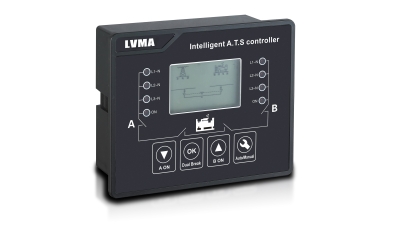
You know, the energy sector has really been through a lot lately, especially with all the tariff issues popping up in the U.S.-China trade talk. One thing that’s become super important during this time is the 4 Pole Automatic Transfer Switch. It's essential for managing electrical loads effectively while keeping the whole system reliable. I came across a report from MarketsandMarkets that predicts the global automatic transfer switch market is on the rise—expected to hit around USD 2.8 billion by 2025! This growth is mainly driven by the increasing need for reliable power supply systems. It’s interesting to note that despite all these tariff hurdles, companies like Zhejiang LVMA Electric Co., Ltd., which is a big player in the electric and renewable energy space, are showing some real resilience and promise for future growth. Thanks to their focus on innovation and smart global strategies, LVMA Electric seems ready to tackle these challenges head-on and keep delivering top-notch 4 Pole Automatic Transfer Switch solutions. They're definitely making a mark in the bustling power management industry!
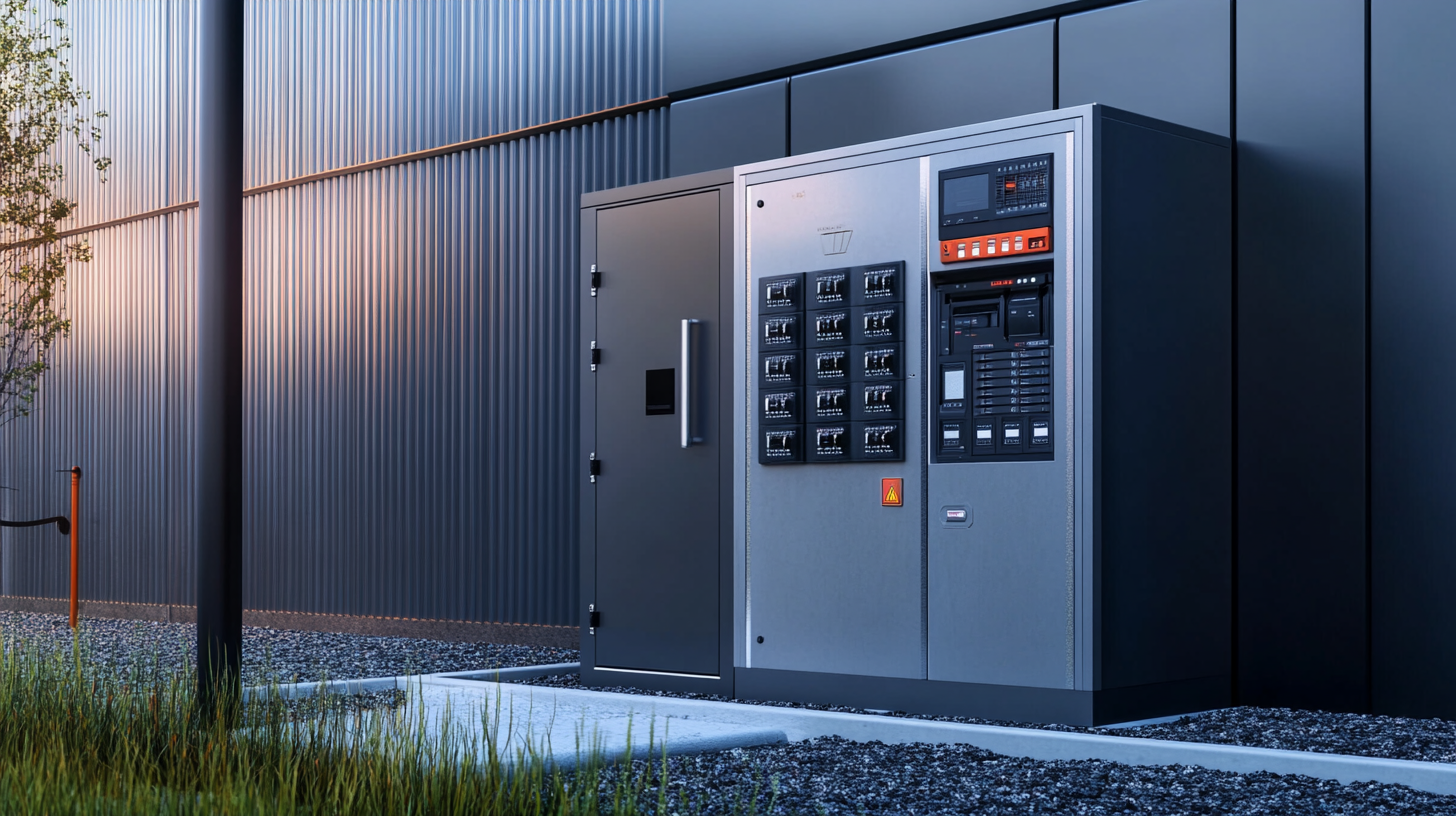
Understanding the Impact of U.S.-China Tariffs on Automatic Transfer Switch Markets
You know, the trade relationship between the U.S. and China really shakes things up in the automatic transfer switch (ATS) market, especially when we’re talking about those important 4-pole switches used in critical power applications. Back in 2022, the U.S. slapped tariffs on a bunch of electrical gear, including those automatic transfer switches, which definitely made things pricier for both manufacturers and consumers. It's kind of a big deal! A recent report from Technavio points out that the global ATS market is set to grow by more than $1 billion between 2023 and 2027. This really puts the spotlight on how crucial it is for businesses to figure out how to deal with these tariffs if they want to take advantage of upcoming market opportunities.
So, here’s a tip: if you want to soften the blow of those tariffs, think about mixing things up with your supply chain. Sourcing parts from places not hit by tariffs can really help bring those production costs down and keep your prices competitive.
Oh, and don’t forget how important it is to understand how ATS falls under tariff classifications. Some manufacturers might snag lower tariffs if their components are classified differently or if they meet certain exemptions. According to a study by the National Electrical Manufacturers Association, being strategic about sourcing and keeping up with tariff rules can save companies as much as 15% in operational costs. Staying informed about these ever-changing tariff regulations is pretty crucial!
And one more thing: it might really pay off to chat with a customs expert. They can help pinpoint potential tariff reductions or exemptions your business might qualify for. Taking this proactive approach? Definitely a smart move for bigger savings and a stronger supply chain.
Analyzing Growth Trends of Chinese Automatic Transfer Switch Manufacturing Amidst Tariff Pressures
You know, the automatic transfer switch (ATS) market in China is going through some pretty big changes right now. I mean, with all these tariff pressures coming from different trading partners, it's really shaking things up. These tariffs are meant to shield local industries, and they've got manufacturers taking a hard look at their approaches, which is actually pushing them to be more innovative and work more efficiently. Many companies are jumping on advanced tech and automation to cut down on their production costs, which definitely helps ease the sting of those tariffs. Because of all this, the quality of 4-pole ATS products is getting better and better, making them way more competitive on a global scale.
And let’s not forget about the skyrocketing demand for reliable power solutions! It’s being driven by more infrastructure projects and a stronger focus on energy security. Chinese ATS manufacturers aren’t just sticking to the local scene, though; they’re eyeing international markets too, looking to spread their wings. This growth is pretty evident in how eager they are to team up with global partners and invest in research and development. Honestly, that’s crucial to staying relevant in this market, especially since tariffs can fluctuate and really mess with pricing strategies and profit margins. As everything keeps changing, it’s super important for everyone involved to stay sharp, adapt to the shifting regulations, and continue delivering top-notch automatic transfer switches.
Navigating Tariff Challenges to Source the Best Automatic Transfer Switch 4 Pole from China
| Manufacturer | Model | Rated Current (A) | Price (USD) | Market Trend |
| Haiwen Electric | HW-ATS-4P-100A | 100 | $250 | Rising Demand |
| Schneider Electric | ATSE 4P-160A | 160 | $400 | Stable |
| Chint Electrics | CATS-4P-200A | 200 | $320 | Growing Interest |
| Eaton Corporation | ASSB 4P-400A | 400 | $650 | Increasing |
| Legrand | ATS 4P-63A | 63 | $180 | Moderate |
Key Features to Look for in a 4 Pole Automatic Transfer Switch from Chinese Suppliers
So, if you’re looking to buy a 4-pole automatic transfer switch (ATS) from suppliers in China, there are a few important things you really need to keep in mind to get the right one for your setup. First off, the amperage rating of the switch is super crucial. You want to make sure the ATS can handle the electrical load you expect it to deal with, since this will impact how well it performs and how long it lasts. Plus, don’t forget to check if it complies with international standards like IEC or UL certifications—those are like a safety badge that shows the product has been properly tested for reliability and safety.
Another thing to think about is the switch’s control features. It’s worth looking for models that come with fancy monitoring systems, like LCD displays or even remote monitoring capabilities. These tools can give you real-time updates on how things are running, which is pretty handy! And, let’s not overlook how easy it is to install and maintain; going for modular designs can make your life much simpler in these areas. By being aware of these key features, you’ll be able to tackle any tariff issues and make a well-informed choice when you're importing that perfect 4-pole ATS from China.
Cost-Benefit Analysis: Sourcing Automatic Transfer Switches from China vs. U.S. Manufacturers
So, when you're thinking about where to get automatic transfer switches (ATS), whether from China or U.S. manufacturers, it's really important to do a cost-benefit analysis. Trust me, there are some pretty big differences that can help shape your decision. The ATS market is on track for some serious growth, and it’s pretty clear that China is stepping up its game. Companies over there are pushing the envelope with their tech, and as their economy leans more towards innovation, their automatic transfer switches are not just getting better but also more affordable.
You know what’s wild? The global market for data center transfer switches and switchgears is expected to shoot up from $3.5 billion in 2024 to a whopping $7.4 billion by 2032! That’s a big deal because it highlights just how crucial effective power management really is, prompting many businesses to find dependable sourcing options. While it’s true that U.S. manufacturers bring established products and local support to the table, getting your switches from China could mean a better bang for your buck—a pretty tempting deal for companies eager to save some cash.
So, at the end of the day, taking a close look at not just the price but also the technical performance and the support services is key in figuring out the best path to snag those high-quality automatic transfer switches.
Navigating Compliance and Quality Standards When Importing from China
Importing an Automatic Transfer Switch (ATS) 4 Pole from China? Well, let me tell you—it’s super important to make sure you’re following all those international quality standards. Every country has its own rules when it comes to electrical gear, and knowing them can save you from some nasty customs headaches and potential fines down the line. You might see manufacturers in China bragging about certifications like CE, UL, or ISO, but honestly? It’s a good idea to double-check those claims with third-party inspections. Better safe than sorry, right?
Also, when you’re looking at suppliers, keep in mind that understanding their quality assurance processes can really sway your sourcing choices. So, do a thorough background check on your potential suppliers! You should look at how they produce their gear and what kind of quality control steps they have in place. It’s definitely worth it to work with suppliers who have a solid reputation for exporting ATS products to your country. That way, you can rest easy knowing the equipment ticks all the right boxes for functionality and safety. Plus, when you build a good working relationship with your supplier, you’ll likely have better communication about compliance and quality, which makes for a much smoother import experience overall!
Future Outlook: Market Projections for Automatic Transfer Switches Amid Evolving Trade Policies
You know, the landscape of global trade is really shifting these days, and it’s kind of wild to see how the market for automatic transfer switches (ATS)—especially those 4-pole ones—is changing so much. Industry reports are saying that the ATS market is expected to grow by about 7.2% each year from 2021 to 2026. Why? Well, a lot of it has to do with the boom in renewable energy investments and ongoing infrastructure development. Take companies like Zhejiang LVMA Electric Co., Ltd., for example. They're really leading the pack and seem totally ready to take advantage of these trends, all because of their focus on innovation and reaching out globally.
But, with trade policies and tariffs flipping around, it's getting trickier to find quality ATS from China. So, if you want to stay ahead of the game, you really need to keep an eye on the regulations and how the market is shifting. **Quick Tip:** Build strong relationships with your suppliers. That way, when tariffs start to fluctuate, you'll have a good shot at keeping your supply chain steady. And don’t forget to watch out for any changes in renewable energy policies, since those can really impact how much demand there is for ATS.
Also, as our electric power systems keep changing, the need for reliable and efficient energy management is really becoming a big deal. More and more folks are going to be looking for high-quality 4-pole automatic transfer switches, so it’s super important for companies to invest in the latest tech. **Another Tip:** Keep analyzing market trends and tweak your product offerings to fit what customers are looking for. That’s how you stay competitive!
Enhancing Energy Efficiency: The Impact of Y-702 Automatic Transfer Switch Controller on Modern Power Management Systems
In an era where energy efficiency is paramount, the Y-702 Automatic Transfer Switch Controller plays a pivotal role in modern power management systems. Designed for rated voltage of AC 220V and operating frequencies of 50Hz/60Hz, this advanced controller enhances the reliability and effectiveness of energy systems. With a voltage measurement accuracy of ±1% and frequency measurement accuracy of ±0.05 Hz, the Y-702 ensures precise monitoring and management of power supplies, crucial for maintaining operational integrity in various applications.
The ability to adjust switching time from 0.5 seconds to 30 seconds provides significant flexibility, allowing organizations to tailor their response to power interruptions based on their unique operational needs. This feature is particularly beneficial in critical infrastructures, where time-sensitive energy supply is essential. Moreover, the Y-702 supports robust communication through its RS485 and optional Ethernet interfaces, employing standards such as Modbus RTU and TCP/IP for seamless integration into existing systems.
Operating effectively in diverse environments, the Y-702 can withstand temperatures ranging from -10°C to +60°C and humidity levels up to 90% without condensation. These specifications enable the controller to be deployed in a wide array of locations, from industrial plants to commercial buildings, ensuring power efficiency and continuity. As organizations increasingly prioritize sustainable energy solutions, the Y-702 stands out as a significant investment, aligning with the industry's shift towards smarter energy management systems.
FAQS
The global ATS market is anticipated to grow by over $1 billion during this period, emphasizing the importance for businesses to navigate tariffs effectively to seize market opportunities.
Businesses can mitigate tariff impacts by diversifying their supply chains and sourcing components from regions that are not affected by these tariffs, which can help lower production costs.
Understanding the classification is crucial because it may allow manufacturers to benefit from reduced tariffs or qualify for specific exemptions, potentially lowering operational costs.
By engaging in strategic sourcing and ensuring compliance with tariff regulations, companies can save up to 15% in operational costs, making it essential to stay informed about changing tariff policies.
Key features include the switch’s amperage rating, compliance with international safety standards (like IEC or UL), control mechanisms (such as LCD displays), and ease of installation and maintenance.
Look for ATS models with advanced monitoring systems, including LCD displays and remote monitoring capabilities, to gain real-time insights into operational status.
Modular designs can simplify the installation and maintenance processes, making them an important factor to consider when importing an ATS.
Engaging with customs experts can help businesses identify potential tariff reductions or exemptions, leading to significant savings and fostering a more robust supply chain.


 中文

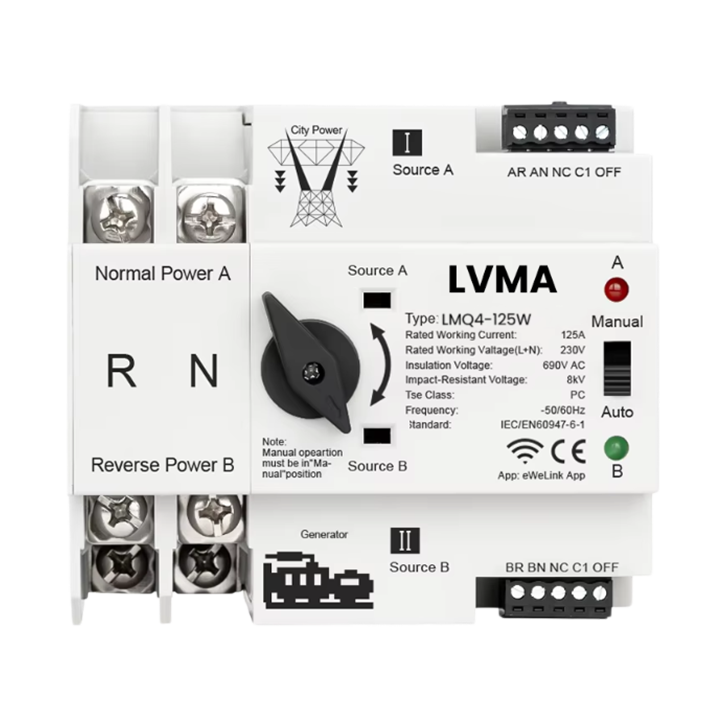 Wifi Ats 125A, Automatic Transfer Switch 2P 3P 4P LMQ4-125W
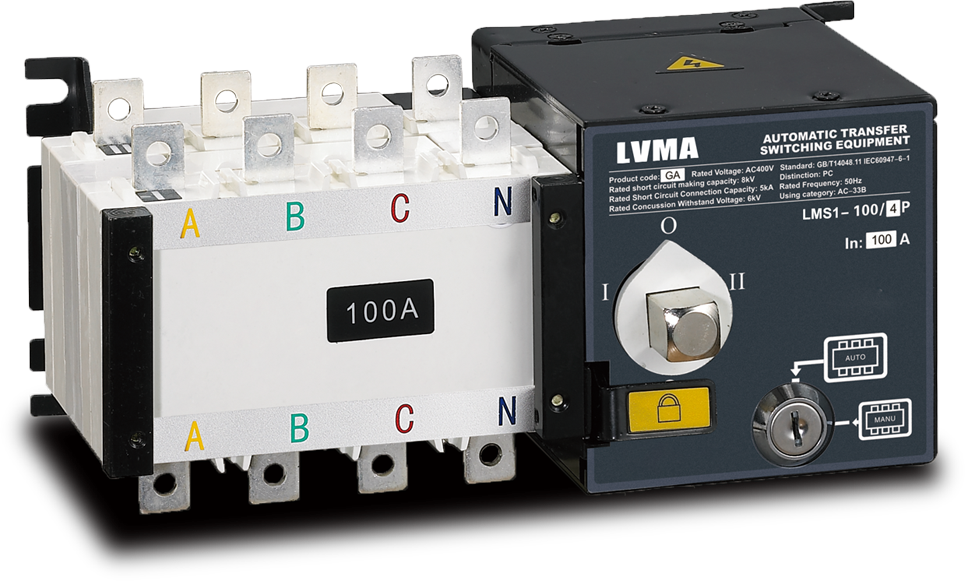 LMS1-GA series Automtic transfer Switch Ats 100A
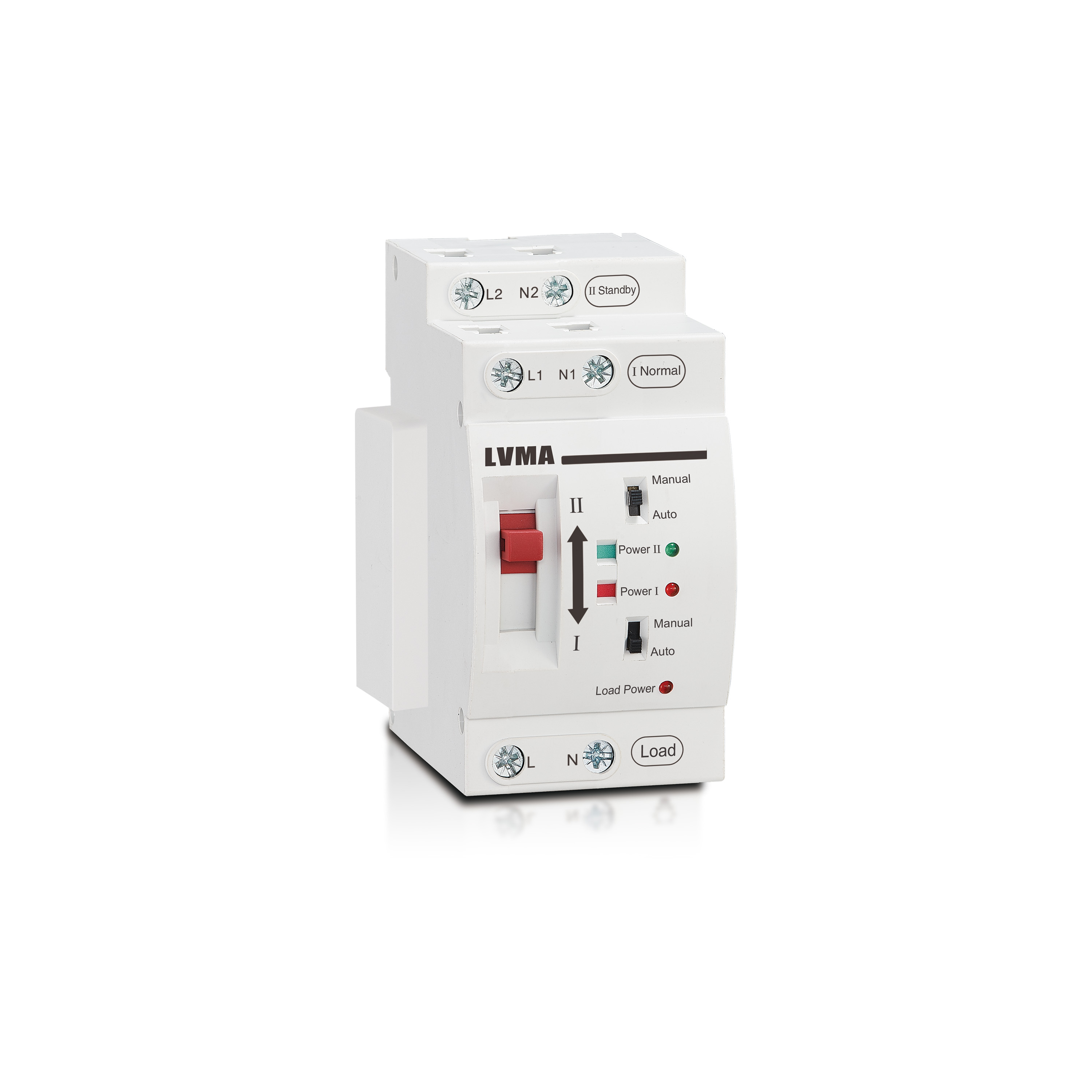 LMS1-NJT Series Automatic Transfer Switch Ats 63A
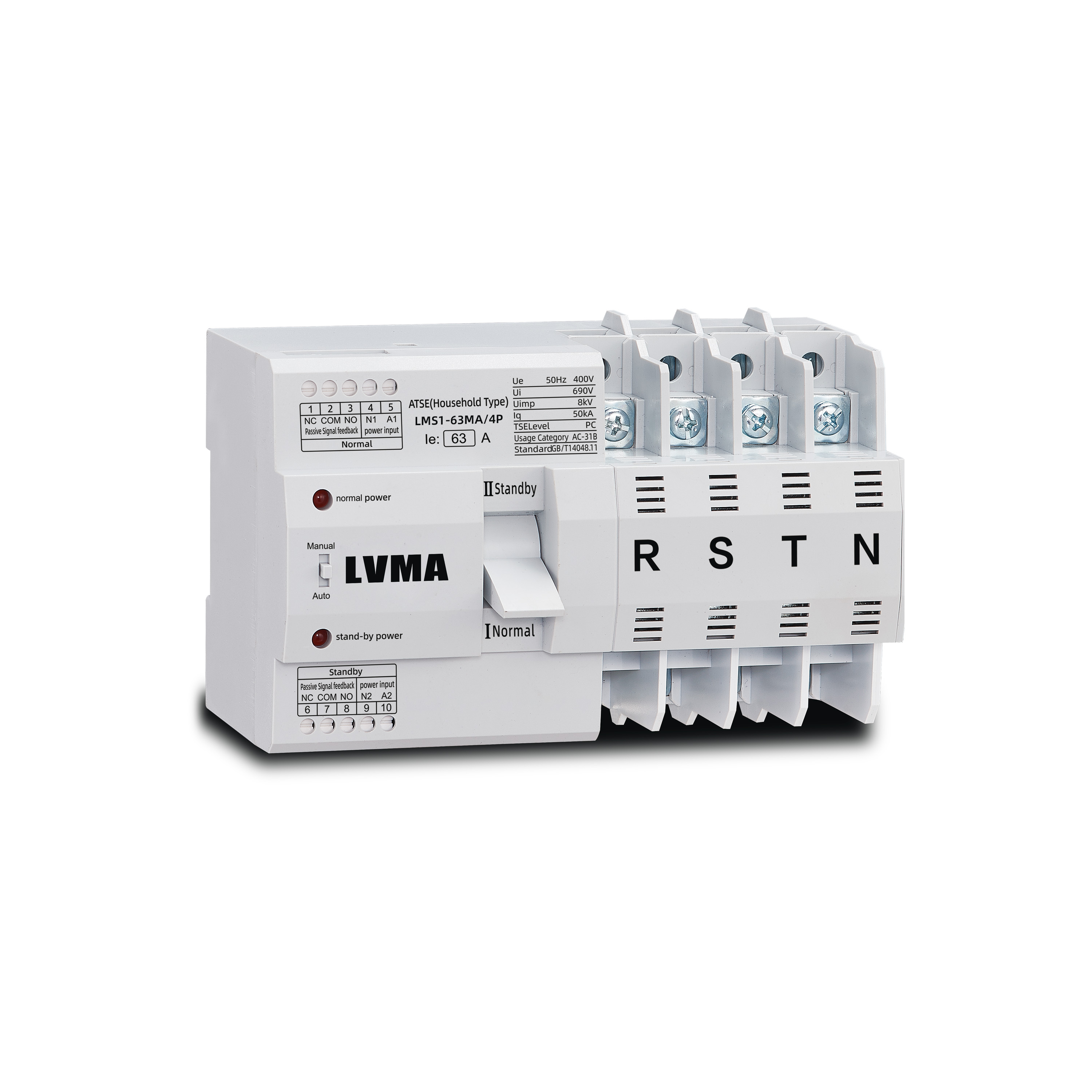 LMS1-MA Type PC Class Automatic Transfer Switch Ats 63A
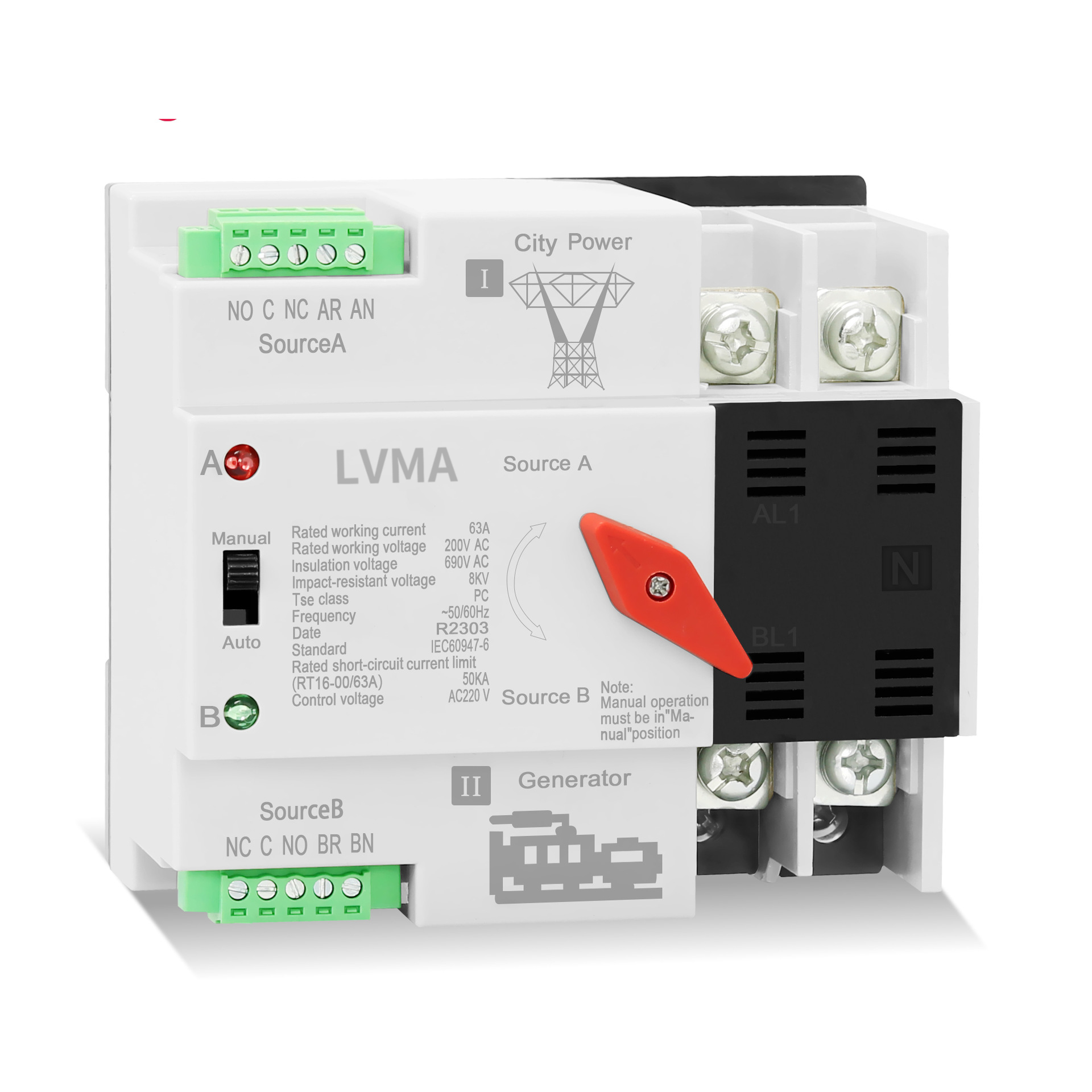 Ats 100A,Automatic Transfer Switch 2P 3P 4P LMQ4-100X
 LMS1-LA Series Automatic Transfer Switch ATS 100A
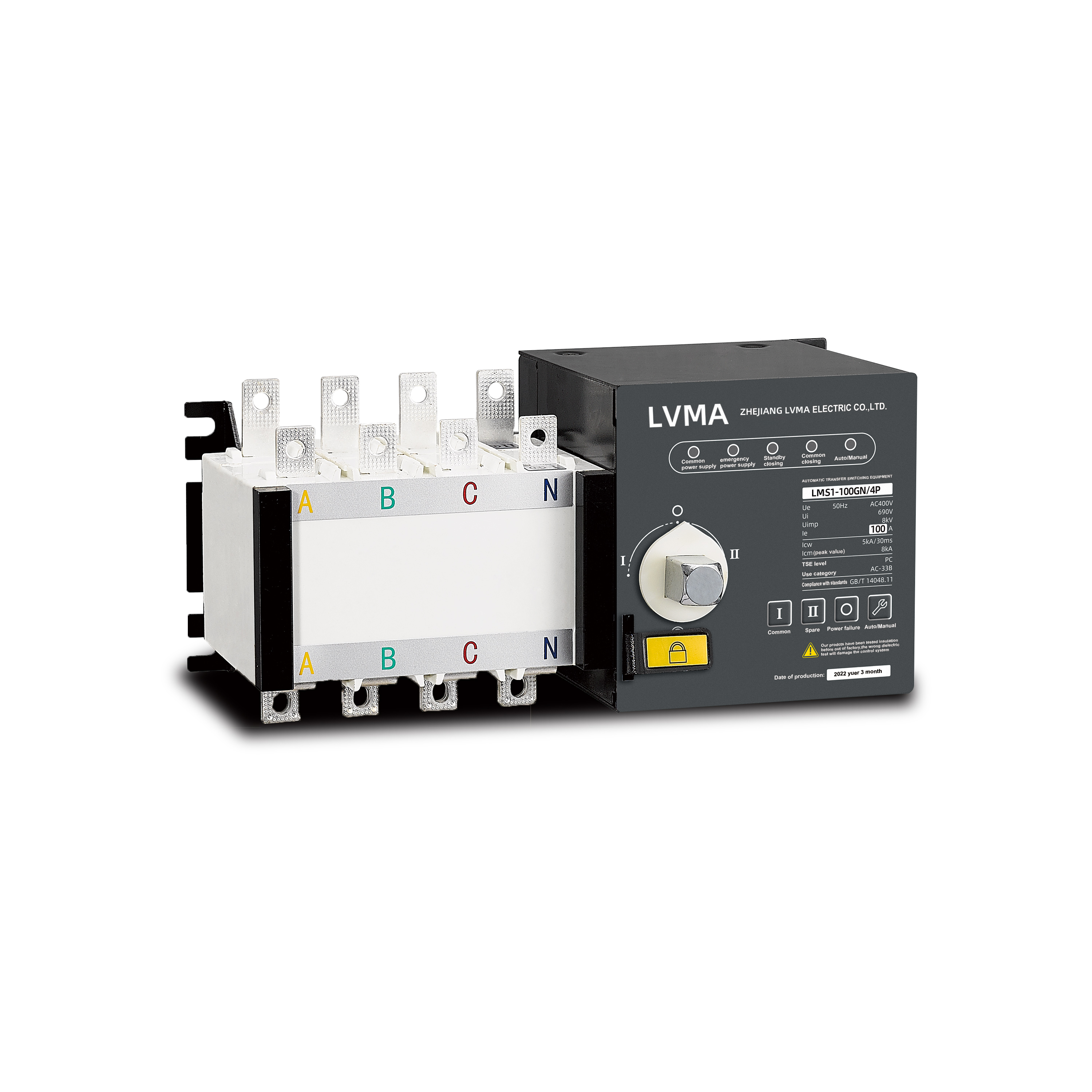 LMS1-GN Automatic Transfer Switch ATS 250A
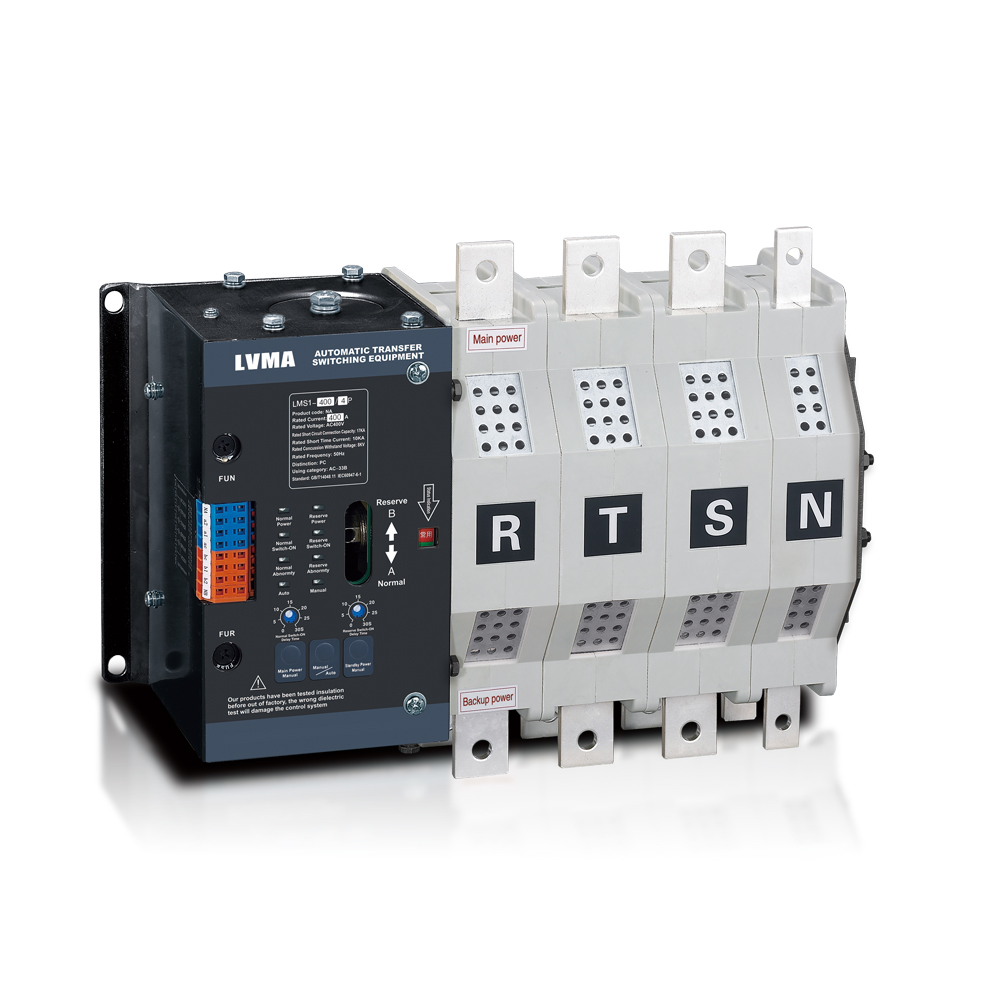 LMS1-NA Series Automatic Transfer Switch ATS 630A
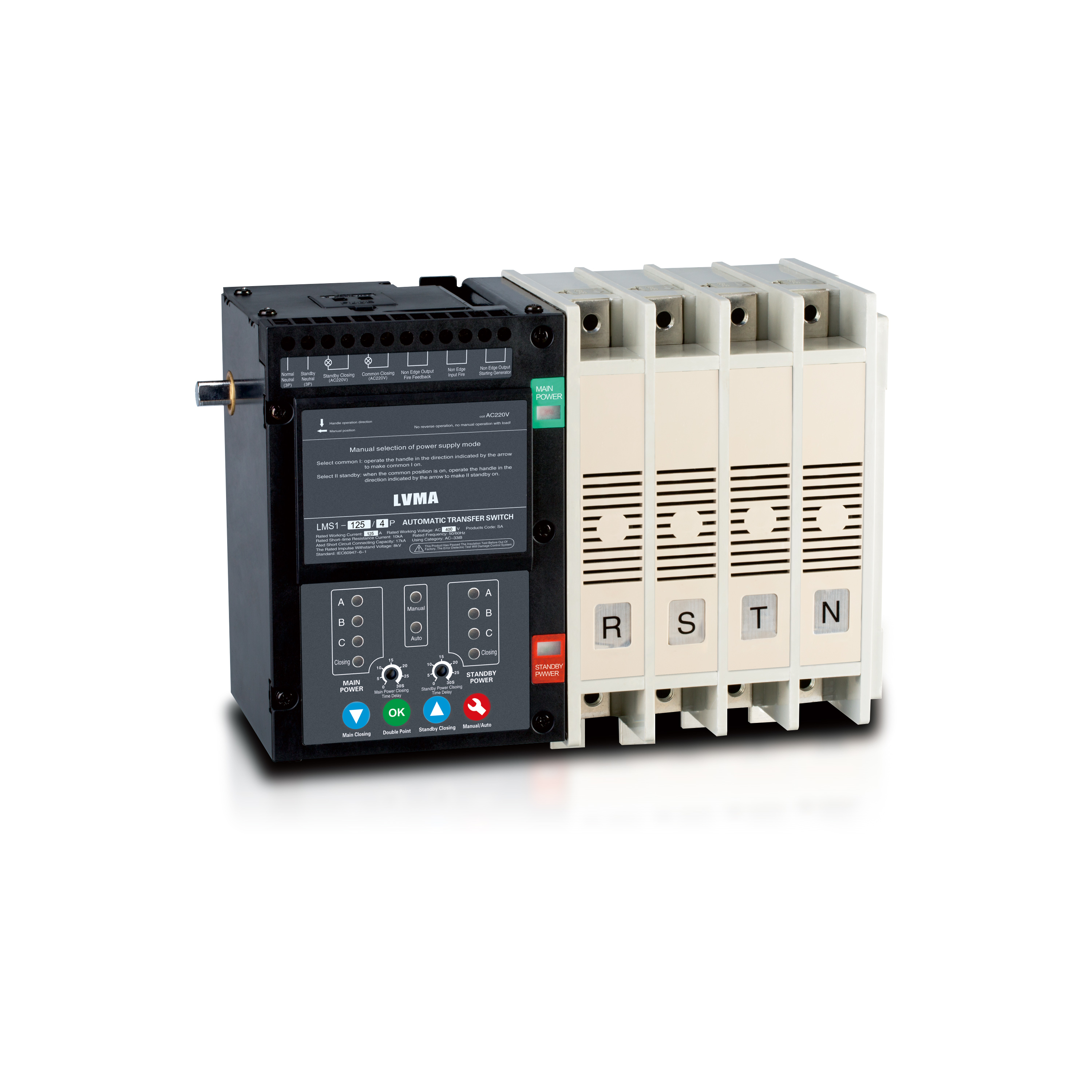 LMS1-LA3 Series PC Automatic transfer switch Ats 630A
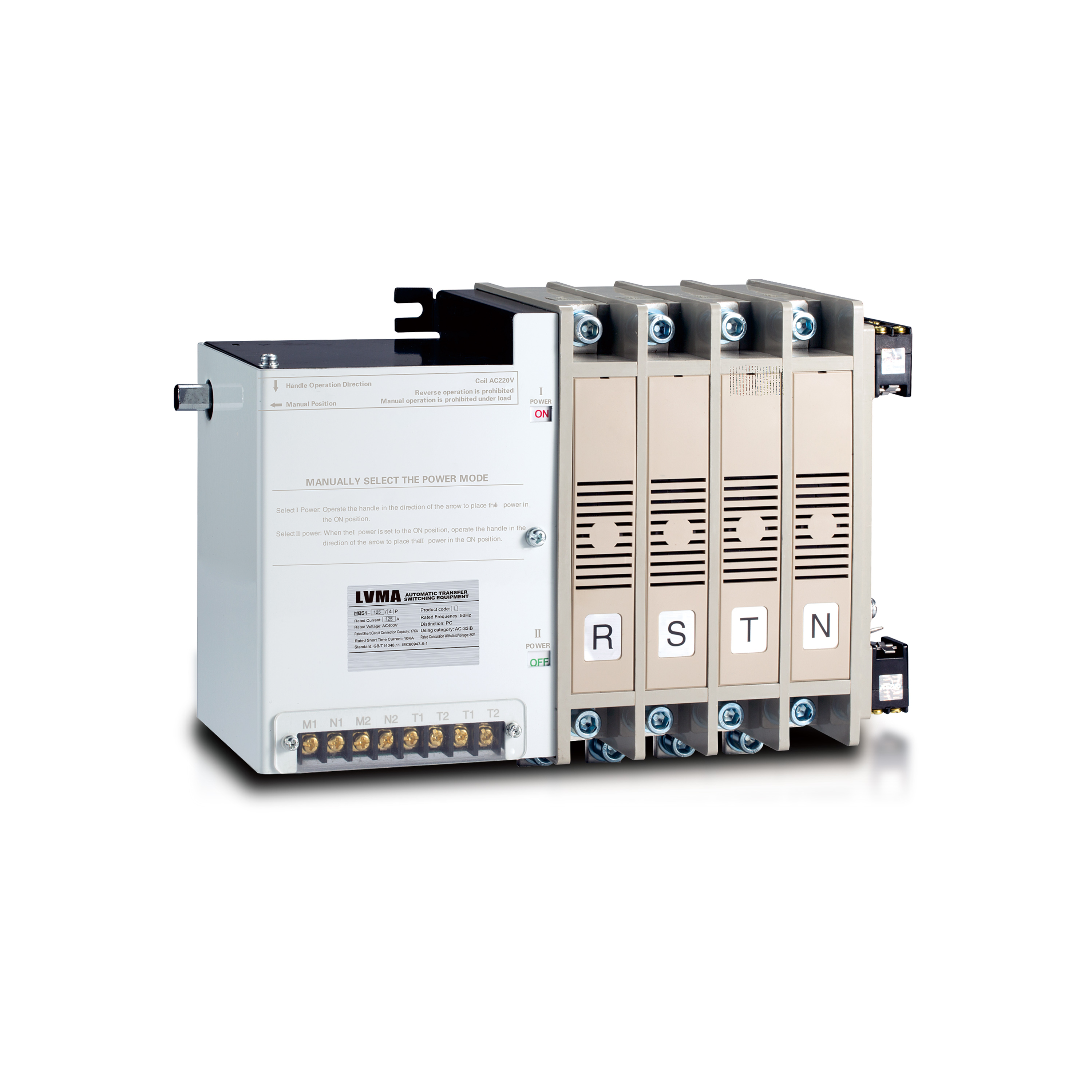 LMS1-L Series Automatic Transfer Switch Ats 630A
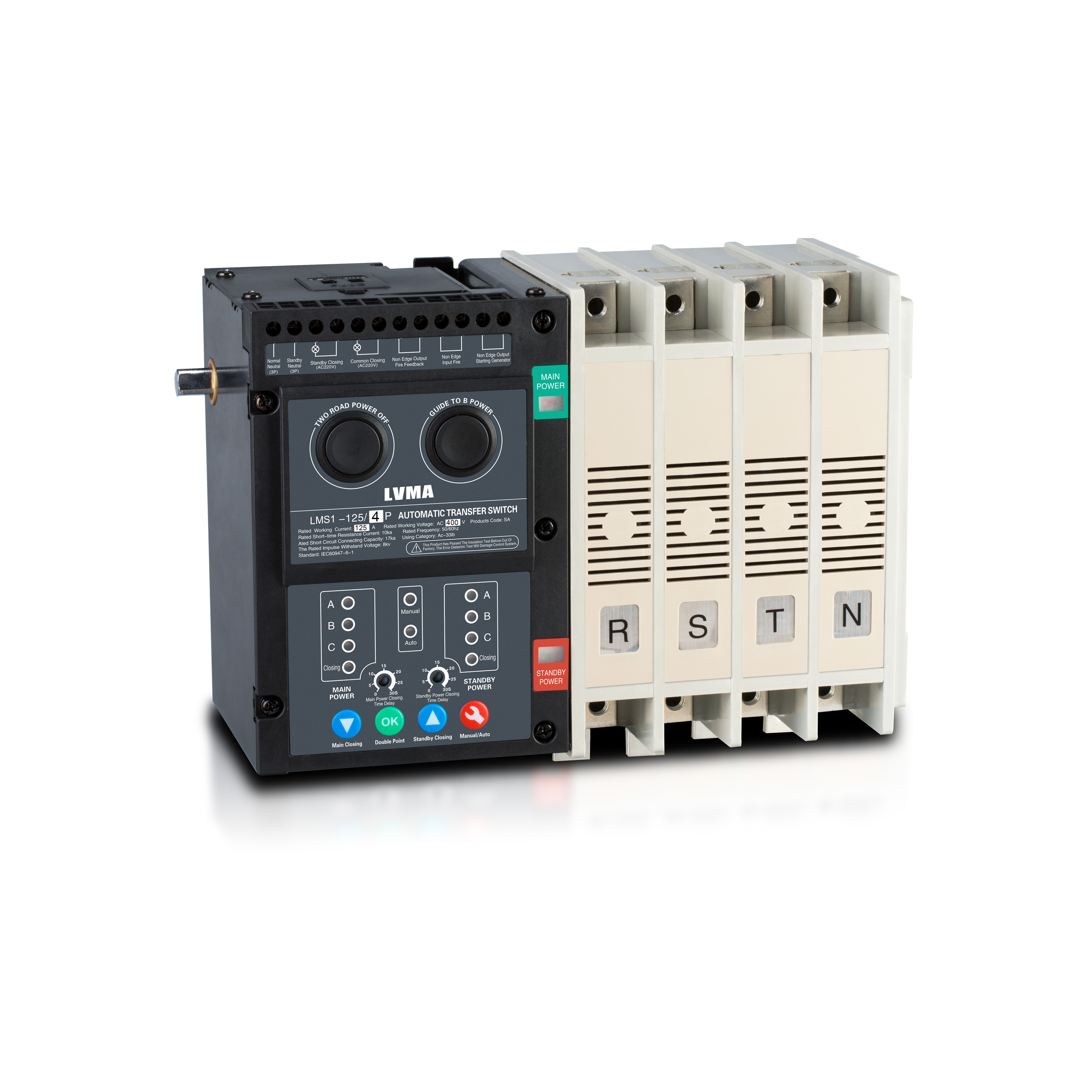 LMS1-SA Series PC Automatic transfer switch
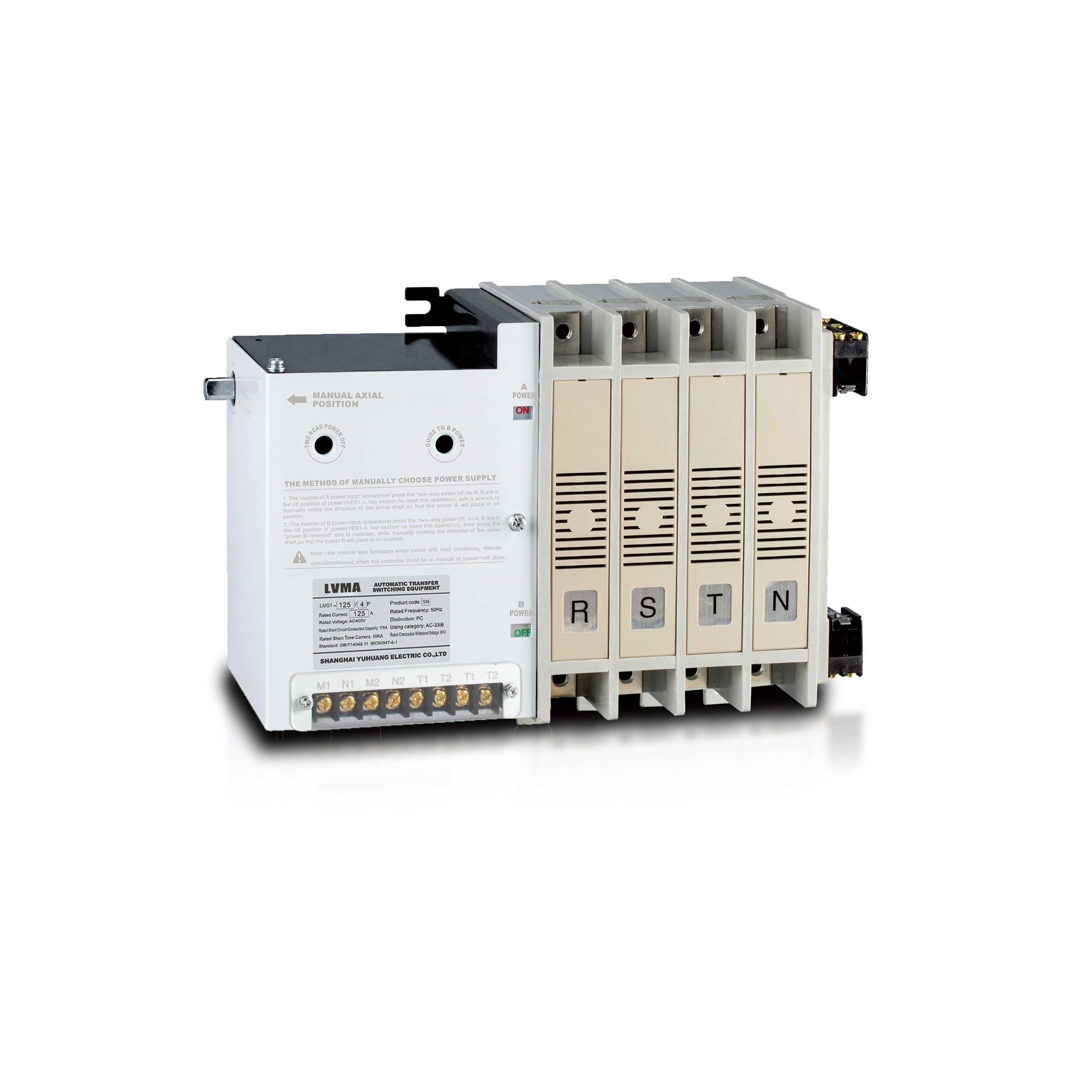 LMS1-SN Series Automatic Transfer Switch Ats 400A
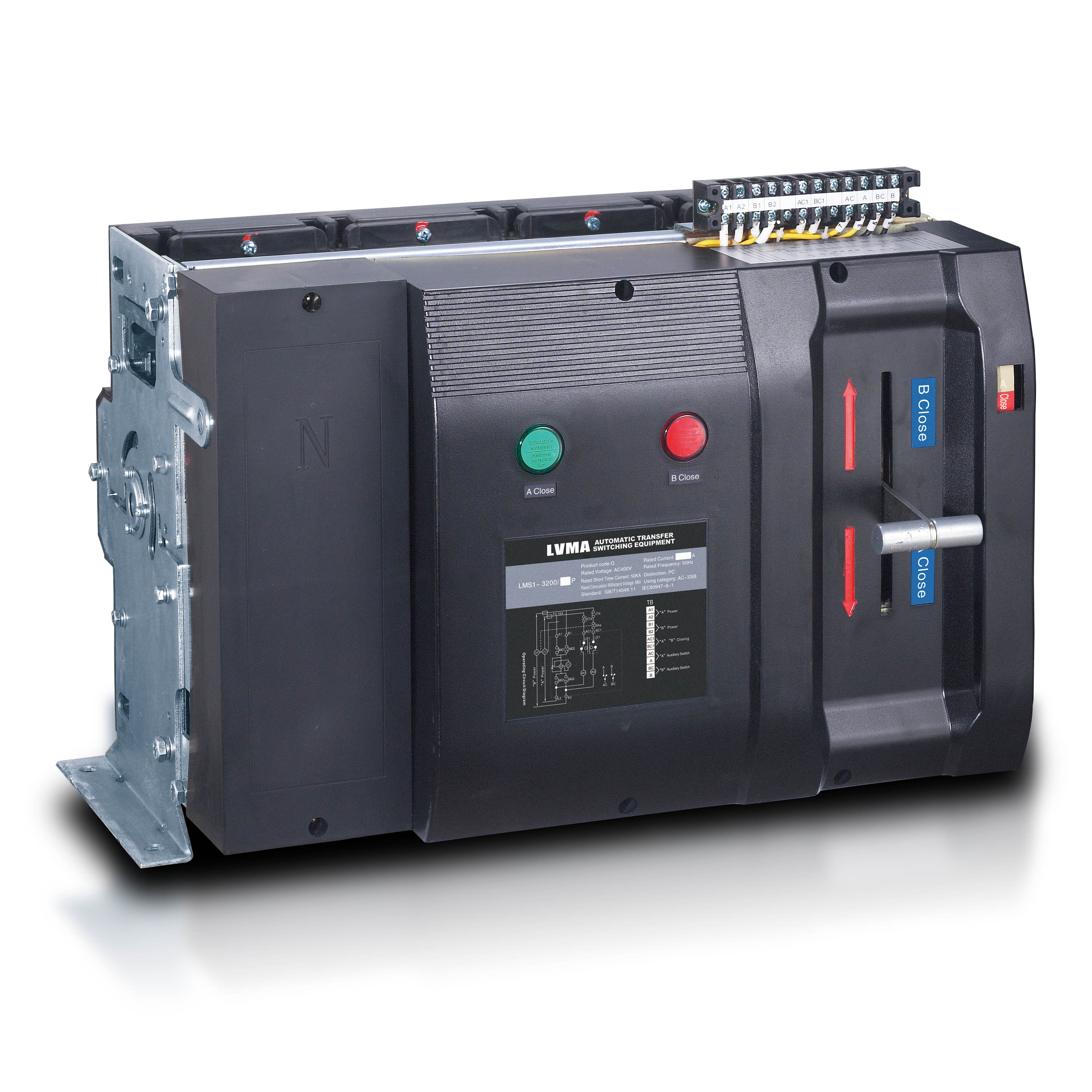 LMS1-Q Type Automatic Transfer Switch Ats 3200A
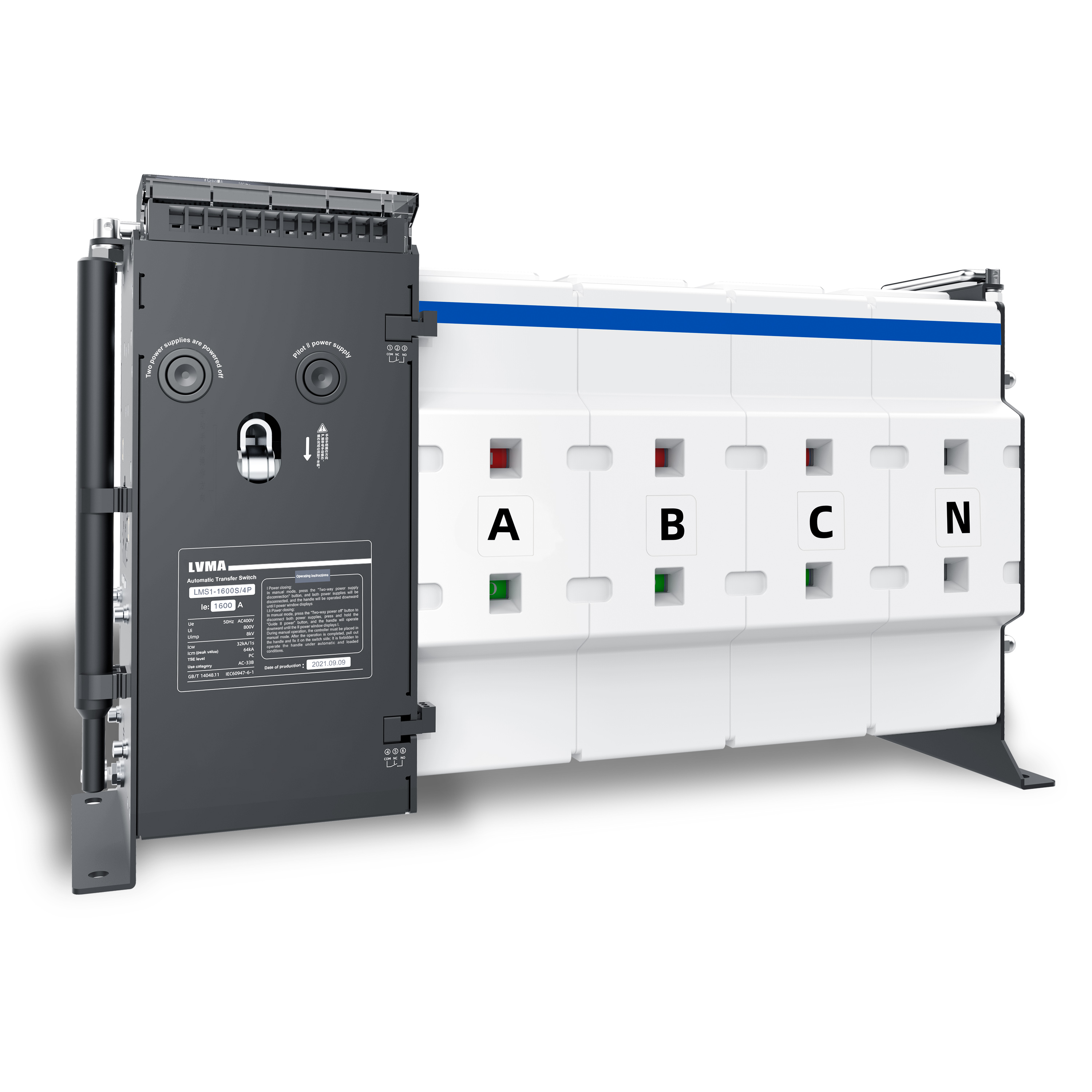 LMS1-SN Automatic Transfer Switch Ats
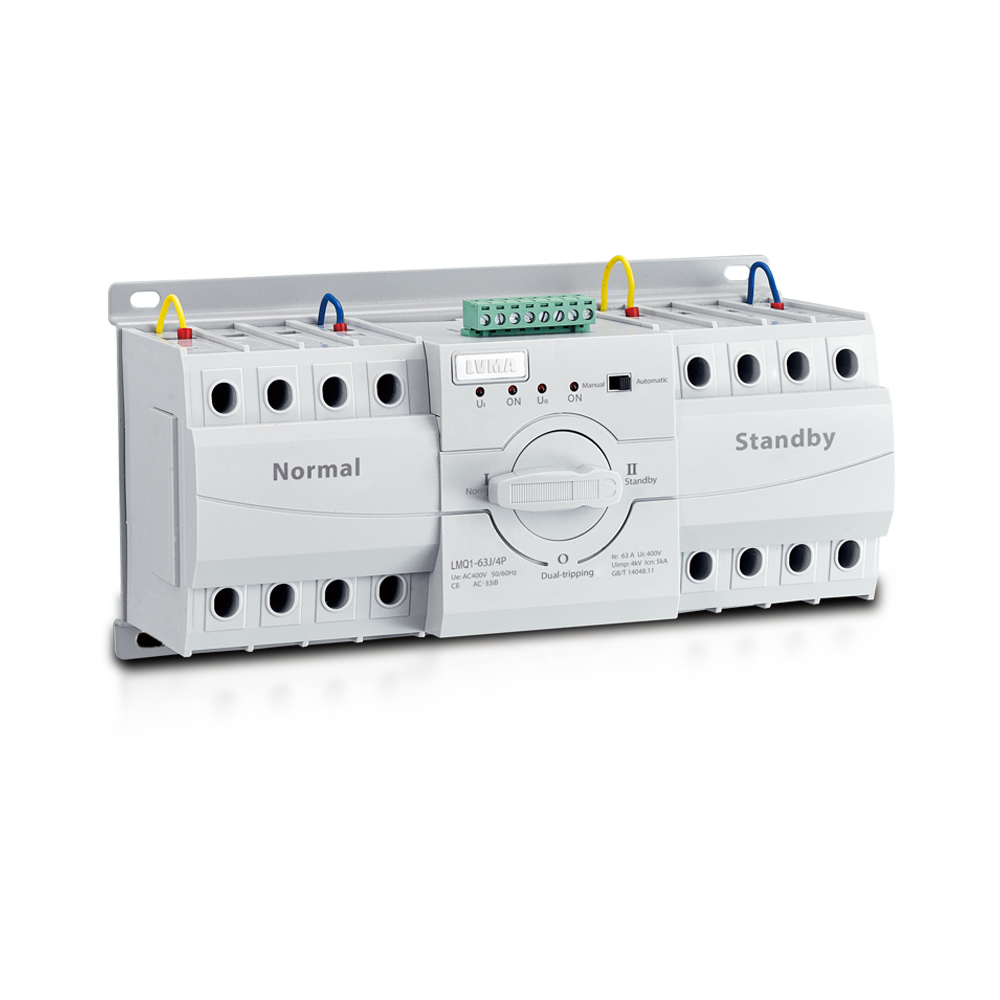 LMS1-J Series Automatic Transfer Switch Ats 63A
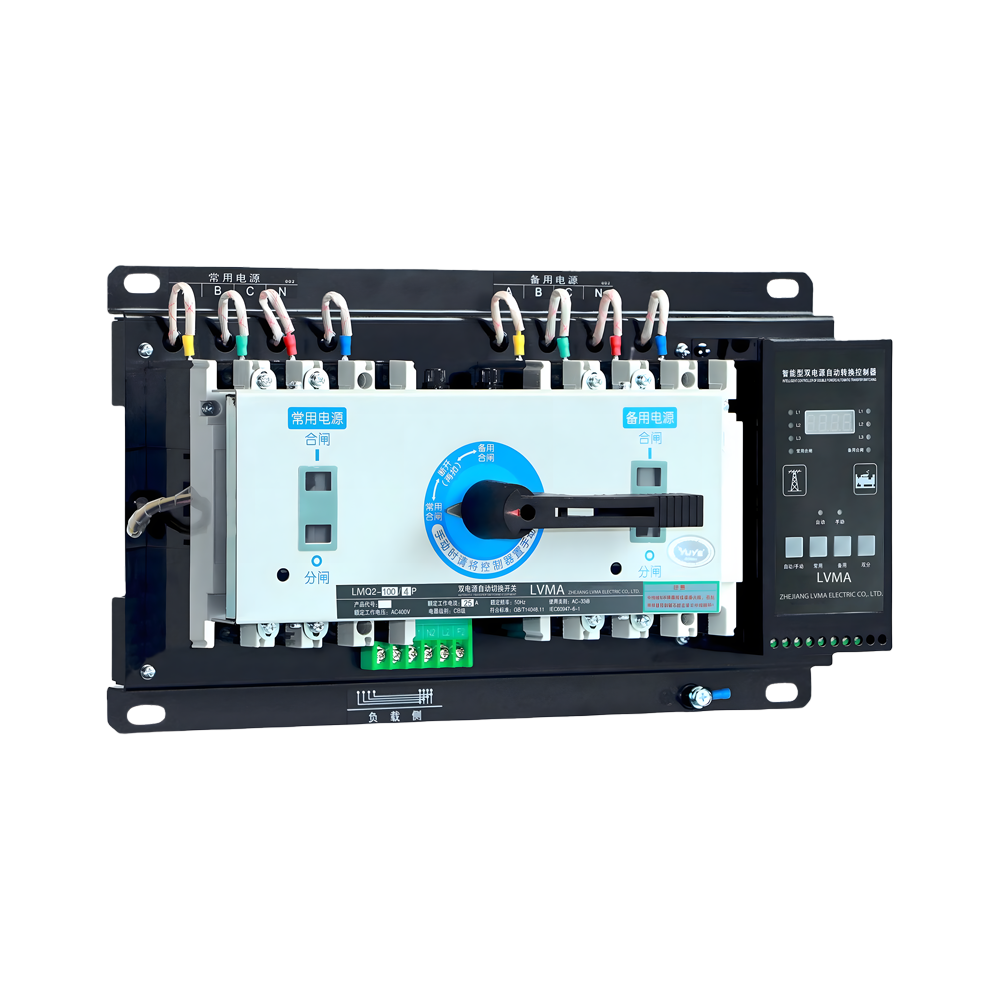 LMQ2Y Series Automatic Transfer Switch CB Class
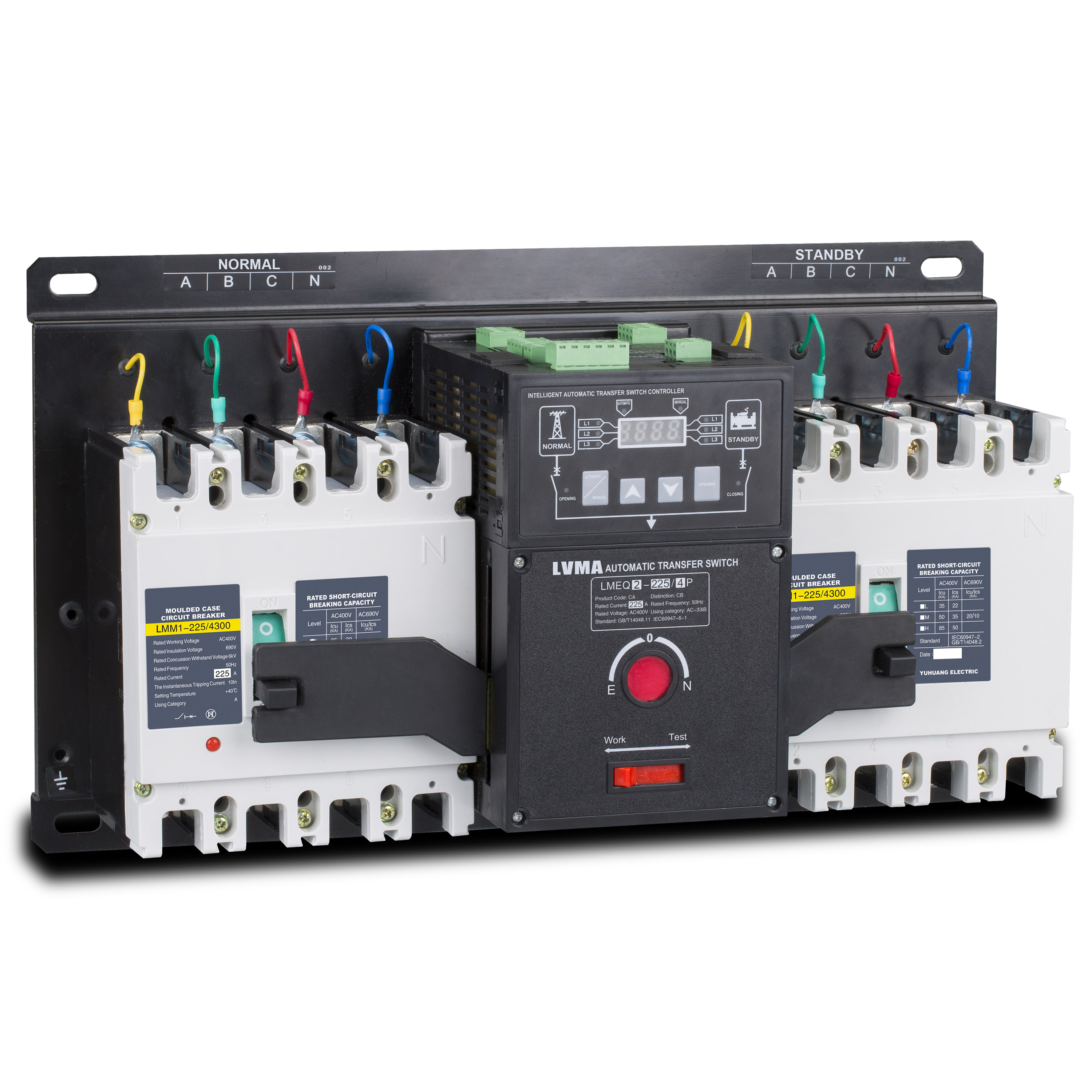 LMQ2CB Series Automatic Transfer Switch
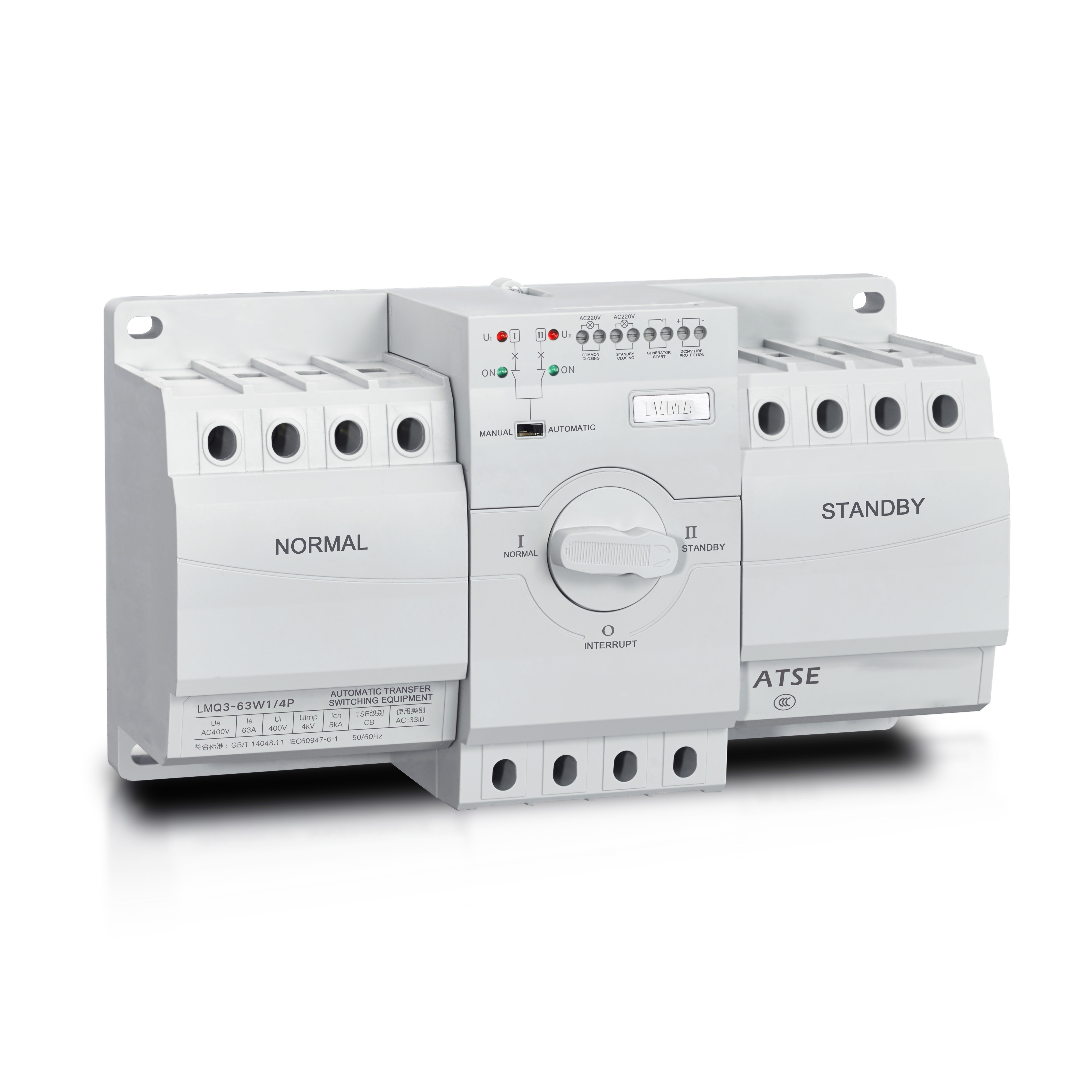 LMQ3-W1 Automatic Transfor Switch Ats 63A
 LMQ3-W1 Automatic Transfor Switch ats 630A
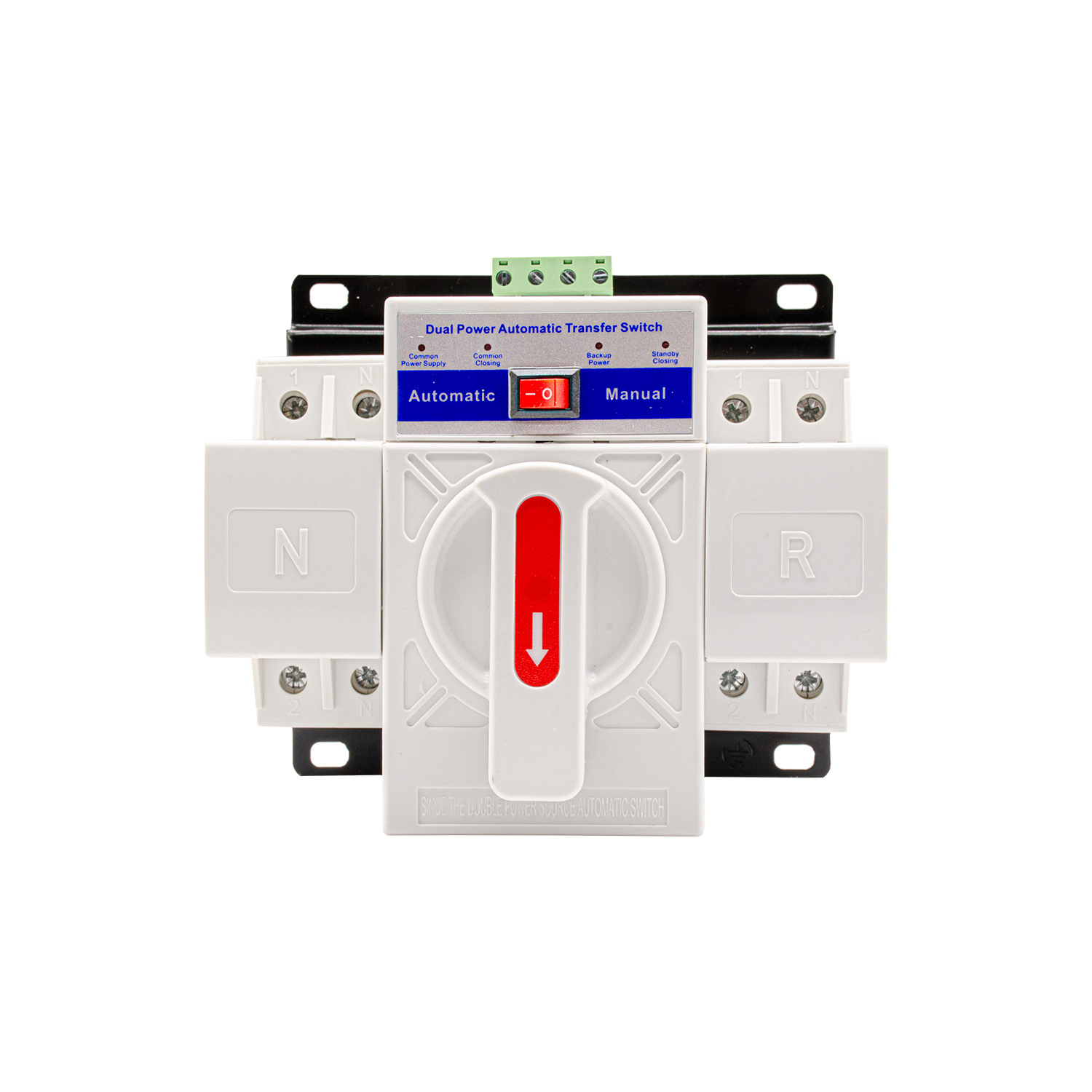 LMQ4-63M 63A Automtic transfer Switch 2P 3P 4P
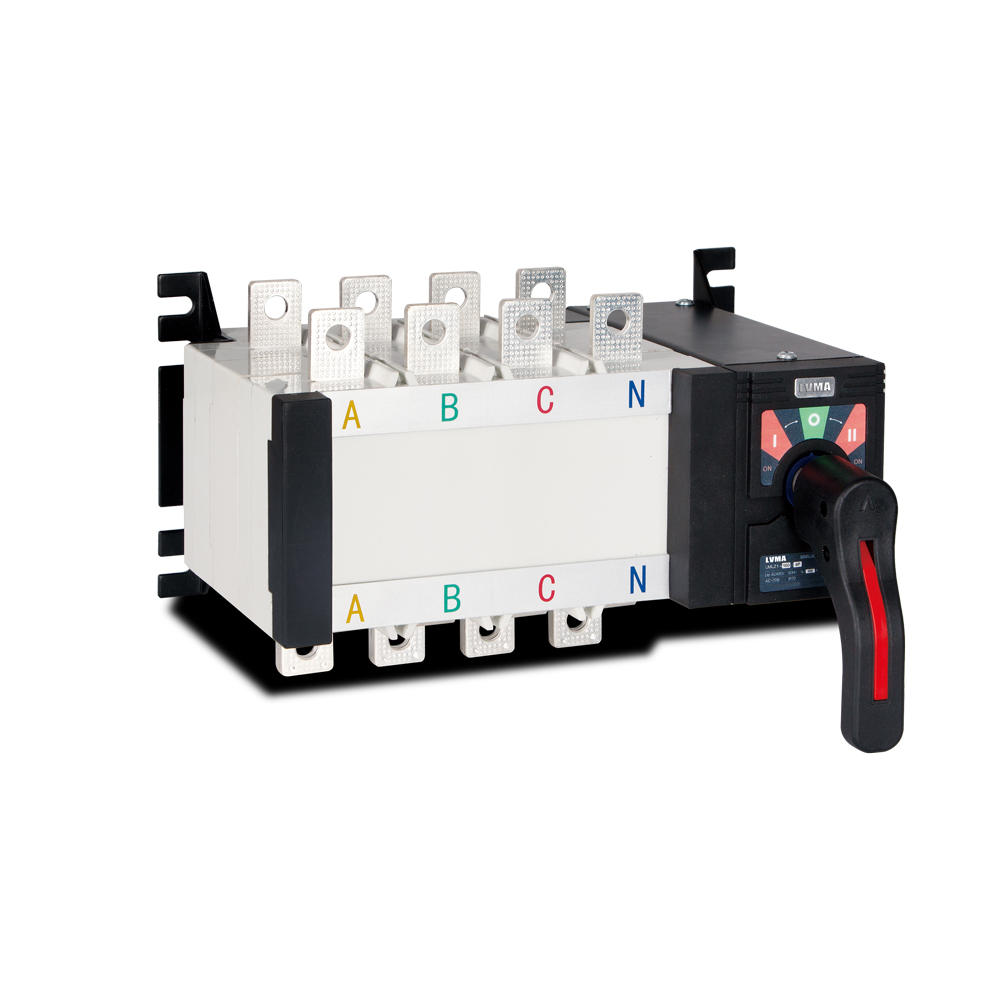 LMGLZ1 Manual Transfer Switch (100~630A)
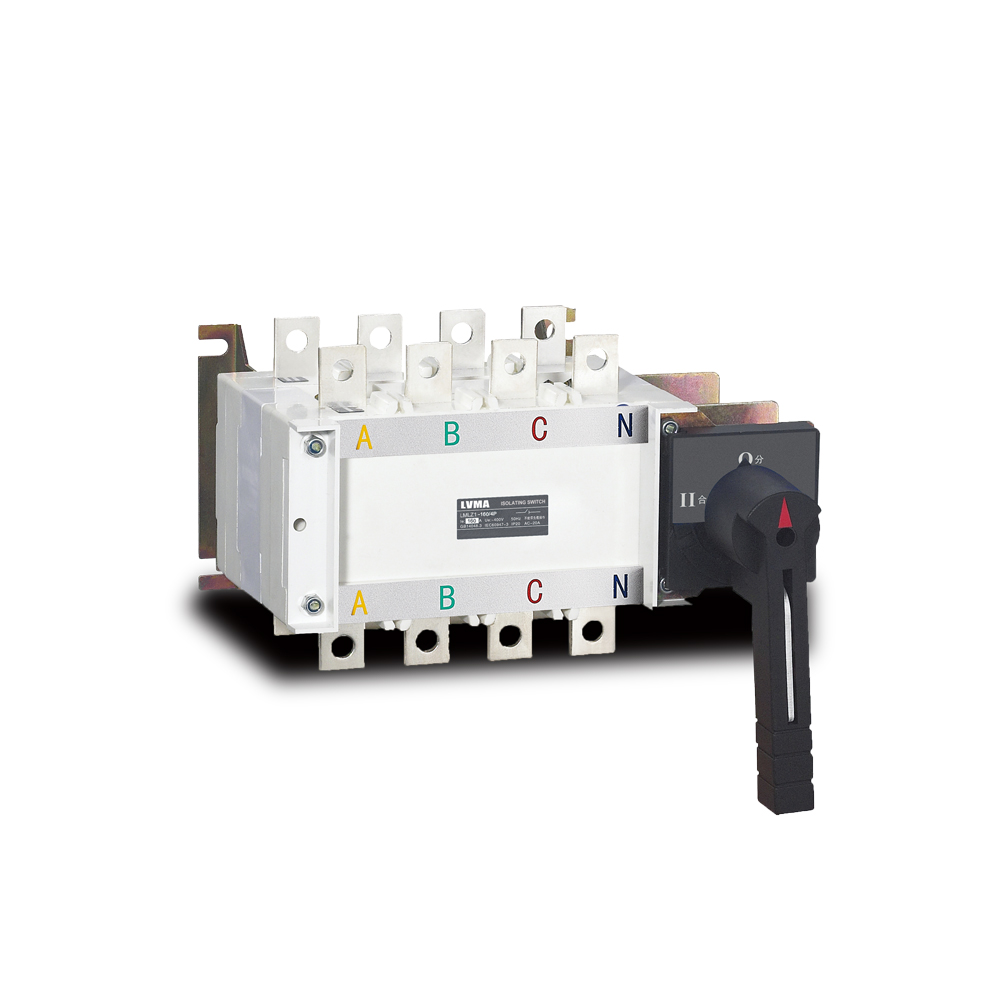 LMGLZ Manual Transfer Switch (100~630A) Changeover Switch
 Y-700 Automatic Transfer Switch Controller
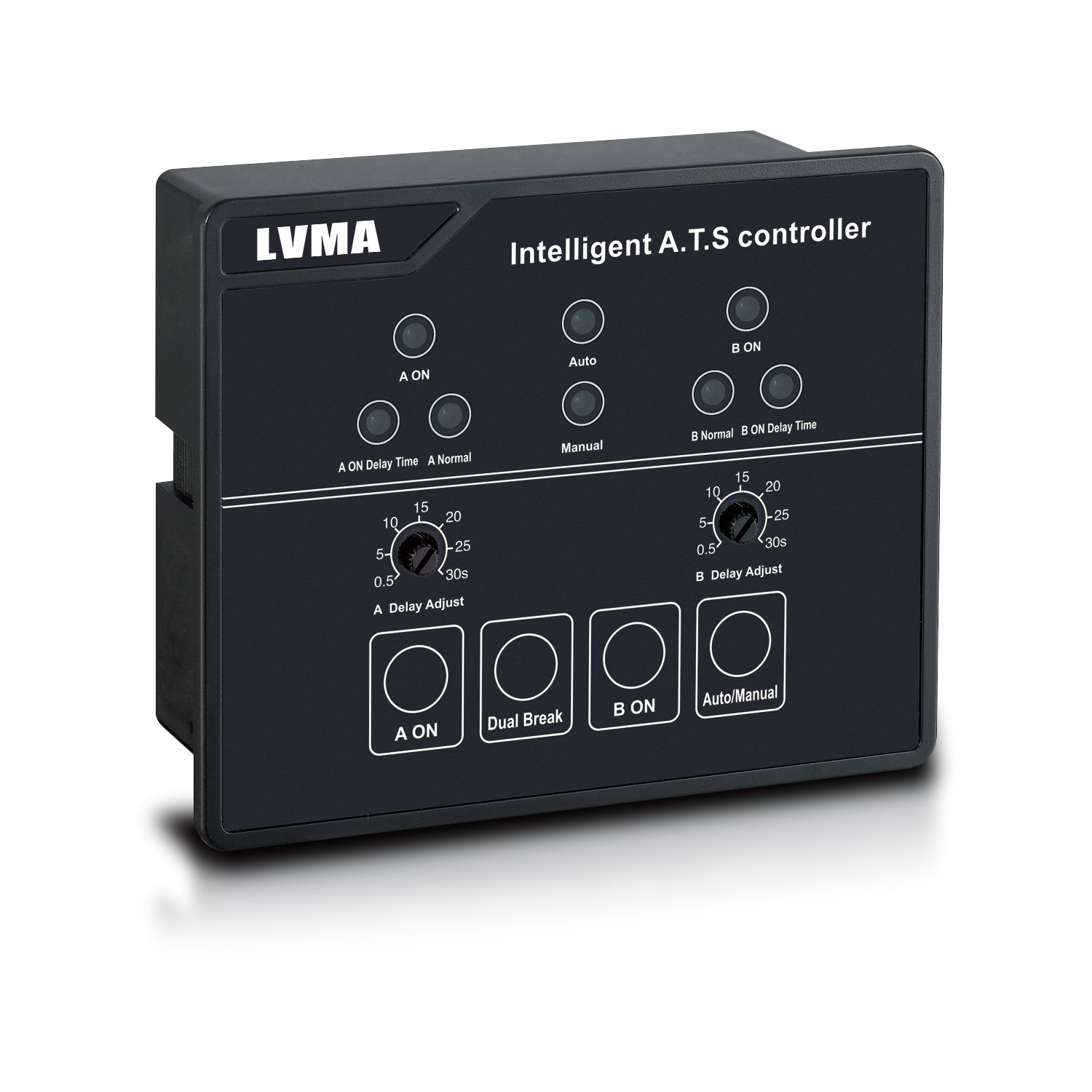 Y-701 Automatic transfer switch controller
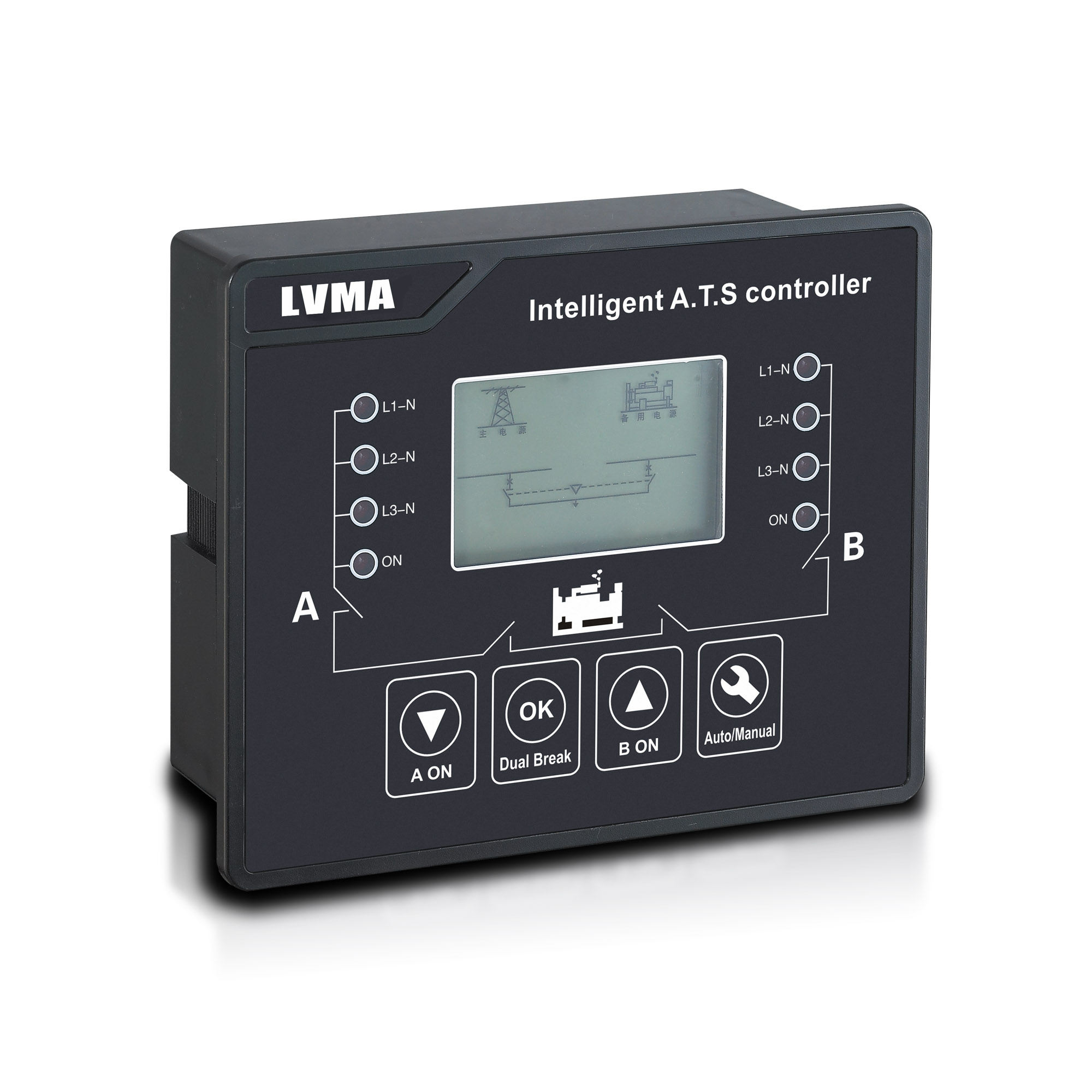 Y-702 Automatic Transfer Switch Controller
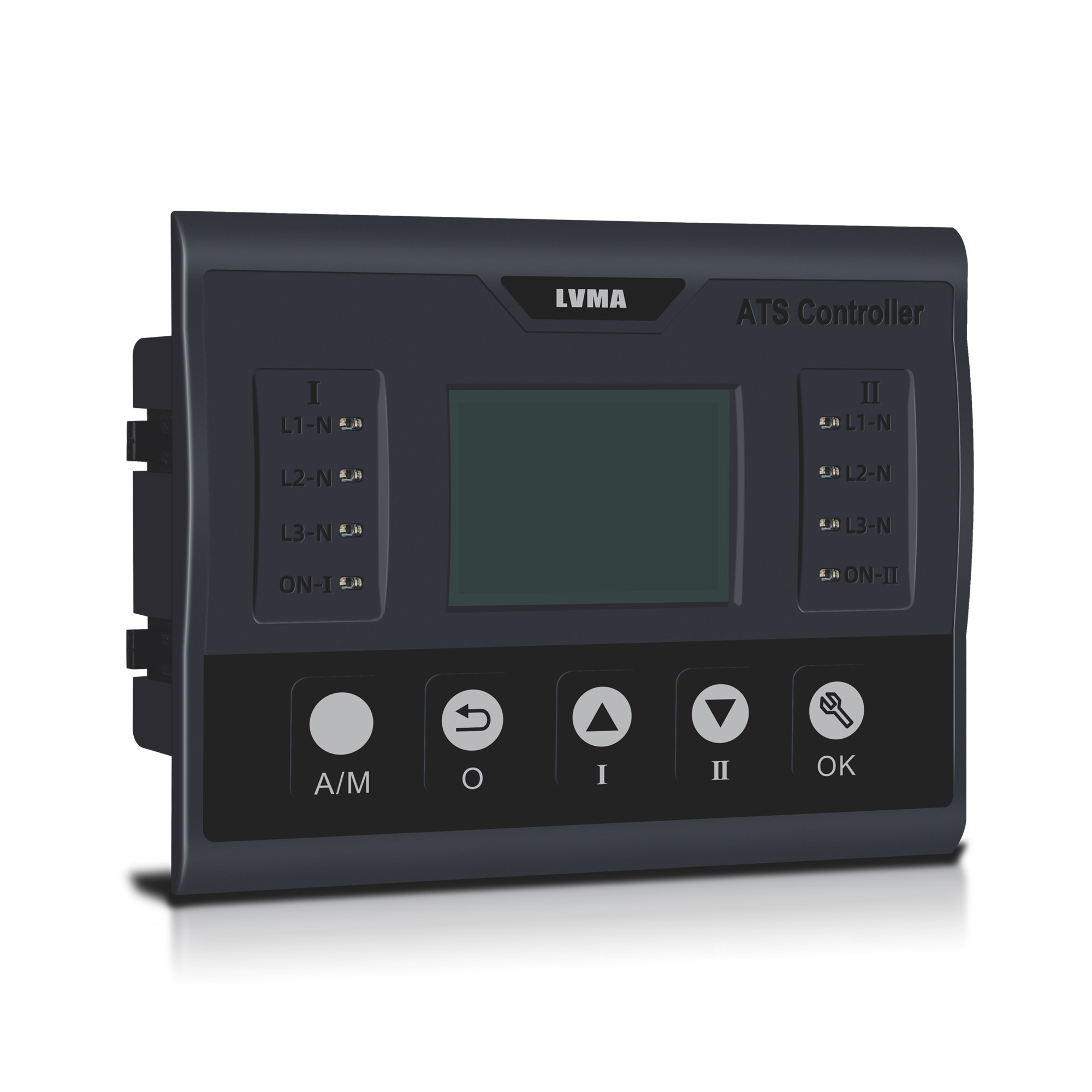 Y-703 Automatic Transfer Switch Controller
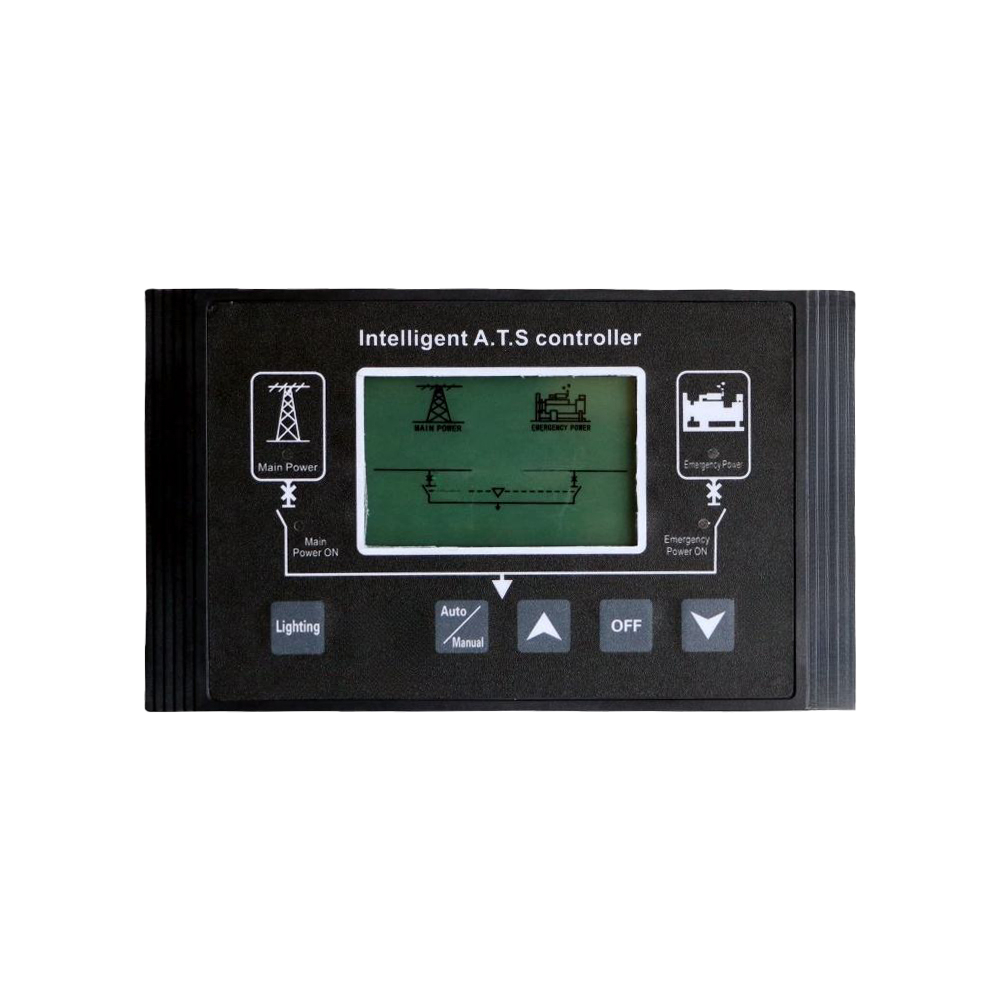 W2、W3 Automatic Transfer Switch Plug-In Led Digital Controller
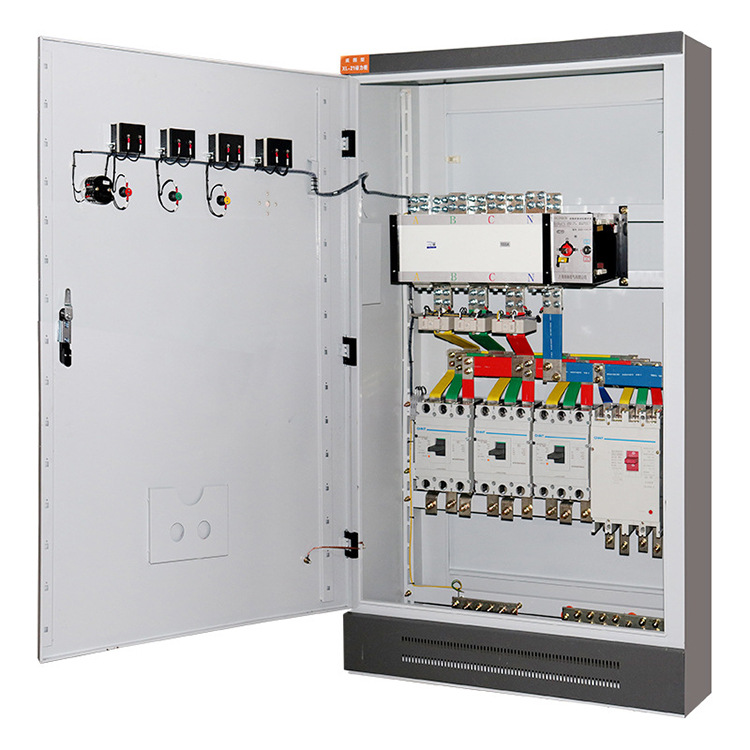 Customization-Automatic Transfer Switch Cabinet 100A Ats
 Dual Power Supply Control Cabinet - Automatic Transfer Switch
 Ats Cabinet - Automatic Transfer Switch