Leave Your Message
0%

When it comes to industrial setups, the 1200a Ats really plays a key part. Lots of companies depend on this piece of equipment to keep their power running smoothly, but honestly, getting the most out of it isn’t always straightforward—it takes some attention to the little details.

Knowing the ins and outs of the 1200a Ats is pretty important. Sometimes folks overlook certain settings, and that can really hurt how well it performs. I’ve seen cases where incorrect configurations cause issues, making things less efficient and even risking system reliability. For example, if the load isn’t balanced right, it could lead to failures or crashes at the worst moments.

Another thing I notice a lot—organizations often skip regular maintenance. It’s easy to ignore small problems until they turn into big, costly headaches. Doing a bit of preventative maintenance and fixing minor stuff early on can save a lot of trouble later. Plus, taking the time to train staff properly can really boost how effectively everyone uses the 1200a Ats. Sadly, not everyone sees this as a priority, but honestly, a little investment in training can make a huge difference.

So, it’s worth taking a step back and reviewing your practices. Sometimes a little adjustment or a routine check can really bump up performance and help prevent unnecessary downtime. In the end, paying attention to these details isn’t just about keeping things running—it’s about making sure your operations stay reliable and efficient in the long run.

2026 How to Maximize Your 1200a Ats for Optimal Performance?

Understanding the 1200A ATS and Its Role in Electrical Systems

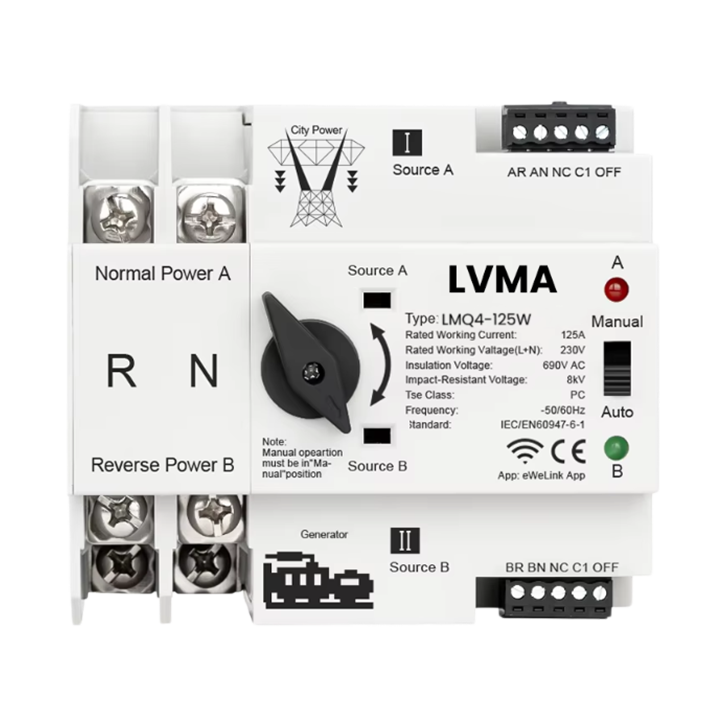
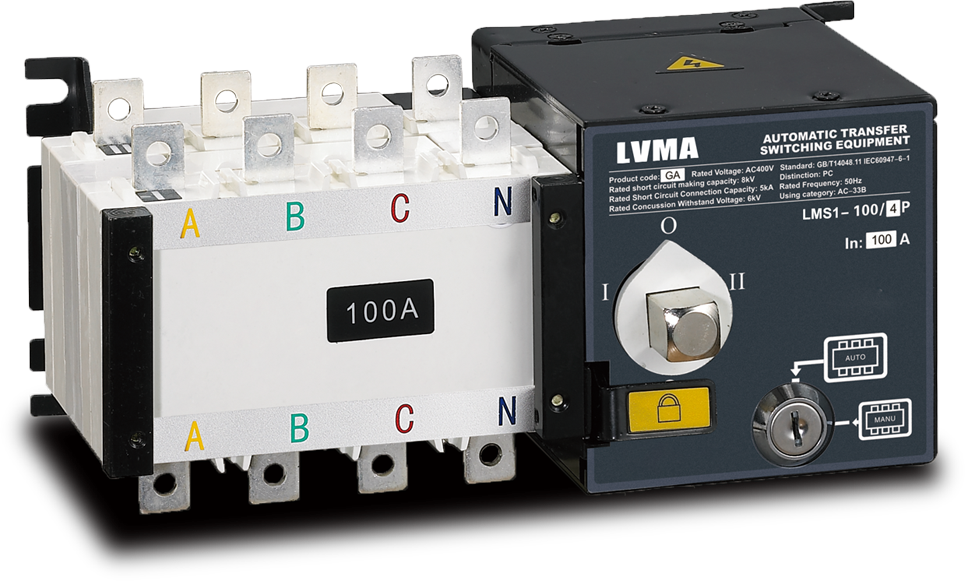
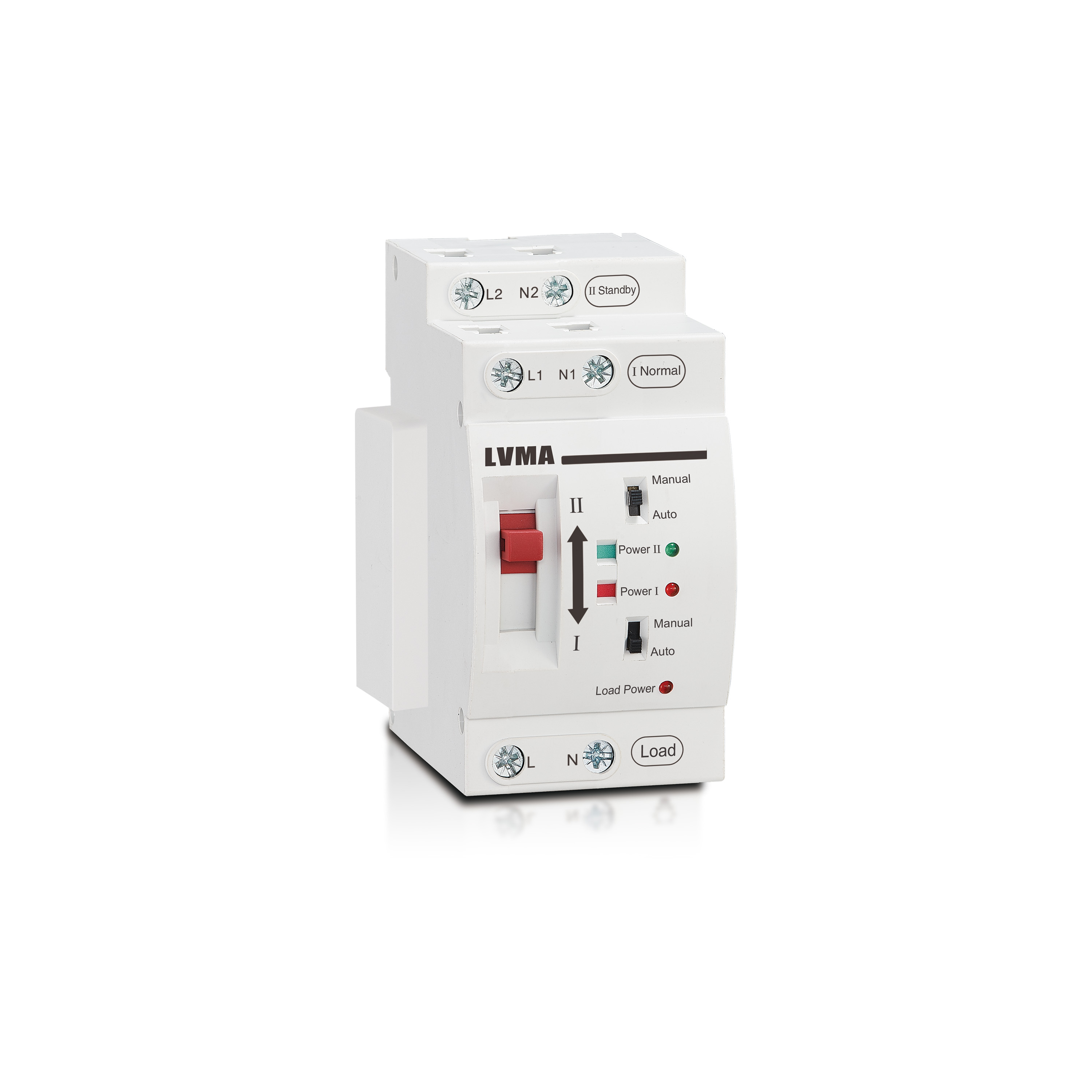
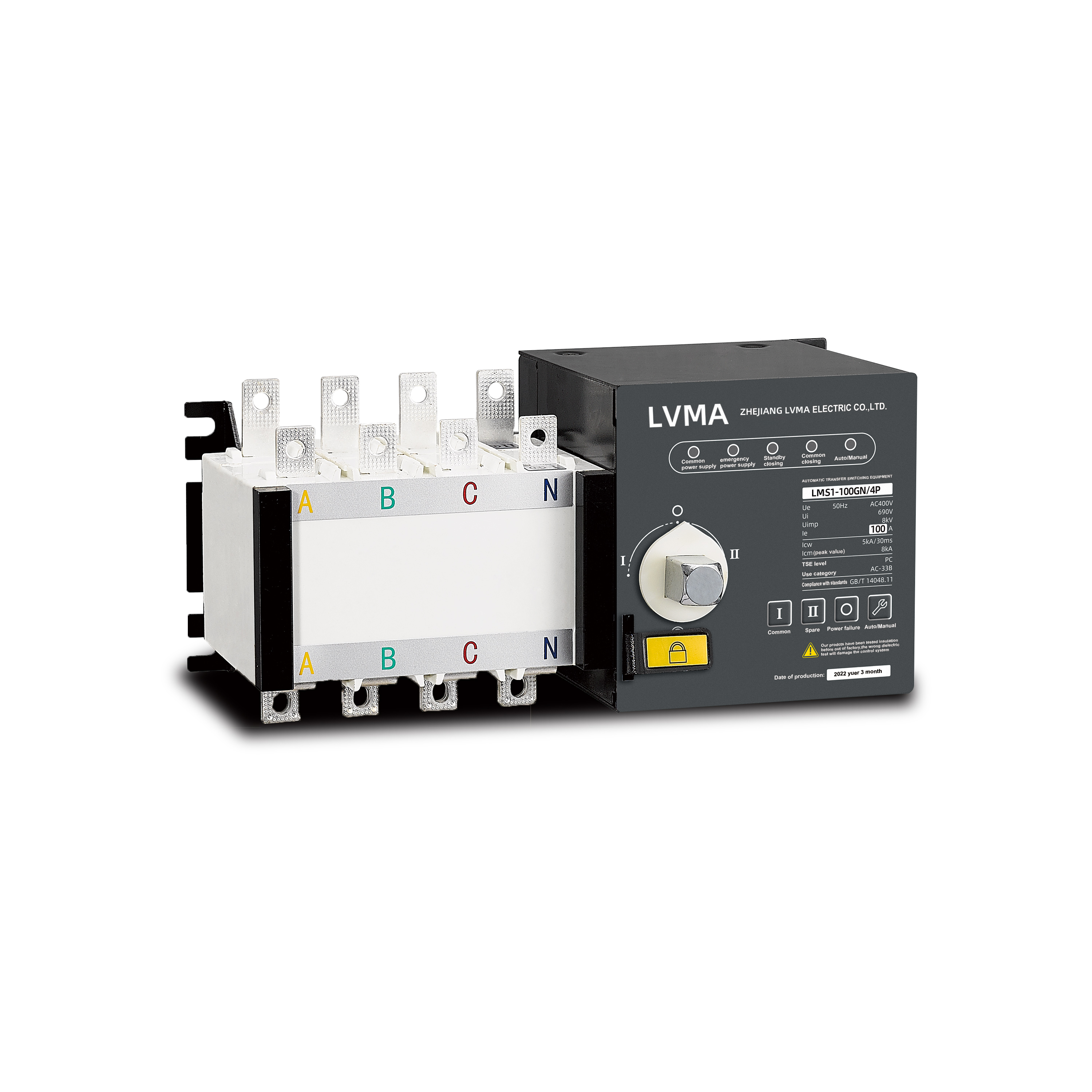
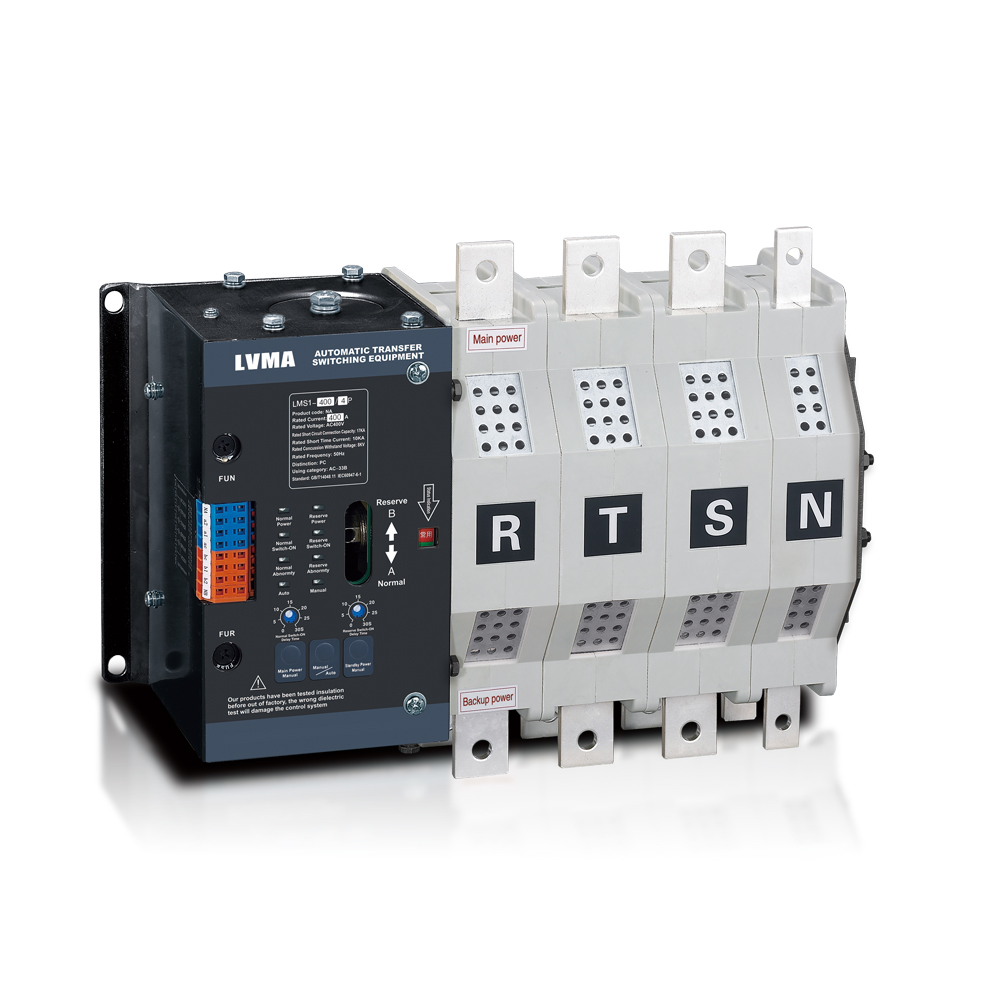
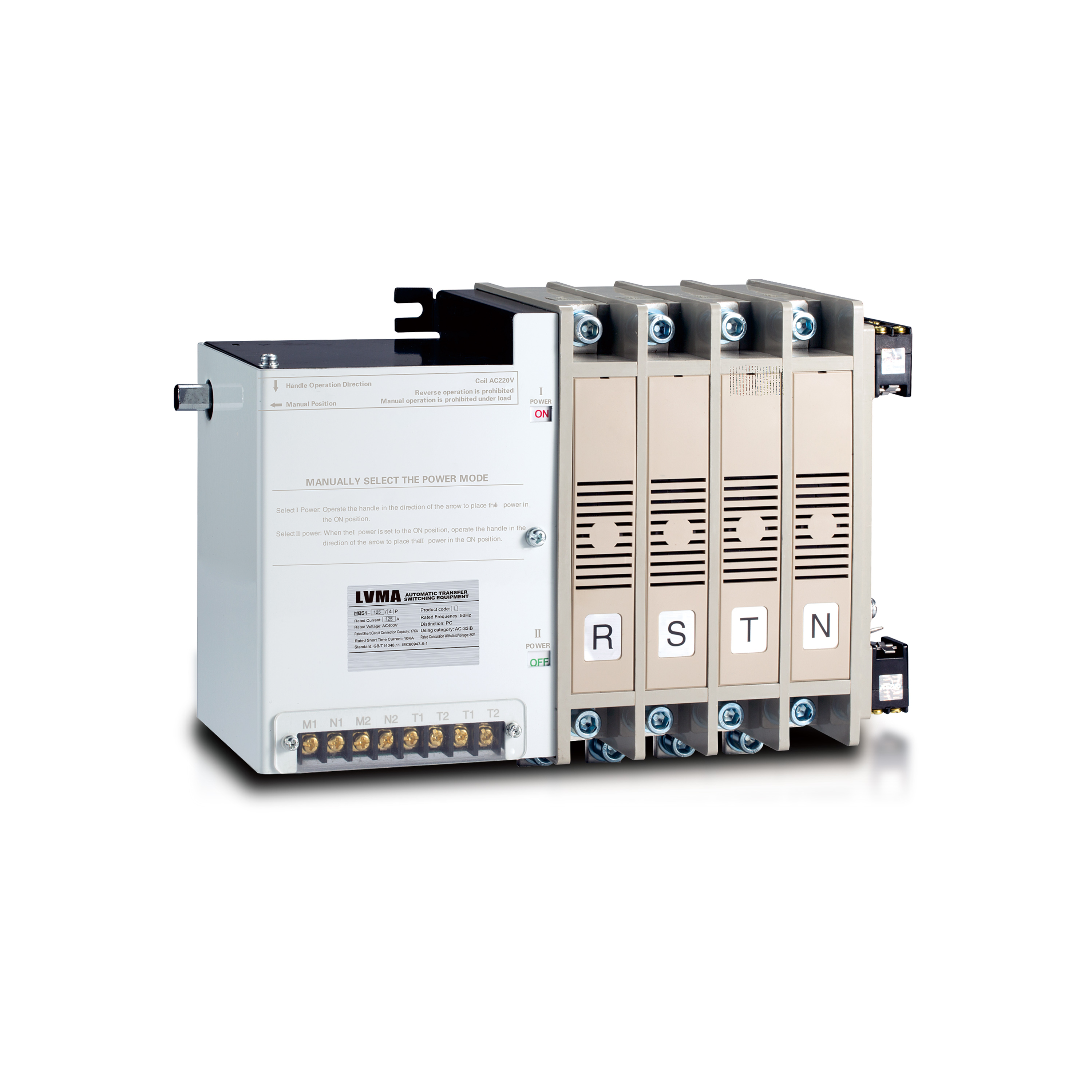
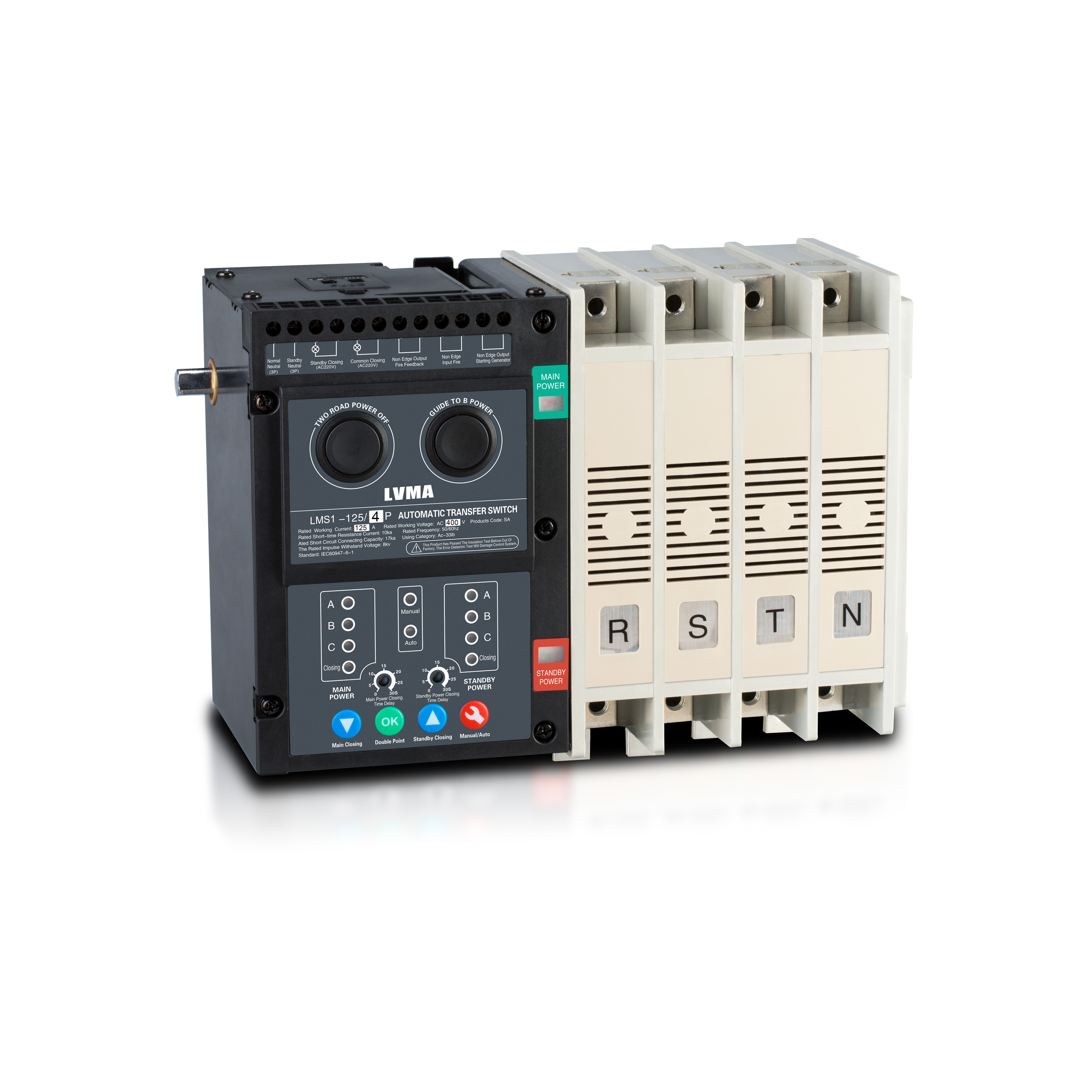
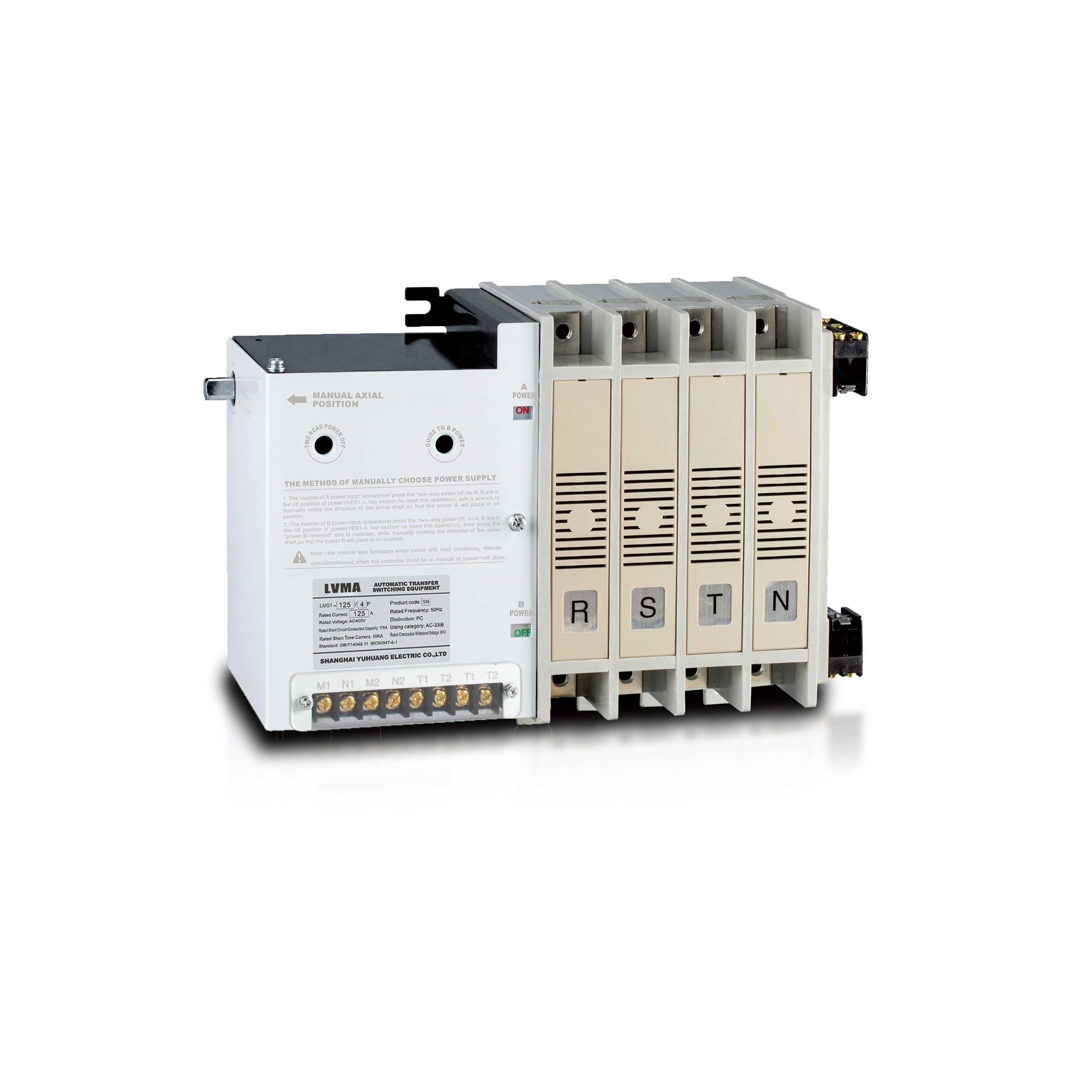
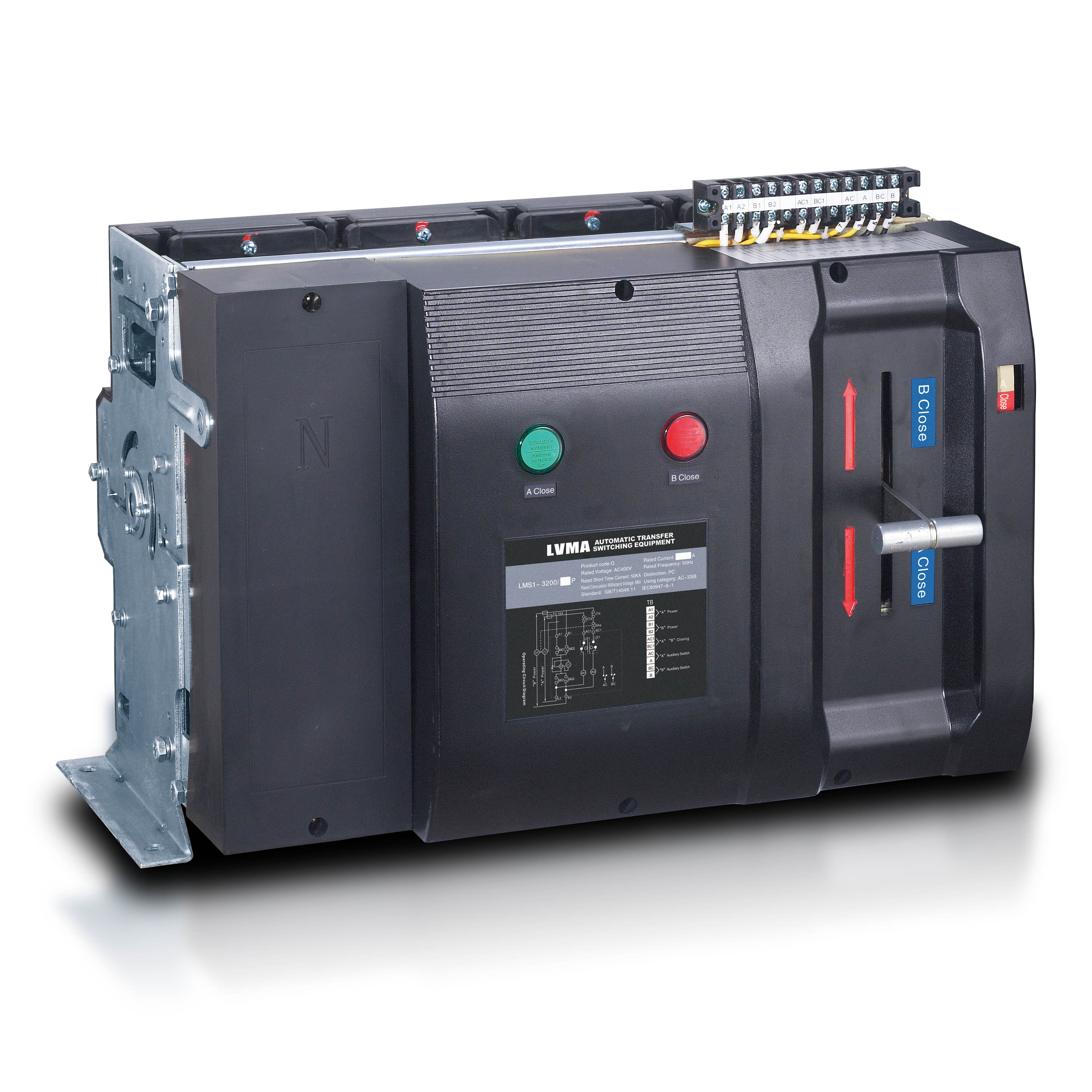
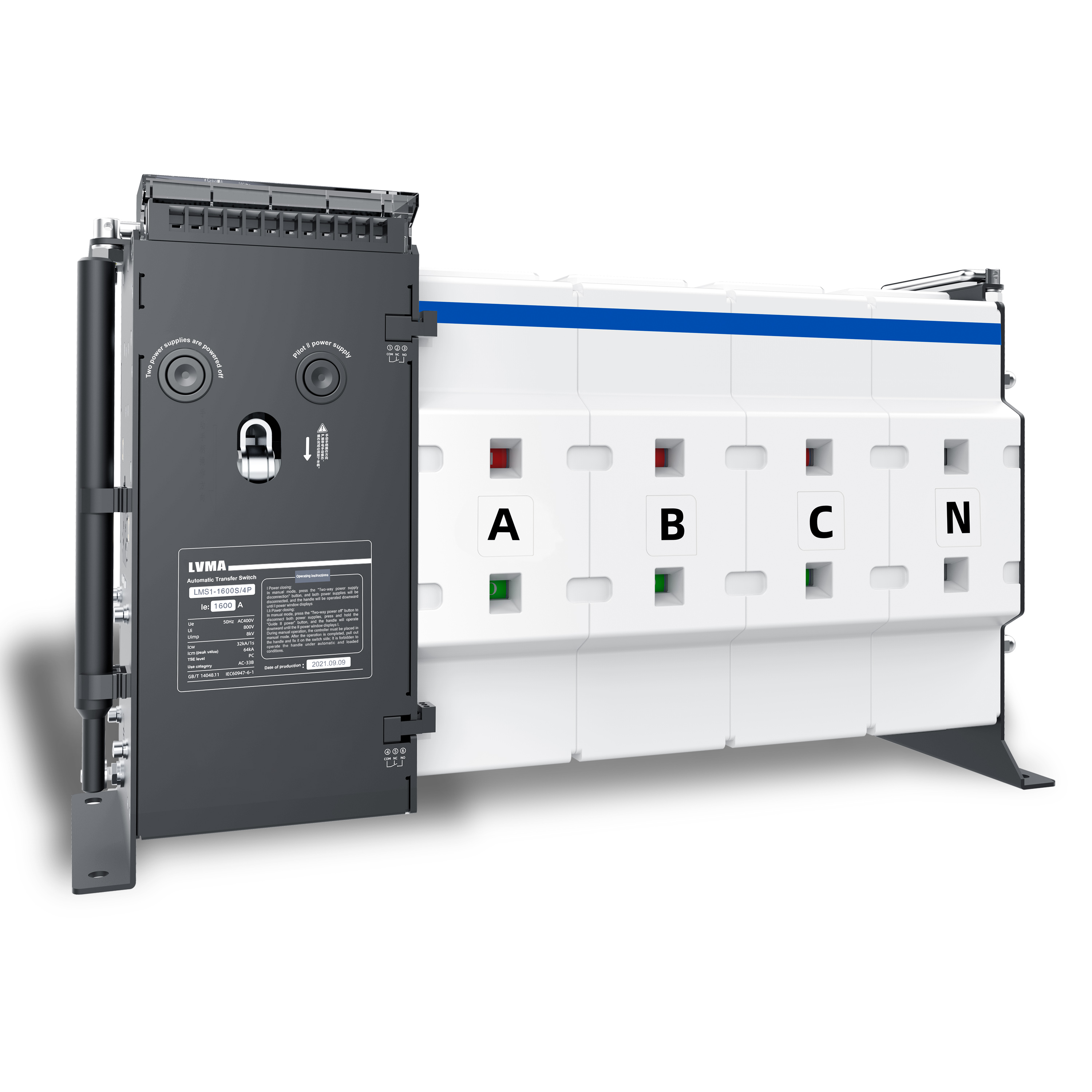
The 1200A ATS is crucial in electrical systems. It ensures seamless transitions between power sources. Properly implementing a 1200a Automatic Transfer Switch can enhance the reliability of electrical supply. According to industry reports, up to 80% of power failures can be mitigated with effective switch management.

When looking at performance, regular maintenance is vital. It’s easy to overlook this aspect. Neglect may lead to unexpected outages. Data shows that unmaintained switches can reduce operational efficiency by 30%. This highlights the importance of consistent checks and updates.

Understanding load analysis is equally important. Balancing the load across different circuits prevents overheating. An overloaded ATS can result in costly failures. Research indicates that a well-calibrated switch can improve energy use by nearly 25%. Without monitoring, this potential benefit is lost. Embracing best practices is not just about having a 1200A Automatic Transfer Switch; it's about using it wisely.

Key Performance Indicators for Evaluating ATS Efficiency

When evaluating the efficiency of your ATS, focus on key performance indicators (KPIs). These metrics provide actionable insights on system performance. Examples include time-to-hire, candidate quality, and user satisfaction. Each of these indicators paints a picture of how the ATS supports your recruitment processes.

Time-to-hire is crucial. It tracks how long it takes to fill a position. A longer time might indicate workflow issues or inefficient searches. However, if hiring managers prioritize quality, this delay could lead to better candidates. It’s important to find a balance.

Candidate quality is another significant KPI. Assess how many top candidates make it through your pipeline. A low percentage might signal problems with job descriptions or screening processes. Regularly reviewing this metric helps refine your approach. Lastly, consider user satisfaction. Regular feedback from hiring teams about the ATS can reveal areas needing improvement. Embrace this feedback, and identify pain points. Acknowledging imperfections in your ATS usage leads to better strategies in the long run.

Routine Maintenance Practices to Enhance ATS Longevity

Keeping your 1200A ATS functioning properly requires regular maintenance. This practice not only enhances performance but also extends its lifespan. Inspect connections for corrosion and ensure they are tight. Loose connections can lead to overheating and failure.

Routine testing is essential. Monthly tests can help identify potential problems. Check the functionality of controls and alarms. Regularly changing filters and coolant can improve operational efficiency. Visual inspections should look for any signs of wear or damage.

Don’t forget the importance of documentation. Keeping records of maintenance helps track performance trends. A lack of proper feedback can make it difficult to spot ongoing issues. While maintenance can feel repetitive, each task is crucial for optimal performance.

Analyzing Load Capacity to Optimize ATS Performance

2026 How to Maximize Your 1200a Ats for Optimal Performance?

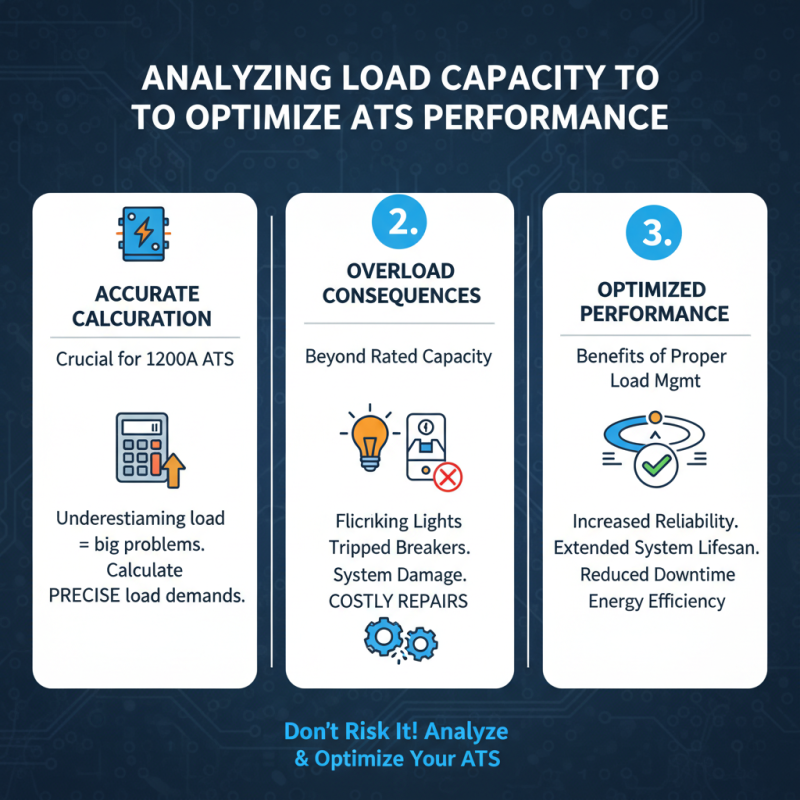
Optimizing the performance of a 1200a ATS requires a careful analysis of load capacity. Many users underestimate the importance of calculating load demands accurately. When the load exceeds the switch's rated capacity, issues arise. Flickering lights and tripped breakers can signal that something is off. An overload can damage the system over time, leading to costly repairs.

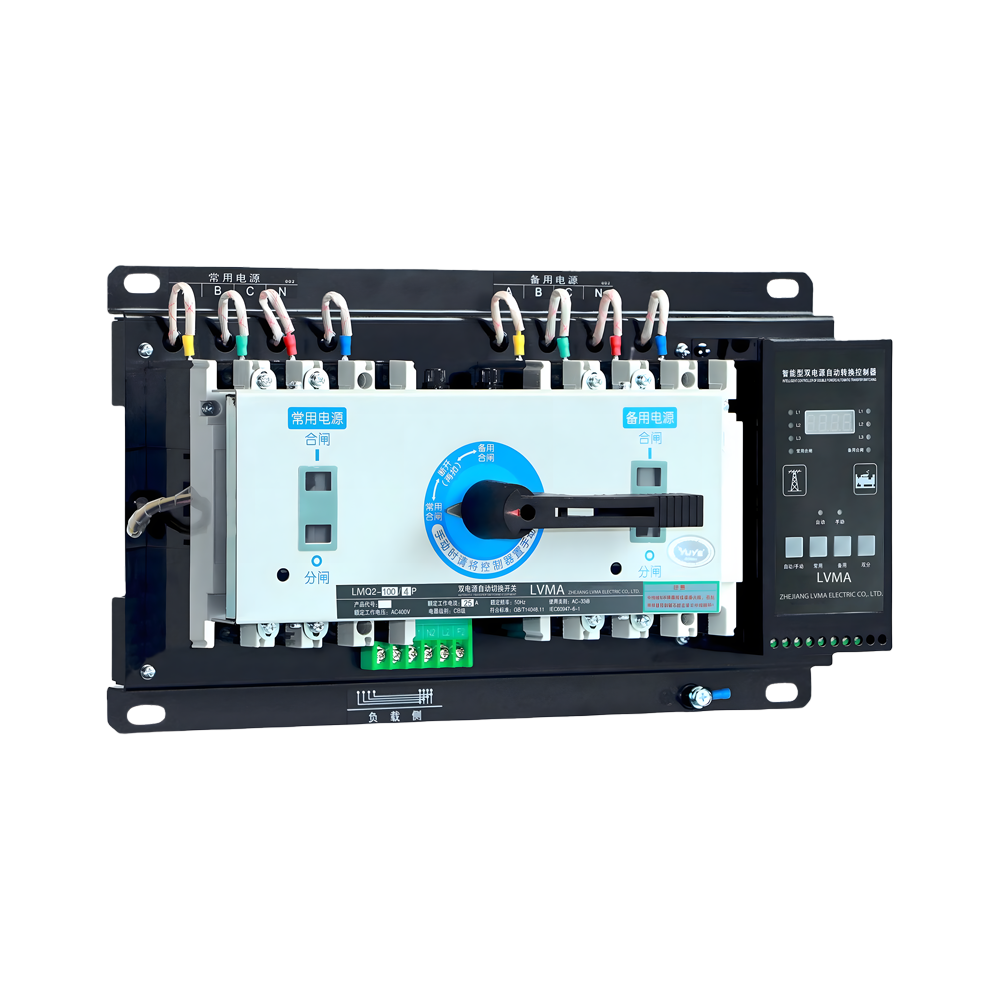
To achieve optimal performance, regularly reviewing your 1200a Manual Transfer Switch is essential. Load balancing is critical. Distributing the load evenly can help prevent overheating and inefficiency. Monitoring tools can provide real-time data, revealing any irregular usage patterns. However, relying solely on technology is risky. Manual checks can help catch problems early.

Assessing the load's nature also matters. Inductive loads, like motors, can draw more current at startup. This can strain the system if not anticipated. It's wise to reconsider load connections based on their impact on the switch. Detailed records help in understanding usage trends. Frequent adjustments might seem tedious but are necessary for long-term efficiency.

Implementing Advanced Control Systems for ATS Management

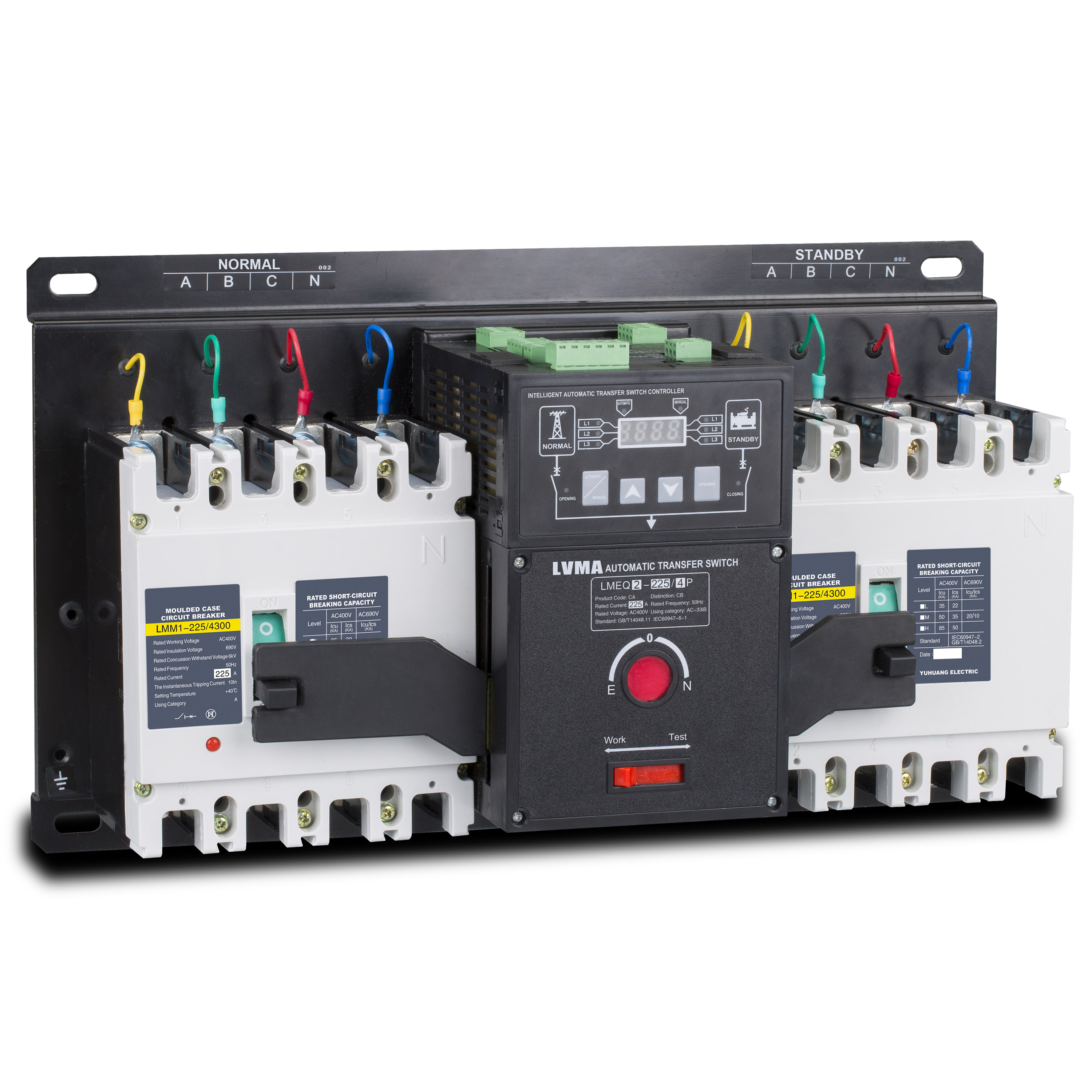
Implementing advanced control systems for ATS management can enhance performance significantly. According to recent industry reports, efficient ATS configurations can boost operational efficiency by up to 25%. Advanced control systems allow for real-time monitoring and adjustments, optimizing load distribution and reducing downtime.

Data shows that incorporating predictive analytics into ATS management can further increase reliability. Predictive maintenance can reduce the likelihood of unexpected failures by up to 30%. Yet, many organizations overlook the need for regular assessments of their ats 3200 systems. This neglect can result in missed opportunities for optimization.

Some companies experience challenges with integration. Legacy systems often hinder the adoption of new control technologies. These obstacles can create gaps in performance that some may not even notice. Updating infrastructure while managing costs requires a balanced approach. Overall, it's crucial to recognize areas for improvement to maximize the full potential of ATS systems.

Safety Protocols and Compliance Standards for ATS Operations

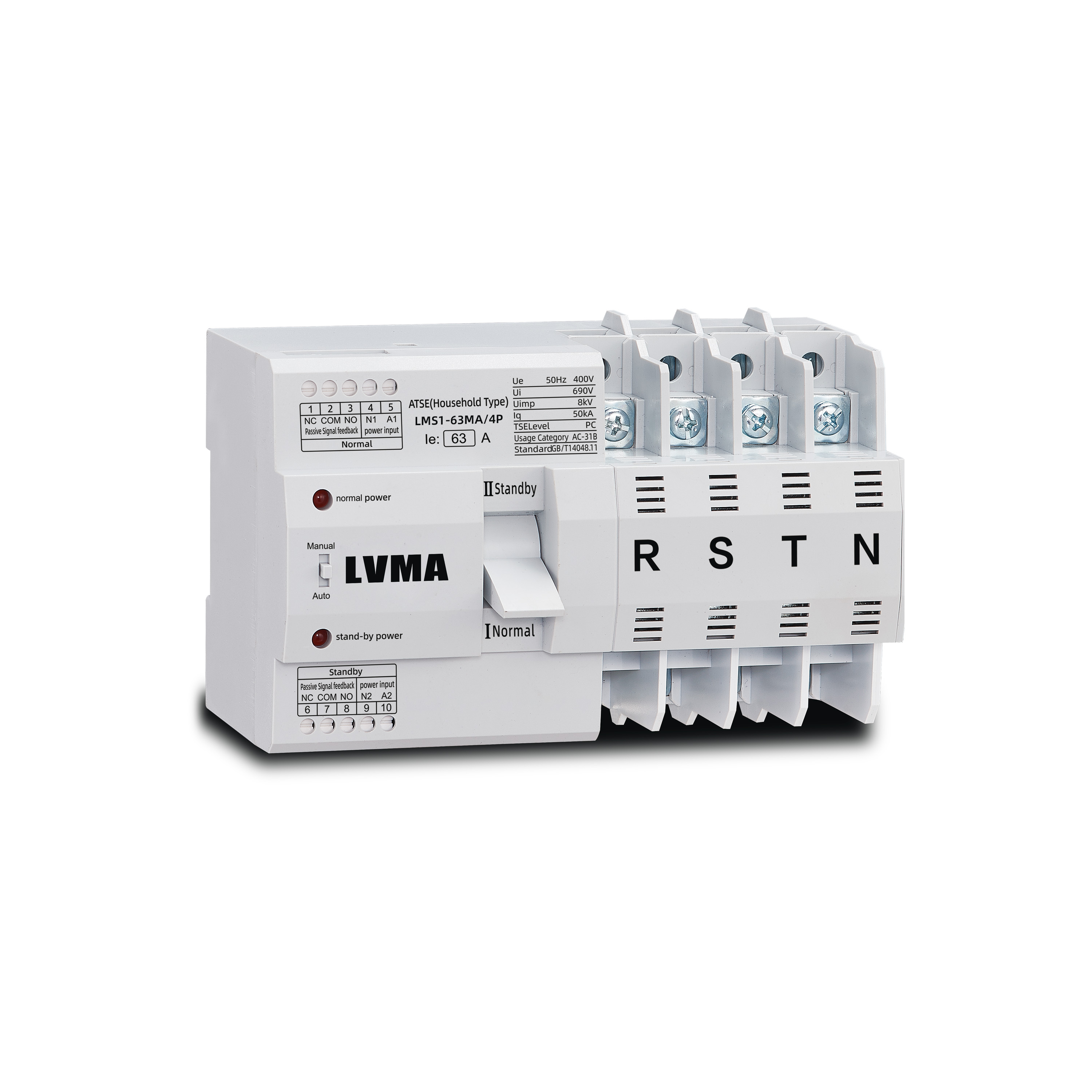
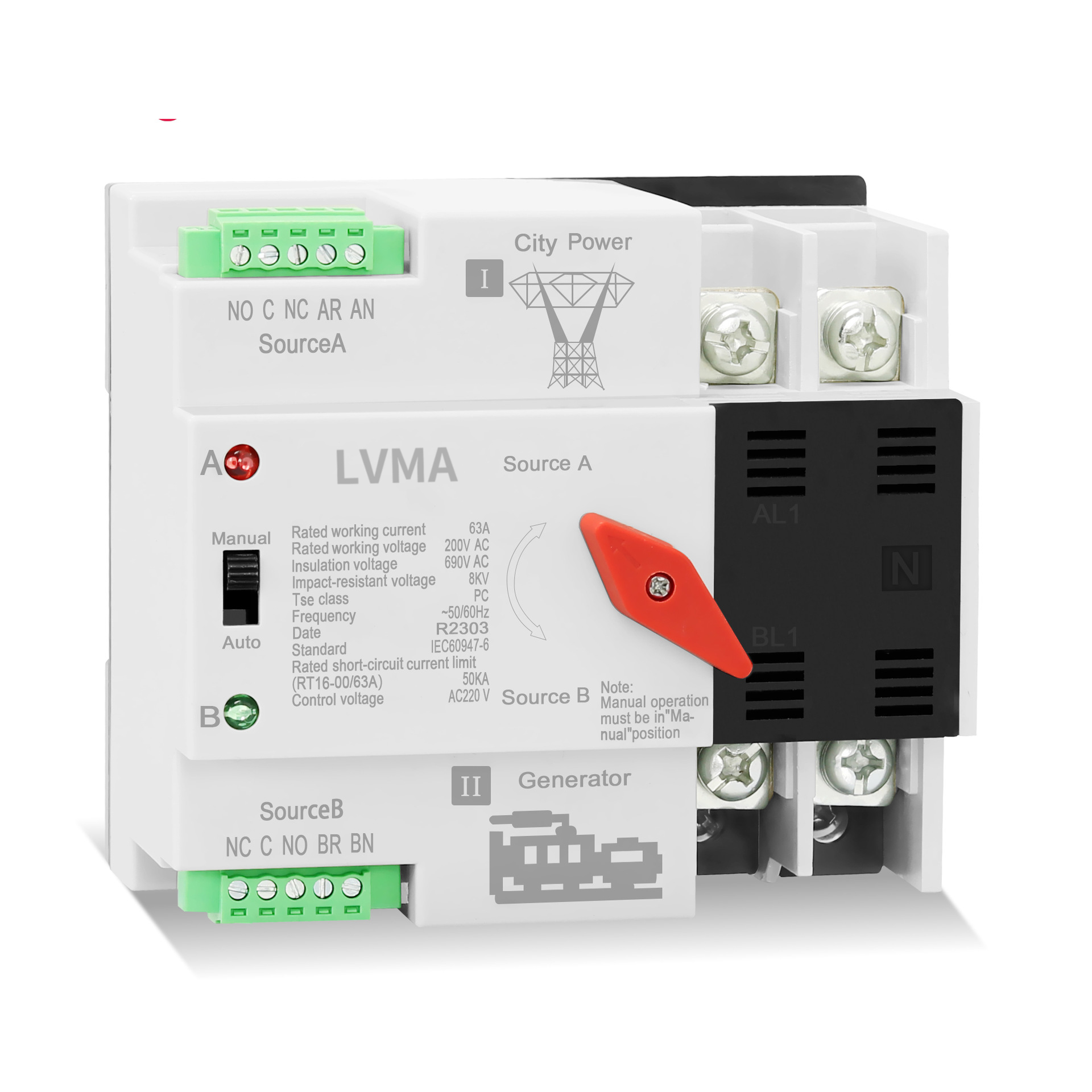
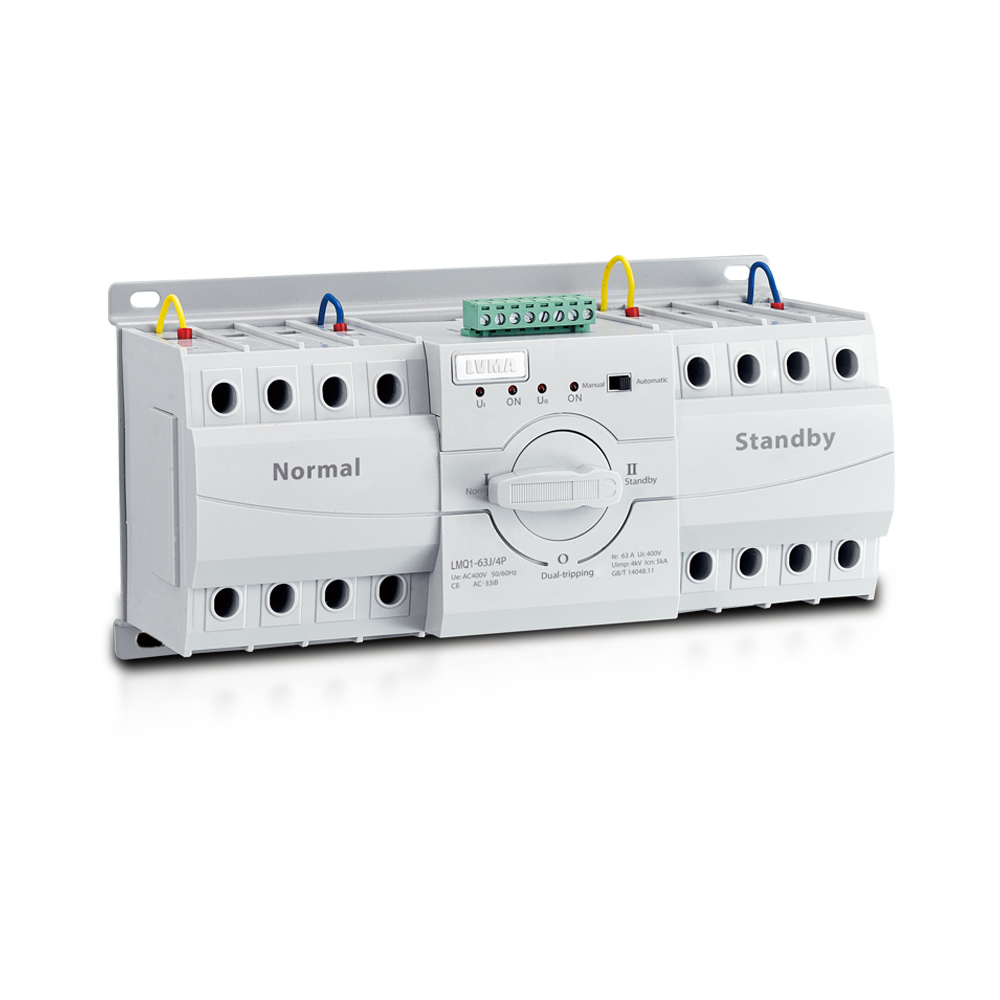
In the realm of automated transfer switches (ATS), safety protocols are paramount. According to recent industry reports, approximately 30% of ATS failures arise from non-compliance with safety standards. Ensuring compliance with these standards prevents costly downtime. Proper installation and routine testing of devices like the ats 63A is essential. This helps maintain functionality and uphold safety regulations.

Many operators overlook regular inspections. This can lead to deteriorating components or unexpected failures. It's crucial to document all maintenance activities. A lack of documentation hampers accountability and hinders efficiency. Stakeholders must prioritize training for personnel involved in ATS operations. Equipped staff are better prepared to implement and adhere to safety protocols.

The influence of proper grounding cannot be overstated. A grounded ATS 63A significantly reduces the risk of electrical shock and equipment damage. Compliance with National Electrical Code (NEC) guidelines should be a routine practice. Non-compliance not only compromises safety but could lead to legal ramifications. Continuous education on these standards is a vital part of operational excellence in ATS management.

Maximizing Your 1200a ATS Performance

This chart illustrates the performance metrics of a typical 1200a Automatic Transfer Switch (ATS) over a six-month period, focusing on parameters like switching time, load handling, and compliance with safety protocols.

Leveraging Data Analytics for ATS Performance Optimization

In today's competitive landscape, maximizing an ATS for peak performance is crucial. Data analytics plays a pivotal role in achieving this goal. Analyzing user data helps identify bottlenecks and inefficiencies within the ATS. By understanding user engagement patterns, organizations can hone their systems. There are often overlooked metrics. These hidden gems can provide valuable insights that improve decision-making processes.

Integrating advanced analytics tools is essential. These tools can track candidate interactions in real-time. By studying these interactions, teams can refine their approach. Predictive analytics can even forecast hiring needs. The importance of this capability cannot be overstated. However, relying solely on algorithms may lead to blind spots. A balance between data and human insight is necessary.

Reflecting on past performance is crucial too. Discerning patterns from failures can yield significant lessons. This requires a readiness to adapt and evolve continuously. Regular audits of ATS processes can reveal unexpected issues. Are users satisfied with the current setup? Gathering feedback can illuminate areas for improvement and opportunities for better alignment with user needs.

Maximizing Efficiency and Reliability with the LMS1-GN 250A Automatic Transfer Switch: A Comprehensive Guide

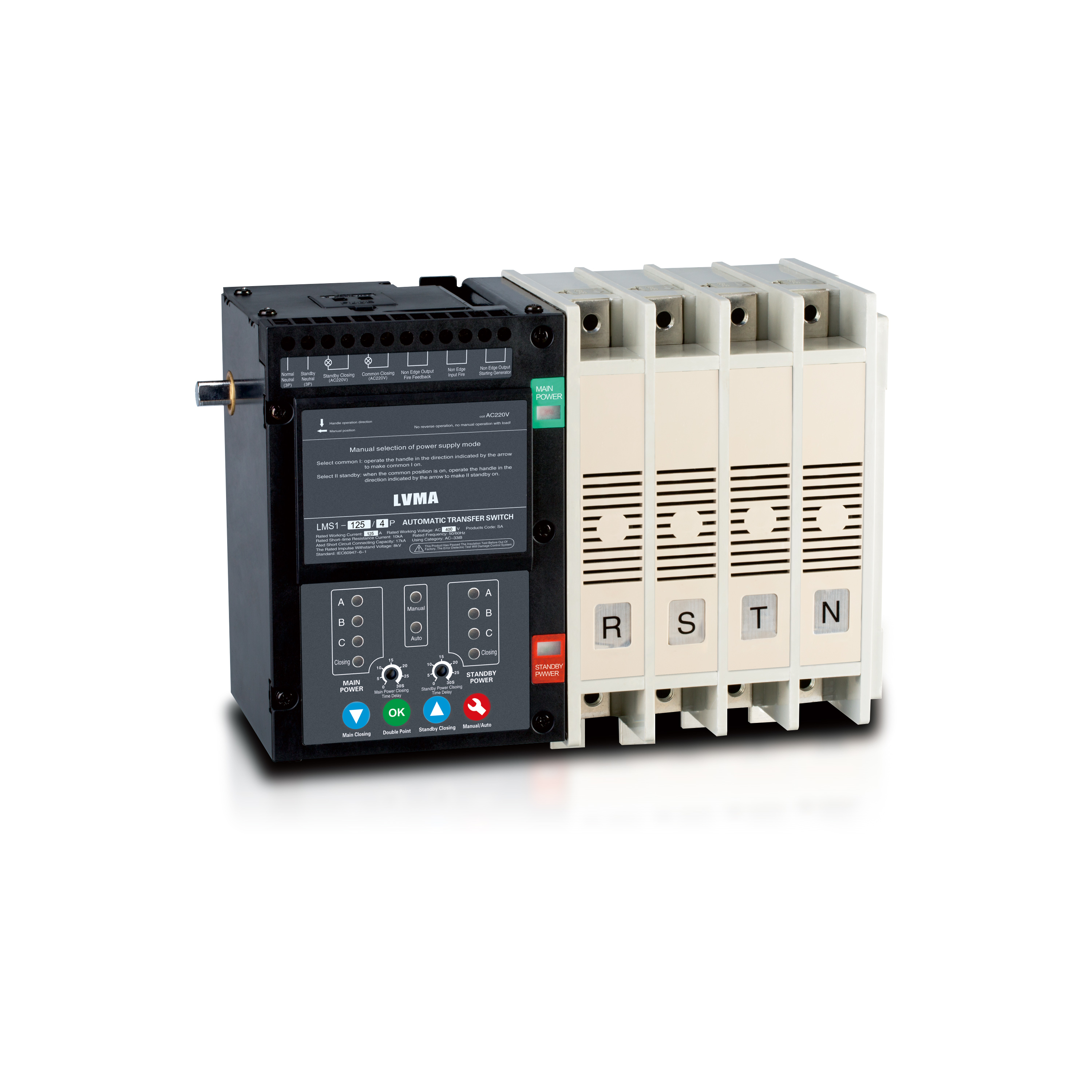
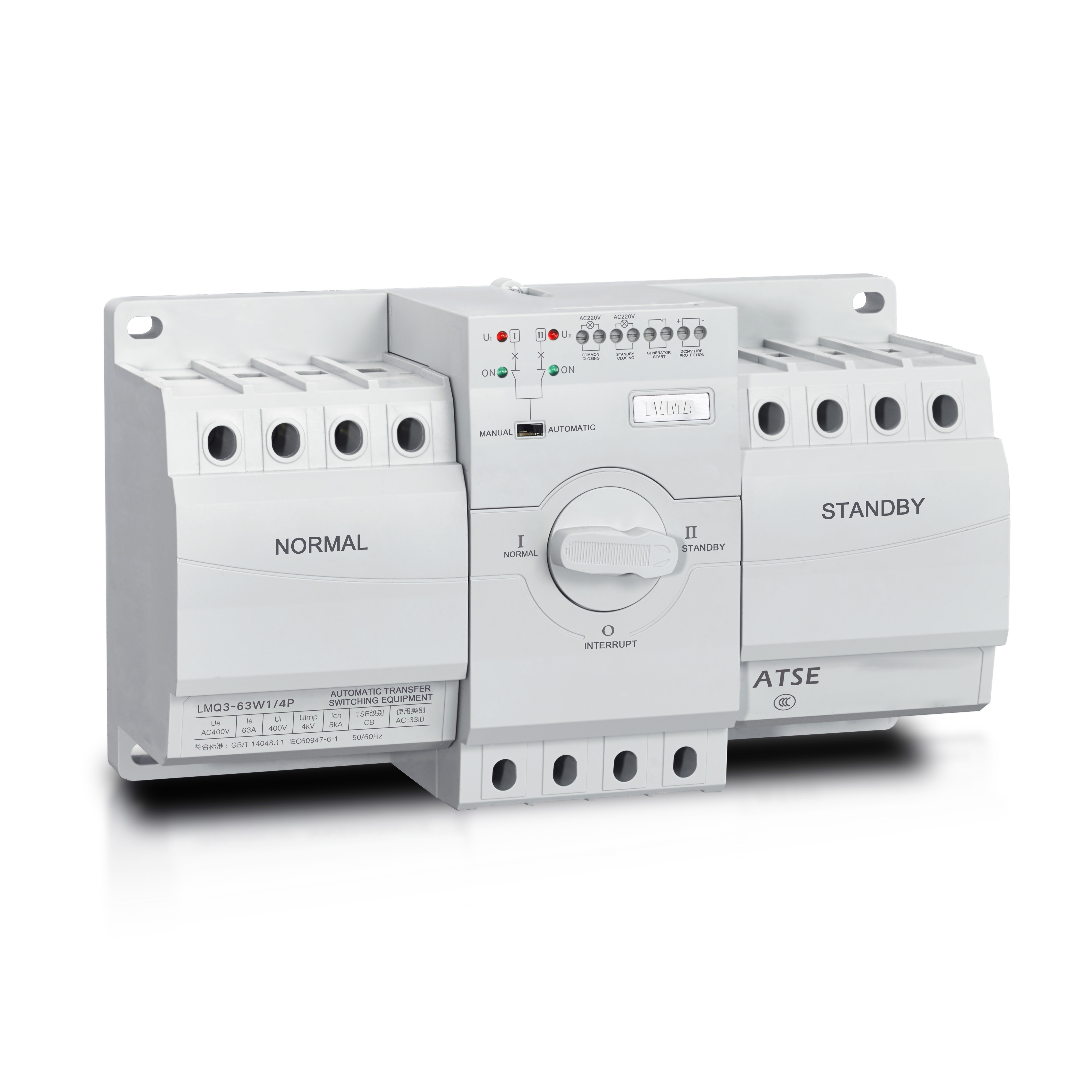
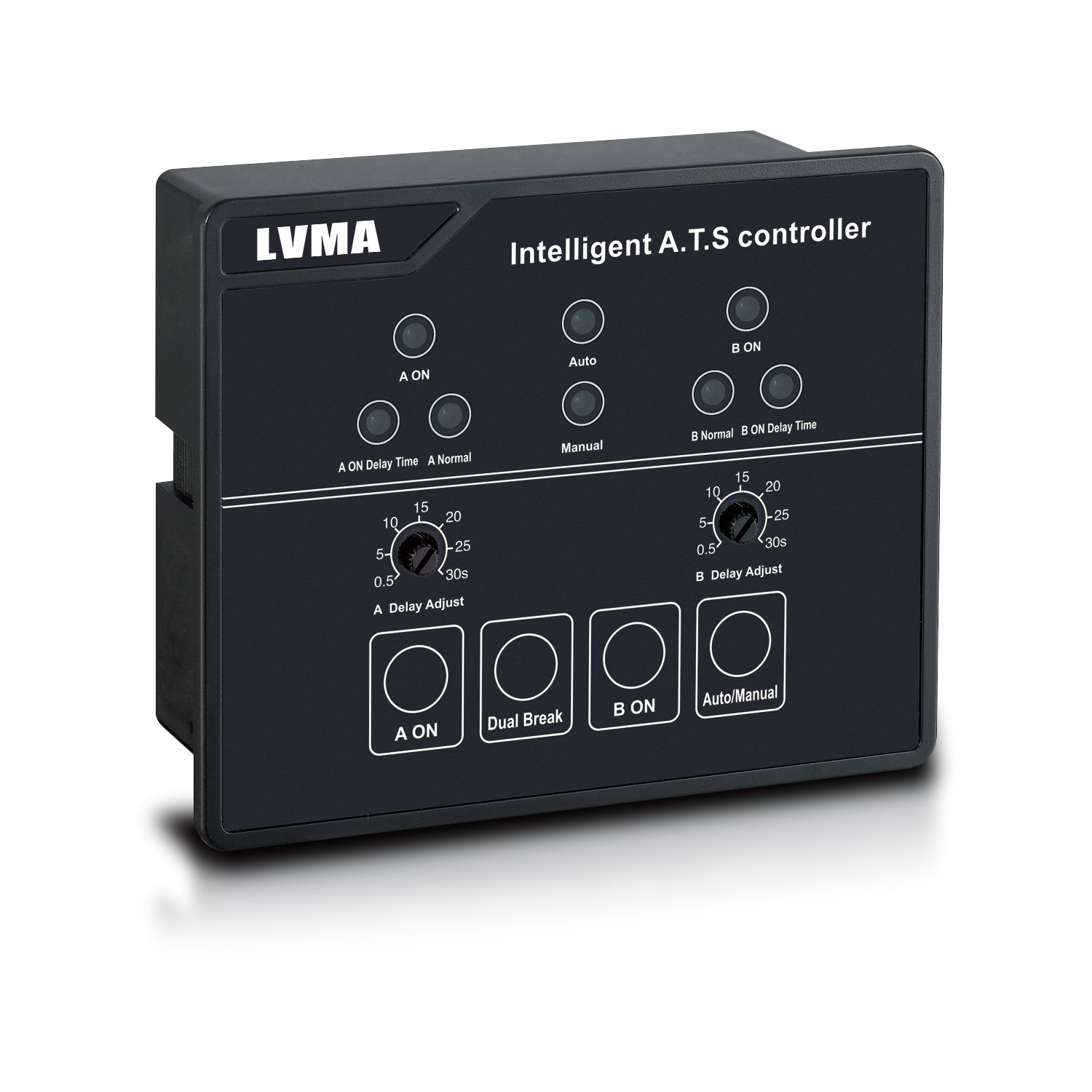
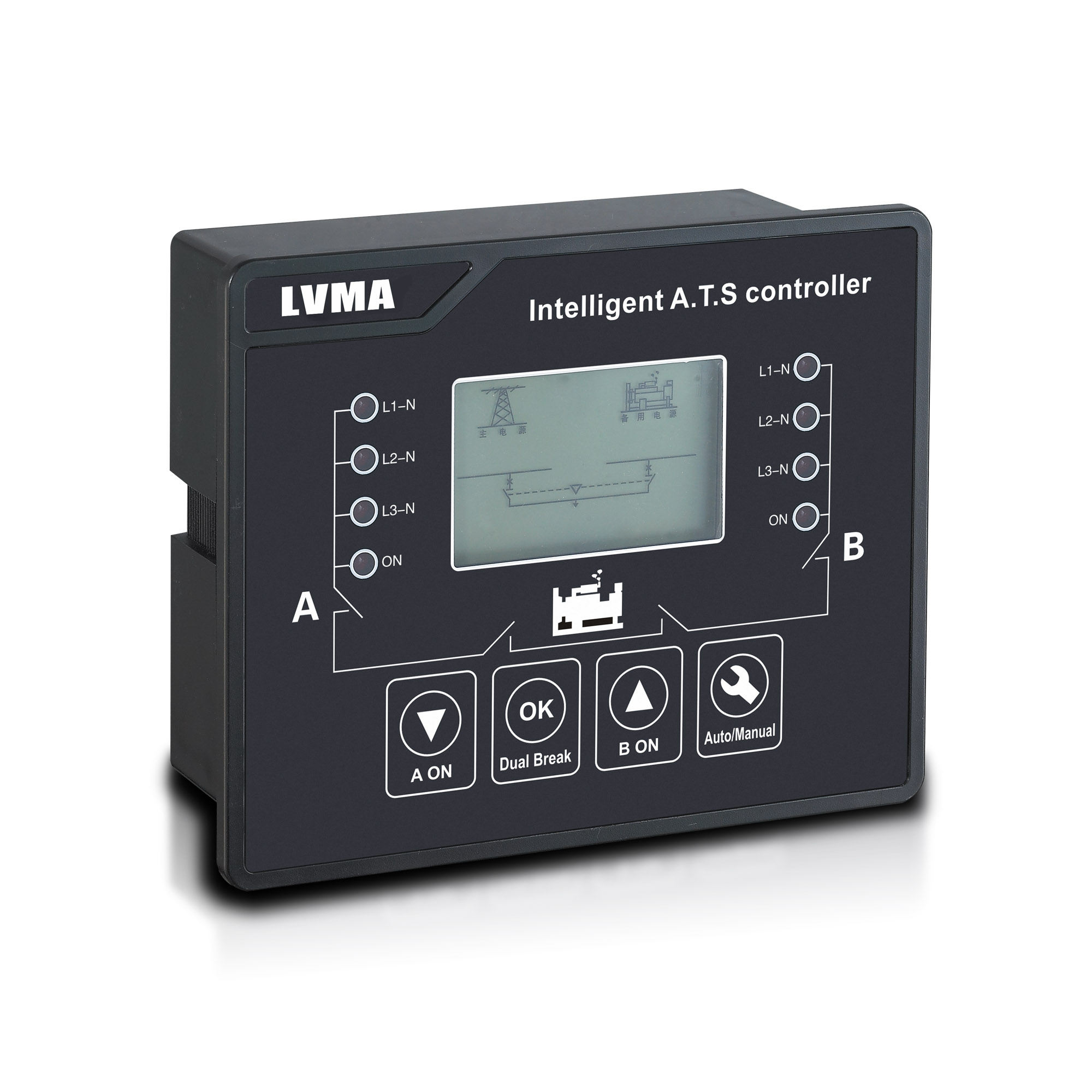
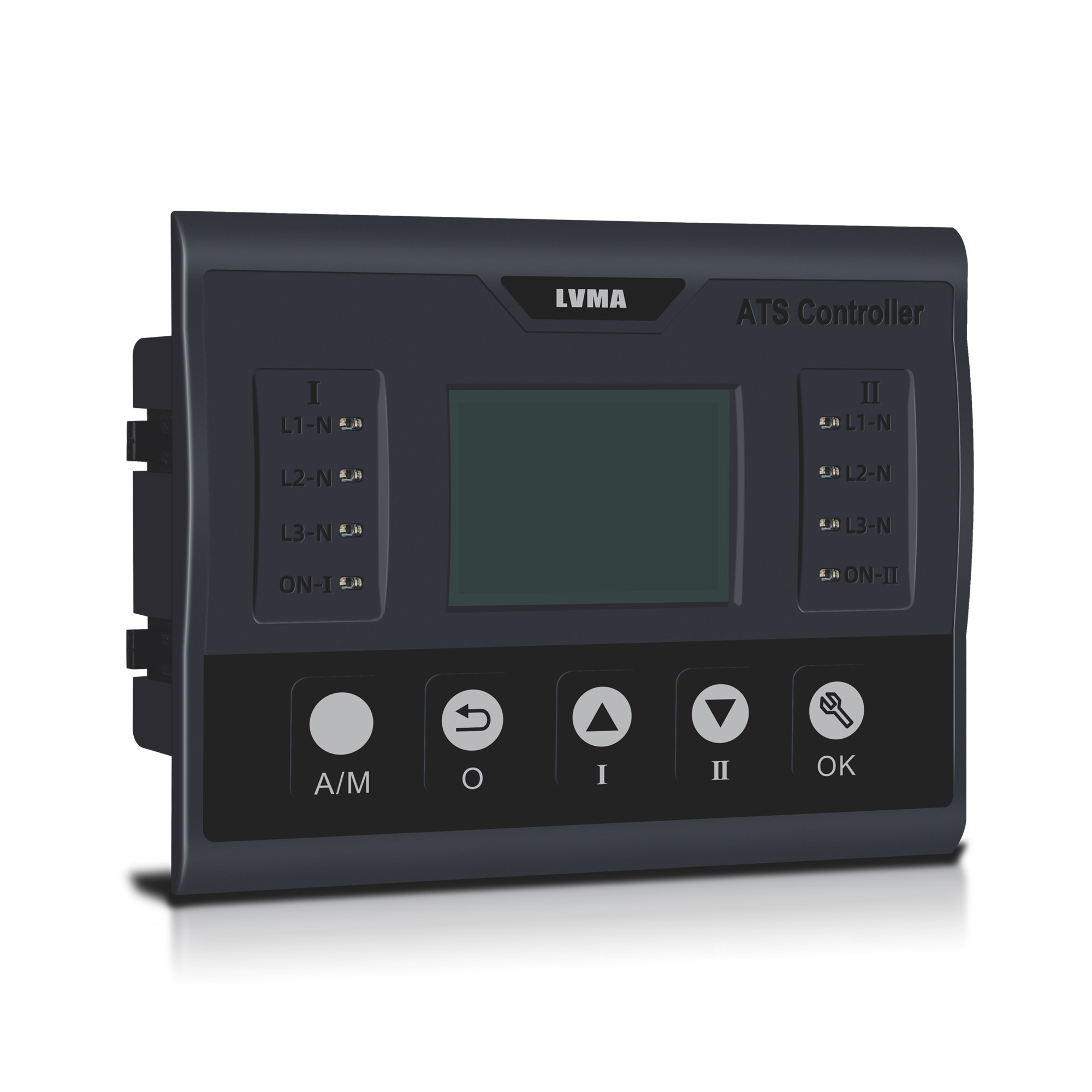
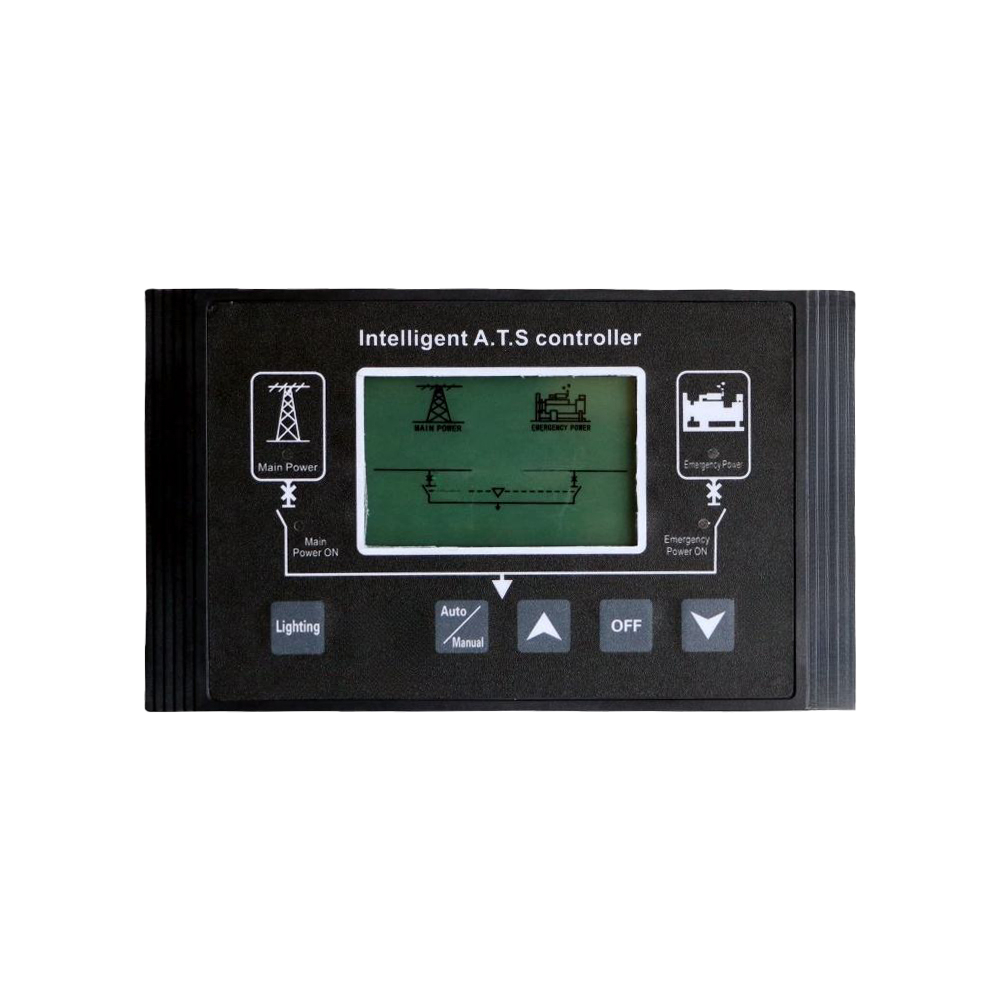
The LMS1-GN 250A Automatic Transfer Switch is designed to enhance efficiency and reliability in various applications. This guide highlights its features that make it an essential component for ensuring uninterrupted power supply. With a rated working voltage of AC400V and a working current range from 16A to 3200A, the LMS1-GN is versatile enough to accommodate a range of electrical loads. Its construction adheres to stringent standards, ensuring it meets the requirements for various installations.

One of the standout features of the LMS1-GN is its built-in automatic transfer switch controller, which facilitates seamless transitions between power sources. This ensures that critical systems remain powered, effectively minimizing downtime in case of a power outage. The motor-driven operation adds an additional layer of reliability, as it provides consistent performance over time. With certification from recognized standards and a robust design tailored for both 3P and 4P configurations, the LMS1-GN is built to withstand the rigors of demanding environments, making it an ideal choice for both commercial and industrial applications.

FAQS

: What are key performance indicators (KPIs) for

TS efficiency?

Why is time-to-hire important?

It tracks how long it takes to fill positions. Longer times may indicate workflow issues or inefficient searches.

How can candidate quality be assessed?

Assess the percentage of top candidates progressing through your pipeline. A low percentage may signal issues with screening.

What role does user satisfaction play in ATS?

Regular feedback from hiring teams reveals areas needing improvement. Acknowledging this feedback helps refine ATS usage.

How can advanced control systems improve ATS performance?

They enable real-time monitoring and adjustments, potentially boosting efficiency by up to 25%.

What benefit do predictive analytics provide in ATS management?

Predictive maintenance reduces unexpected failures by up to 30%. Regular assessments are essential for optimization.

What challenges might arise with ATS integration?

Legacy systems can hinder adoption of new technologies, resulting in unnoticed performance gaps.

Why is infrastructure updating important for ATS?

Balancing costs while updating infrastructure can maximize ATS potential. Recognizing areas for improvement is vital.

How often should ATS systems be assessed?

Regular assessments help identify optimization opportunities. Many organizations overlook this critical step.

What happens if feedback is ignored when using ATS?

Ignoring feedback can lead to persistent issues and missed chances for improvement. It’s essential to be reflective.

Conclusion

The article "2026 How to Maximize Your 1200A ATS for Optimal Performance" provides a comprehensive guide to enhancing the efficiency and longevity of the 1200A ATS (Automatic Transfer Switch). It begins with an understanding of the 1200A ATS's critical role in electrical systems, detailing how it facilitates seamless power transfer and enhances system reliability. The discussion includes key performance indicators that help evaluate ATS efficiency and the importance of routine maintenance practices to extend the lifespan of the equipment.

Moreover, the article emphasizes the need to analyze load capacity for optimal performance and how implementing advanced control systems can elevate ATS management. Safety protocols and compliance standards are highlighted to ensure safe operations, while leveraging data analytics is presented as a crucial strategy for ongoing performance optimization. Overall, this guide serves as an essential resource for maximizing the effectiveness of the 1200A ATS in various electrical applications.

Isabella

Isabella

Isabella is a dedicated marketing professional at Zhejiang Green Horse Electric Co., Ltd., where she leverages her extensive knowledge of the company's products to drive impactful communication and engagement. With a deep understanding of the electrical equipment industry, Isabella is committed to......
Previous Unlocking the Secrets to Finding Top Notch Suppliers for Great Ats