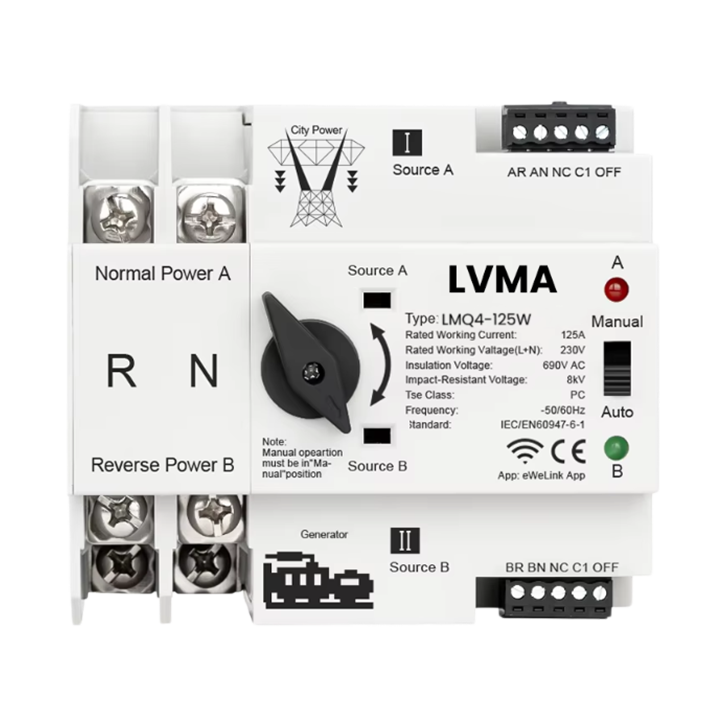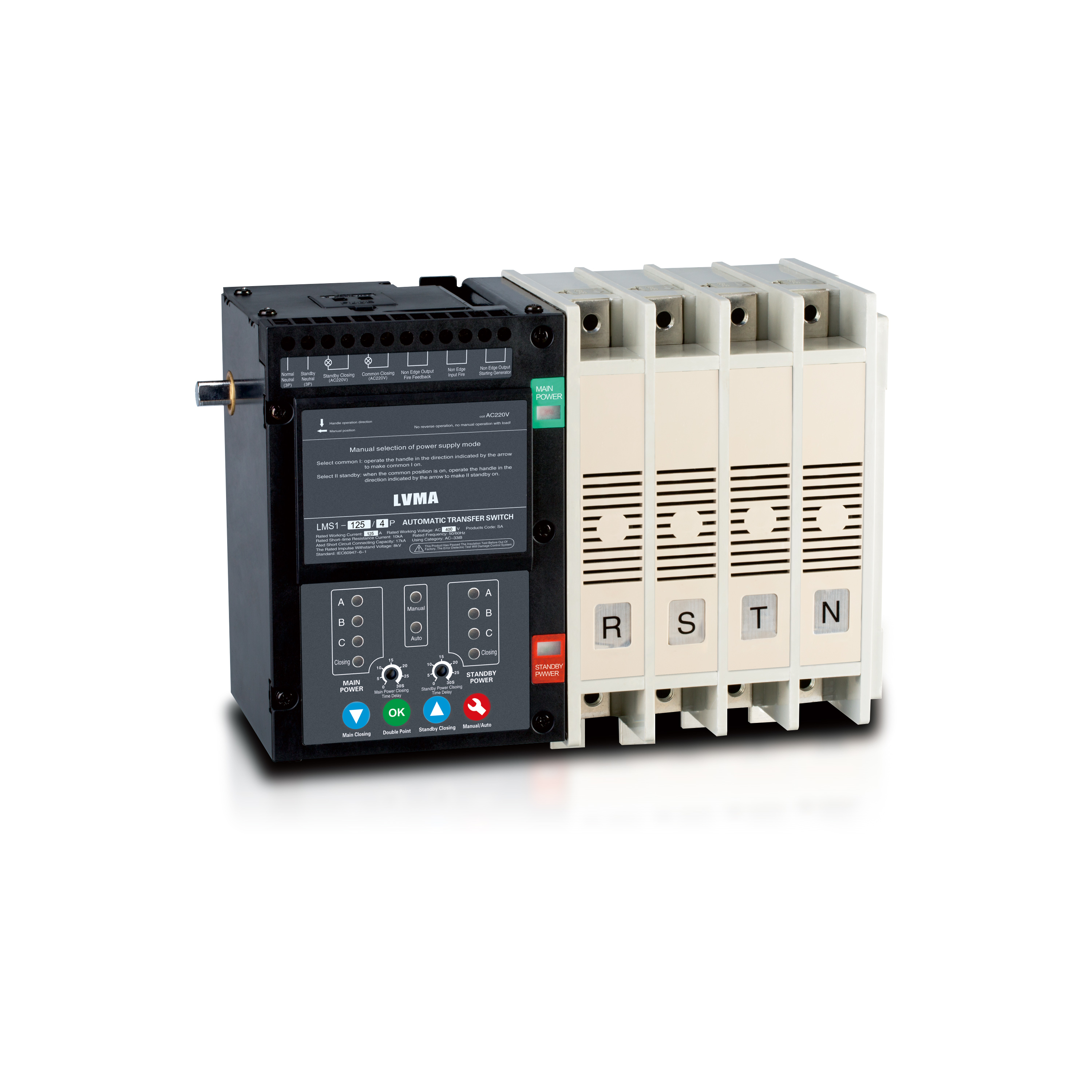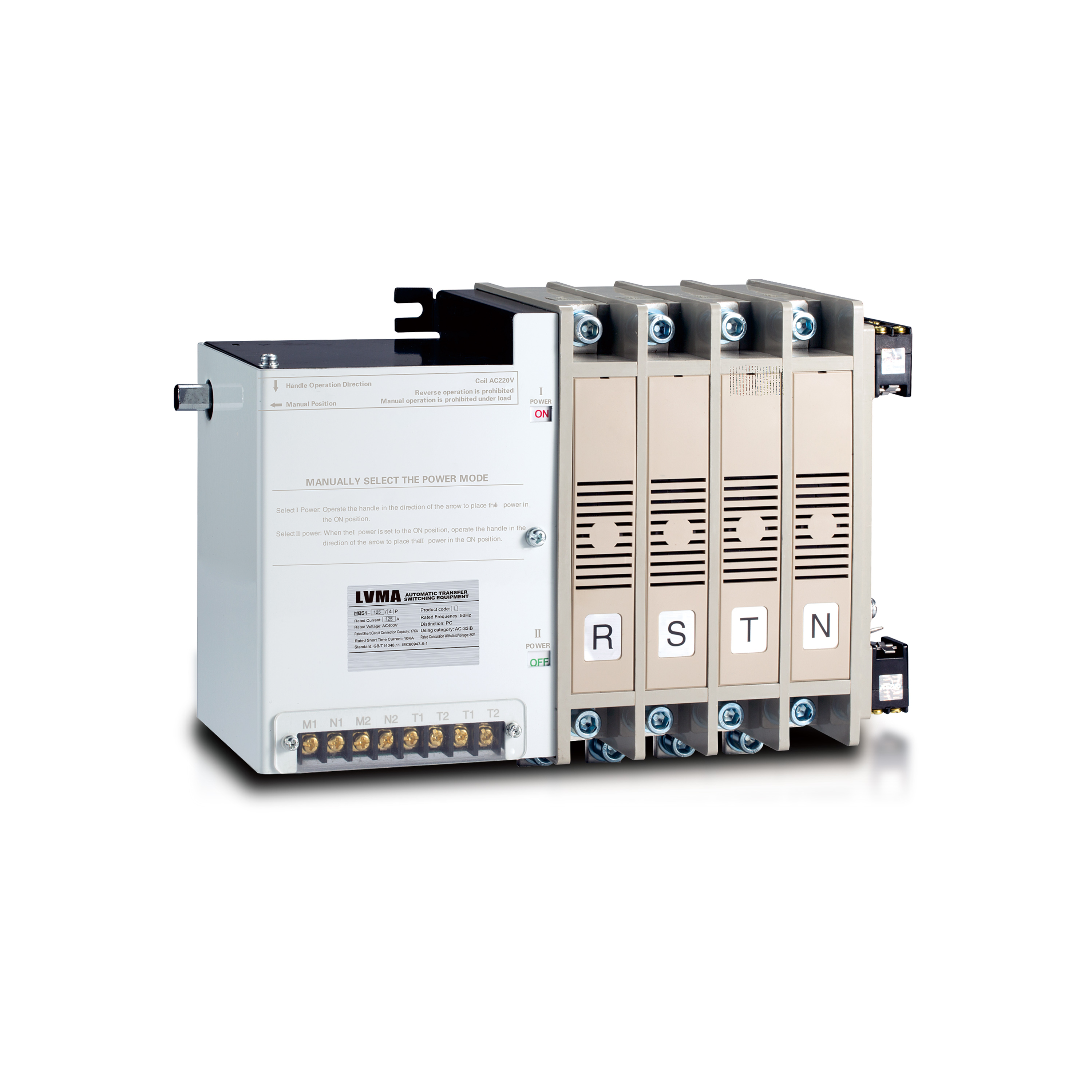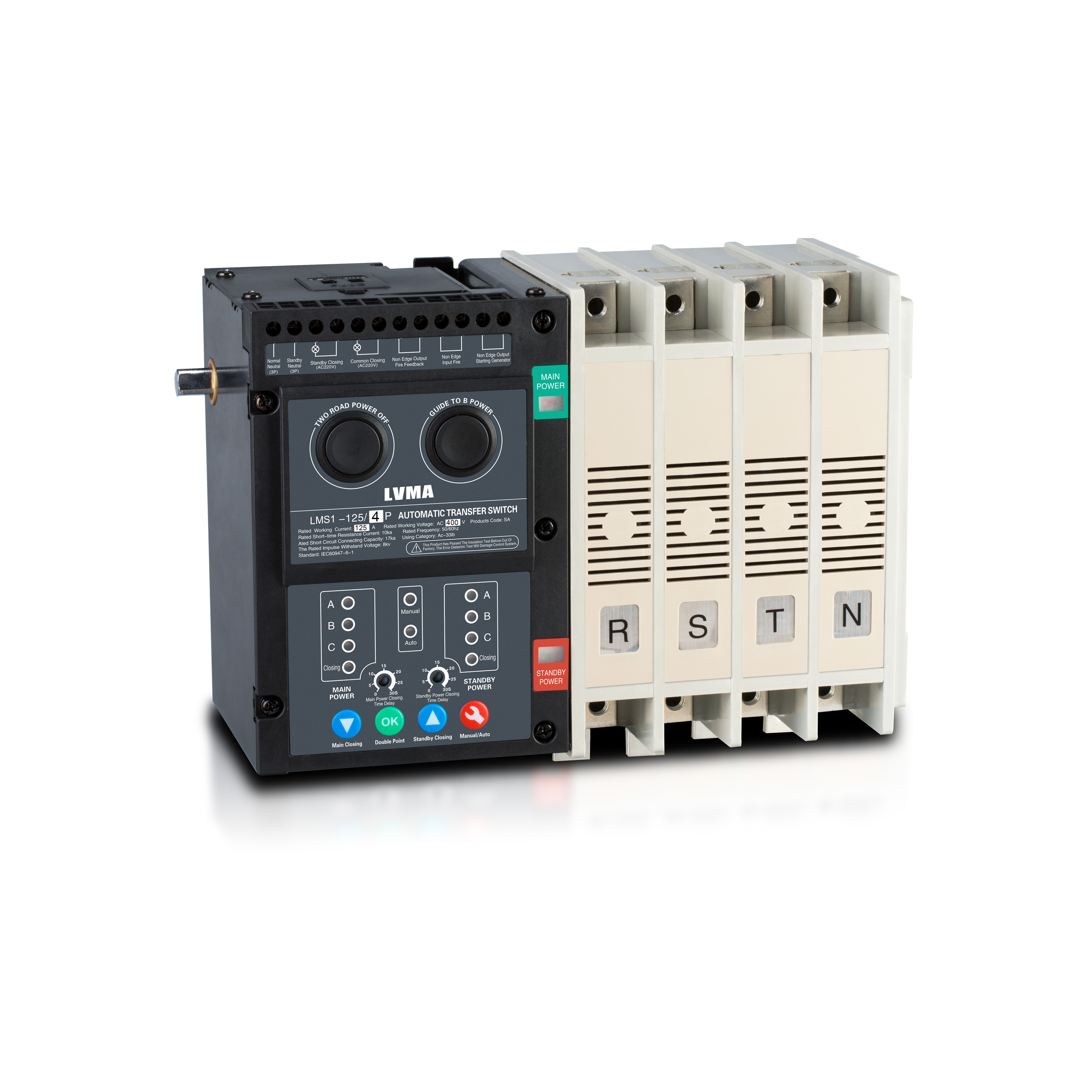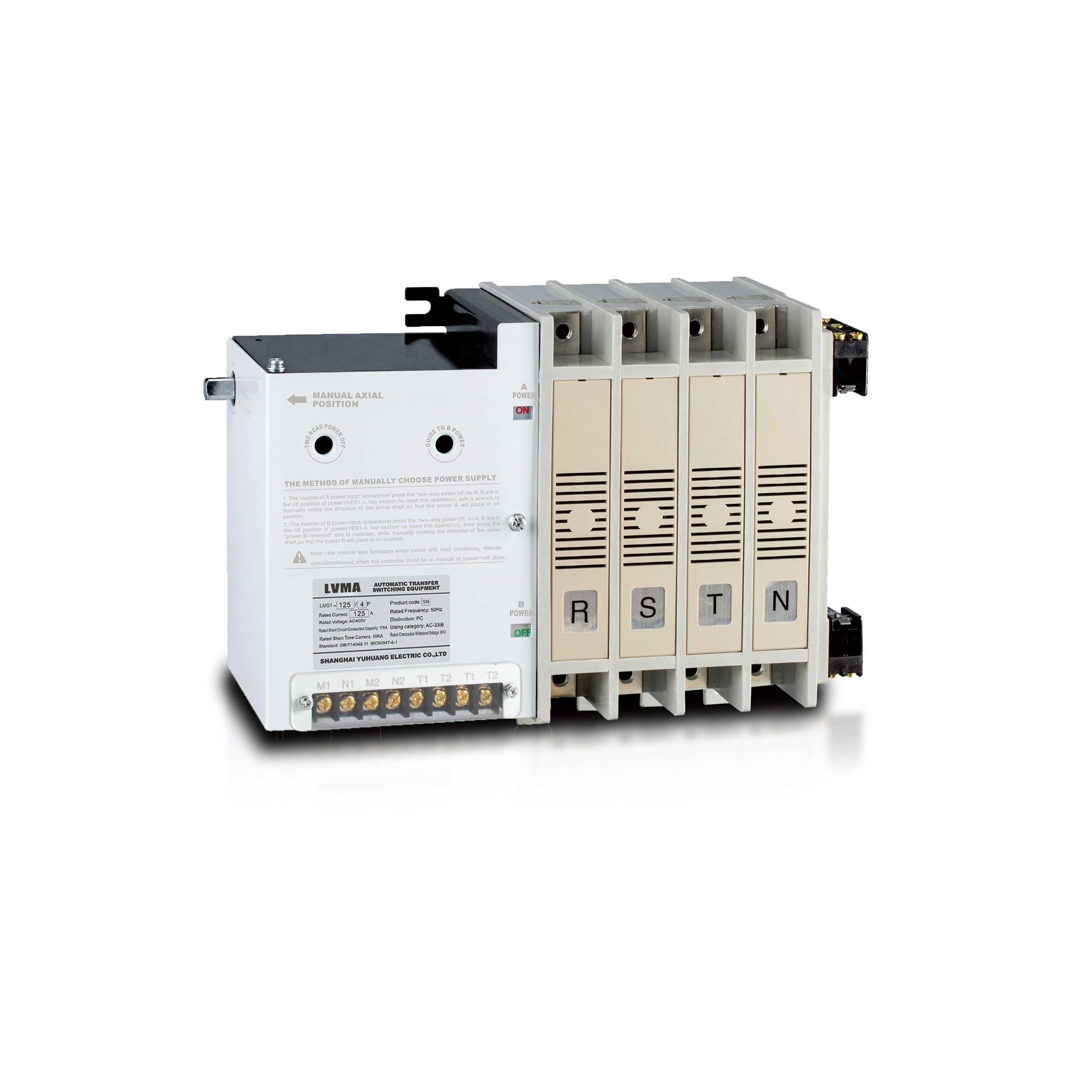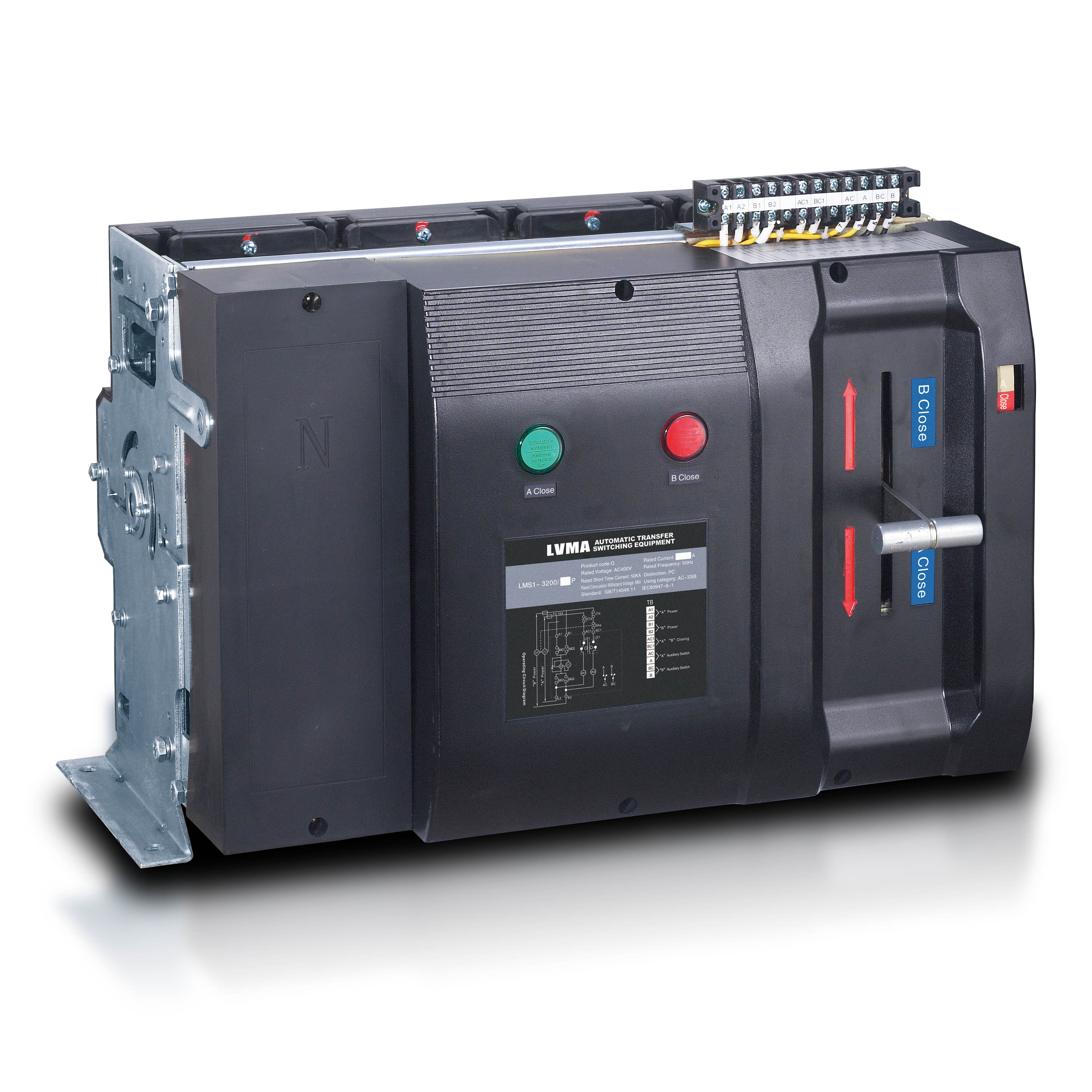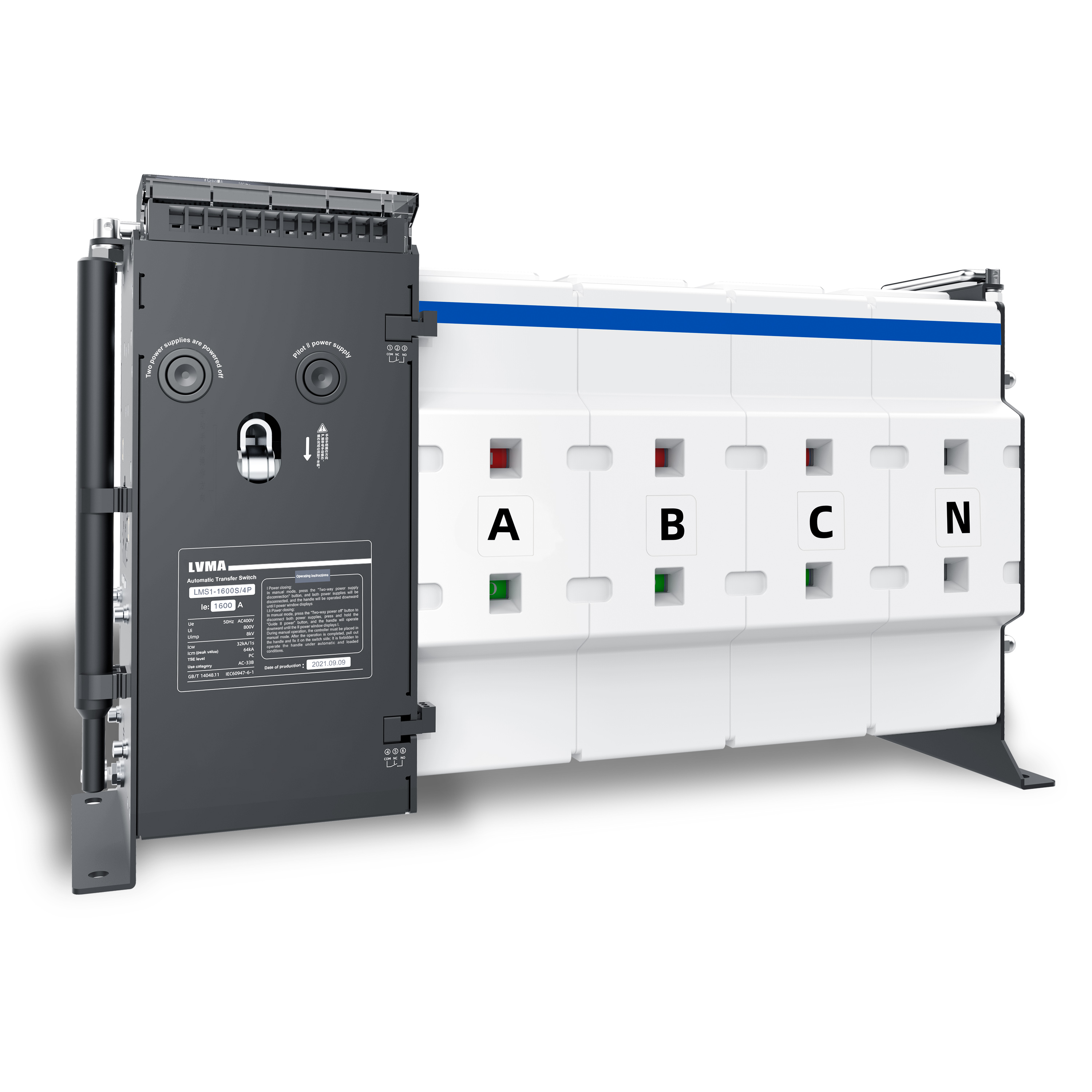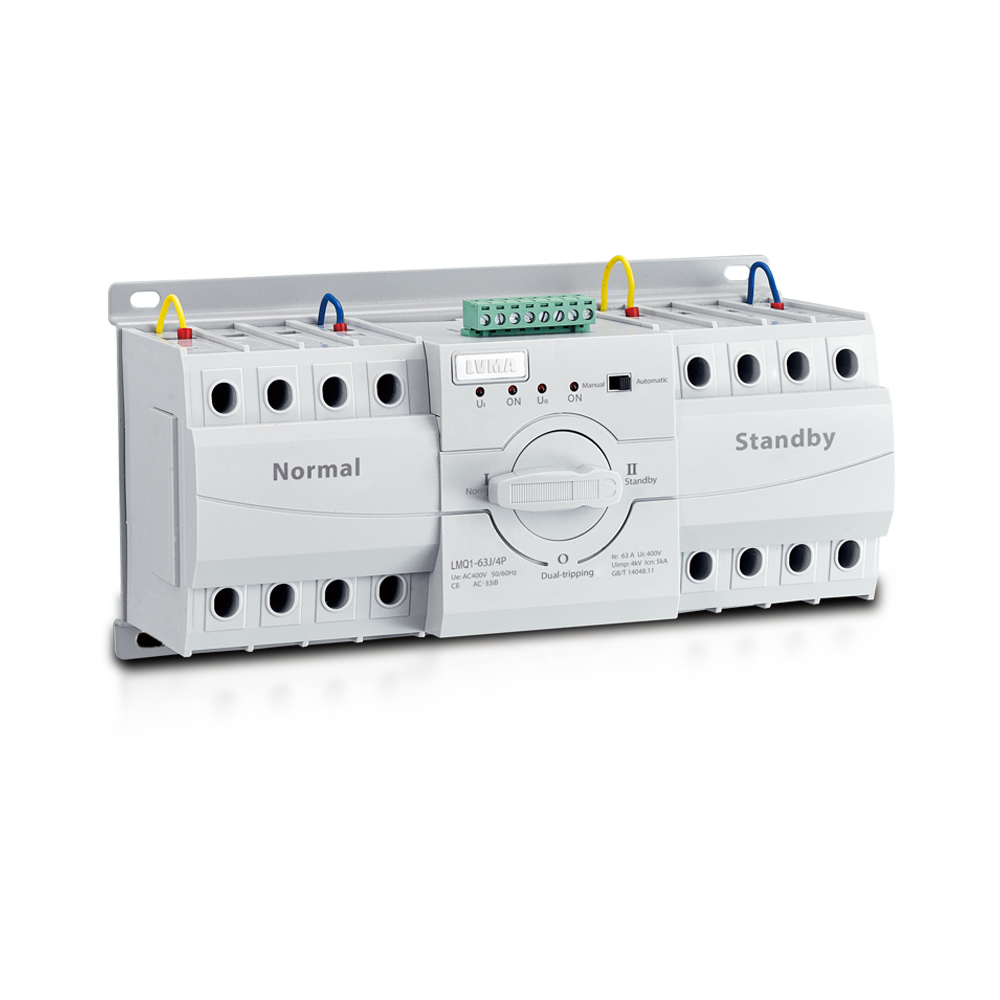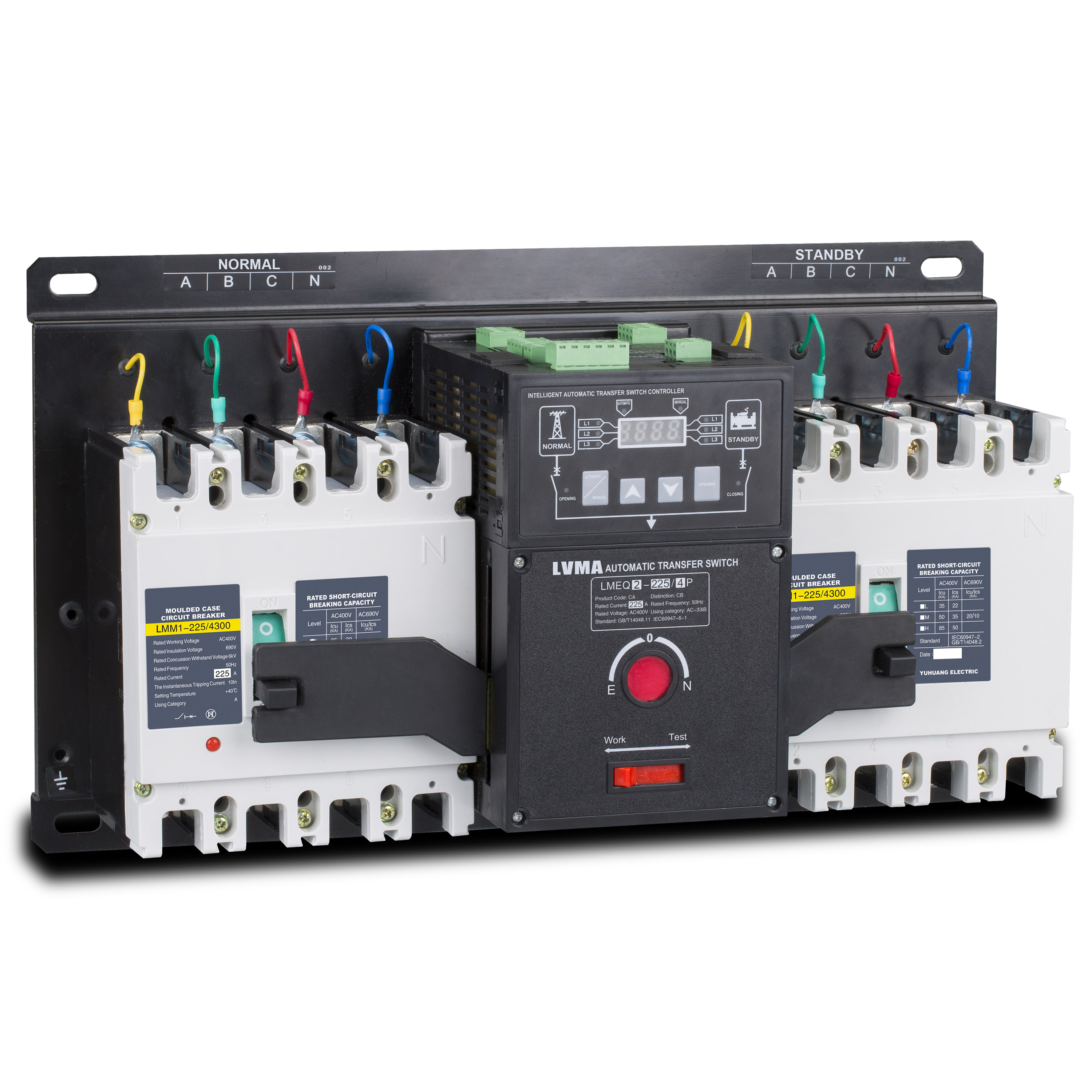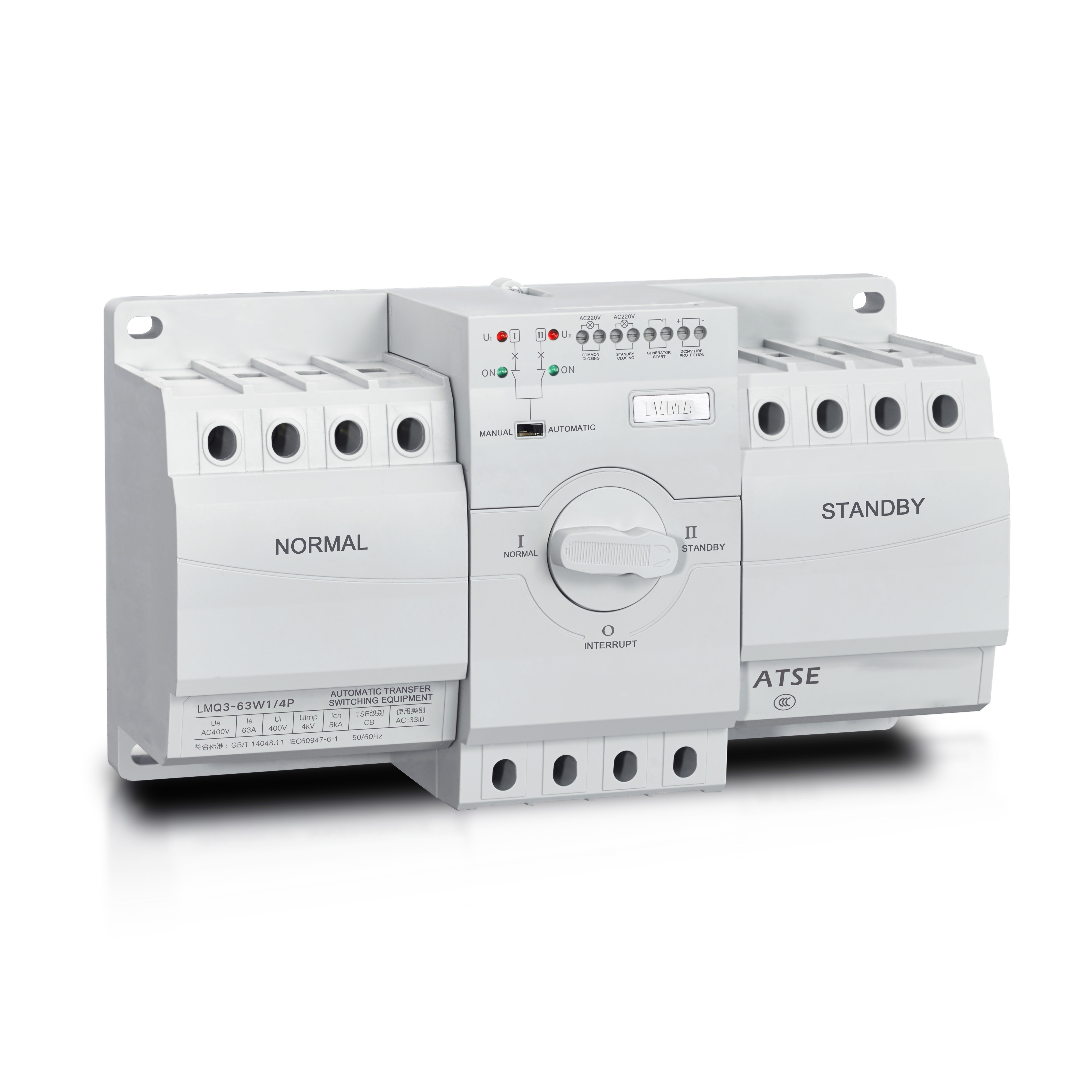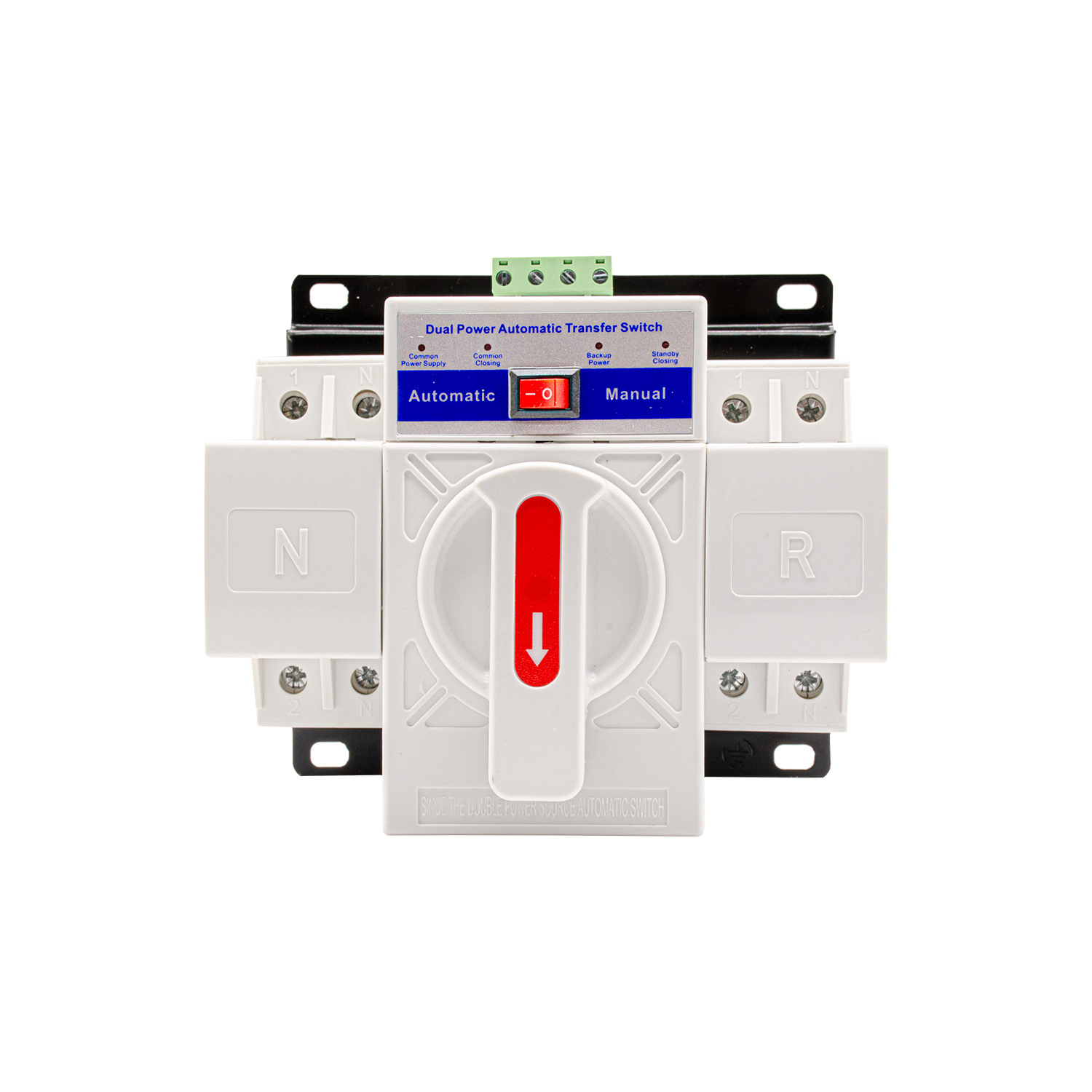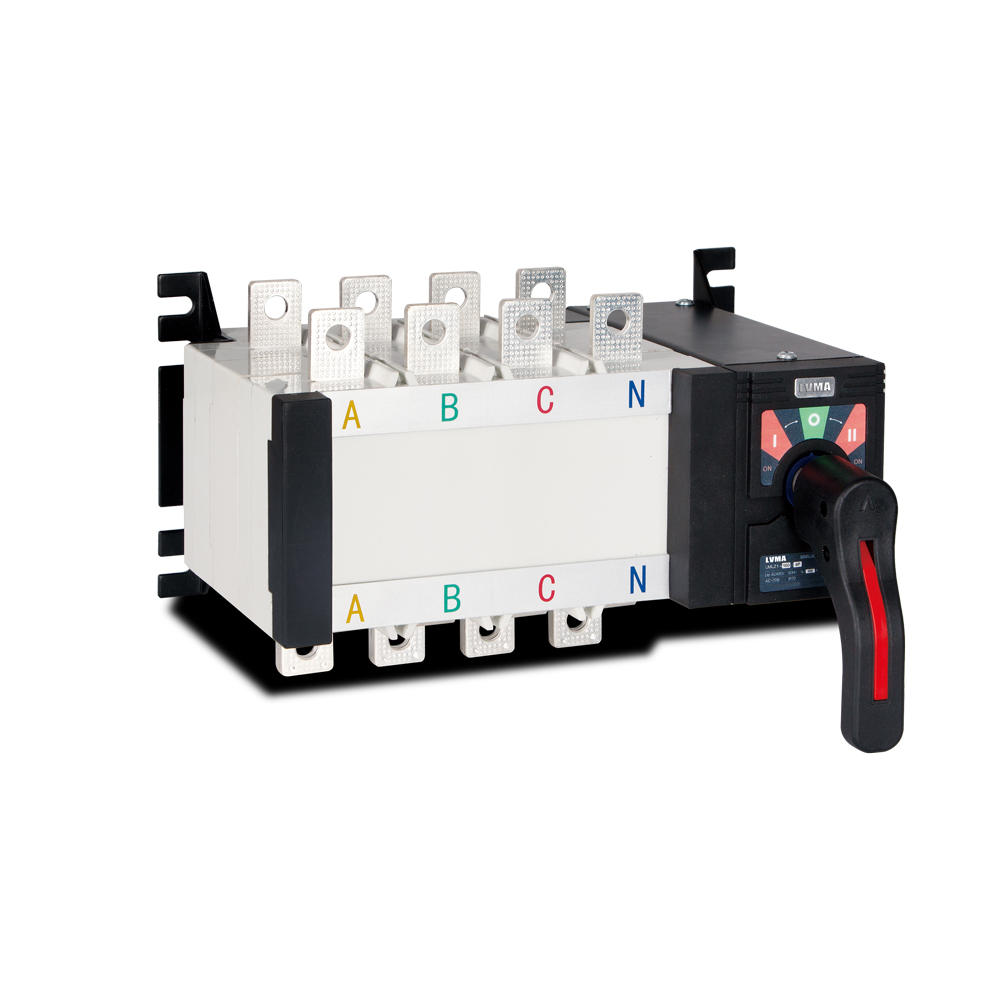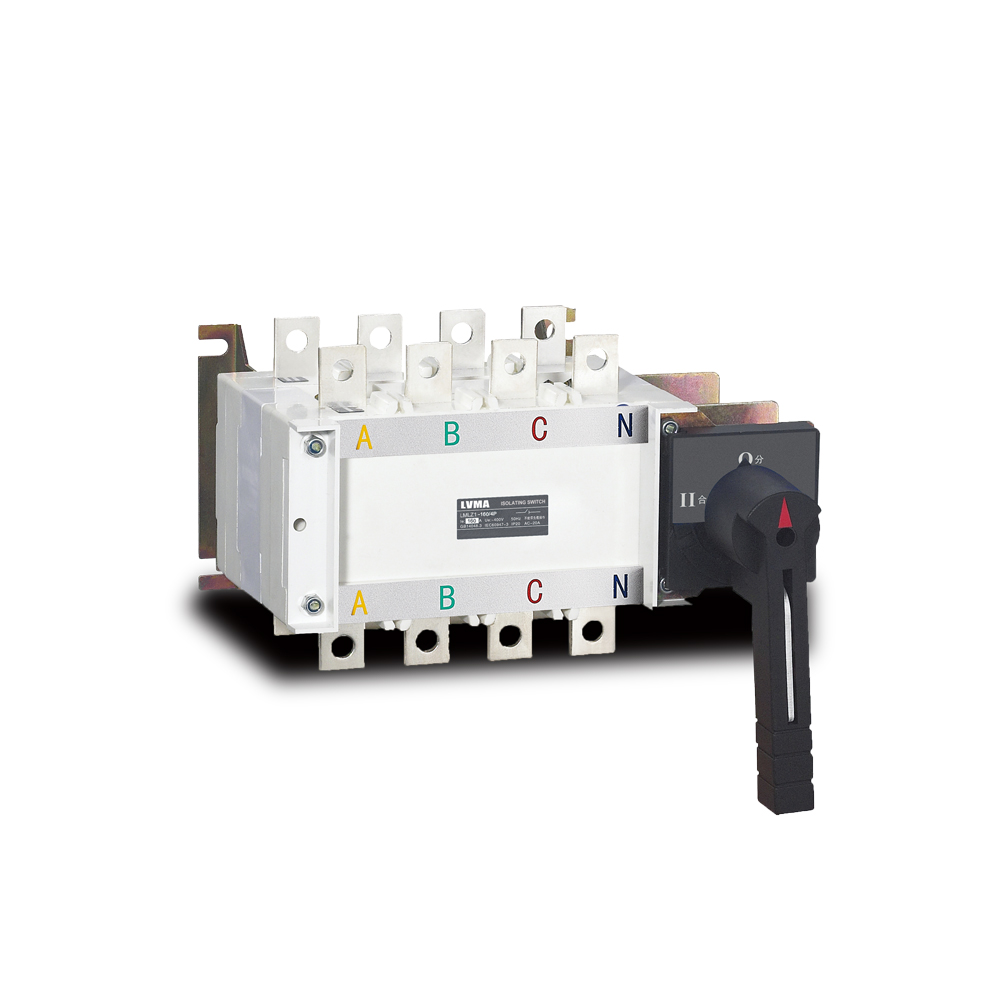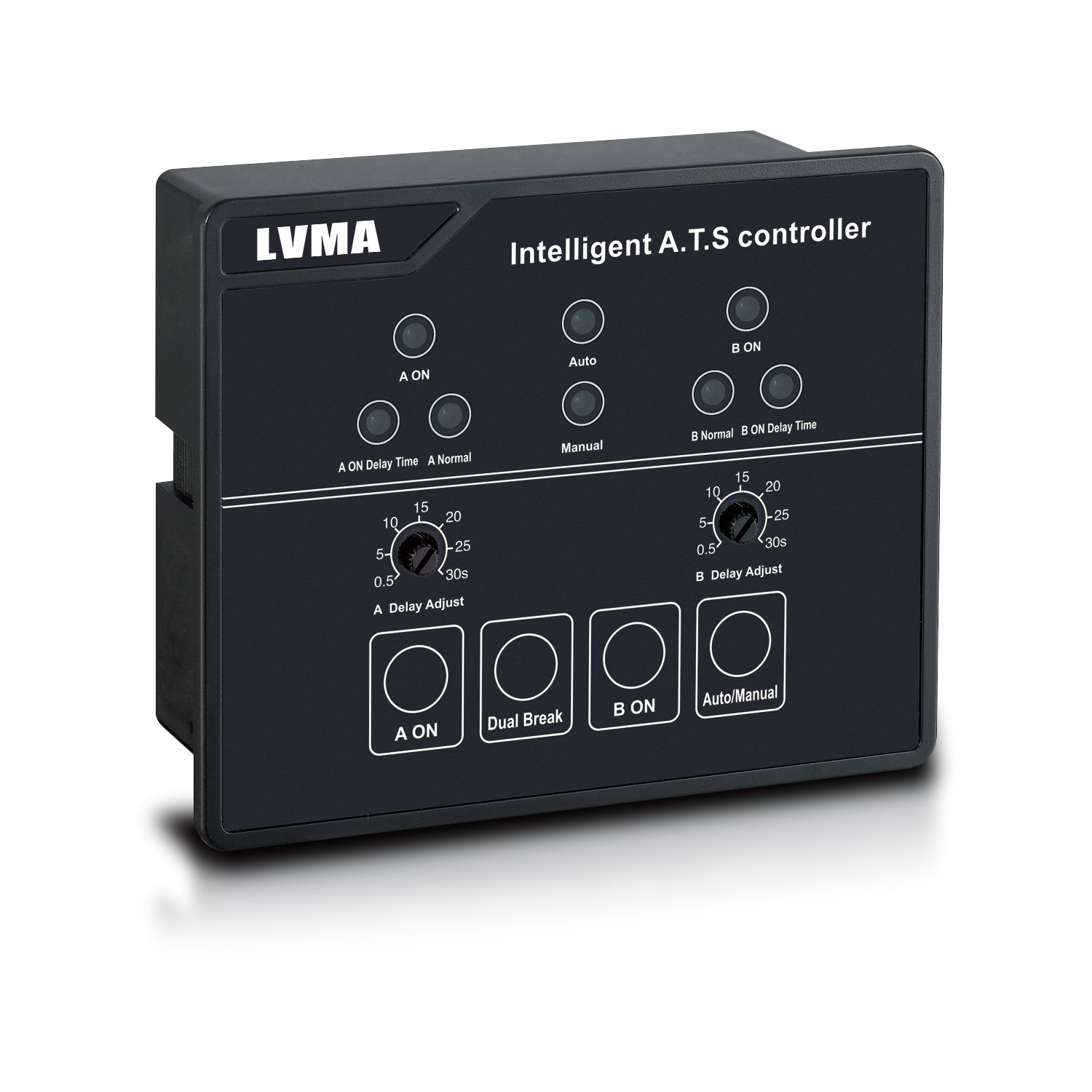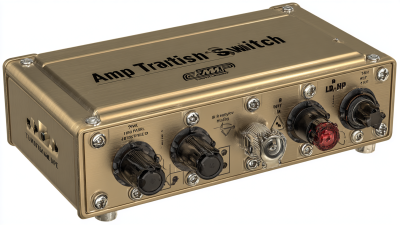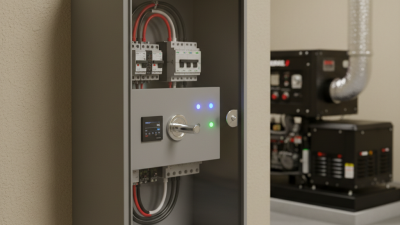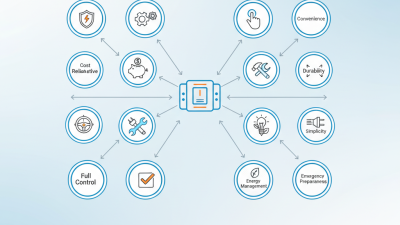
Wifi Ats 125A, Automatic Transfer Switch 2P 3P 4P LMQ4-125W
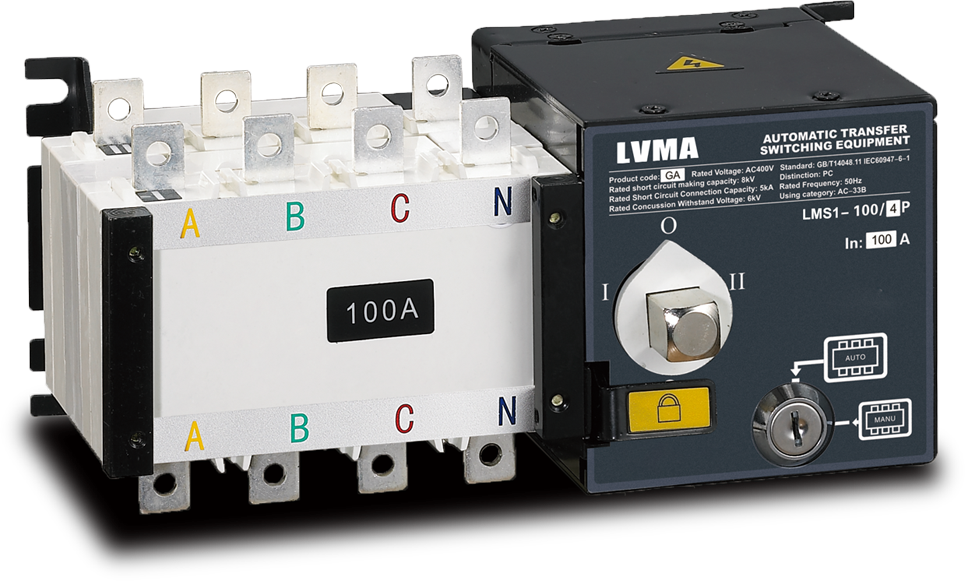
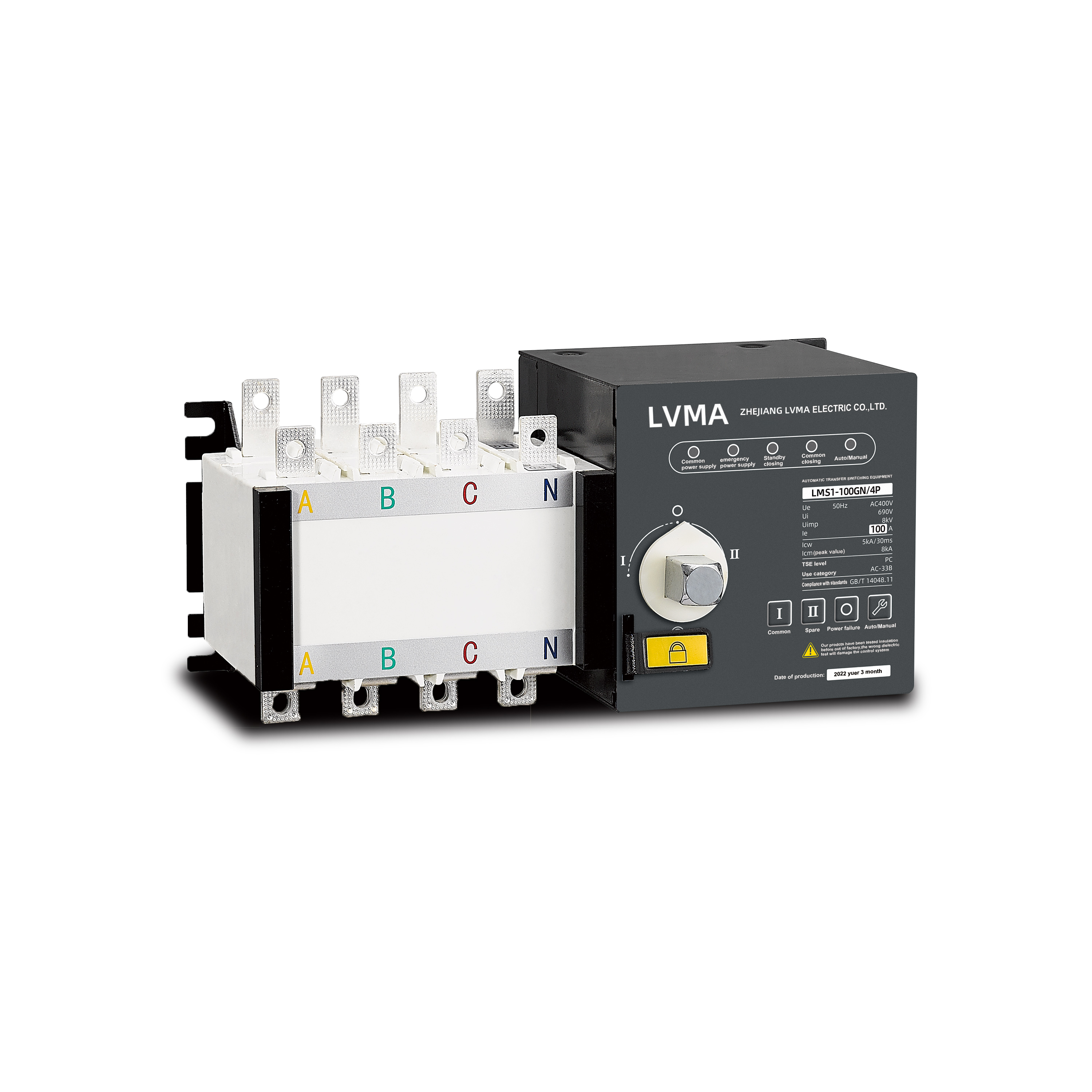
LMS1-GA series Automtic transfer Switch Ats 100A
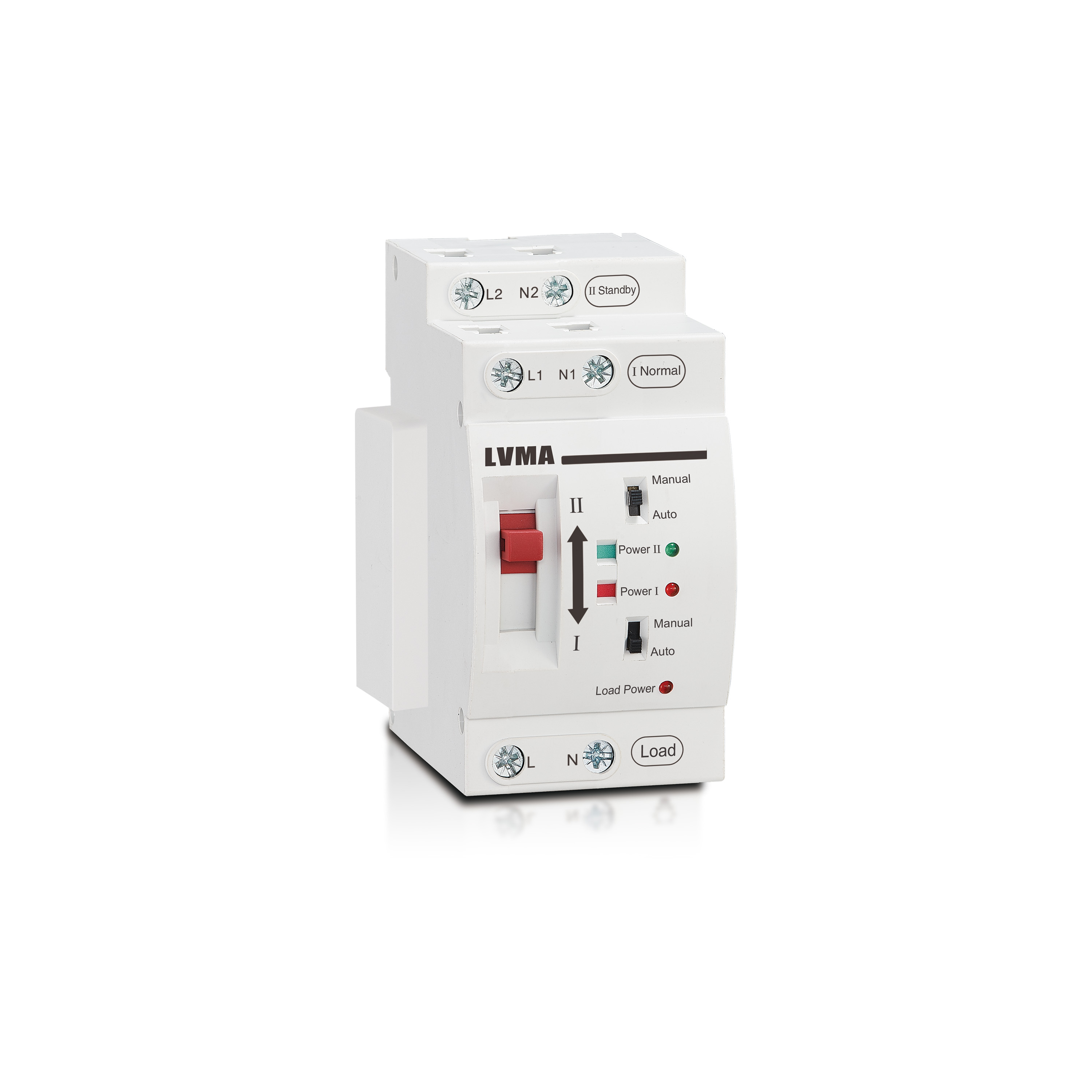
LMS1-NJT Series Automatic Transfer Switch Ats 63A
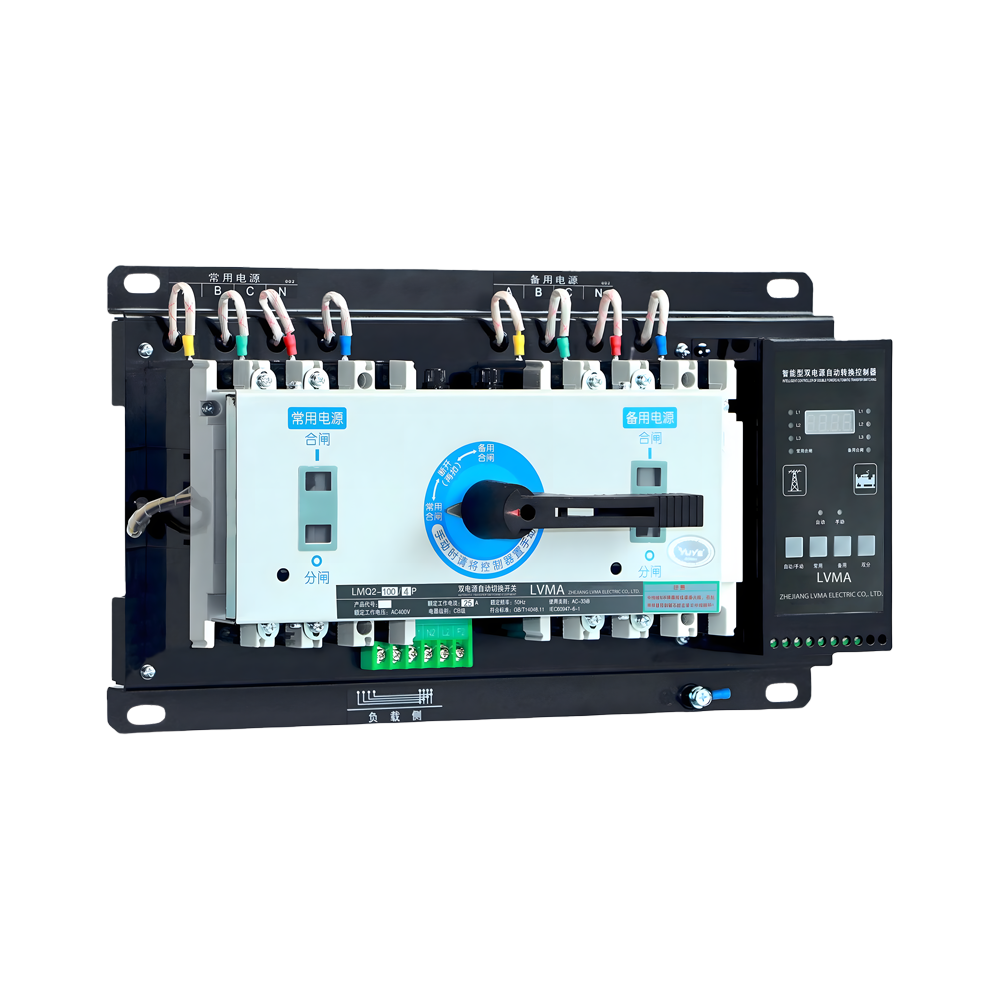
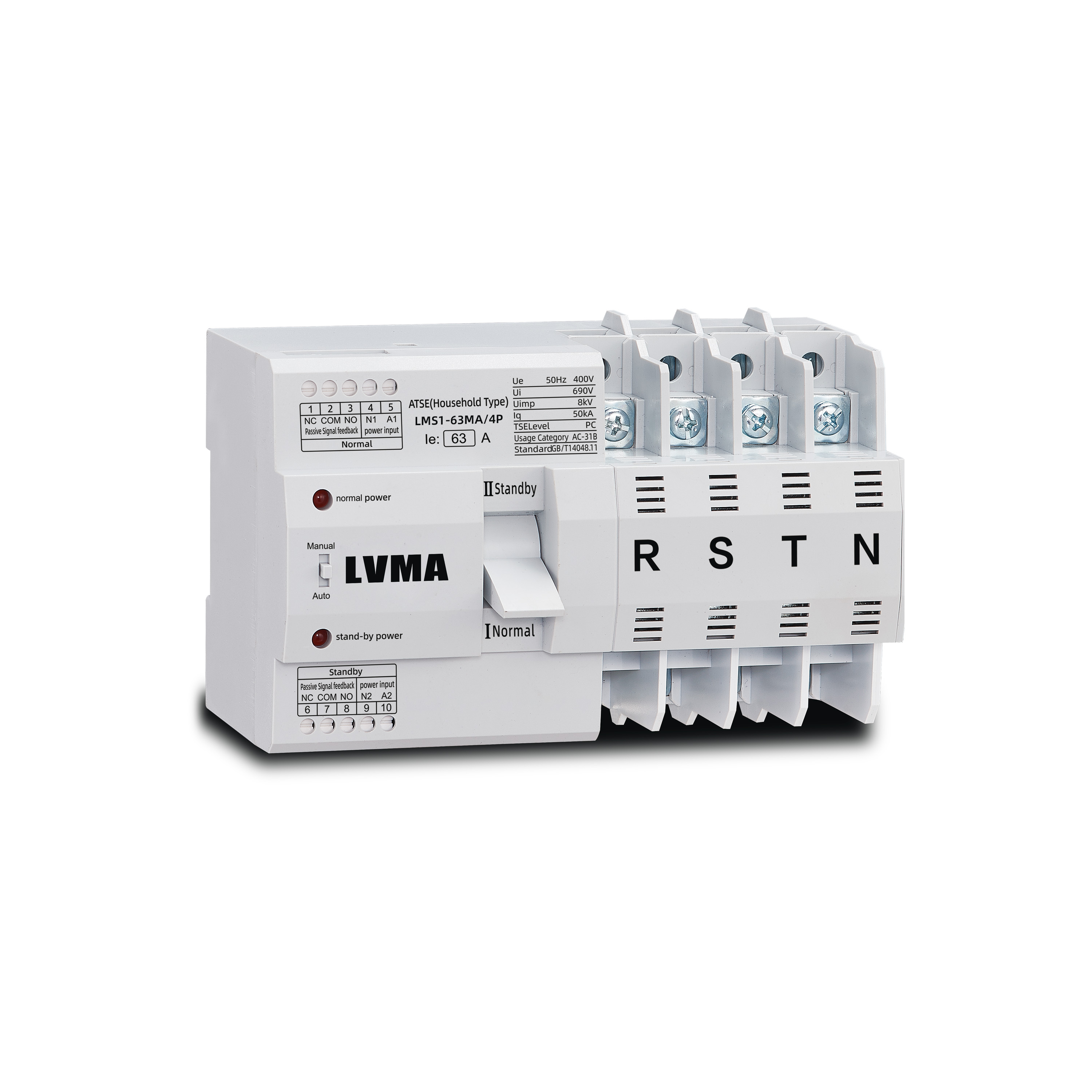
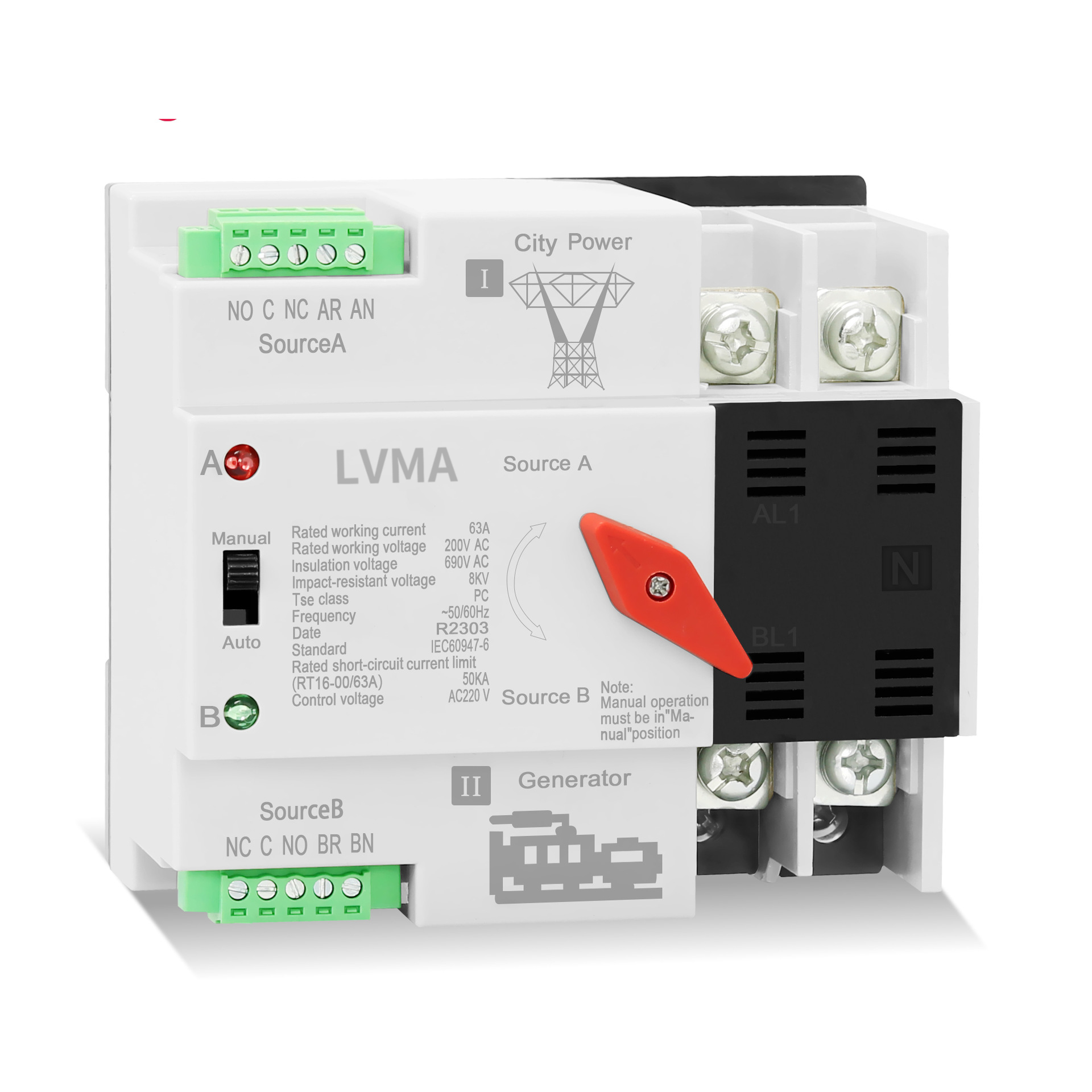
LMS1-MA Type PC Class Automatic Transfer Switch Ats 63A
Ats 100A,Automatic Transfer Switch 2P 3P 4P LMQ4-100X
LMS1-LA Series Automatic Transfer Switch ATS 100A
LMS1-GN Automatic Transfer Switch ATS 250A
LMS1-NA Series Automatic Transfer Switch ATS 630A
LMS1-LA3 Series PC Automatic transfer switch Ats 630A
LMS1-L Series Automatic Transfer Switch Ats 630A
LMS1-SA Series PC Automatic transfer switch
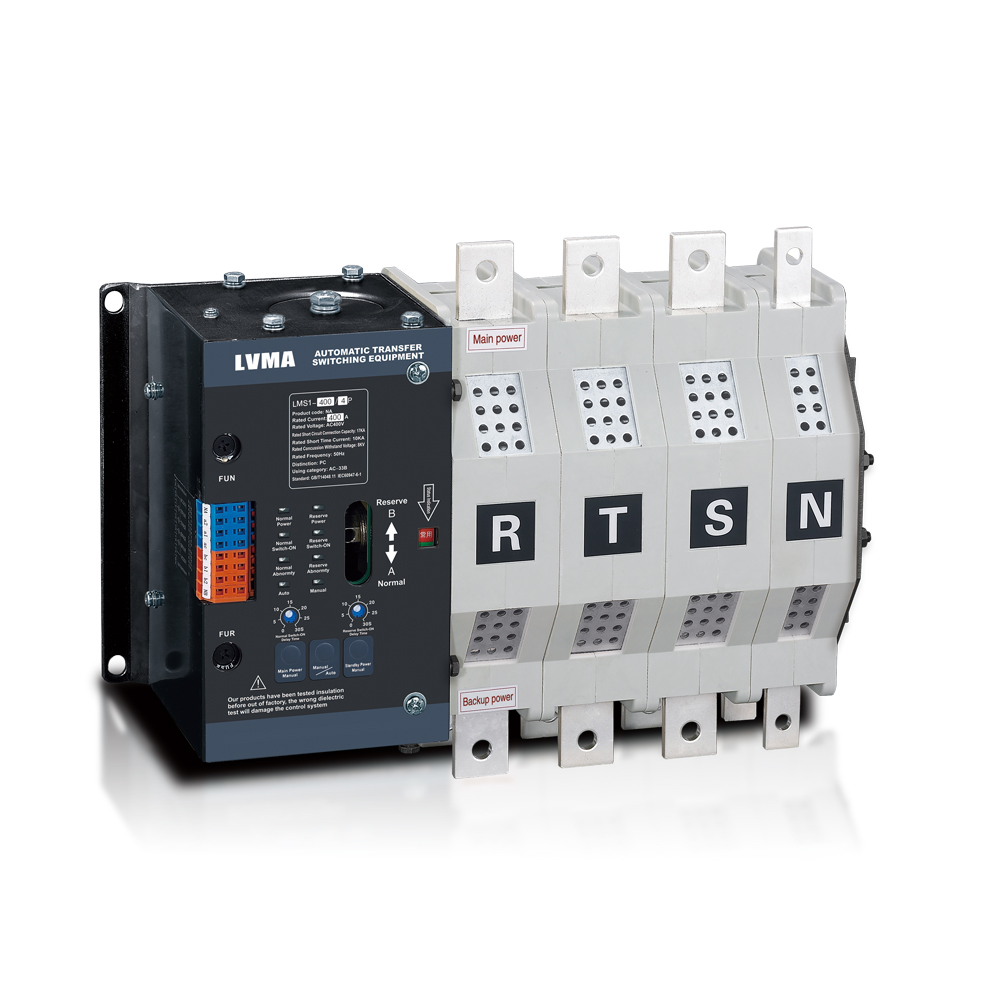
LMS1-SN Series Automatic Transfer Switch Ats 400A
LMS1-Q Type Automatic Transfer Switch Ats 3200A
LMS1-SN Automatic Transfer Switch Ats 

In today's world, ensuring a reliable power supply is vital. A manual power transfer switch (MPTS) offers a crucial solution. It allows users to switch between a primary power source and a backup generator. This switch is particularly useful during outages, providing peace of mind.
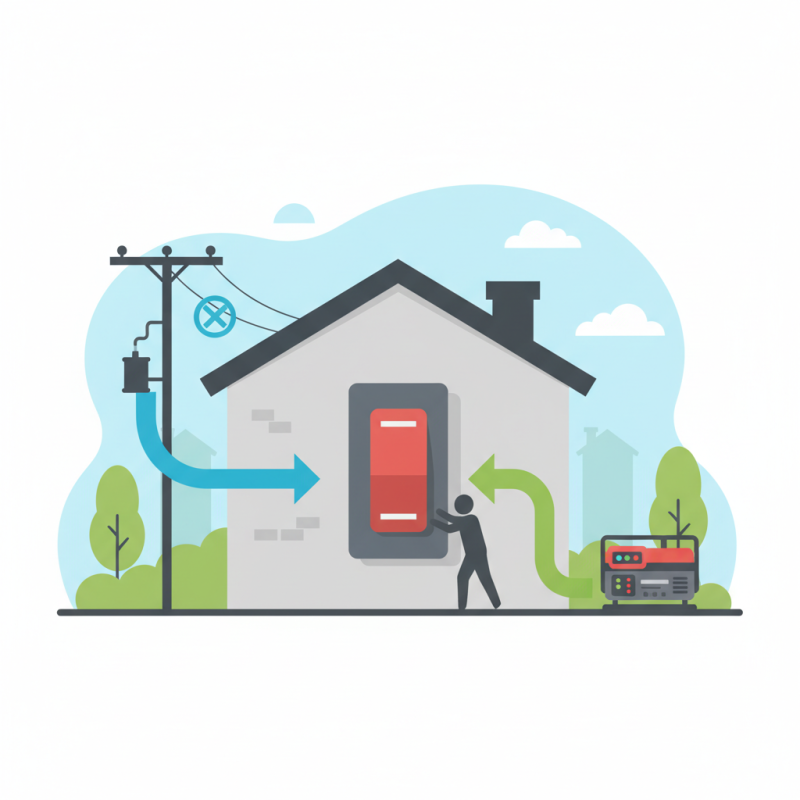
Operating an MPTS requires some understanding. When the main power fails, users can easily engage the switch. This action disconnects the utility power and connects the generator. However, the manual process can be challenging for some. It offers a sense of control but demands careful attention to detail.
There are considerations to address with an MPTS. Some users may struggle with the switching process, especially during high-stress moments. Proper training is essential. Understanding the risks helps prevent mistakes. Overall, a Manual Power Transfer Switch is a valuable tool, but users must remain mindful of its operation.
A manual power transfer switch is a crucial device for managing power sources. It allows users to switch from their main power supply to a backup generator during outages. This can prevent disruptions, especially in critical settings like hospitals. According to industry data, about 20% of facilities experience power outages each year. This highlights the importance of having a reliable backup system.
The manual power transfer switch operates by disconnecting the main utility line before connecting to the generator. This process ensures safety and prevents backfeeding into the grid, which can be hazardous. Users must be trained to operate these switches effectively. Many reports indicate that improper use can lead to accidents, emphasizing the need for clear instructions and regular maintenance.
In practical terms, installing a manual power transfer switch generator can be a wise investment for homeowners and businesses alike. While it requires initial costs, the benefits during a power outage can outweigh potential losses. However, the setup process can be complex, and ongoing training is necessary. Regular testing is also essential to ensure functionality.
A Manual Power Transfer Switch (MPTS) is essential for managing power sources. It allows users to switch from utility power to a backup generator. This is particularly important during outages. The primary purpose of an MPTS is to ensure a reliable power supply when the main grid fails.
Choosing the right MPTS can be challenging. Factors like power capacity and ease of use matter a lot. A Dual Power Manual Transfer Switch offers flexibility. Users can switch between two power sources. This design is beneficial for homes or businesses needing constant power. Remember, installation must follow safety guidelines. Improper setup can lead to hazards.
Tips:
Regularly test your manual transfer switch. This helps identify issues before they arise. Consider keeping a log of maintenance checks. It's crucial for future references. When switching power sources, ensure all appliances are off. This prevents damage and overload.
Managing power effectively can seem daunting. Understanding your system is vital. If unsure, consult a professional for advice. Investing time in learning about your MPTS pays off in the long run.
Manual power transfer switches are essential for managing electricity flow during outages. These switches allow users to redirect power sources safely. When the primary source fails, a manual switch connects to a backup generator, maintaining power supply smoothly.
To operate a manual power transfer switch, one must manually flip the switch. This action isolates the grid power from the generator power. It’s vital to turn off all connected appliances before switching. This helps prevent equipment damage. Ensure the generator is ready to deliver power as soon as needed.
**Tip:** Regularly test your transfer switch and generator. Ensure they operate correctly during emergencies.
The process might seem straightforward, but lacks clarity. Many users forget to read the manual before operating it. This can lead to confusion or, worse, safety hazards. Manual transfer switches require careful handling, even if it looks simple.
**Tip:** Keep the area around the switch clear. This ensures quick access during a power outage. Regularly clean the switch and check connections for wear.
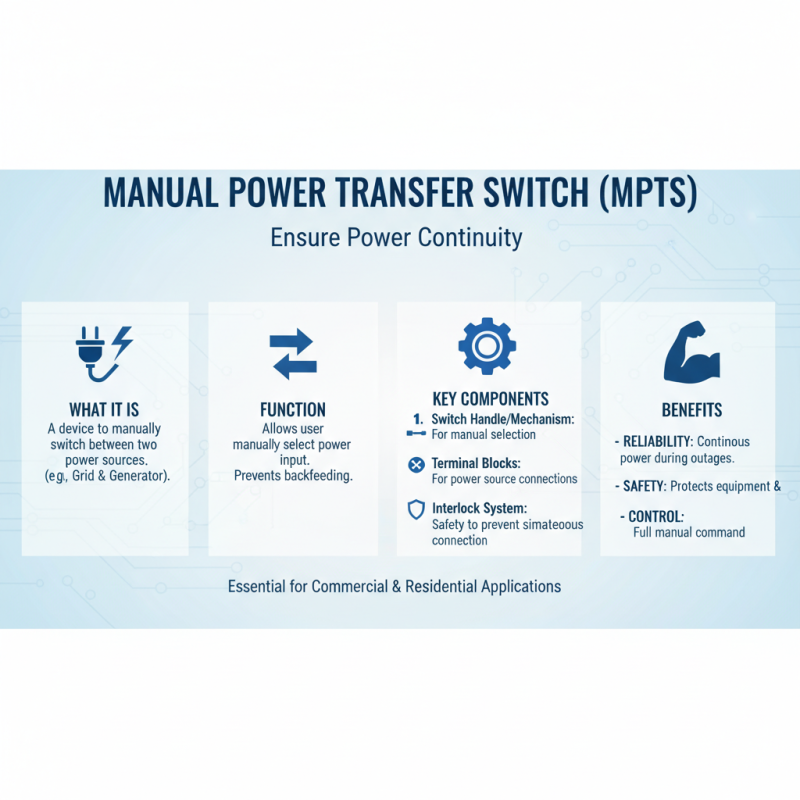
A manual power transfer switch (MPTS) is essential for many commercial and residential applications. It allows users to switch power sources manually. This ensures continuity when the main power supply fails. Understanding its key components can enhance operational reliability.
One critical element of an MPTS is the transfer mechanism. This mechanism typically includes a lever or panel that enables users to select their power source easily. Reports have shown that about 45% of power outages occur due to equipment failure. A reliable transfer mechanism can mitigate downtime during these events. Proper maintenance is crucial here. Any delay in switching can lead to significant losses.
The grounding system is another vital component. It provides safety by dissipating electrical surges. Improper grounding can lead to hazardous situations. Data indicates that nearly 30% of electrical failures are linked to inadequate grounding practices. Regular inspections and upgrades can prevent these issues. Users must prioritize these components for long-term efficiency and safety in their power systems.
Manual power transfer switches (MPTs) provide a reliable way to manage power supply during outages. They allow users to switch from a primary source of electricity to a backup generator. This switch is essential in maintaining power for critical applications, especially in medical facilities and data centers. According to industry reports, around 30% of businesses report losses due to unplanned outages. MPTs help to mitigate these risks effectively.
The benefits of using a manual power transfer switch are substantial. MPTs offer cost-effective solutions compared to automatic systems. They provide flexibility, allowing users to control the transfer process. Businesses can also save on installation costs, as manual switches usually require simpler wiring. Moreover, they can be maintained easily. A study by the National Electrical Manufacturers Association highlighted that proper maintenance can extend the lifespan of these devices significantly. This aligns with the trend towards sustainability in energy management.
However, there are imperfections to consider. Because manual switches require user intervention, there is a risk of human error. Not everyone may be trained to handle transfers, leading to potential power outages. Additionally, some users might overlook regular maintenance due to busy schedules. The balance between convenience and reliability makes the Dual Power Automatic Transfer Switch Manual an important topic for discussion. Power assurance is vital; understanding MPTs can improve operational stability.
| Feature | Description | Benefits |
|---|---|---|
| Manual Operation | Requires user intervention to switch power sources. | Simplicity and reliability in low-tech applications. |
| Cost-effective | Generally less expensive than automatic transfer switches. | Lower initial investment for backup power solutions. |
| Compatibility | Works with various generator sizes and types. | Flexibility in choosing backup power sources. |
| Safety Features | Prevention of back-feeding and overloads. | Enhanced safety for both users and equipment. |
| Installation Flexibility | Can be installed in various locations depending on needs. | Customizable setup based on user requirements. |
Manual power transfer switches (MPTS) are vital for various applications. They ensure a reliable energy source when the primary supply fails. One common application is in healthcare facilities. Hospitals depend on uninterrupted power. A failure can compromise patient care. In fact, studies show that over 98% of hospitals use backup power systems, including MPTS.
Another application is in commercial buildings. Retailers and offices use manual power transfer switches to maintain operations during outages. Businesses face significant losses without power. According to reports, downtime can cost businesses up to $9,000 per hour. MPTS allows quick transitions to backup sources. This is critical for sustainability.
Residential use is also growing. Homeowners invest in MPTS to protect their properties. With power outages increasing in frequency, having a backup is essential. Homeowners often overlook this need. Many do not realize how easy it is to implement a Power Switch Automatic Transfer Switch. This simple system can safeguard against long outages. It's essential to consider these options for energy security.
Manual power transfer switches (MTS) are vital for ensuring a smooth transition from the main utility power to backup sources. To keep these systems functional, maintenance is crucial. Regular inspection can prevent failures, which may lead to costly downtime. According to industry reports, nearly 30% of power outages are caused by equipment failures. This highlights the need for preventive measures.
Routine cleaning is essential. Dust and dirt can affect the mechanism's performance. Use a soft cloth to wipe down the switch. Also, inspect terminals and connections. Loose connections can create resistance, causing overheating. Check the contact points for wear. Replacing worn components early can avoid major issues later.
Test the switch regularly to ensure reliability. Exercise the switch monthly, even if the power is stable. This keeps the mechanism from seizing. Additionally, always verify that the labeling is clear and legible. Mislabeling can lead to operational errors in critical moments. Neglecting these simple tasks can lead to big problems. An easy slip could mean prolonged outages when backup power is needed most.
: The articles aim to provide information and insights on various topics of interest.
Practice regularly and seek feedback from others. Don't be afraid to make mistakes.
Yes, most tips can benefit people of different ages and experience levels.
Absolutely! It's important to tailor tips to fit your individual needs and circumstances.
Set small, achievable goals. Celebrate your successes, no matter how minor they seem.
Reflect on the challenges. Consider seeking guidance from peers or mentors to overcome obstacles.
A Manual Power Transfer Switch is a crucial device used to switch an electrical load between two sources, typically between a utility power source and a backup generator. Its primary purpose is to ensure a seamless transition of power during outages, enhancing the reliability of electrical systems in homes, businesses, and critical facilities. Manual Power Transfer Switches operate through a straightforward mechanism that allows an operator to manually toggle between power sources, which ensures safety during the transition.
The key components of a Manual Power Transfer Switch include the switch itself, the enclosure, and necessary wiring. The benefits of using such a switch include increased safety, improved power reliability, and cost-effectiveness for managing power sources. Common applications range from residential setups to commercial and industrial environments where uninterrupted power supply is essential. Regular maintenance is vital to ensure optimal performance and longevity of the switch, including inspections and testing to prevent any potential failures.
中文