In today’s world, which moves at lightning speed, making sure your power stays reliable has never been more important—especially with energy demands soaring and the rise of renewable sources. Honestly, understanding how Dual Transfer Switches fit into backup power systems is a game-changer—it’s essential for ensuring your power stays steady during outages. These switches aren’t just about safety; they also help keep backup generators and renewable setups running smoothly. Over at Zhejiang LVMA Electric Co., Ltd., they’re really pushing the envelope with this tech. Their team’s doing some pretty cool stuff to develop advanced solutions that match what the industry needs right now. By focusing on reliable systems that use Dual Transfer Switch technology, they’re helping build a future that’s not only more resilient but also better for our planet. It’s exciting to see how they’re leading the way toward a smarter, more sustainable energy landscape.
Understanding the Role of Dual Transfer Switches in Ensuring Seamless Power Transition
In today's power systems, dual transfer switches play such a critical role in making sure there's a smooth switch from the main power source to a backup generator when the power goes out. These devices are pretty smart—they can automatically switch the load, so you're not left in the dark for long, which really helps keep things running reliably. Plus, having two transfer switches means you can do maintenance or run tests on the backup generator without cutting off power, giving an extra layer of safety and peace of mind.
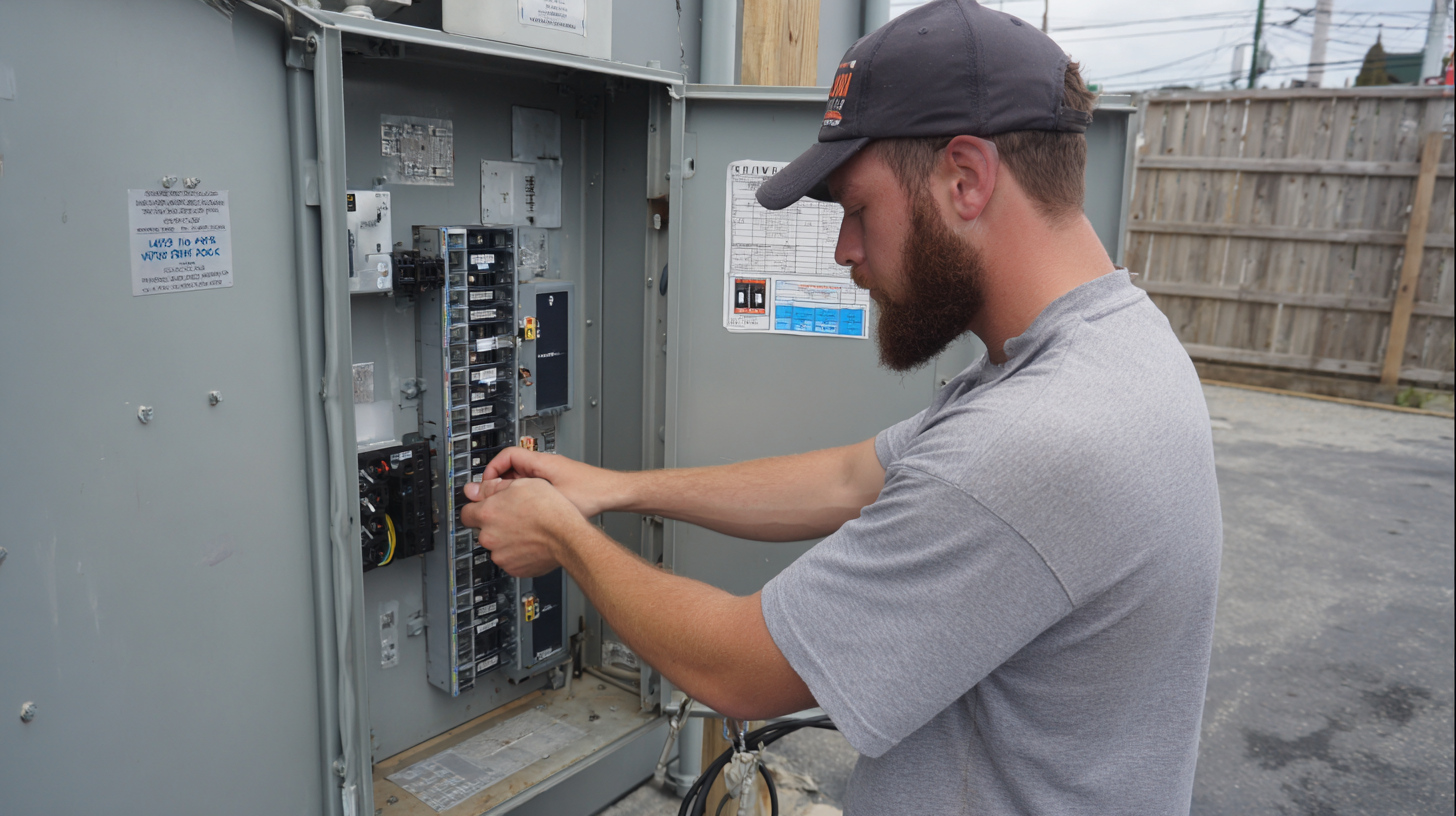
And honestly, dual transfer switches just make setups way more flexible. Think about places like hospitals, data centers, or factories where reliable power isn’t optional—it’s essential. In those environments, these switches can respond instantly to power failures without anyone having to jump in manually. That quick switch can prevent costly disruptions or even protect lives. On top of that, the redundancy they offer means there’s always a backup plan in place—kind of like having a safety net—making the entire system way more resilient against power outages.
The Critical Impact of Dual Transfer Switches on Power Reliability and Safety Standards
You know, dual transfer switches (DTS) are kinda essential when it comes to making backup power systems both reliable and safe. I’ve read that, according to the National Fire Protection Association (NFPA), if you don’t handle transfer switching properly, it can lead to disastrous failures—think electrical fires or equipment getting wrecked. That’s why using dual transfer switches is such a smart move; they help make sure switching between your main power and backup sources happens smoothly—no annoying downtime, and your operations can keep going without a hitch. Plus, these switches can automatically or manually switch, which is a big plus for critical places like hospitals or data centers where messing up the power is just not an option.
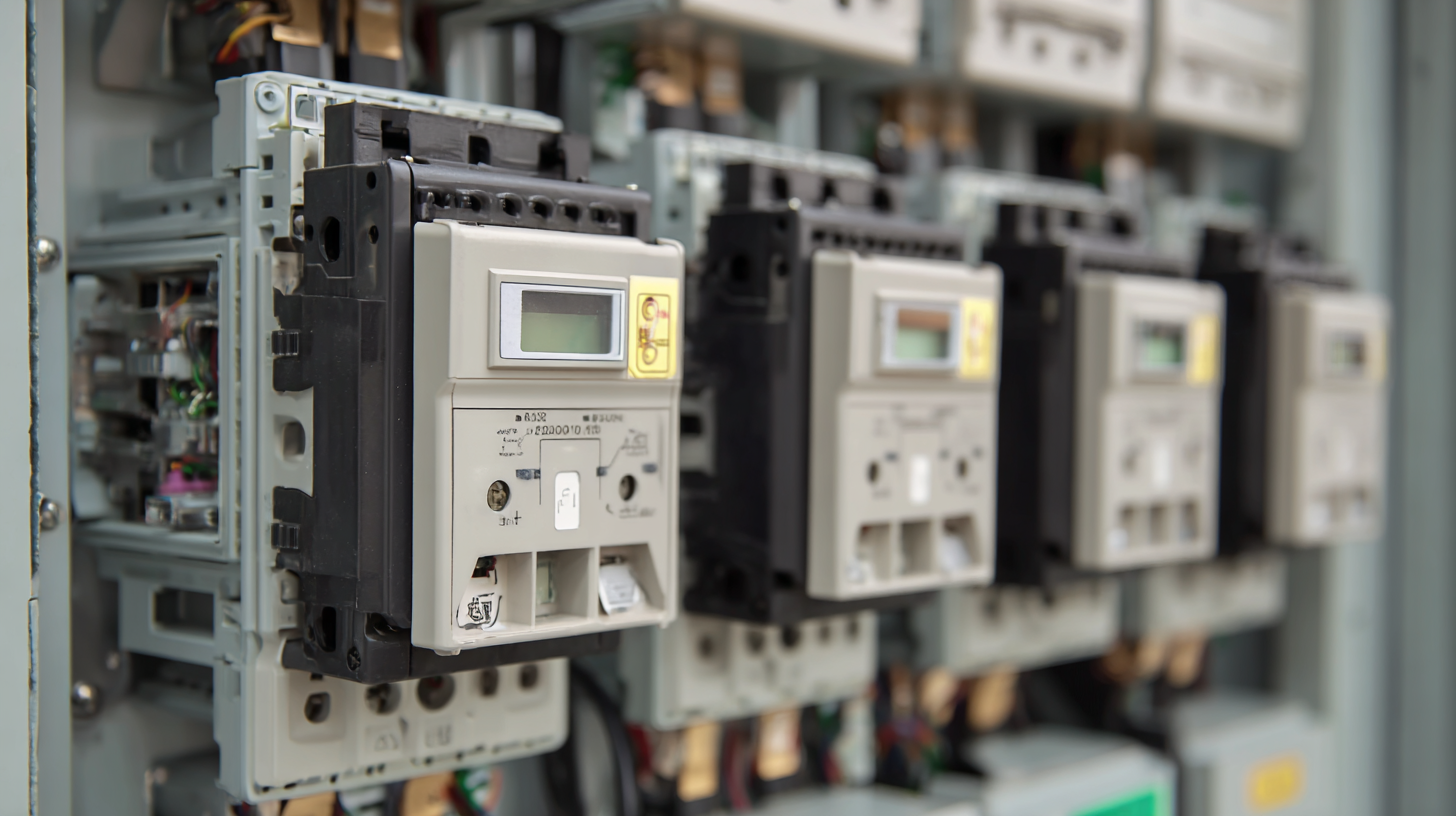
But it’s not just about keeping things running; safety’s a huge deal too. The IEEE reports that over 30% of electrical accidents in critical facilities happen because of faulty transfer switches. Switching to DTS really helps cut down those risks since they’re built to handle heavy loads and keep different power sources completely isolated—great for preventing electrical mishaps. Using these systems not only ticks all the regulatory boxes but also offers better protection for the folks working there and the equipment itself. All in all, dual transfer switches are absolutely vital in today’s backup power setups—they’re just that important.
How Dual Transfer Switches Enhance Efficiency in Backup Power Systems
When you think about backup power systems, dual transfer switches are pretty much game-changers. They make switching between your utility power and generator smooth as butter, so your critical devices keep running without a hiccup during outages. Using two switches helps avoid sudden power cuts and cuts down the chance of any damage to your gear. It’s especially important nowadays, with more folks relying on portable generators for emergencies—especially with all these natural disasters happening more often.
Plus, dual transfer switches actually help your portable generator perform better by spreading out the load. That way, no single switch gets overwhelmed, and your power stays steady and reliable. The market for these contactor-based transfer switches is only growing – experts project it’ll hit around USD 1.2 billion by 2024, with a steady growth rate of about 5.2% up until 2034. So, it’s clear that smarter switching tech isn’t just about convenience; it’s all about making sure we’re better protected and more efficient in our everyday lives.
Key Industry Stats: The Growing Demand for Dual Transfer Switches in Energy Management
You know, these days, there's definitely been a noticeable uptick in demand for dual transfer switches, especially with everyone relying more and more on backup power systems. If you look at the industry stats, it’s clear that the global market for transfer switches is expected to grow quite a bit in the coming years. A lot of that growth is due to new critical infrastructure projects popping up everywhere and the increasing need for power that doesn’t quit, no matter what. Companies from healthcare to telecoms are really starting to see how important it is to have solid backup solutions in place so their operations can keep running smoothly.
On top of that, as organizations push towards greener, more sustainable energy sources, dual transfer switches are becoming even more crucial. They’re key for switching effortlessly between different power sources, helping to avoid downtime and make the entire system more resilient—especially during outages. All this talk about energy efficiency and reliability just highlights how essential these switches are in today’s energy management game. The future looks pretty promising for their role in helping build a more sustainable and dependable power infrastructure.
Understanding the Growing Demand for Dual Transfer Switches
Evaluating the Cost-Benefit Ratio of Implementing Dual Transfer Switches in Facilities
Setting up dual transfer switches in backup power systems is a smart move that most facilities really shouldn’t ignore. According to a report from the U.S. Department of Energy, power outages can hit businesses hard—averaging around $150,000 per incident—mainly because of downtime. Having dual transfer switches isn’t just about being extra reliable; they help prevent power failures during those crucial moments. Plus, they allow for a smooth switch between your main power source and your backup, which means less chaos and fewer interruptions—something especially important for places like hospitals or data centers where power is kinda everything.
I get it, though—investing in dual transfer switches might seem a bit pricey upfront. But when you look at the bigger picture, the long-term savings really stack up. For example, the National Institute of Standards and Technology found that companies with redundant power systems saw a 40% drop in operational downtime and saved up to 20% on energy costs thanks to better power management. Basically, weighing the cost of potential losses against what you spend initially on these switches can help you make smarter decisions—ones that boost your facility’s resilience and keep things running smoothly in the long run.
Future Trends: Innovations in Dual Transfer Switch Technology for Enhanced Backup Systems
Lately, the rise of dual transfer switches in backup power setups has really changed the game when it comes to keeping the lights on reliably. As technology keeps moving forward, we're seeing some pretty exciting upgrades in how these switches work—they’re becoming smarter and more efficient than ever. One of the coolest trends right now is the integration of smart tech, which lets you monitor and control your power sources in real-time. So, if the power goes out, the system detects it immediately and switches over automatically—no need to rush around or wait for someone to do it manually. It’s all about seamless, hassle-free backup power.
And get this—linking these switches with the Internet of Things (IoT) is opening up a whole new world of smarter energy solutions. Now, you can remotely access and manage your system from pretty much anywhere. Plus, with better data analysis, you can really get a grip on your energy use—spot trends, cut costs, and be more efficient. As these techs keep advancing, I honestly think we’re headed toward backup systems that are not only more reliable and efficient but also super easy for anyone to use—and they’ll be better equipped to handle the crazy demands of modern life.
Transforming Power Management: A Deep Dive into the Y-702 Automatic Transfer Switch Controller
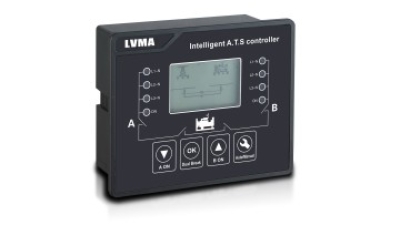
In the ever-evolving landscape of power management, the Y-702 Automatic Transfer Switch Controller enables a significant transformation by ensuring seamless transfer and efficient regulation of power supply. Rated for operation at AC220V with an impressive frequency range of 50Hz to 60Hz, this advanced controller is designed to cater to the demanding needs of modern electrical systems. Its precision in voltage measurement, with an accuracy of ±1%, alongside a frequency measurement accuracy of ±0.05 Hz, ensures that power quality remains uncompromised, thereby reducing downtime and enhancing overall system reliability.
Moreover, the Y-702 offers customizable switching times, adjustable from 0.5s to 30s, fitting a variety of operational needs and scenarios. This flexibility is crucial in protecting sensitive equipment from power surges and interruptions. The communication capabilities of the controller enhance its functionality, featuring options for RS485 and Ethernet interfaces while supporting protocols like Modbus RTU and TCP/IP. This allows for effective monitoring and control, essential in environments where precision and responsiveness are critical, especially within industrial and commercial infrastructures.
Designed to operate under a wide array of conditions, the Y-702 can function efficiently in temperatures ranging from -10°C to +60°C and at humidity levels of up to 90% Rh without condensation. Such resilience makes it an ideal choice for diverse applications, from power plants to data centers, where consistent performance is paramount. As industries look to optimize their power management systems, the Y-702 stands out as a critical component in achieving greater efficiency and reliability in energy distribution. For inquiries, please contact sale@lvma-ele.com.
FAQS
: Dual transfer switches (DTS) are devices that enhance the reliability and safety of backup power systems by allowing seamless transitions between primary and backup power sources, reducing downtime and maintaining operational continuity.
Dual transfer switches contribute to safety compliance by significantly lowering the risk of electrical accidents, as they are engineered to handle high loads and provide robust isolation between different power sources.
Improper transfer switching can lead to catastrophic failures, including electrical fires and equipment damage, creating significant risks for facilities relying on backup power systems.
DTS facilitate seamless transitions between utility power and generator power, preventing power interruptions and minimizing the risk of equipment damage, which is essential during outages.
Effective load distribution through dual transfer switches minimizes the risk of overloading any single switch, resulting in a more balanced and reliable power supply.
Emerging trends include the incorporation of smart technology for real-time monitoring and management, as well as integration with IoT for remote access and data analytics, enhancing overall system efficiency and reliability.
IoT integration allows for remote monitoring and control of dual transfer switches, providing users with insights into power usage patterns and the ability to optimize energy consumption.
DTS ensure operational continuity during power outages by enabling a quick and efficient switch to backup power sources, thereby reducing downtime in critical infrastructures.
The contactor-based transfer switch market is projected to reach USD 1.2 billion by 2024, expanding at a CAGR of 5.2% through 2034 due to the increasing demand for efficient power management solutions.
By reducing the likelihood of electrical mishaps and ensuring robust isolation between power sources, dual transfer switches enhance the protection of personnel working with backup power systems.
Conclusion
In today’s fast-changing energy world, it’s more important than ever to understand just how crucial Dual Transfer Switches are when it comes to backup power systems. These little devices might not get all the spotlight, but they actually do a really important job — making sure the power switches smoothly during an outage, which helps boost overall reliability and safety. Plus, they’re great for managing energy efficiently, so they don’t just improve how well your system works, but also help meet the increasing demand for strong backup solutions in different industries.
If you’ve been following industry trends, you’ve probably noticed that there’s a growing focus on energy savings and safety. That’s why more companies, like Zhejiang LVMA Electric Co., Ltd., are leading the charge with innovative, high-tech solutions that make backup power systems better. Looking ahead, it’s clear that improvements in Dual Transfer Switch technology are going to keep making energy management smarter and more reliable. Honestly, these devices are becoming pretty much essential in modern facilities, and that’s not likely to change anytime soon.


 中文

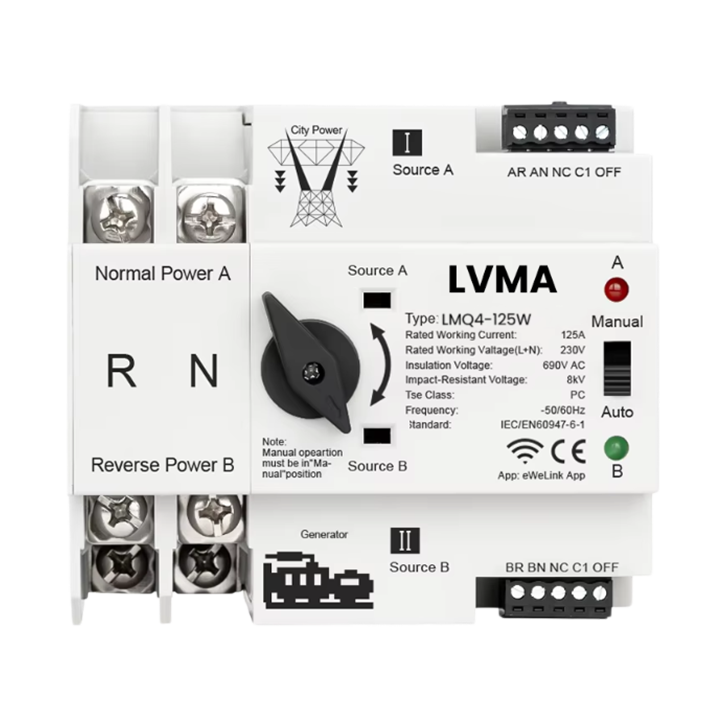 Wifi Ats 125A, Automatic Transfer Switch 2P 3P 4P LMQ4-125W
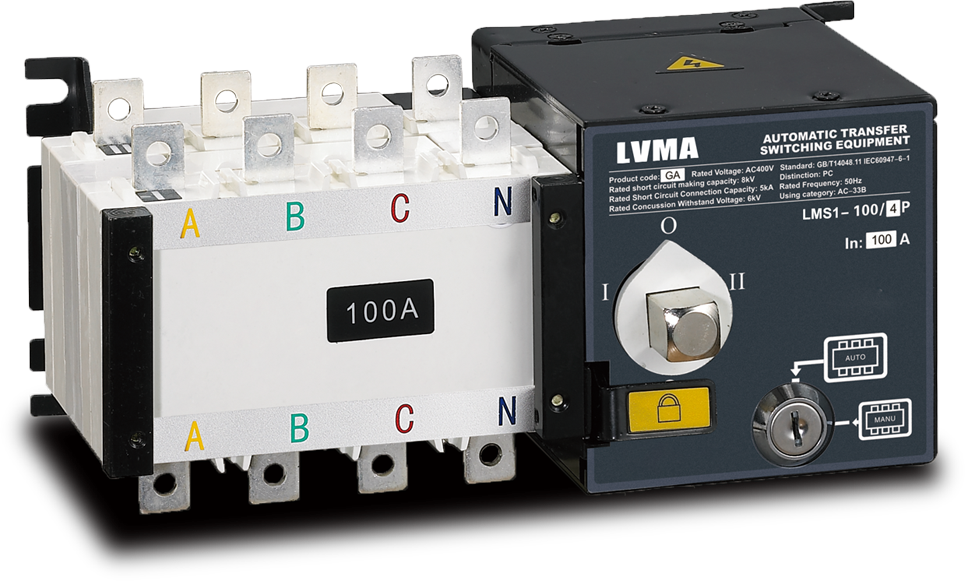 LMS1-GA series Automtic transfer Switch Ats 100A
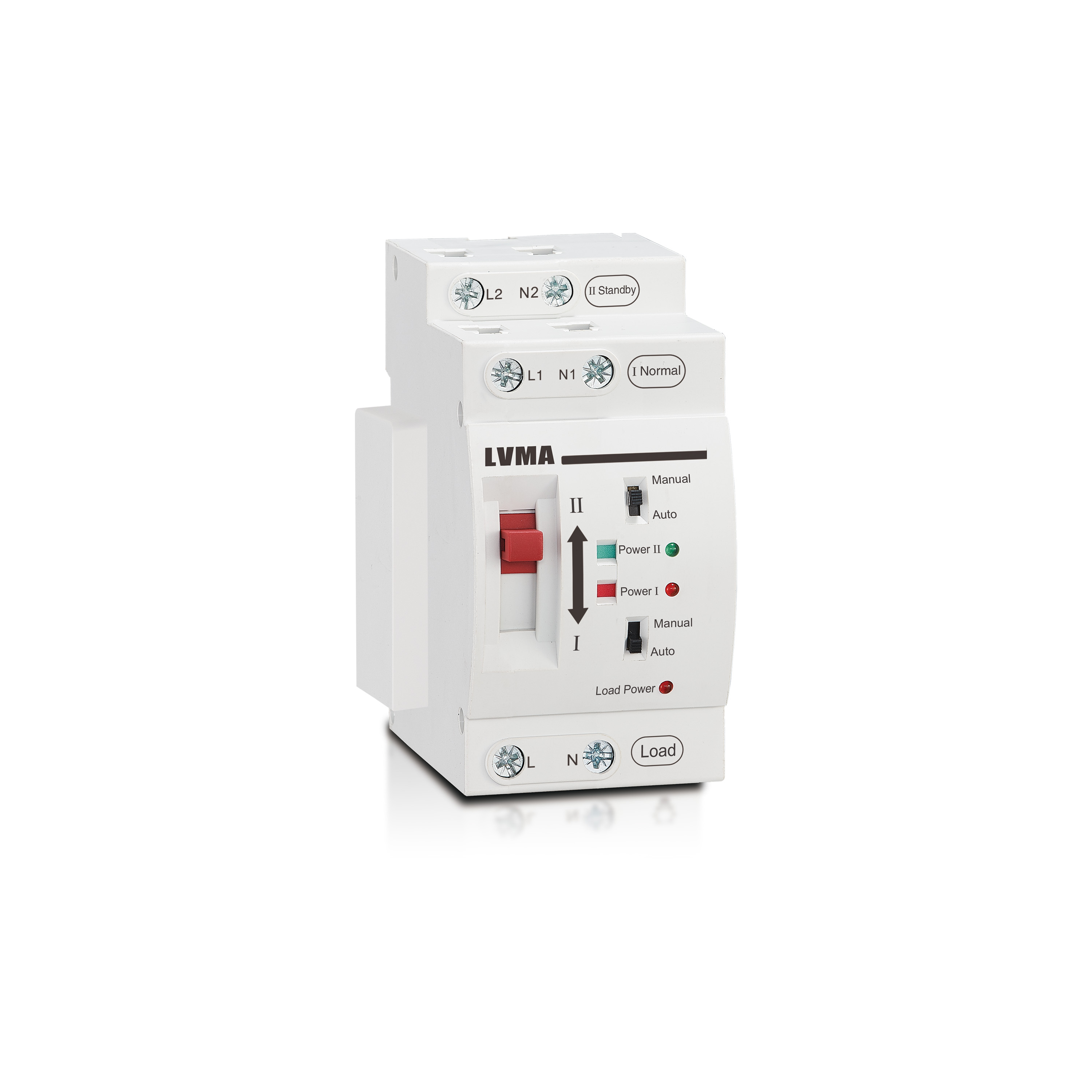 LMS1-NJT Series Automatic Transfer Switch Ats 63A
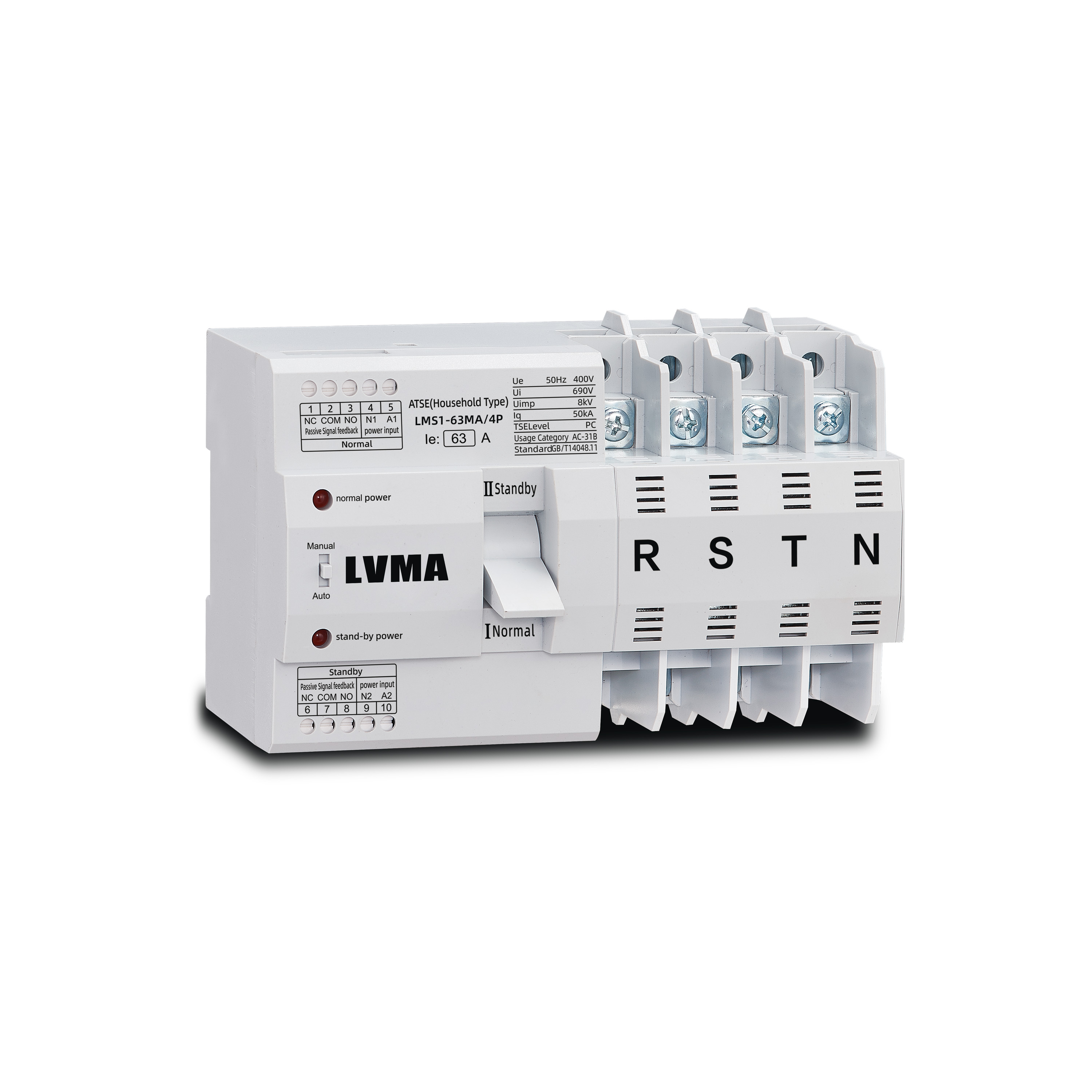 LMS1-MA Type PC Class Automatic Transfer Switch Ats 63A
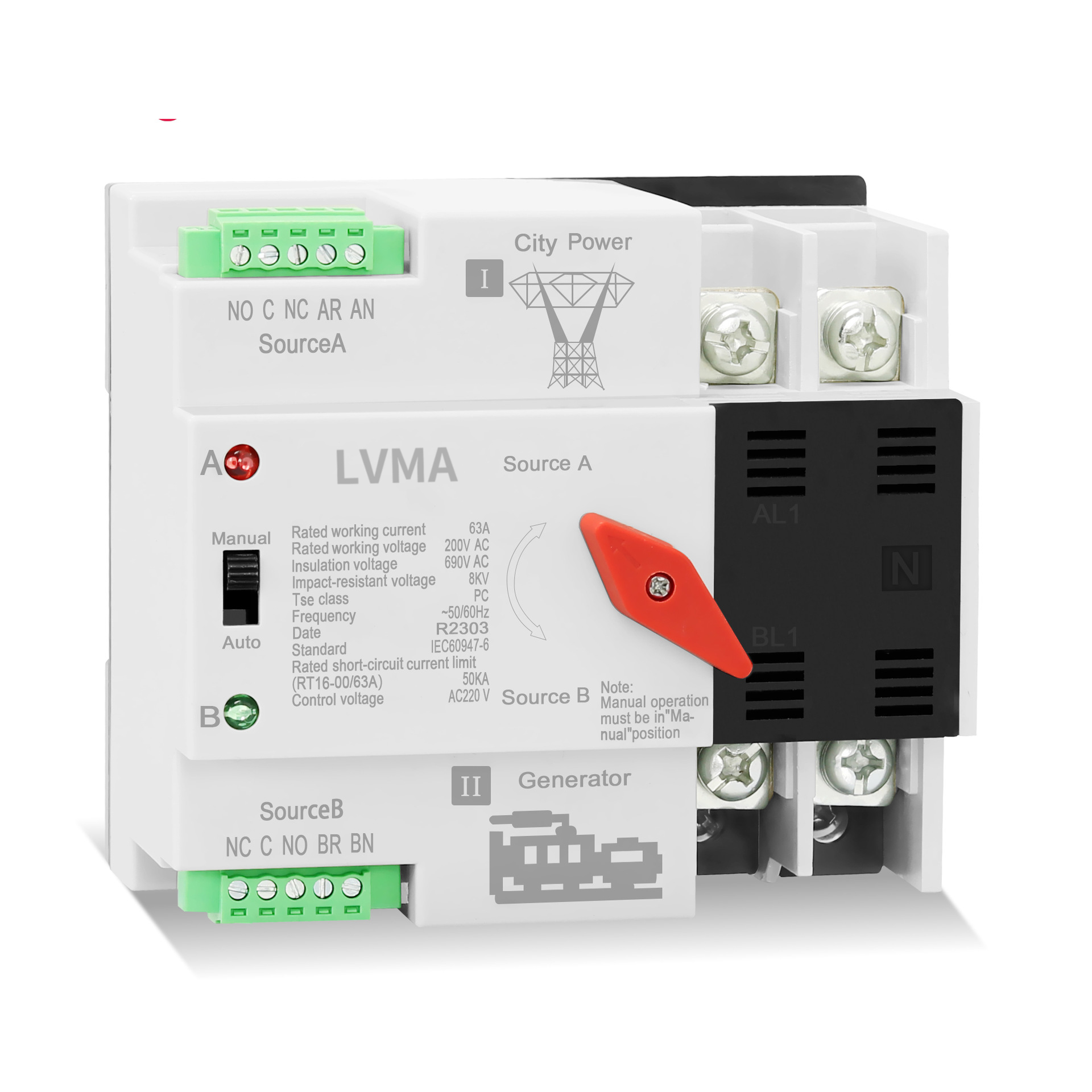 Ats 100A,Automatic Transfer Switch 2P 3P 4P LMQ4-100X
 LMS1-LA Series Automatic Transfer Switch ATS 100A
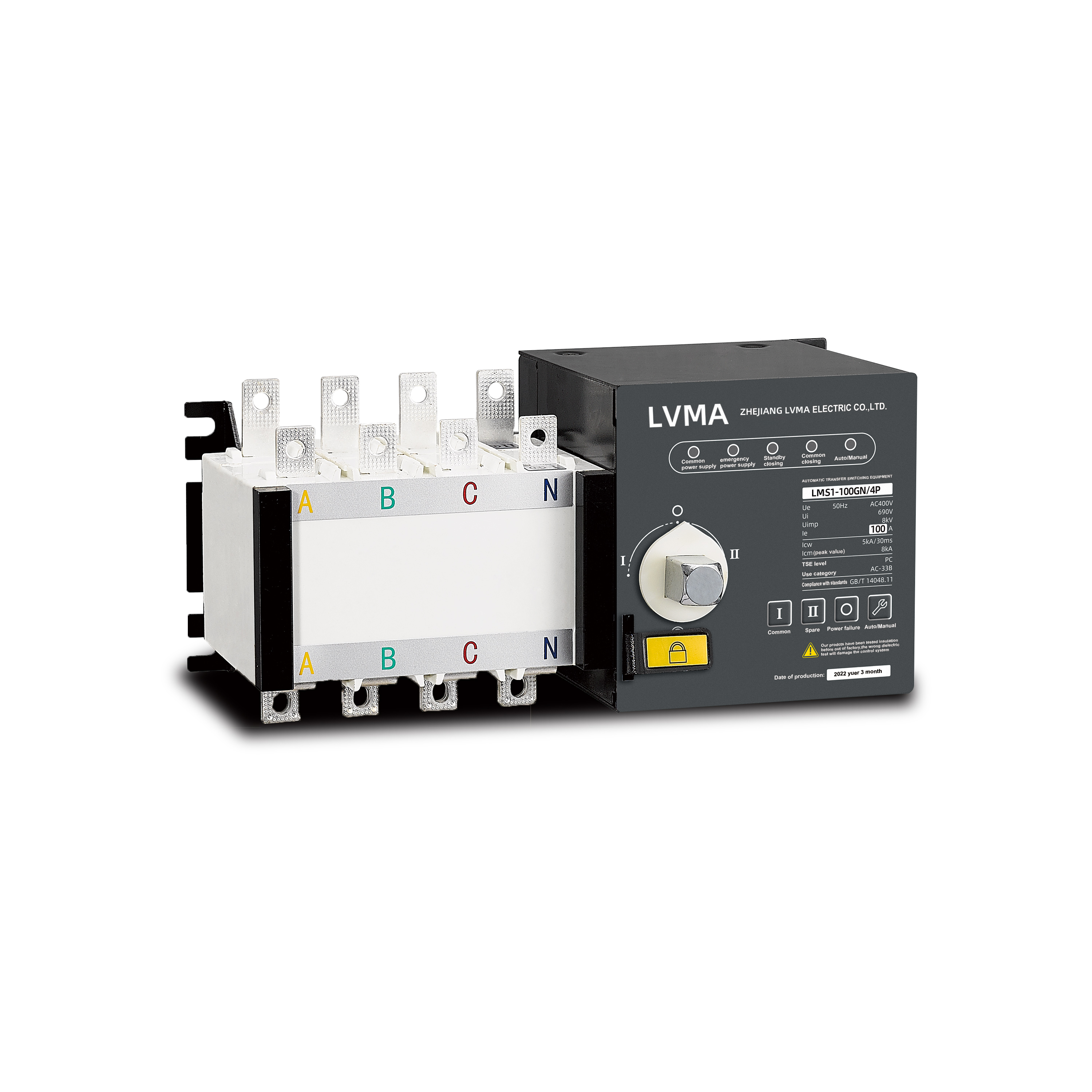 LMS1-GN Automatic Transfer Switch ATS 250A
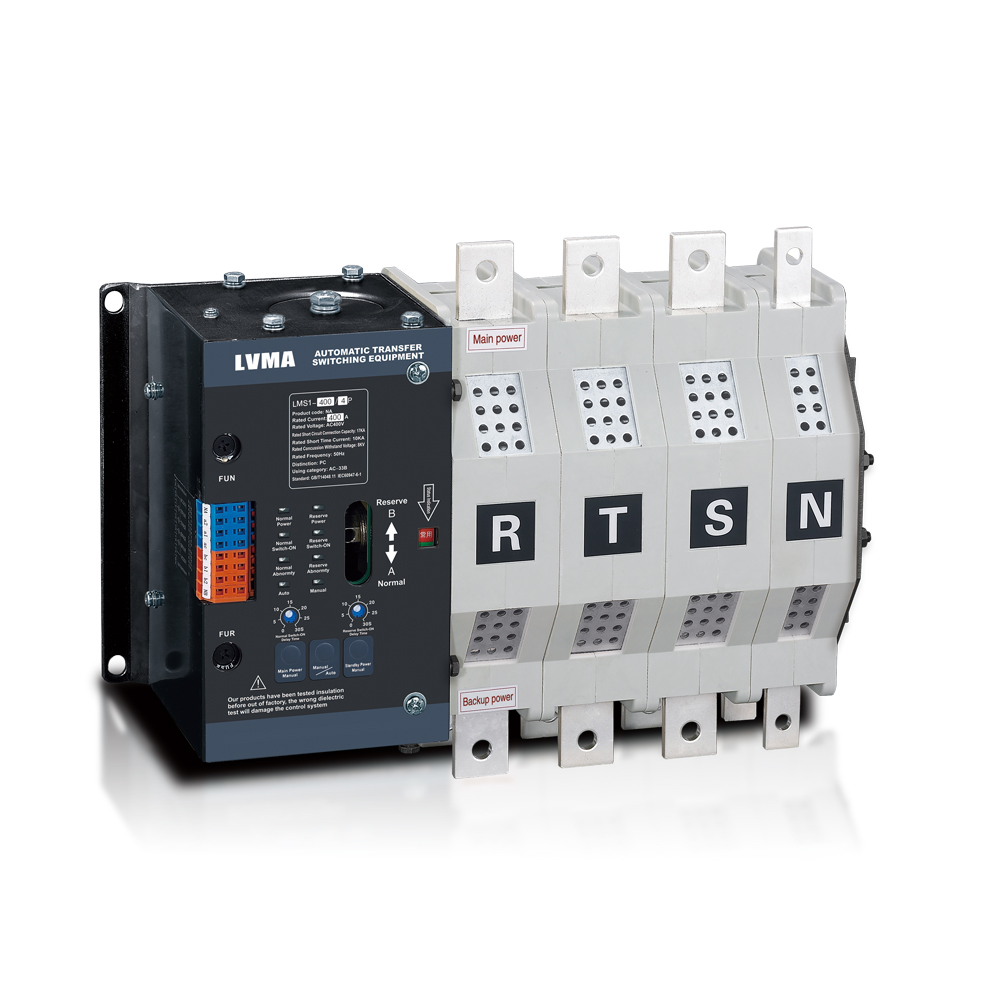 LMS1-NA Series Automatic Transfer Switch ATS 630A
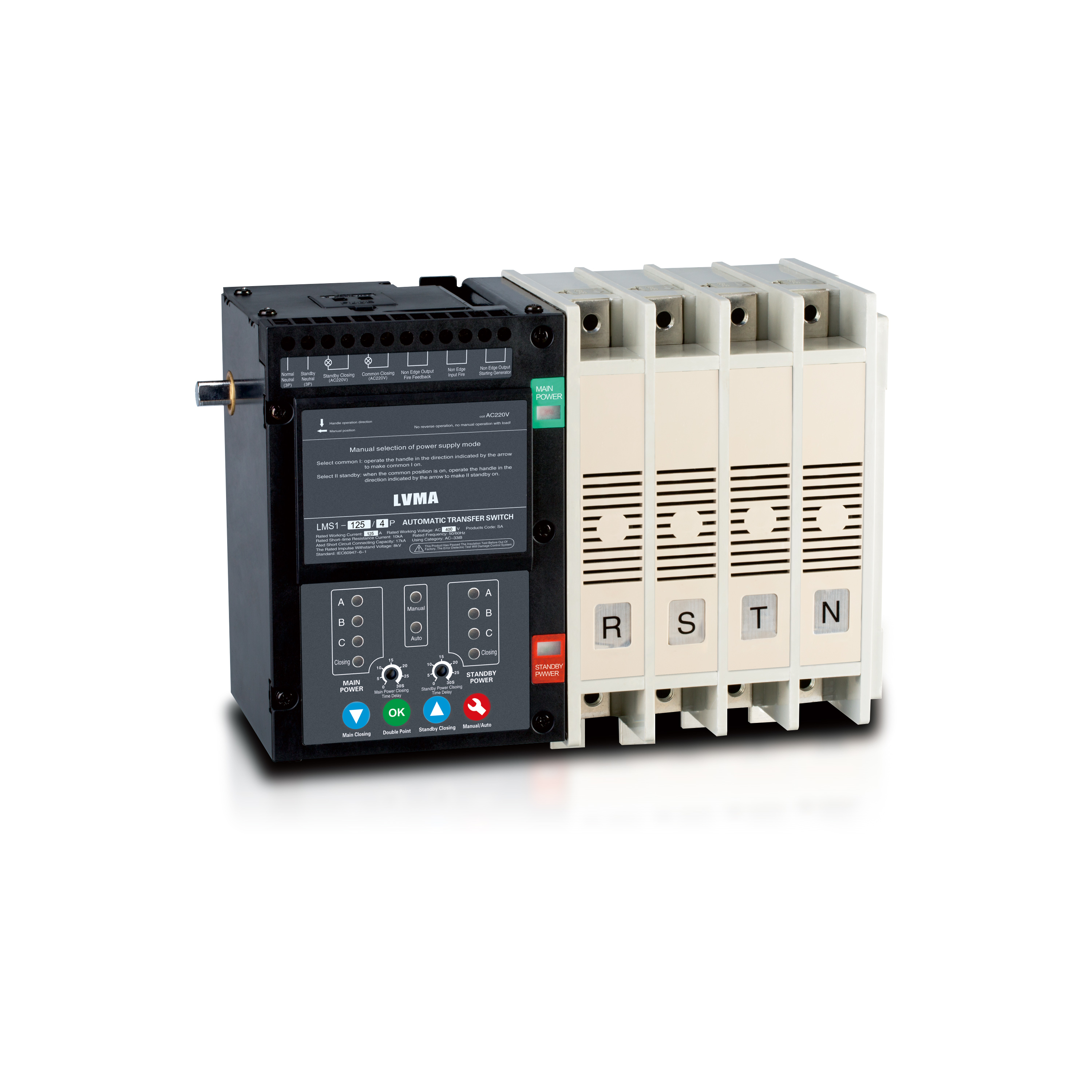 LMS1-LA3 Series PC Automatic transfer switch Ats 630A
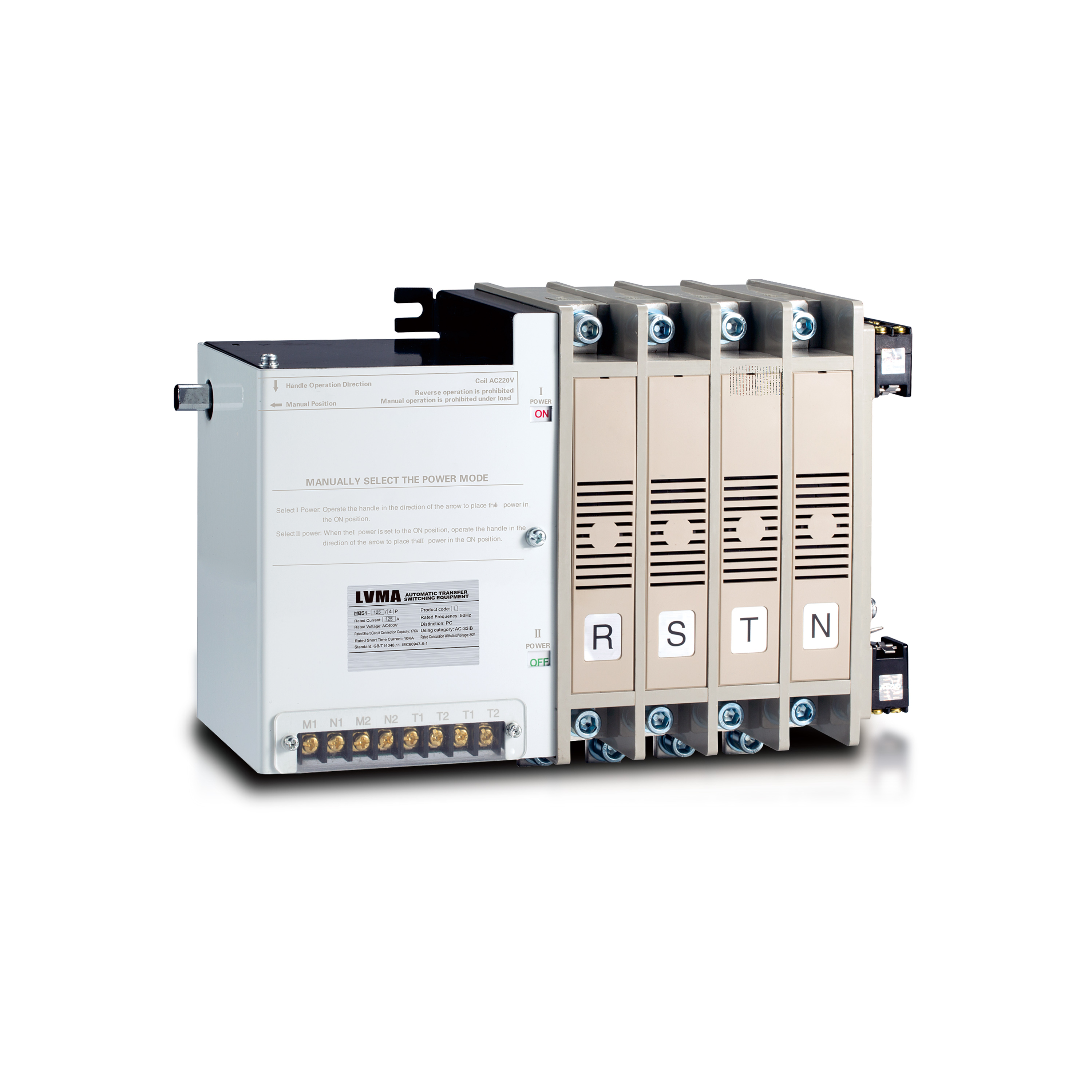 LMS1-L Series Automatic Transfer Switch Ats 630A
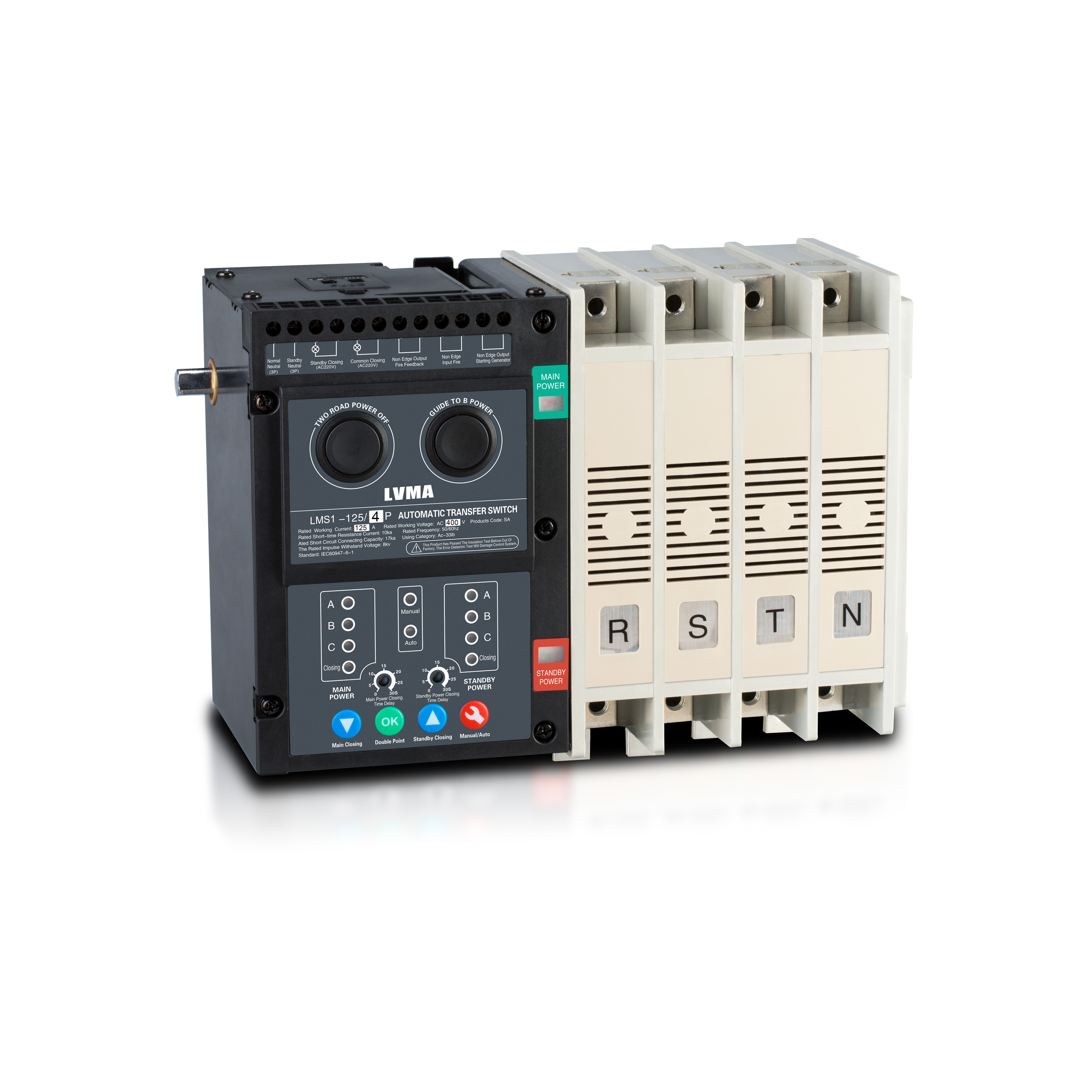 LMS1-SA Series PC Automatic transfer switch
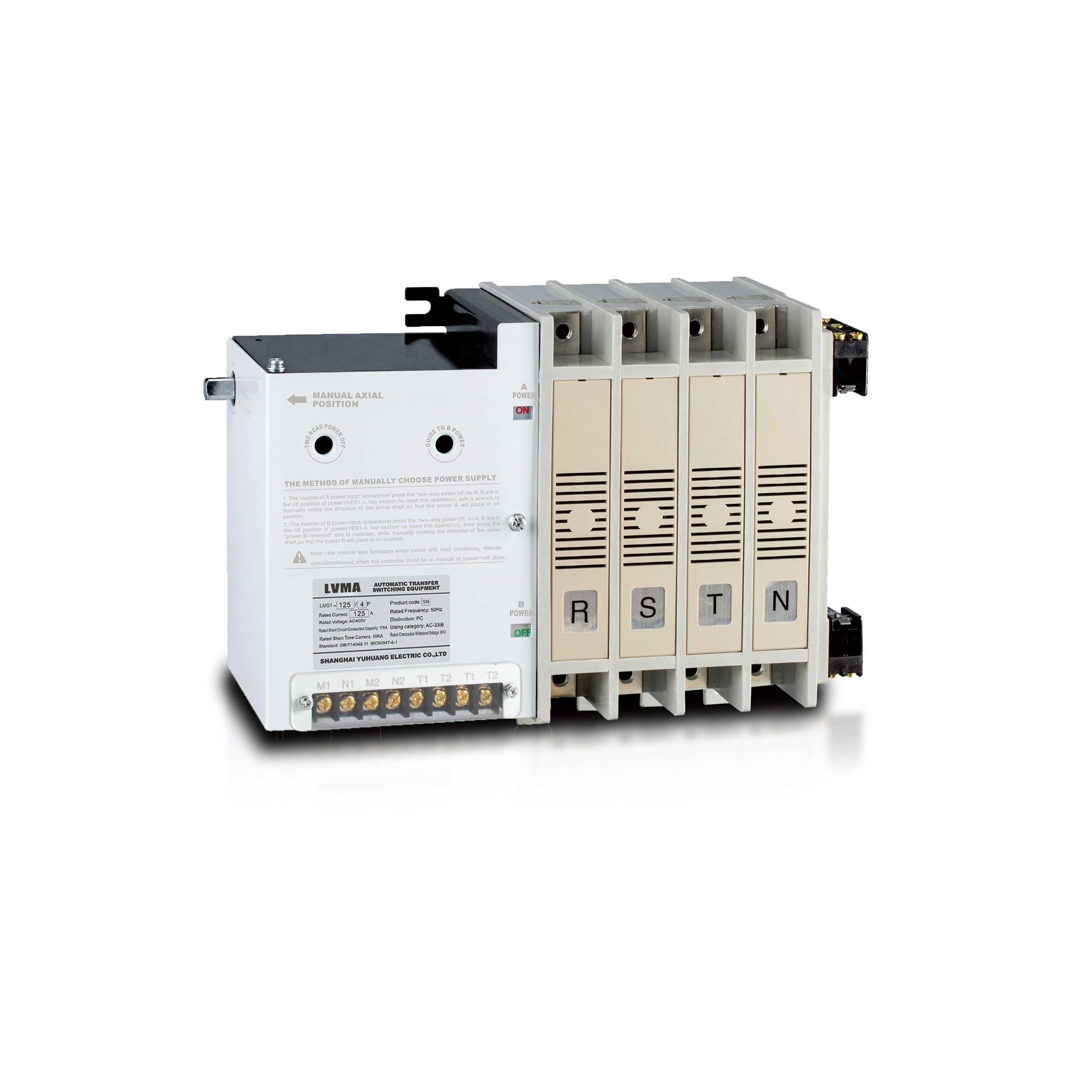 LMS1-SN Series Automatic Transfer Switch Ats 400A
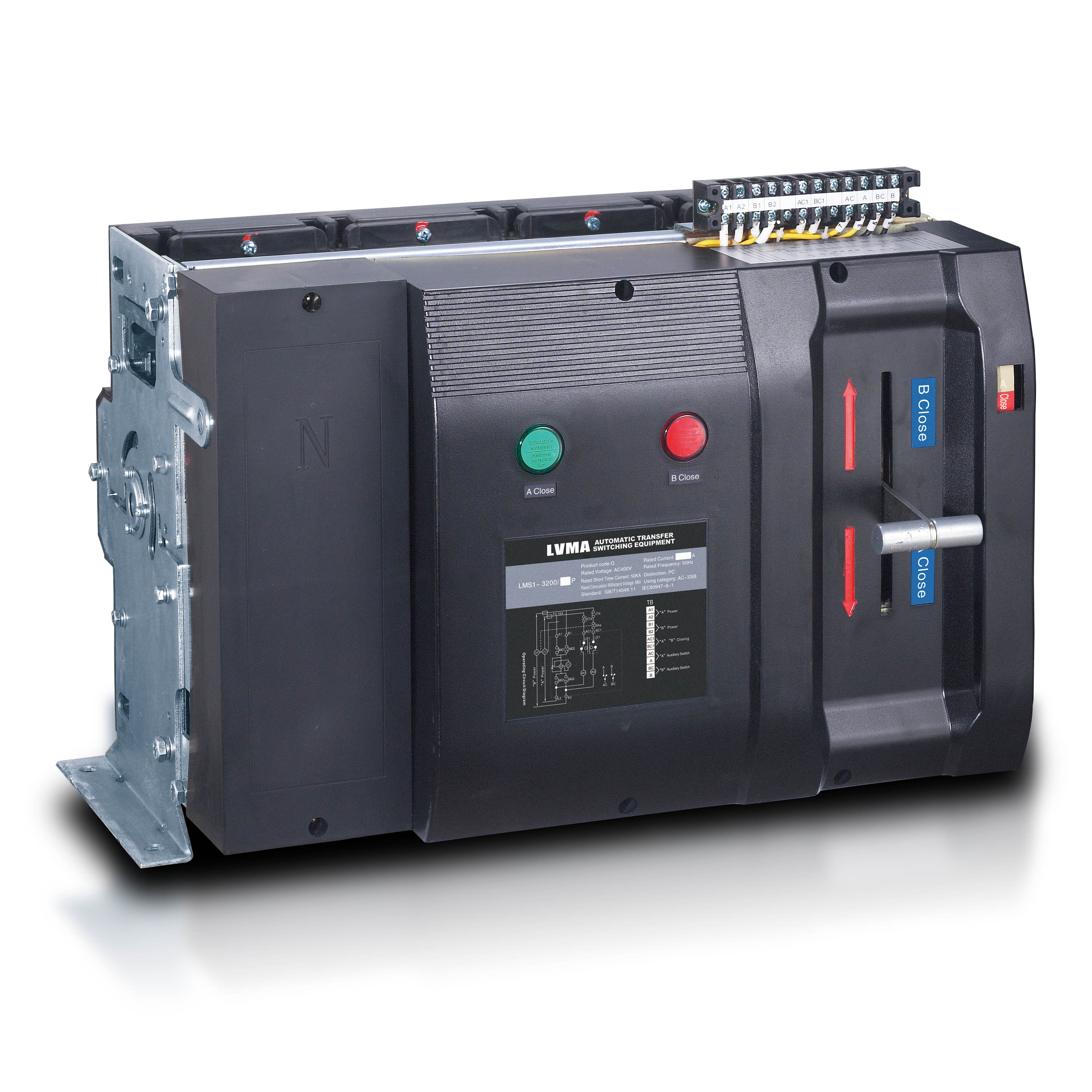 LMS1-Q Type Automatic Transfer Switch Ats 3200A
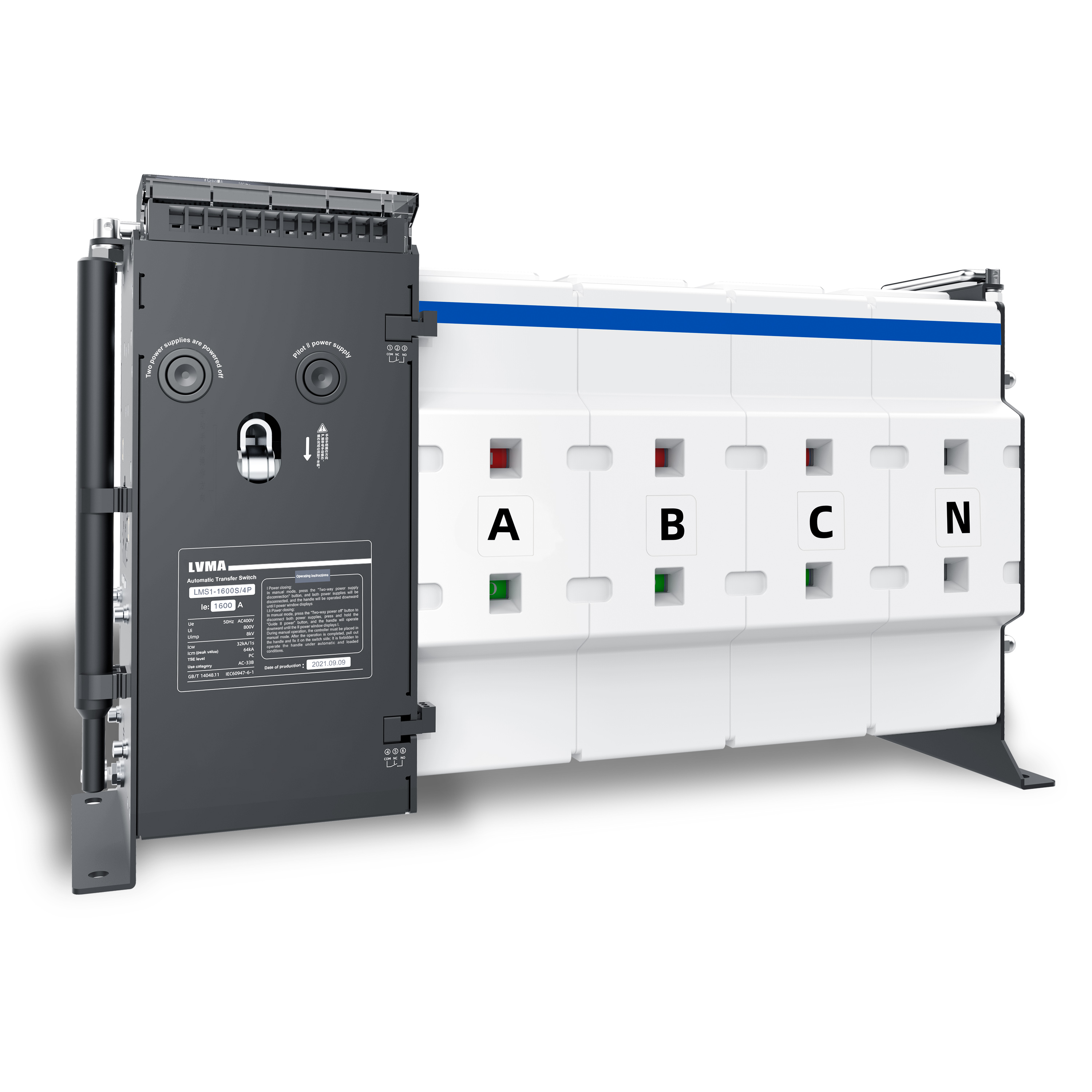 LMS1-SN Automatic Transfer Switch Ats
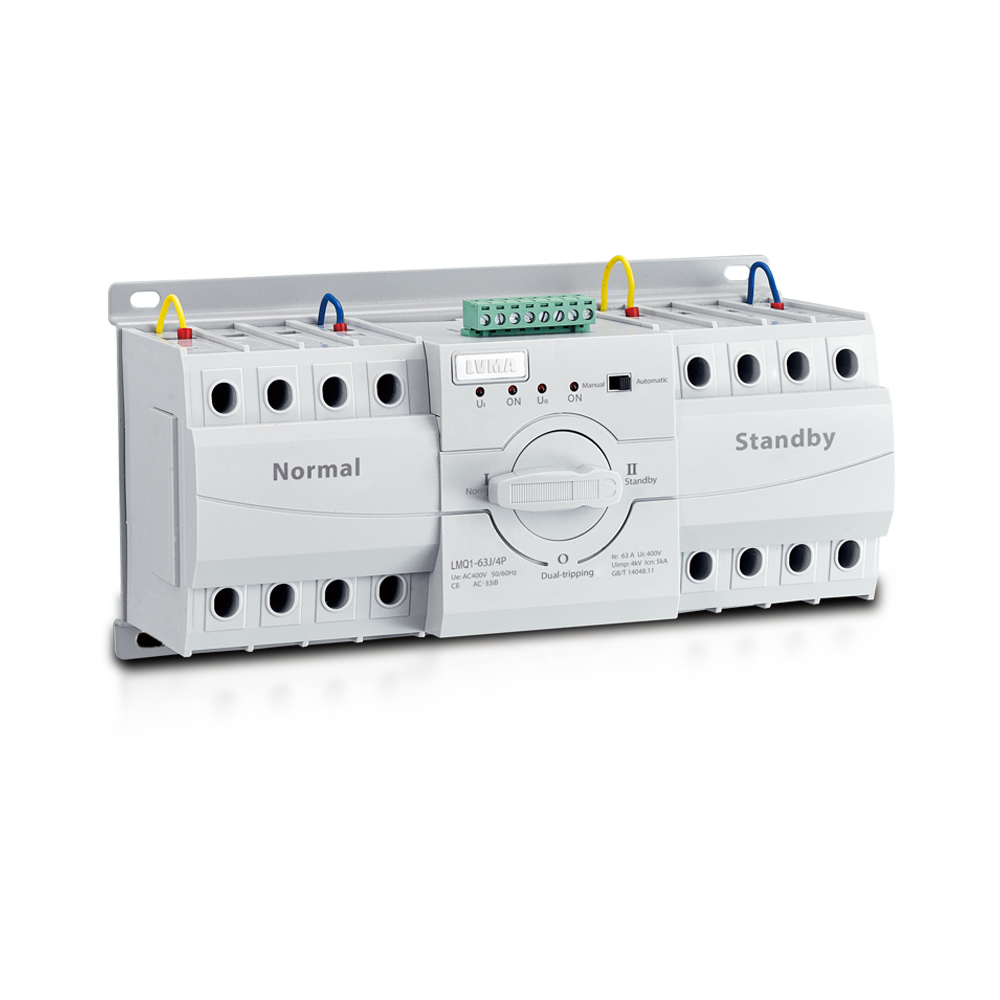 LMS1-J Series Automatic Transfer Switch Ats 63A
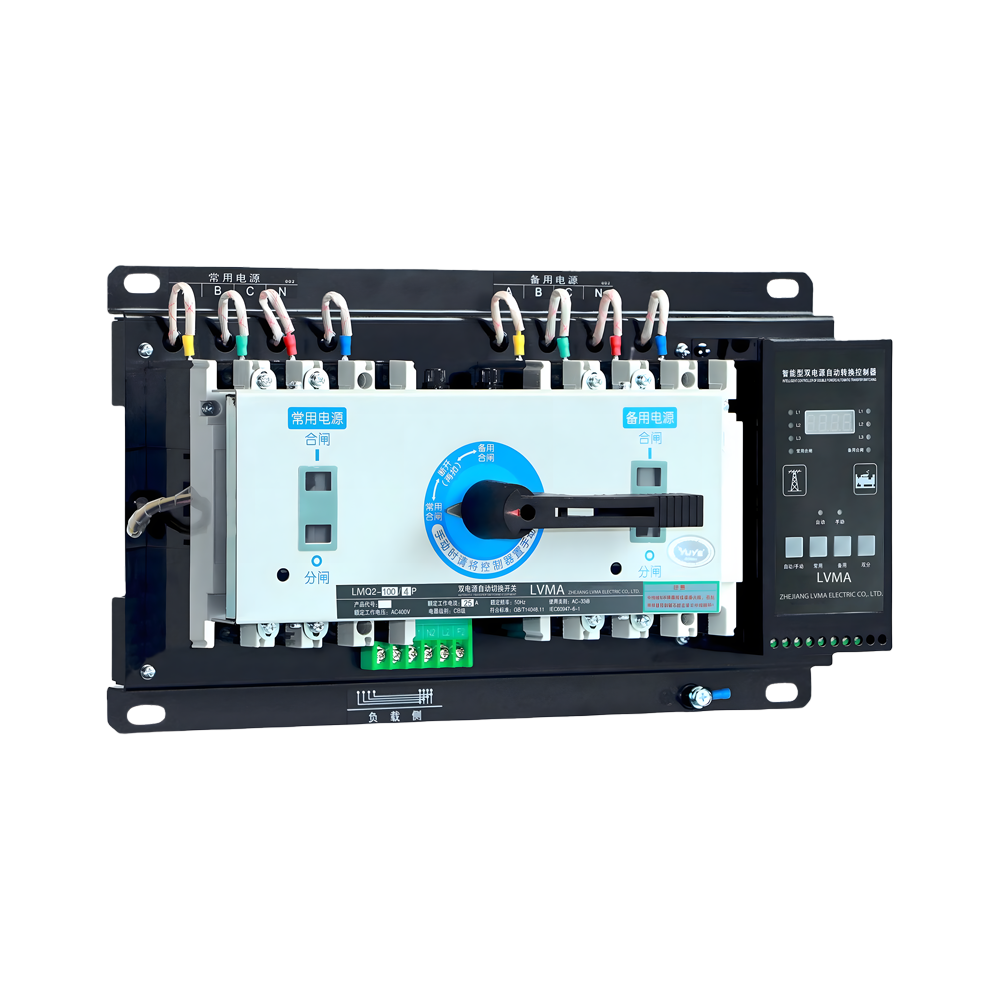 LMQ2Y Series Automatic Transfer Switch CB Class
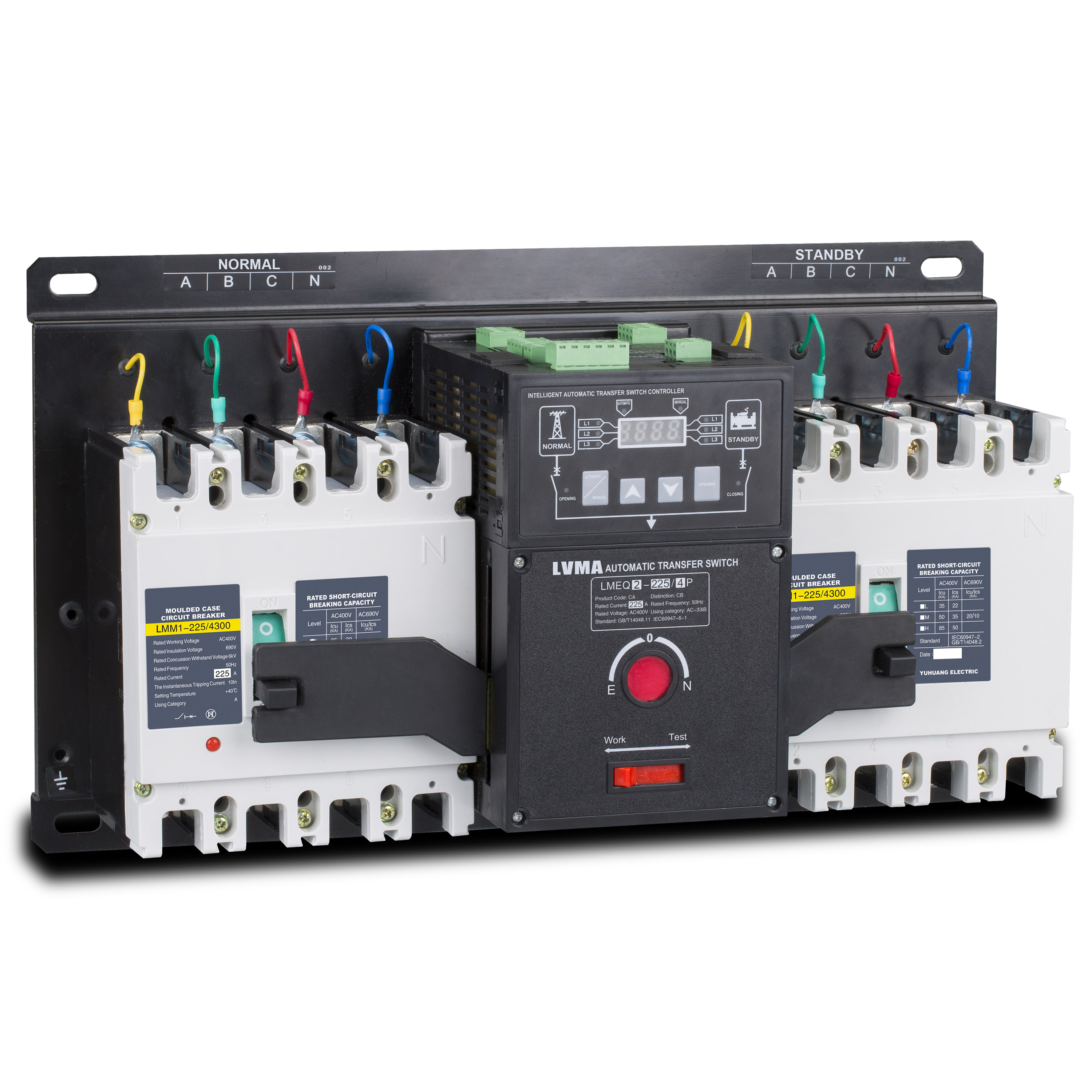 LMQ2CB Series Automatic Transfer Switch
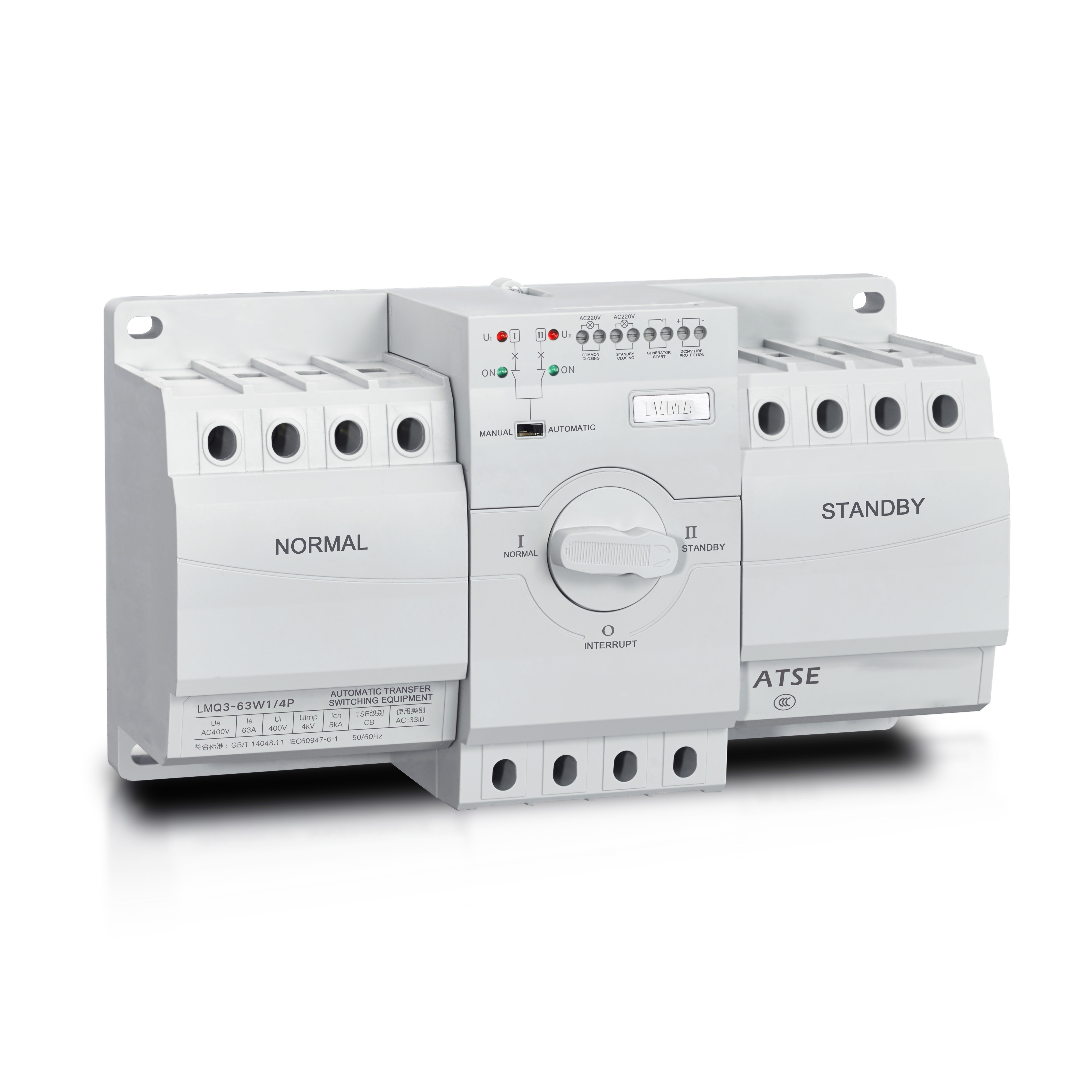 LMQ3-W1 Automatic Transfor Switch Ats 63A
 LMQ3-W1 Automatic Transfor Switch ats 630A
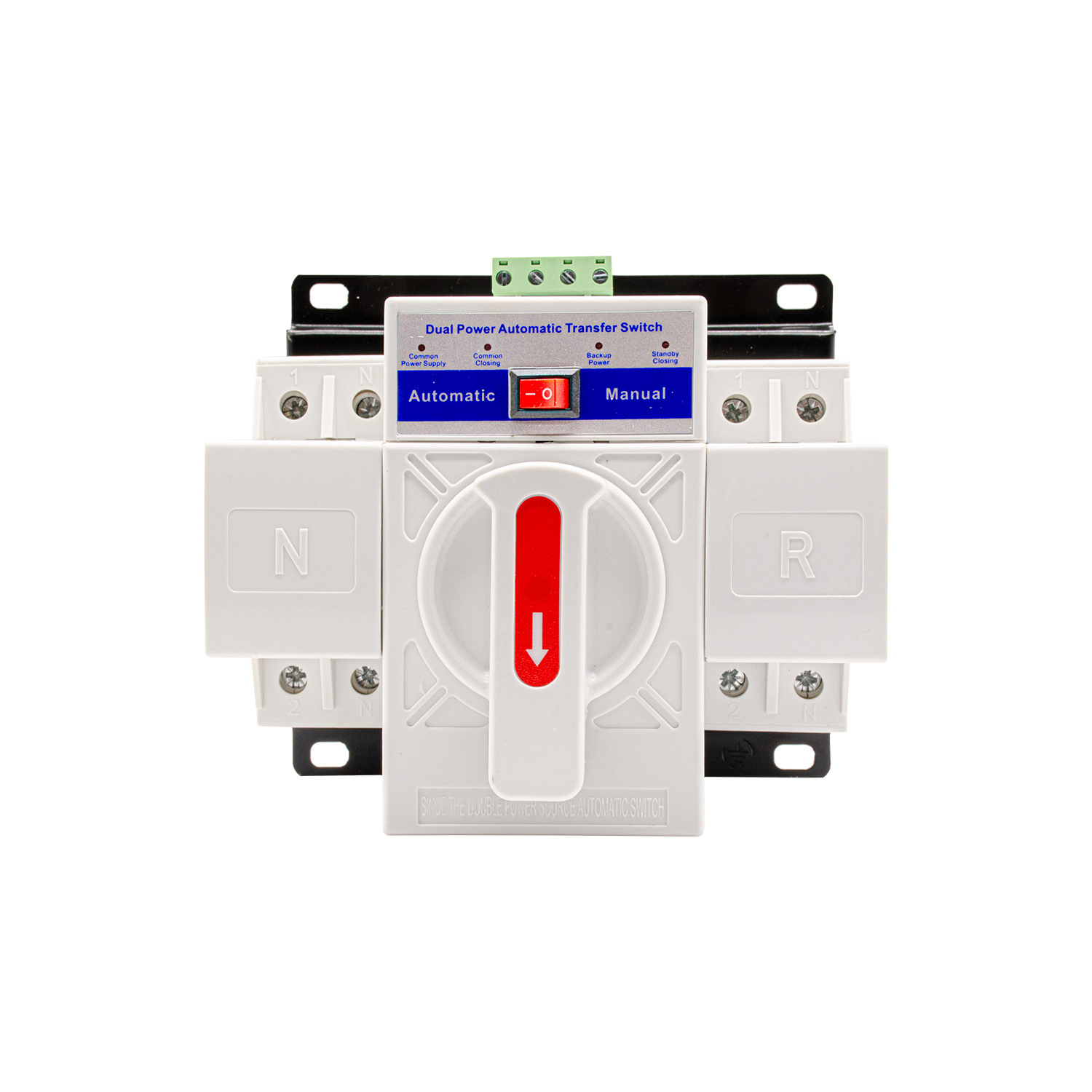 LMQ4-63M 63A Automtic transfer Switch 2P 3P 4P
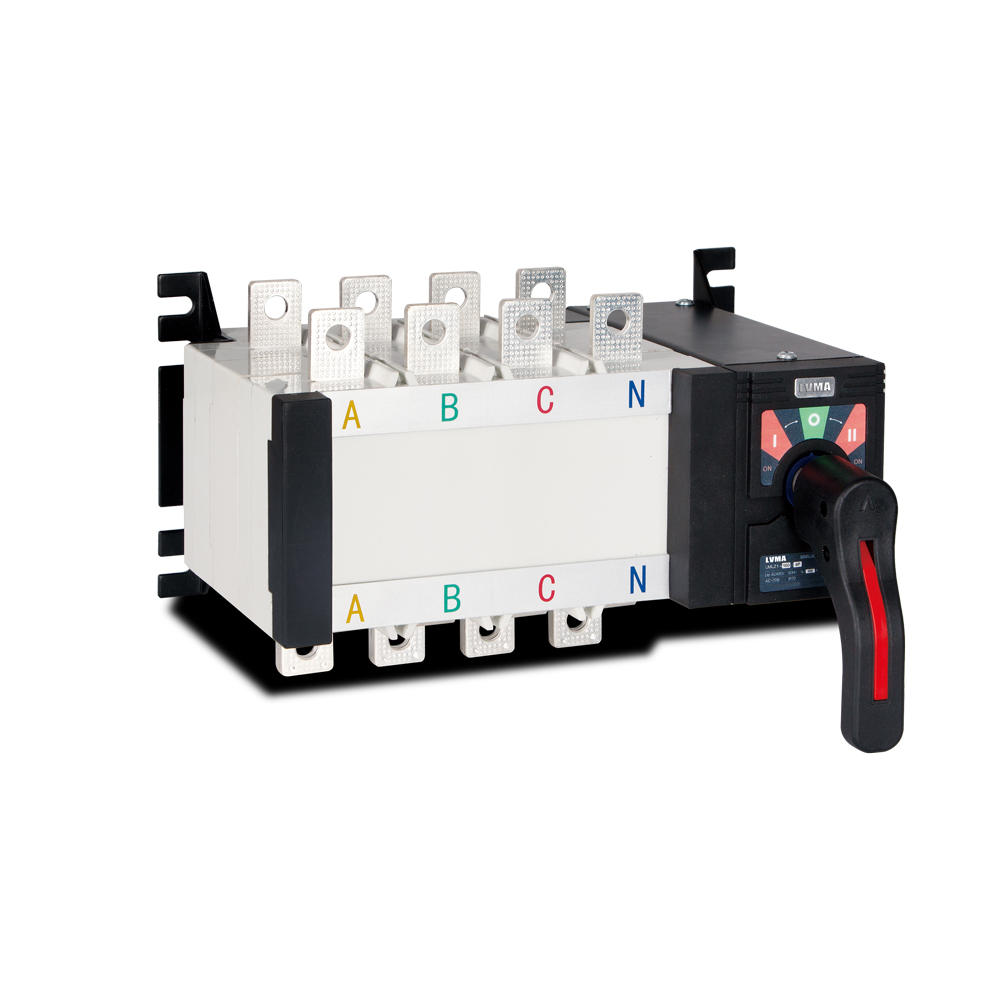 LMGLZ1 Manual Transfer Switch (100~630A)
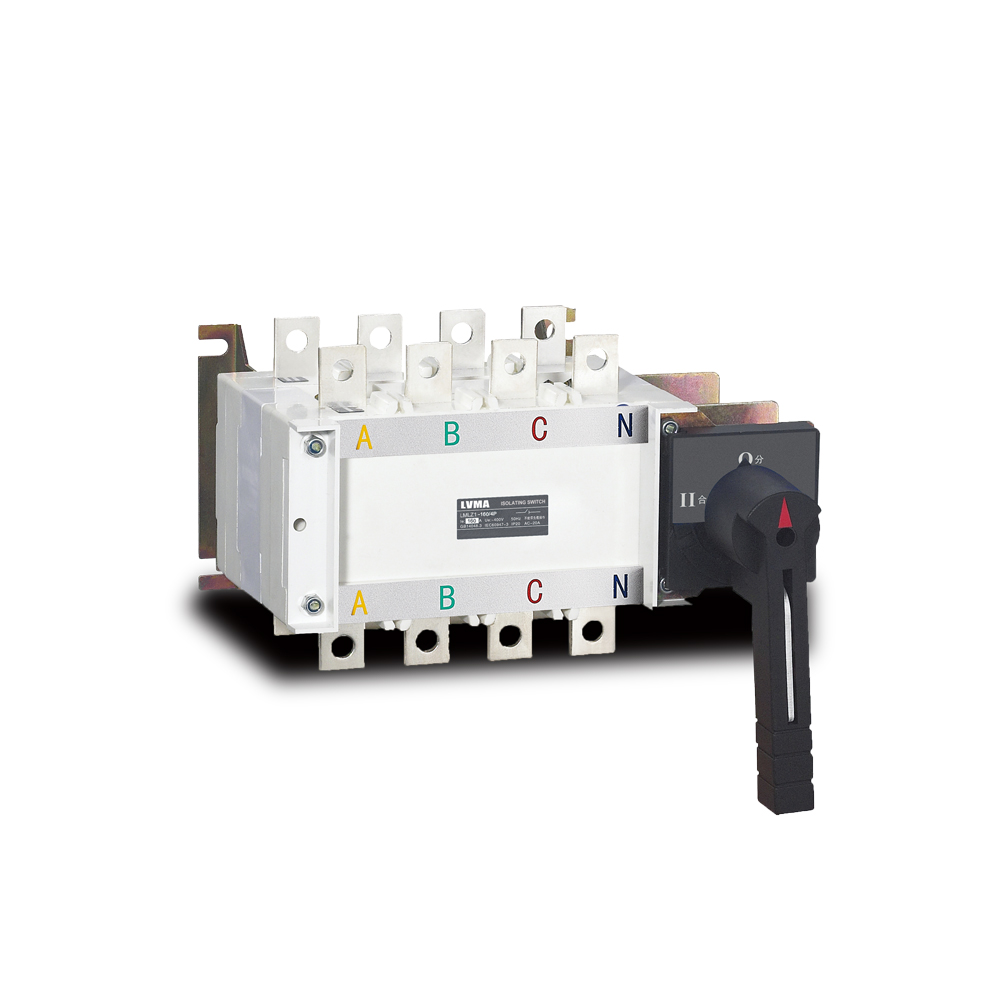 LMGLZ Manual Transfer Switch (100~630A) Changeover Switch
 Y-700 Automatic Transfer Switch Controller
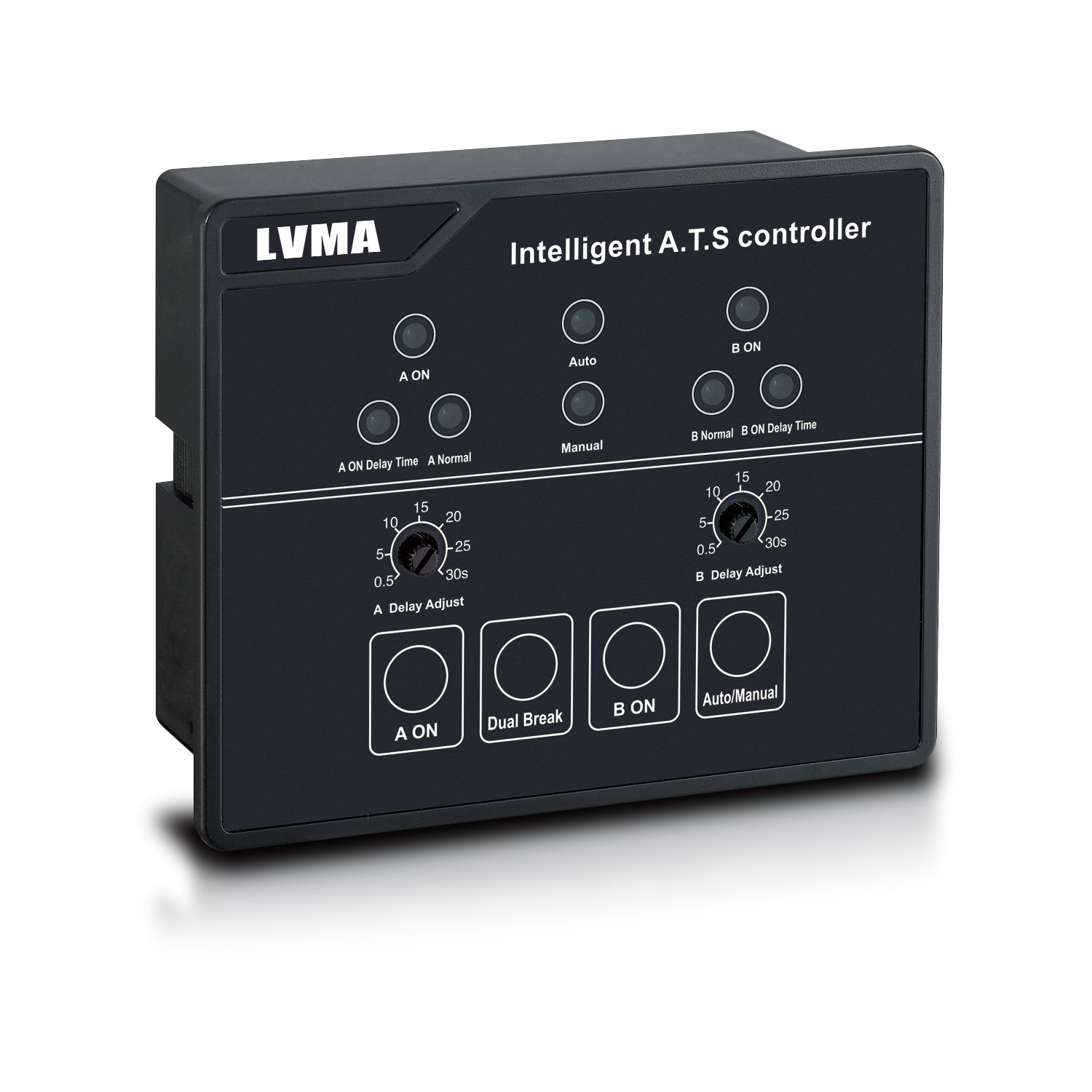 Y-701 Automatic transfer switch controller
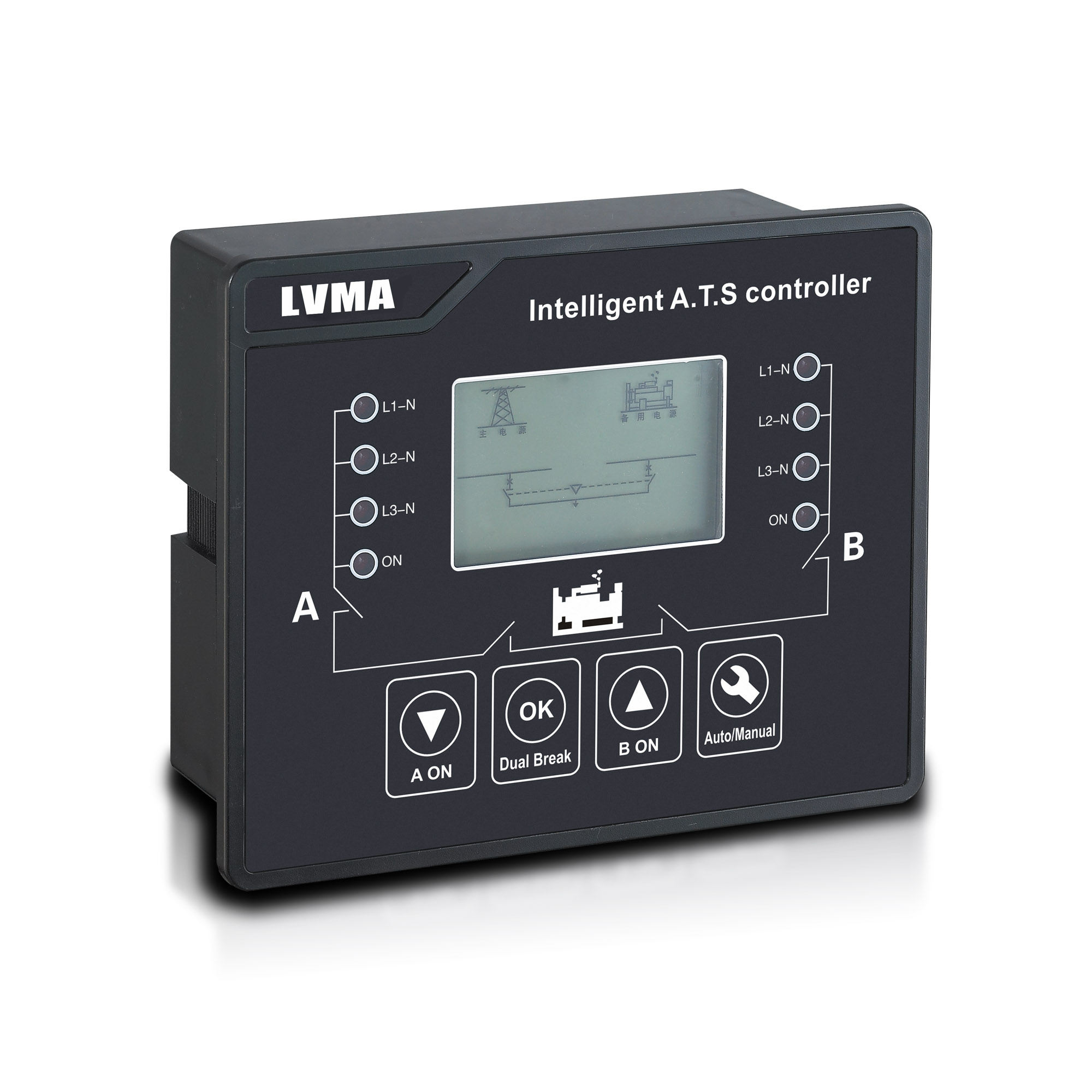 Y-702 Automatic Transfer Switch Controller
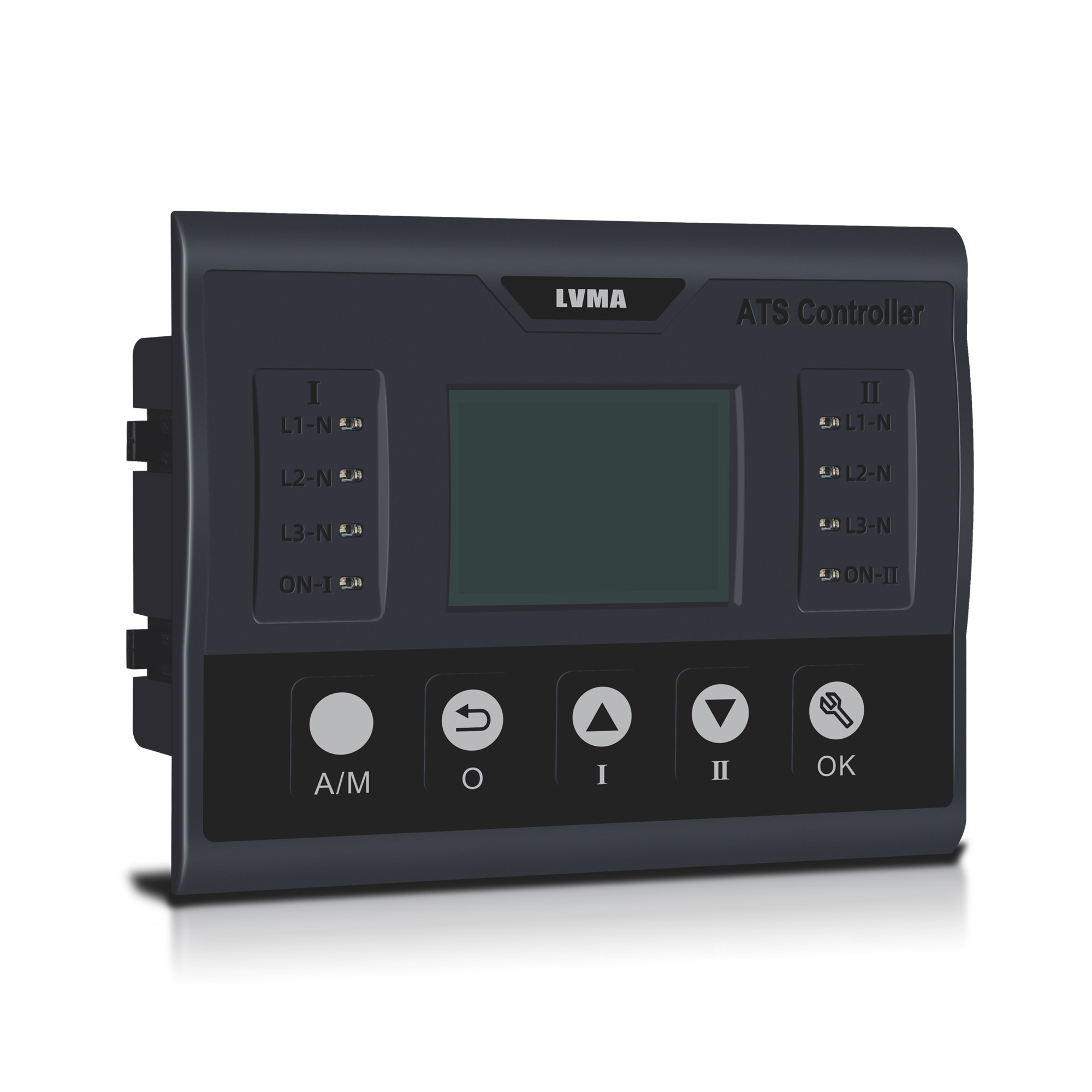 Y-703 Automatic Transfer Switch Controller
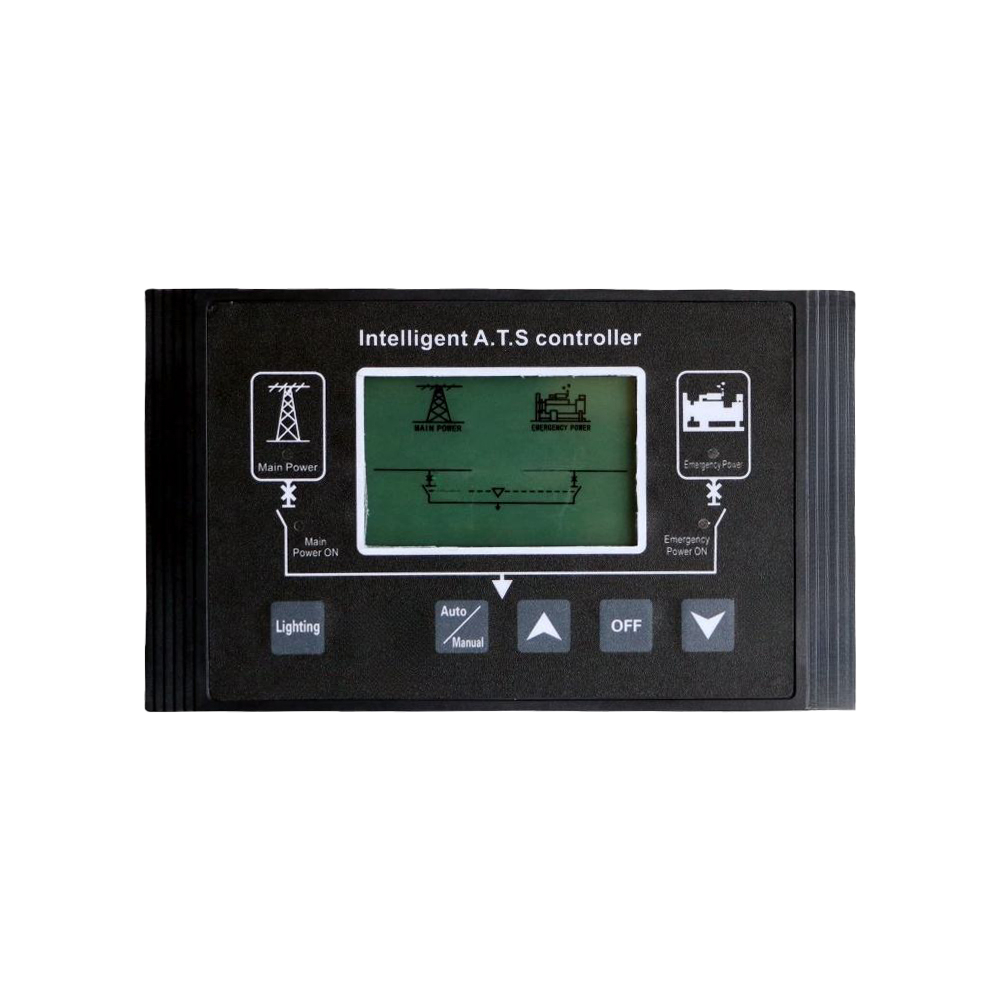 W2、W3 Automatic Transfer Switch Plug-In Led Digital Controller
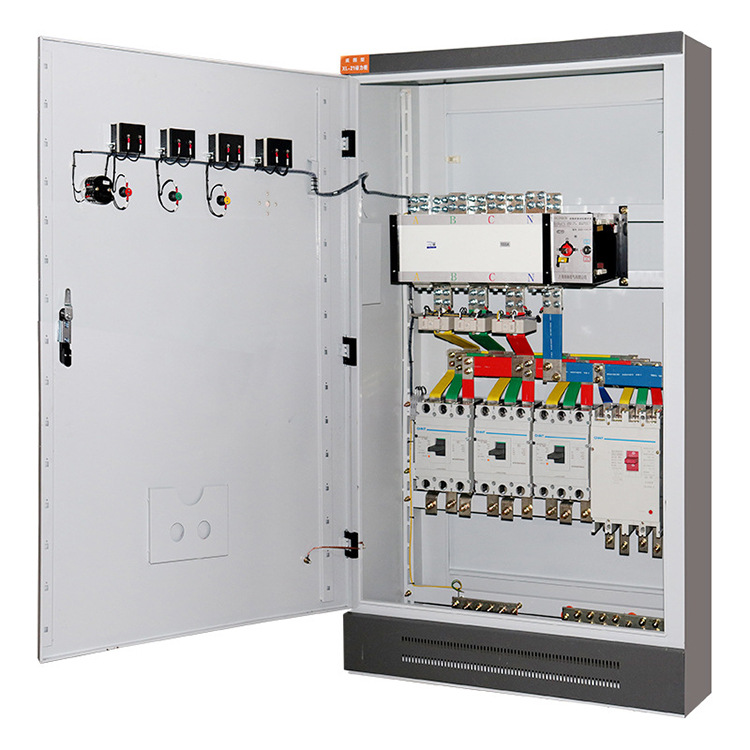 Customization-Automatic Transfer Switch Cabinet 100A Ats
 Dual Power Supply Control Cabinet - Automatic Transfer Switch
 Ats Cabinet - Automatic Transfer Switch