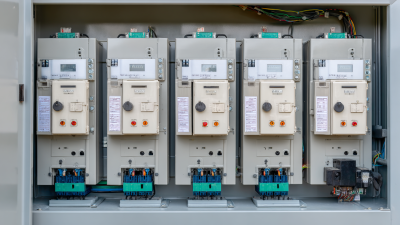
When you're trying to pick the right model for your needs, it's pretty important to really understand the ins and outs of the ATS 630a. This device has been getting a lot of buzz in the industry lately, mainly because it’s reliable and packed with cool features. According to a recent report from the Tech Research Institute, about 70% of users focus on efficiency and compatibility when they're shopping around for these kinds of models. Getting the right one can really give your productivity a boost.
Industry expert Dr. James Carter, who's well-known for his work with automation systems, points out that choosing the perfect ats 630a isn't just about ticking boxes on features. He says, "It's really about how well it meshes with your existing setup." That just goes to show how important it is to think things through carefully.
Of course, while the ATS 630a offers tons of benefits, it’s worth taking a step back and considering whether a particular model really fits your operation. Not every model is a perfect match for every situation. Sometimes, the fancy features come with a higher price tag, which can be a bit of a downer. So, understanding what you actually need is key. Striking that balance between what it does and what it costs can sometimes be tricky, but it’s worth the effort to find the right fit.

Understanding the ATS 630A Model and Its Features
When selecting the ATS 630A model, understanding its features is crucial. This model is designed to offer versatility and user-friendly operation. It typically includes features like enhanced monitoring, efficient data processing, and customizable settings. Such specifications make it ideal for various applications, from industrial automation to data logging.
Industry reports indicate that the ATS 630A competes well in reliability, with failure rates below 5%. Users often prioritize durability and ease of use when choosing models, making the ATS 630A a tempting option. However, not all users require high-end features. Evaluating your specific needs is essential. Consider whether you're utilizing all functionalities or if simpler models might suffice.
Tips for buyers: Be clear on your key requirements before purchasing. Understand how the model integrates with your existing systems. Also, review user feedback regarding long-term performance. Balancing features and budget is critical for maximizing value.
Identifying Your Specific Needs and Requirements
Choosing the right model for your needs involves understanding specific requirements. Start by assessing your power demands. Consider how much load you will run and the type of equipment involved. According to a recent industry report, 70% of downtime can be narrowed down to inadequate power supply solutions. This statistic underscores the need for proper evaluations before selecting an automatic transfer switch 630a.
Next, delve into installation and maintenance factors. A complex setup can escalate costs over time. A survey revealed that 60% of users encounter challenges with installation and upkeep. In this context, charting a straightforward plan becomes crucial. You also need to think about scalability. An ideal model should adapt to future needs without incurring exorbitant upgrades.
Every decision should reflect your unique context. A model that fits one scenario may not suit another. Reflecting on past experiences can guide you in making informed choices. Consider trial and error as part of the process. Thoughtful evaluation and adjustmentare key to finding the right automatic Transfer Switch 630a for your operations.
Comparing Different ATS 630A Variants
When selecting an ATS 630A model, understanding the different variants is crucial. Each variant is designed with specific features that cater to diverse operational needs. According to industry reports, about 70% of organizations find that a tailored ATS solution enhances their operational efficiency. This data suggests that matching the model to specific needs is essential for optimal performance.
Tip: Assess your specific use case. Determine the scale of your operations, whether you need advanced analytics, or if basic tracking suffices. This can significantly influence your choice.
Different ATS 630A models may offer features such as scalability, integration capabilities, and user interfaces that vary in complexity. This variety can confuse potential buyers. For instance, some models provide robust data analytics while others focus on user-friendliness. Industry findings indicate that 60% of users prioritize ease of use over advanced features. It's worth reflecting on which aspects truly matter for your organization.
Tip: Engage with existing users in forums or webinars. Collecting firsthand insights can guide you toward making an informed decision. Evaluating user experiences helps identify potential drawbacks of each model.
Evaluating Performance and Efficiency Metrics
When selecting a model like the ats 3200, evaluating performance and efficiency metrics is crucial. Metrics often dictate the practicality of a model in real-world situations. Industry reports suggest that models with higher performance ratings can consume 15-20% less energy than their lower-performing counterparts. This efficiency translates to significant savings in operational costs over time.
Diving deeper into
performance metrics, look for data on processing speed and energy consumption. Some high-quality models demonstrate a
processing speed increase of up to 30%. However, not all metrics are relevant for every user. Some users may prioritize speed, while others focus on energy efficiency.
Awareness of these priorities is essential in making an informed decision.
Reflection is key here. While some models shine in specific metrics, they may fall short in others. A model with stellar performance might not suit your needs if it lacks
flexibility or has high maintenance costs. Make sure to assess the model comprehensively, beyond just the impressive numbers. The Ats 3200, for instance, may boast excellent performance metrics, but it's vital to align those with your
unique requirements.
Assessing Cost-Effectiveness and Budget Constraints
When considering the ats 63A model, understanding cost-effectiveness is crucial. Budget constraints can vary significantly. It’s essential to assess your specific needs first. How does this model fit into your existing infrastructure? Conducting a thorough cost analysis can reveal the long-term benefits that justify the initial investment.
Explore the balance between features and costs. A cheaper alternative might save money upfront but lead to higher maintenance costs. Evaluate how often you will use the ats 63A. If it’s a frequent necessity, it may warrant a higher budget. Avoid impulsive decisions driven by flashy features that don’t add real value.
Reviewing and reflecting on your choices can highlight areas of improvement. Gathering data from previous installations can guide your selection process. Don’t overlook user experiences and expert opinions. Each detail matters when making an informed decision on the right model for your needs.
Ats 630a: How to Choose the Right Model for Your Needs?
This chart illustrates the cost-effectiveness of different models based on their initial investment and long-term savings. The data represents hypothetical average values to help guide decision-making.
Seeking Expert Recommendations and User Reviews
When choosing the right model, expert recommendations are invaluable. They provide insights based on experience. User reviews also play a crucial role. Reading about others’ experiences can reveal what you might miss. People often share their excitement, but they also voice concerns. Pay attention to the pros and cons shared in these reviews.
Tips: Look for models with consistent positive feedback. If multiple users praise a specific feature, it’s likely a strong point. Likewise, if many reviews mention a drawback, take it seriously. Your needs matter; balance excitement with practicality.
Another consideration is expert advice. Professionals often test models under various conditions. Their evaluations can highlight features that may not be evident initially. They emphasize durability, efficiency, and value for money. Review their insights for a more informed choice.
Tips: Seek out forums or blogs where experts and users interact. This discussion can uncover hidden gems or common pitfalls. Keep an open mind while reading reviews. No model is perfect, and every option has its strengths and weaknesses.
Finalizing Your Choice: Making an Informed Decision
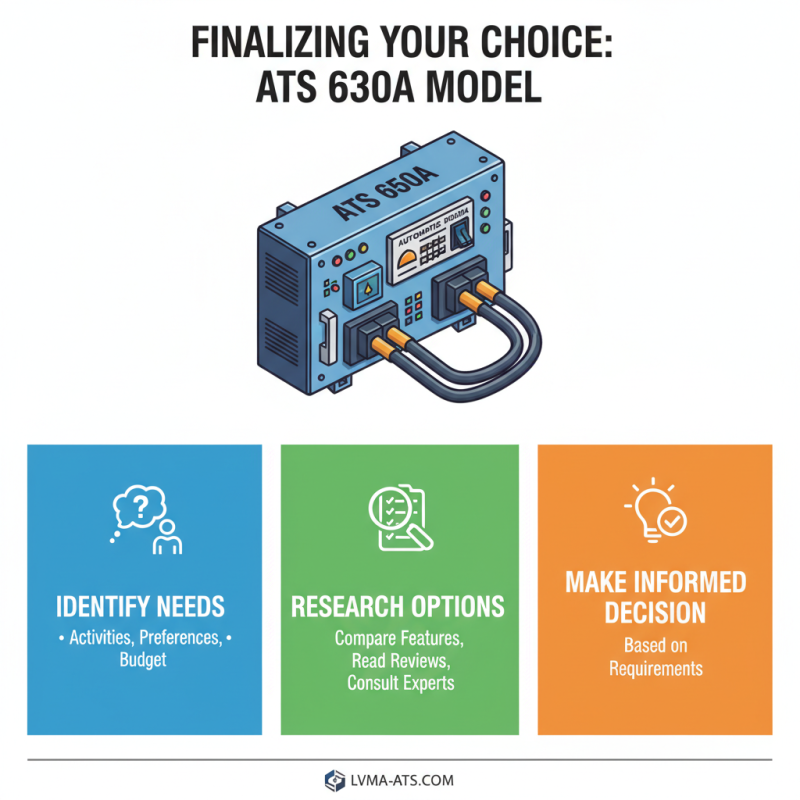
Choosing the right model, like the ats 630a, can be daunting. With so many options, it's easy to feel overwhelmed. Start by identifying your specific needs. Consider your activities, preferences, and budget. The more you know about your requirements, the easier it will be to narrow down your choices.
When you have a few options, evaluate their features. Look for reliability and performance. Don’t overlook user reviews. They provide valuable insights into real-world experiences. Many might share both pros and cons. This feedback can help you make informed choices. Sometimes, a less popular model can be the best fit.
Tip: Create a pros and cons list for each model. It makes comparing easier. Also, think long-term. Will the model still meet your needs in a few years? Reflecting on future requirements is crucial. This ensures that your decision is sustainable and practical.
FAQS
: Identify your specific needs, activities, and budget. This clarity helps narrow down options effectively.
User reviews give insights into real-world experiences. They can reveal both advantages and disadvantages of a model.
Focus on reliability and performance. Enhanced monitoring and efficient data processing are key aspects.
Yes, not every user requires advanced functionalities. Evaluate if simpler models meet your needs.
Absolutely. Reflecting on future requirements ensures your model remains useful as needs evolve.
Create a pros and cons list for each model. It simplifies the comparison process significantly.
Balancing features and budget is critical. It maximizes value while meeting your essential requirements.
Reliability indicates how well a model performs over time. A low failure rate is preferable.
Yes, many models include customizable settings to fit different applications and user preferences.
Yes, long-term performance feedback helps assess durability and user satisfaction, guiding better choice.
Conclusion
The article titled "Ats 630a How to Choose the Right Model for Your Needs?" provides a comprehensive guide to selecting the appropriate ATS 630A model tailored to individual requirements. It starts with an overview of the features and specifications of the ATS 630A, enabling readers to understand its functionality. The article emphasizes the importance of identifying specific needs and comparing the various variants of the ATS 630A, facilitating a more informed choice.
In evaluating the ATS 630A models, it discusses performance and efficiency metrics that are crucial for decision-making, while also considering cost-effectiveness and budget constraints. The article encourages seeking expert recommendations and reviewing user feedback to gather insights. Ultimately, it aims to empower readers to finalize their decision with confidence, ensuring that the chosen ATS 630A model aligns with their unique needs and expectations.


 中文

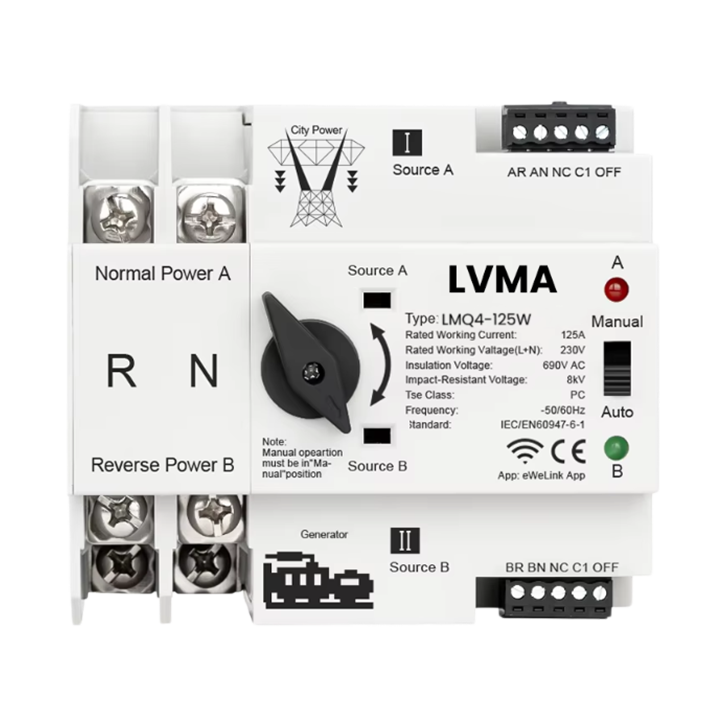 Wifi Ats 125A, Automatic Transfer Switch 2P 3P 4P LMQ4-125W
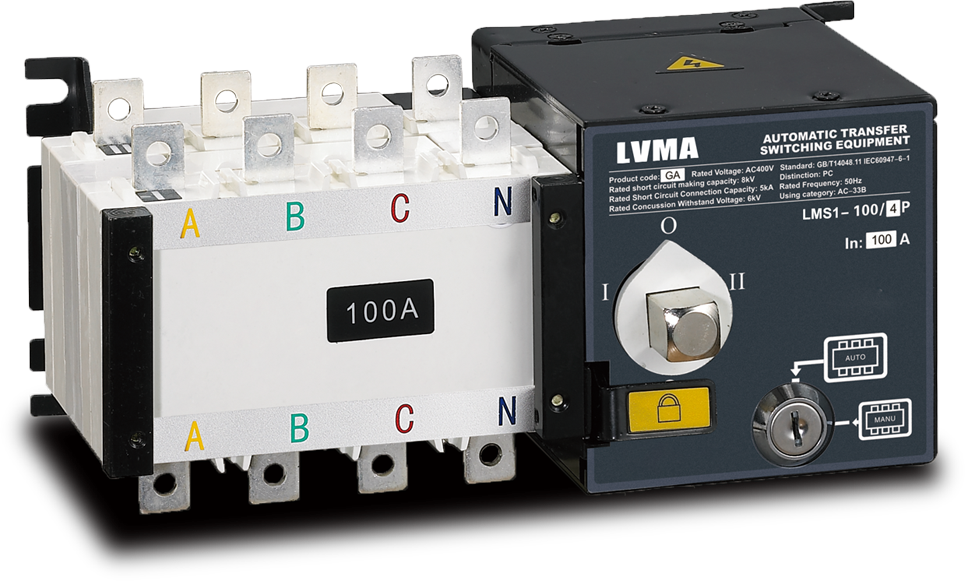 LMS1-GA series Automtic transfer Switch Ats 100A
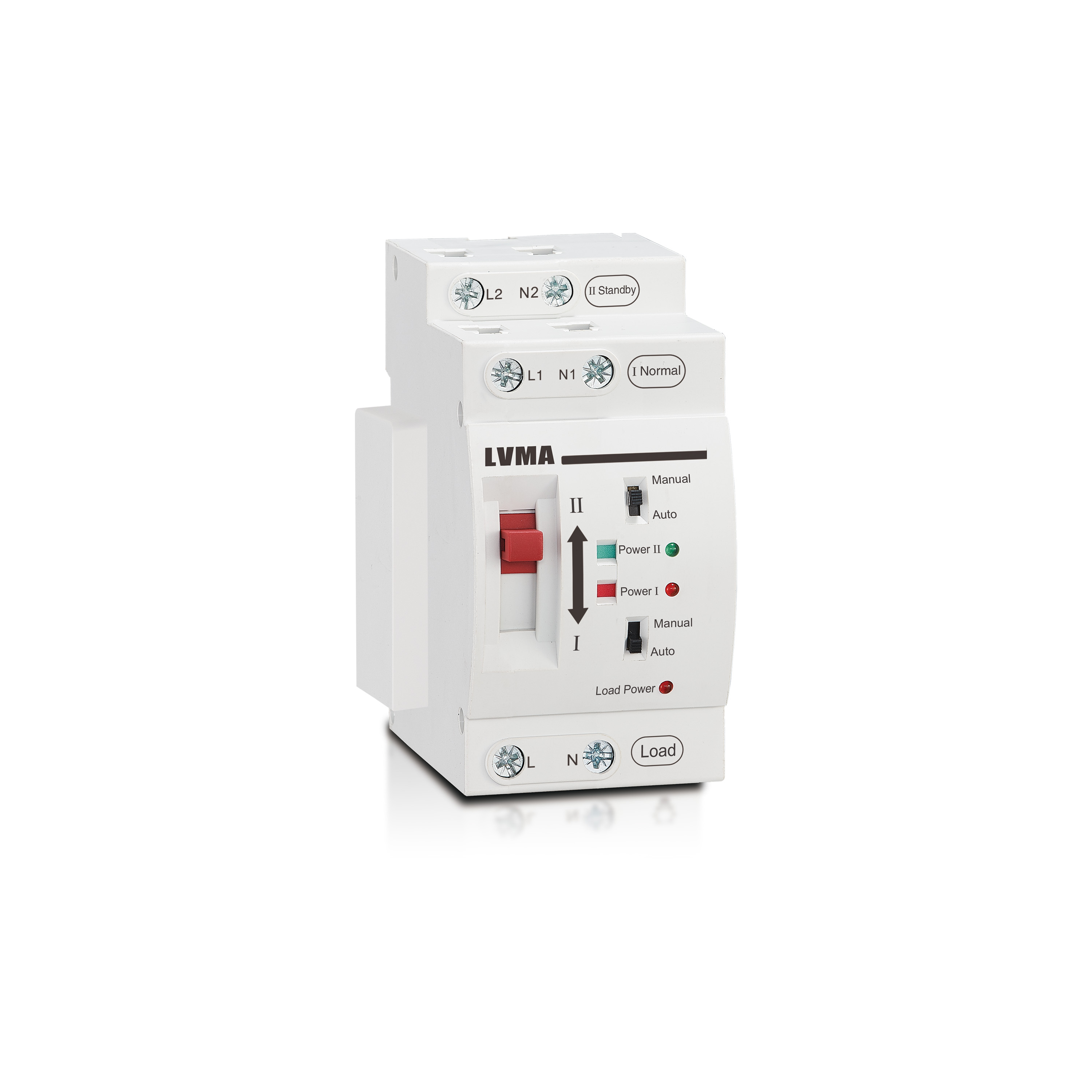 LMS1-NJT Series Automatic Transfer Switch Ats 63A
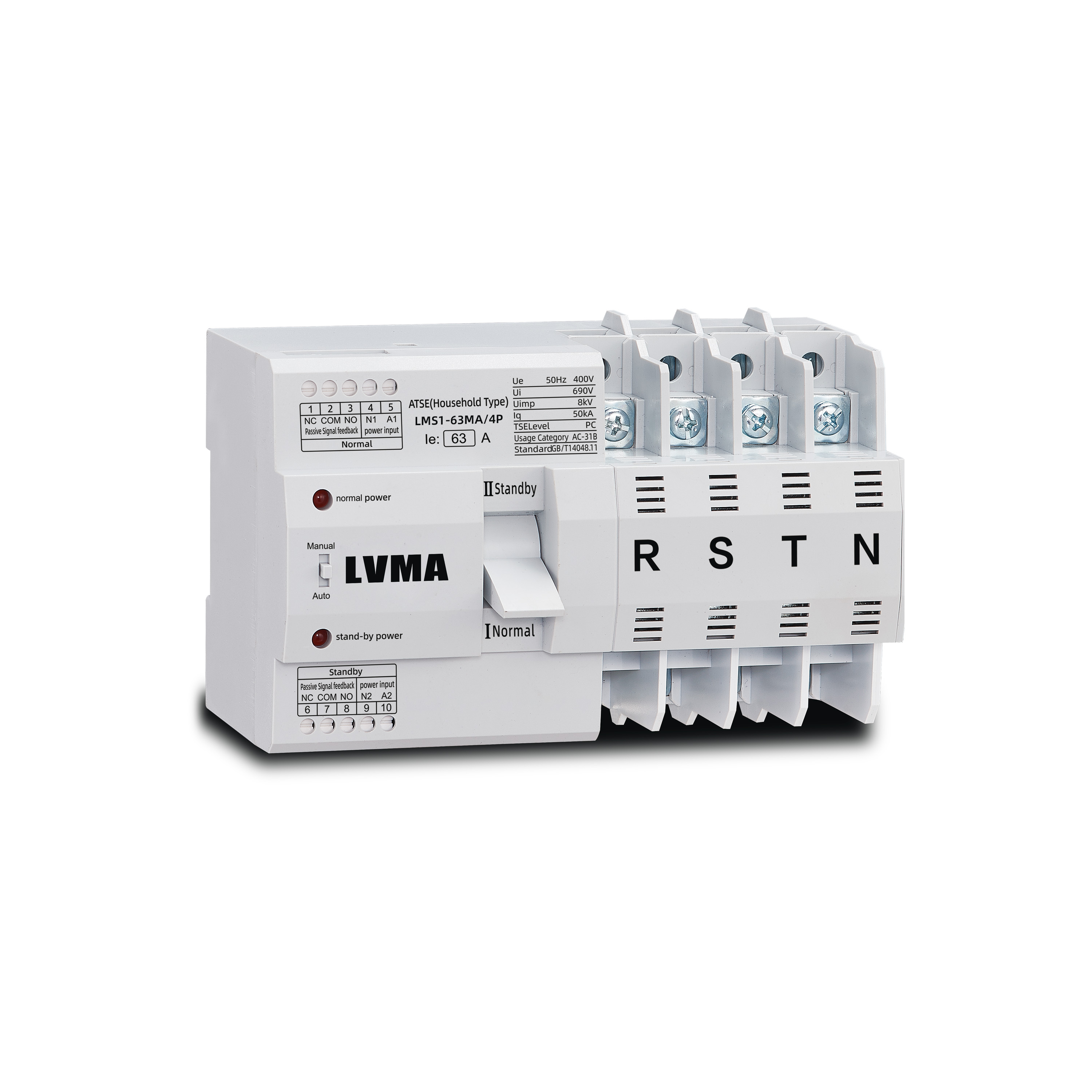 LMS1-MA Type PC Class Automatic Transfer Switch Ats 63A
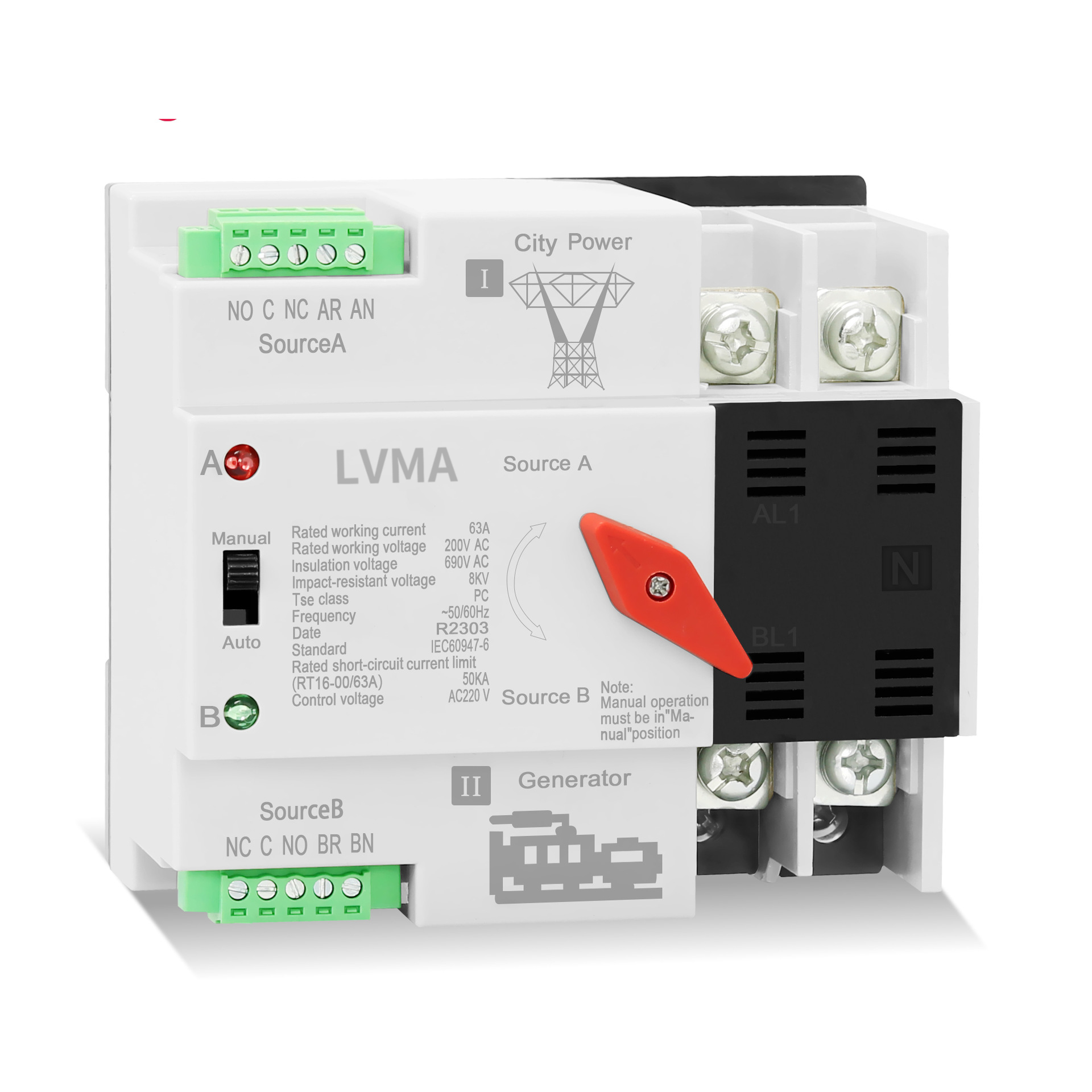 Ats 100A,Automatic Transfer Switch 2P 3P 4P LMQ4-100X
 LMS1-LA Series Automatic Transfer Switch ATS 100A
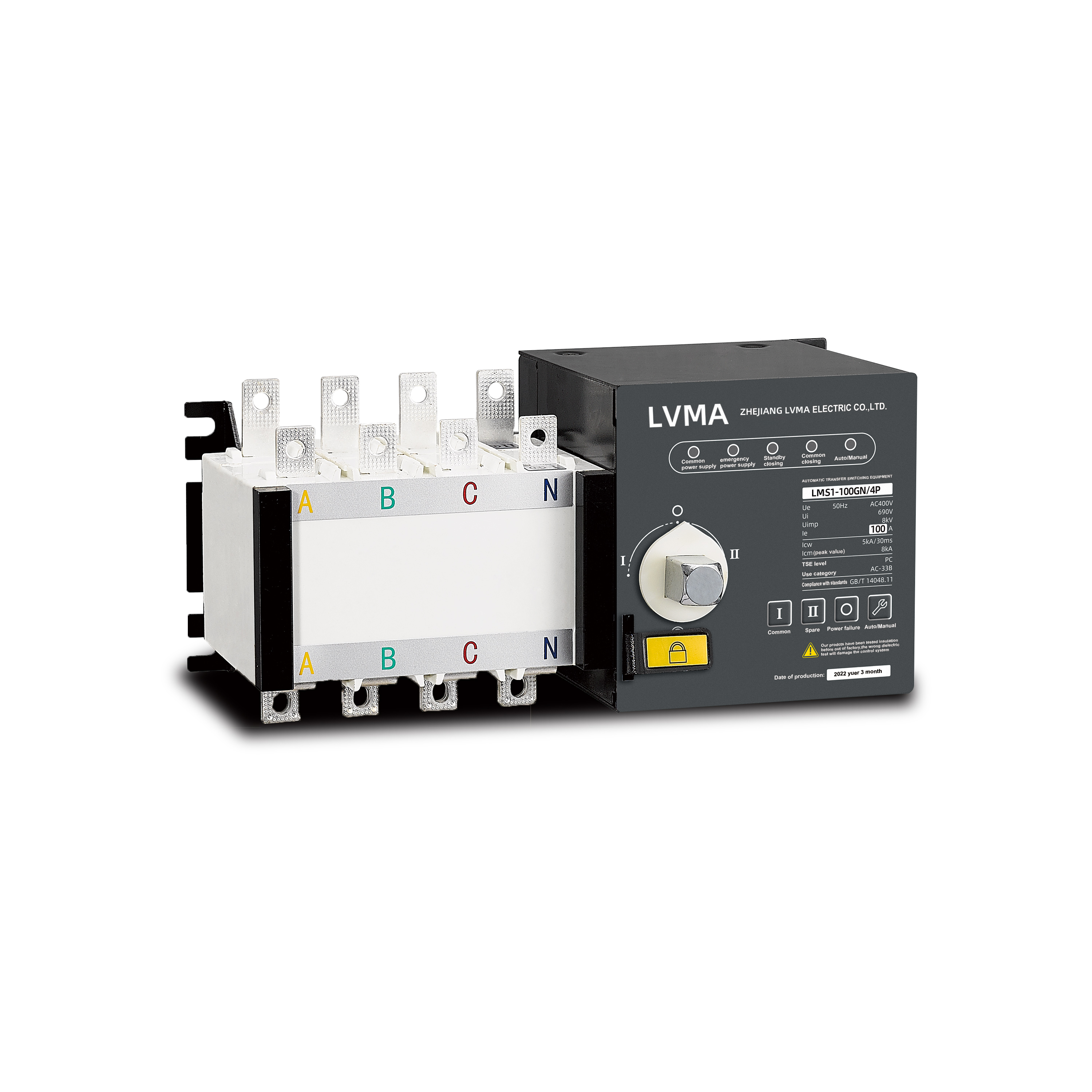 LMS1-GN Automatic Transfer Switch ATS 250A
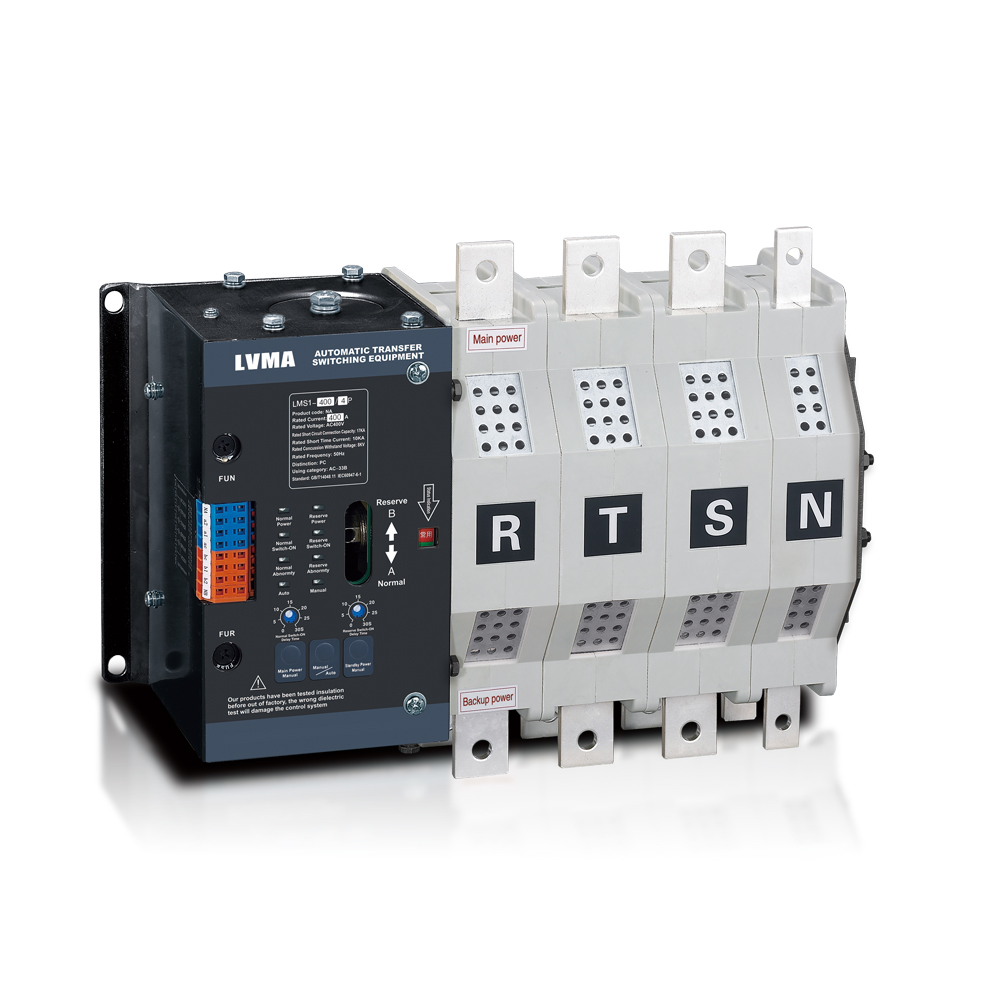 LMS1-NA Series Automatic Transfer Switch ATS 630A
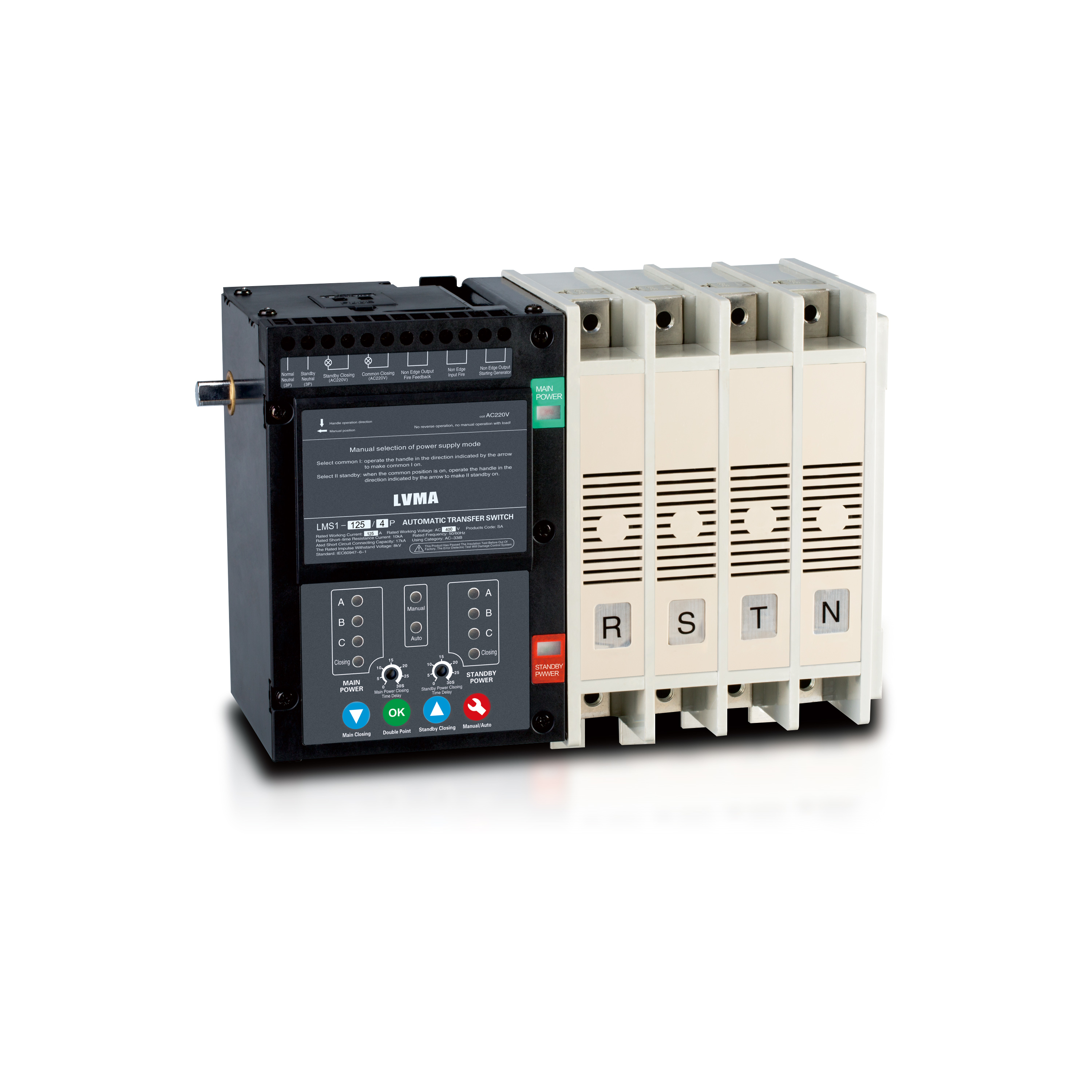 LMS1-LA3 Series PC Automatic transfer switch Ats 630A
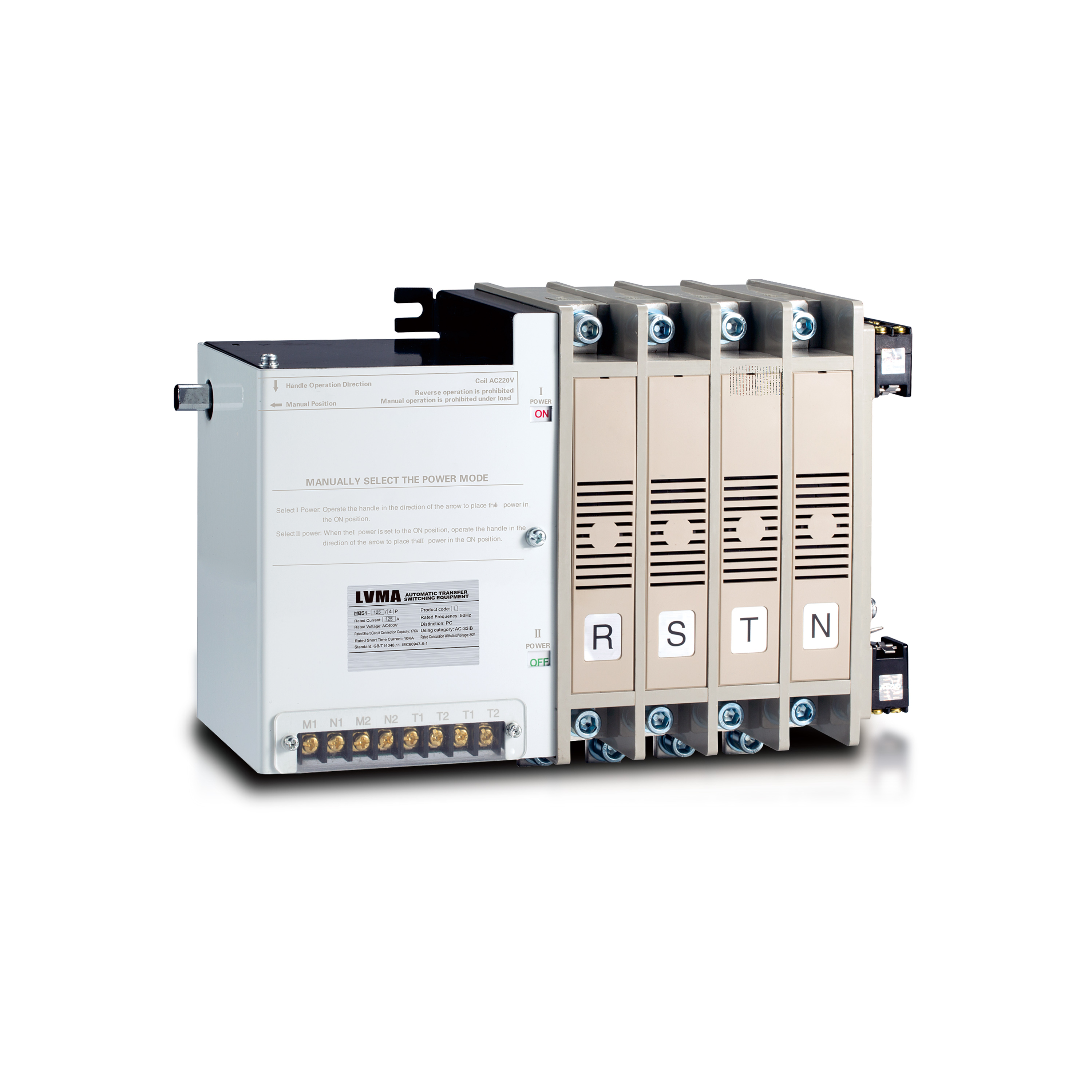 LMS1-L Series Automatic Transfer Switch Ats 630A
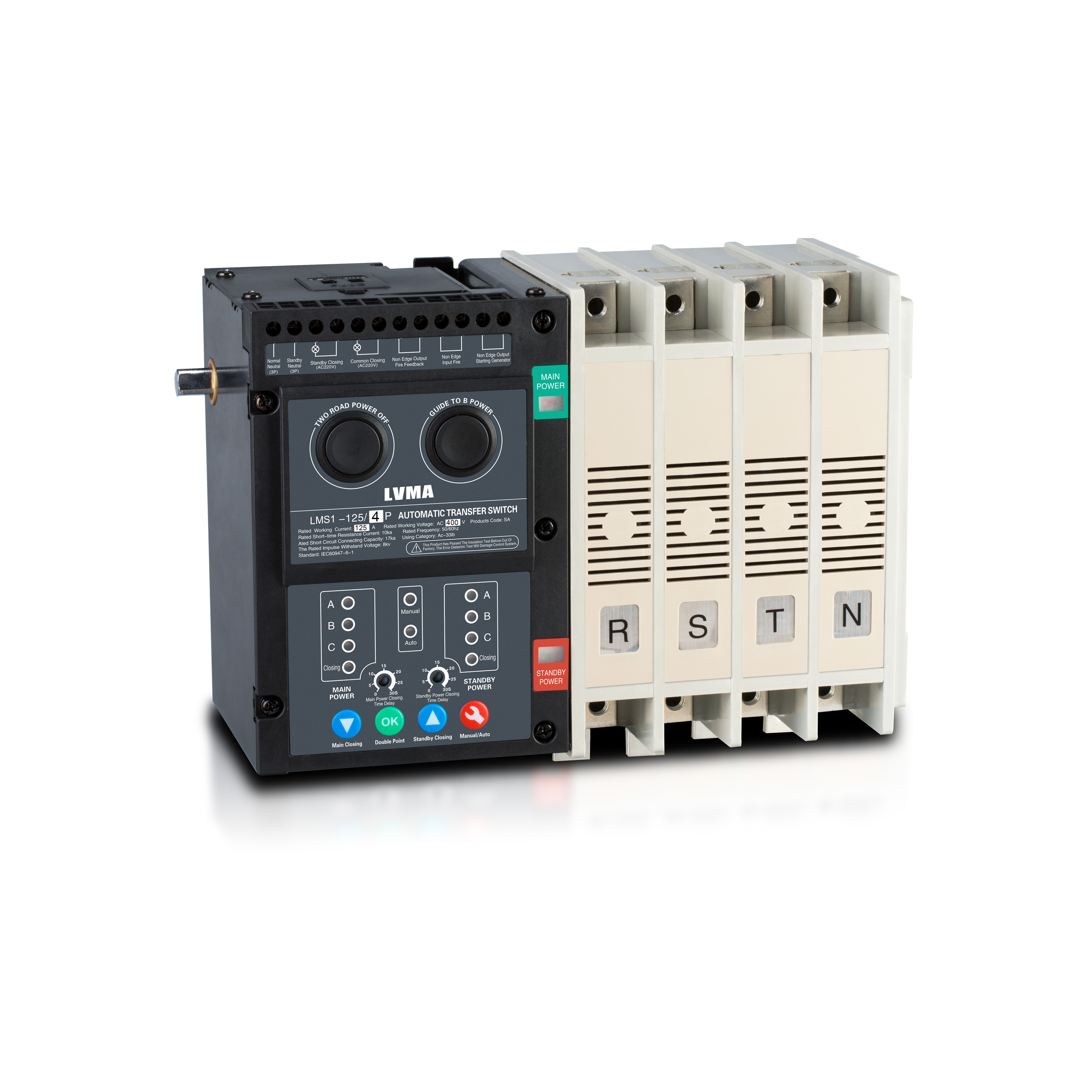 LMS1-SA Series PC Automatic transfer switch
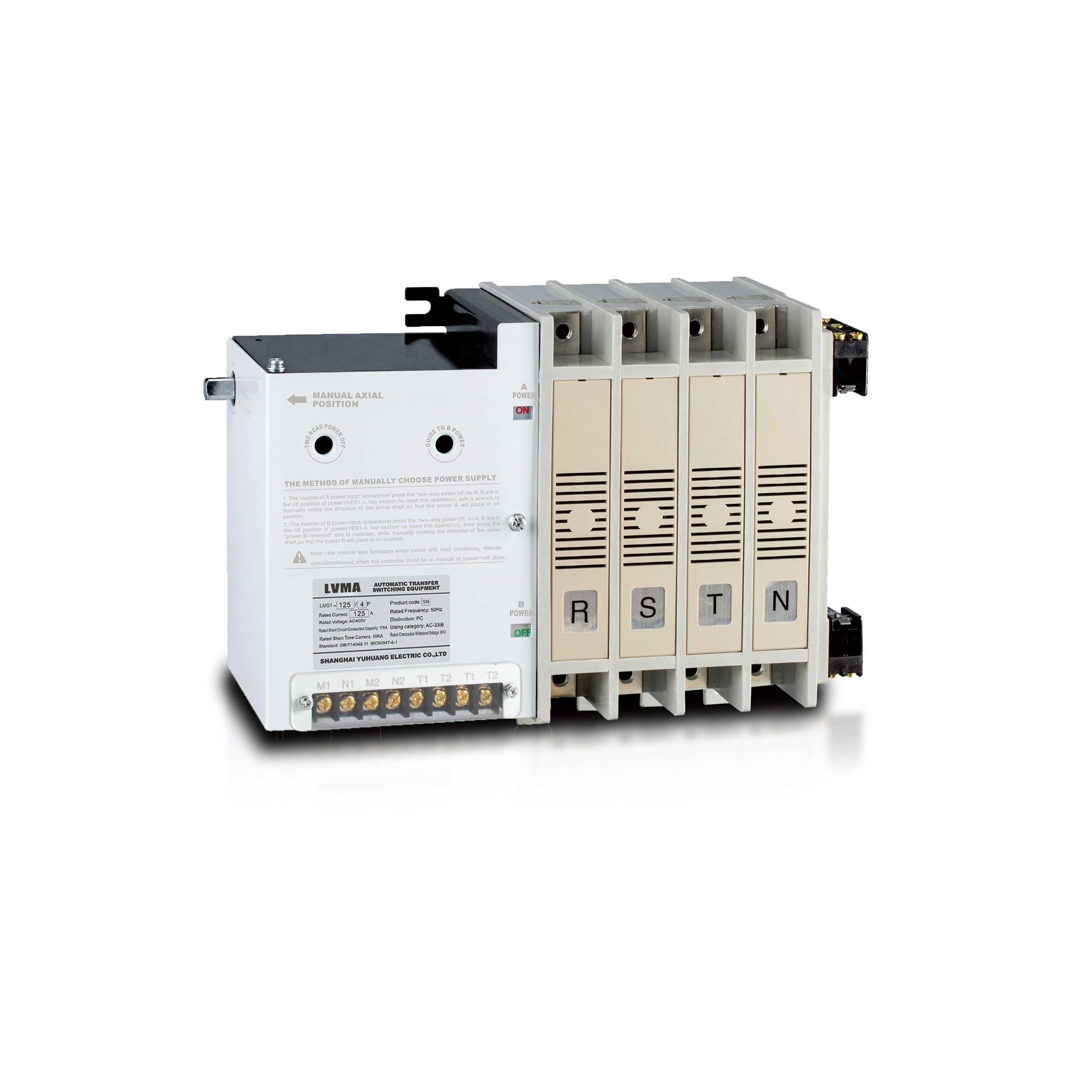 LMS1-SN Series Automatic Transfer Switch Ats 400A
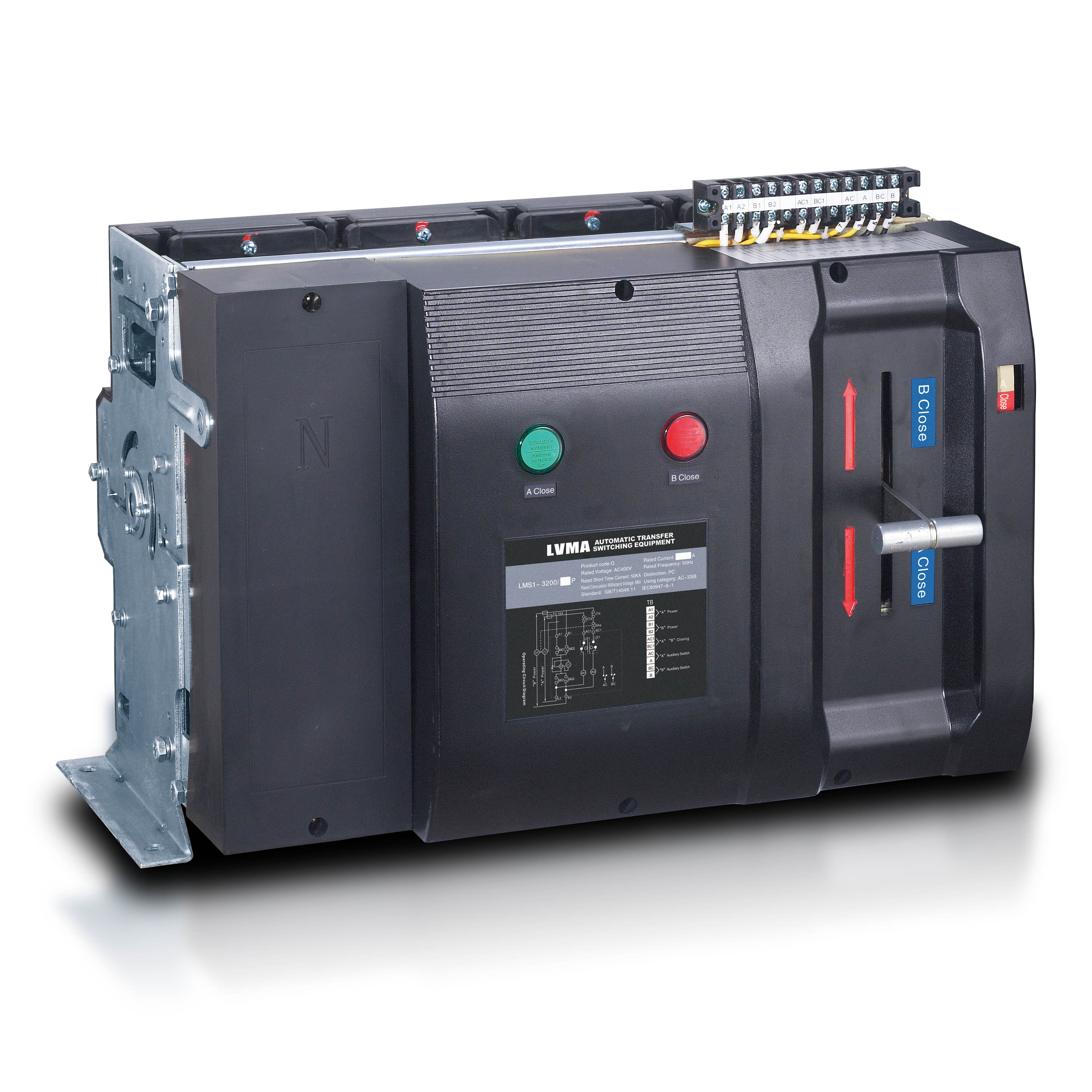 LMS1-Q Type Automatic Transfer Switch Ats 3200A
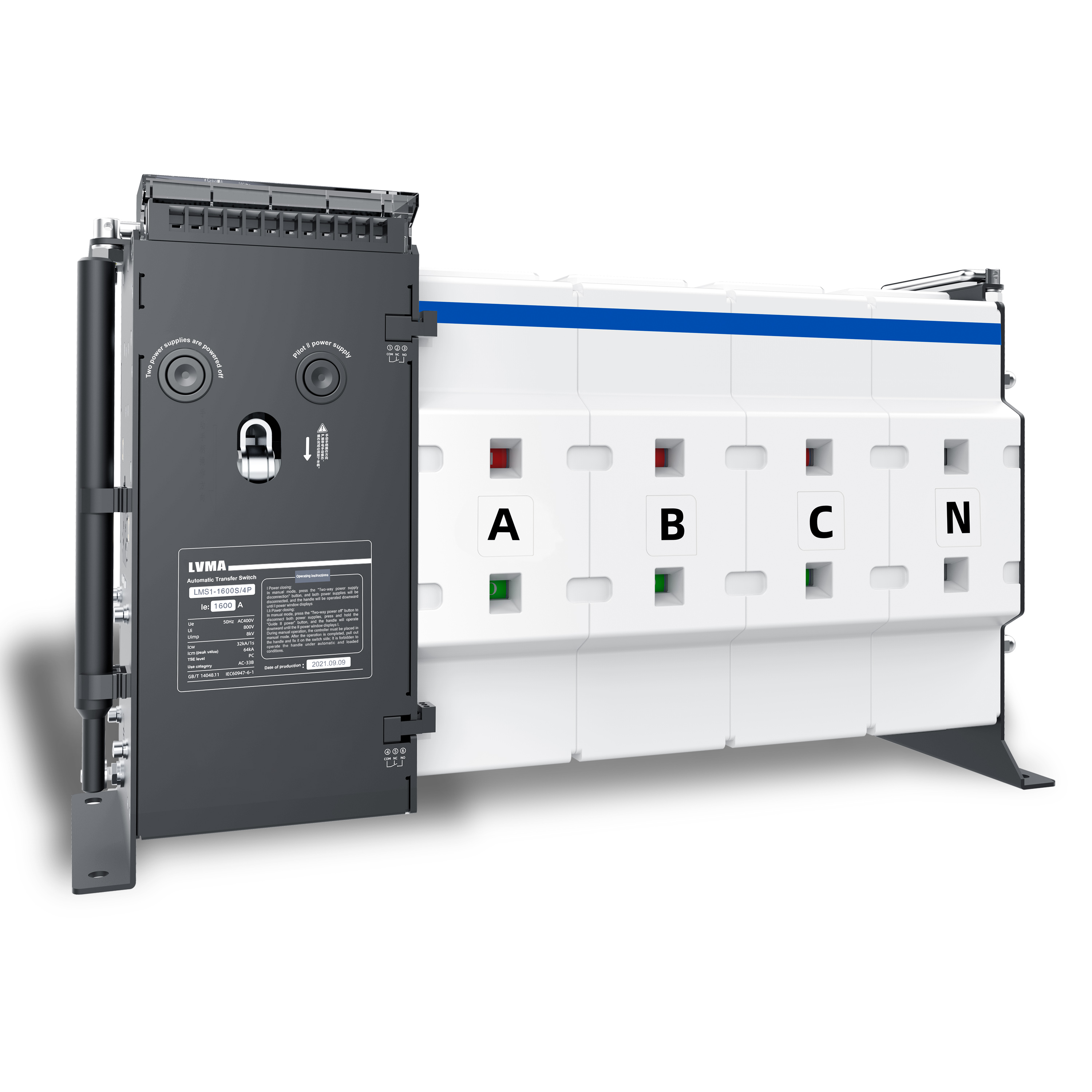 LMS1-SN Automatic Transfer Switch Ats
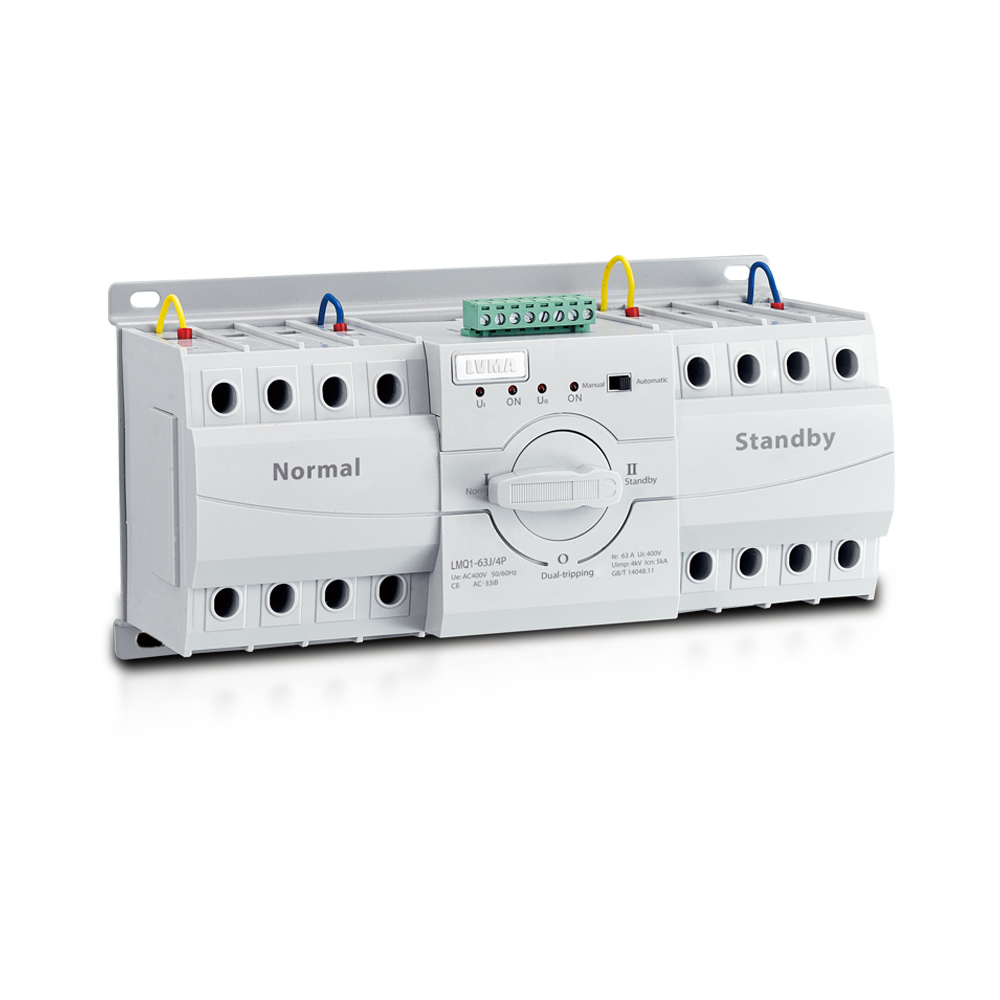 LMS1-J Series Automatic Transfer Switch Ats 63A
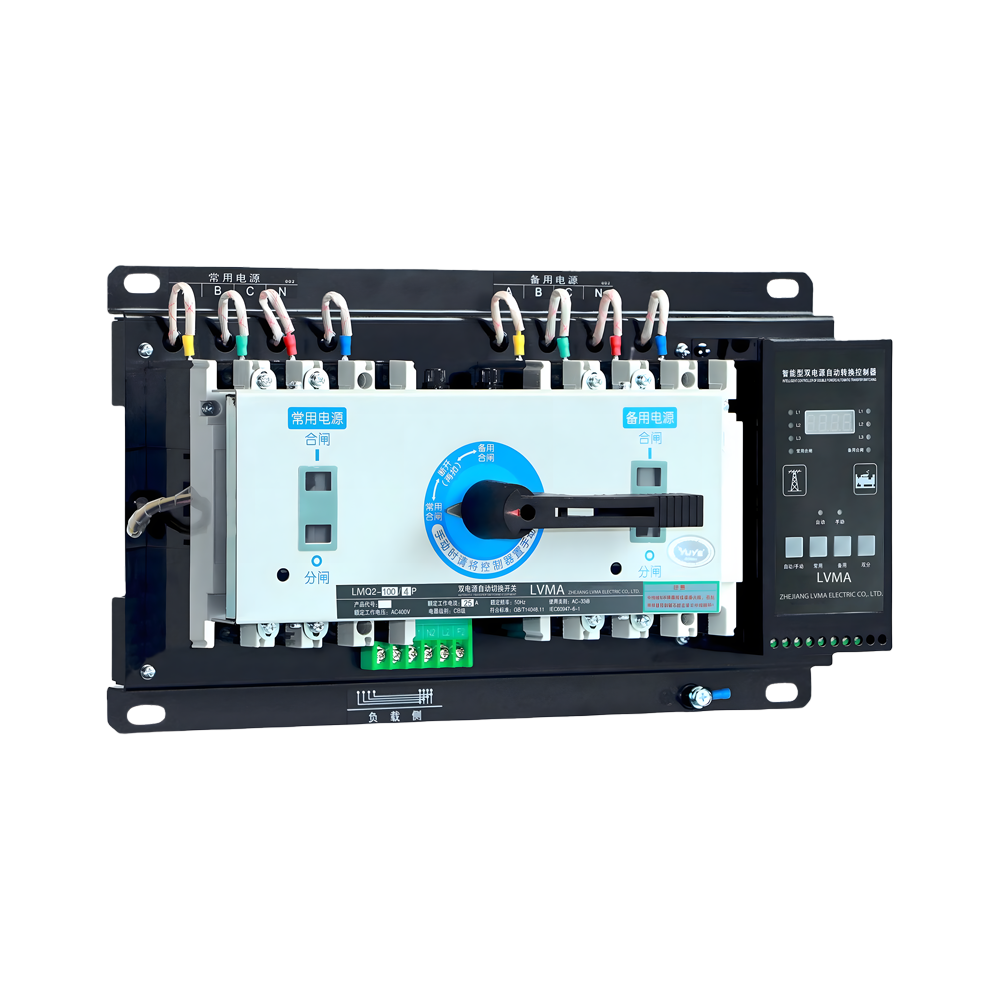 LMQ2Y Series Automatic Transfer Switch CB Class
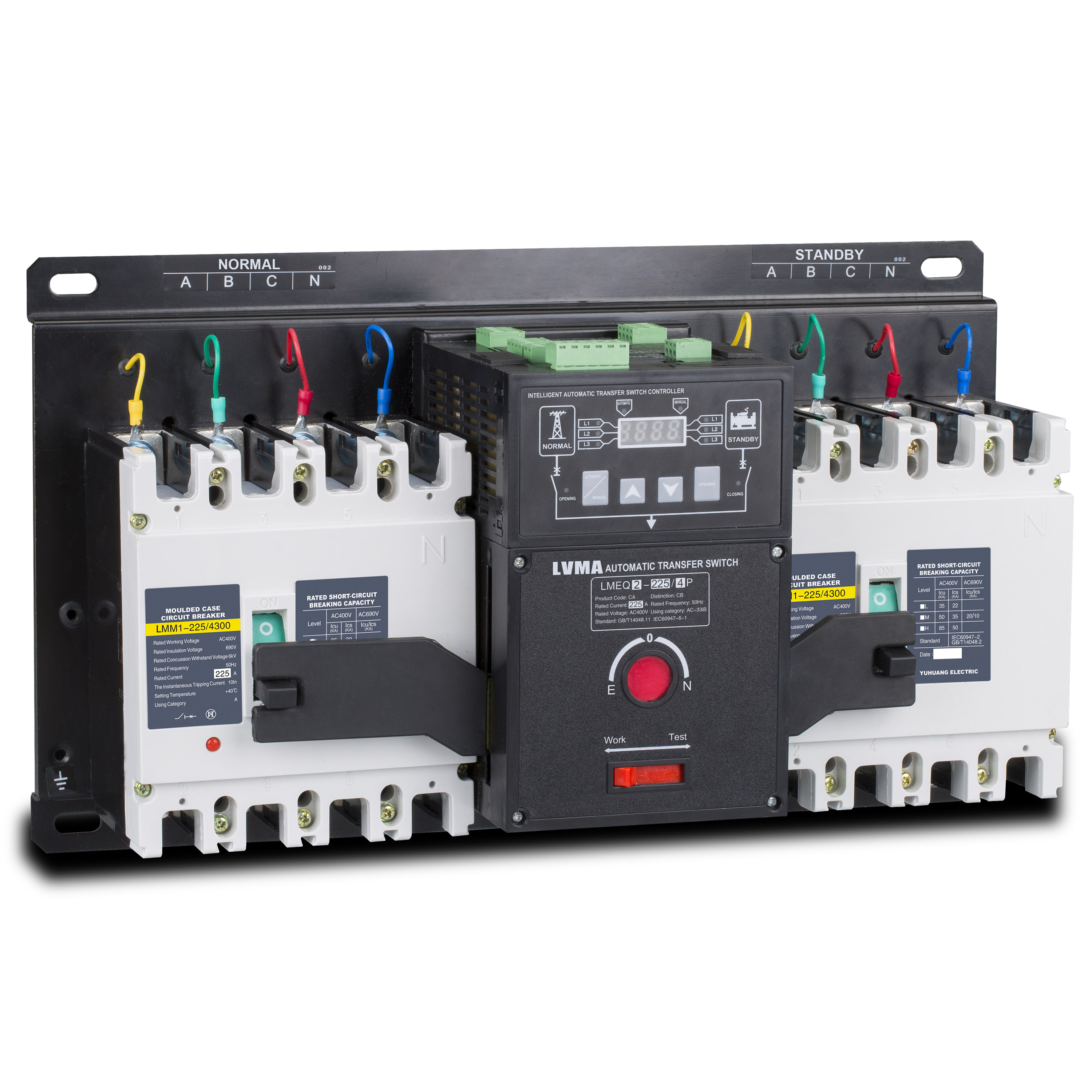 LMQ2CB Series Automatic Transfer Switch
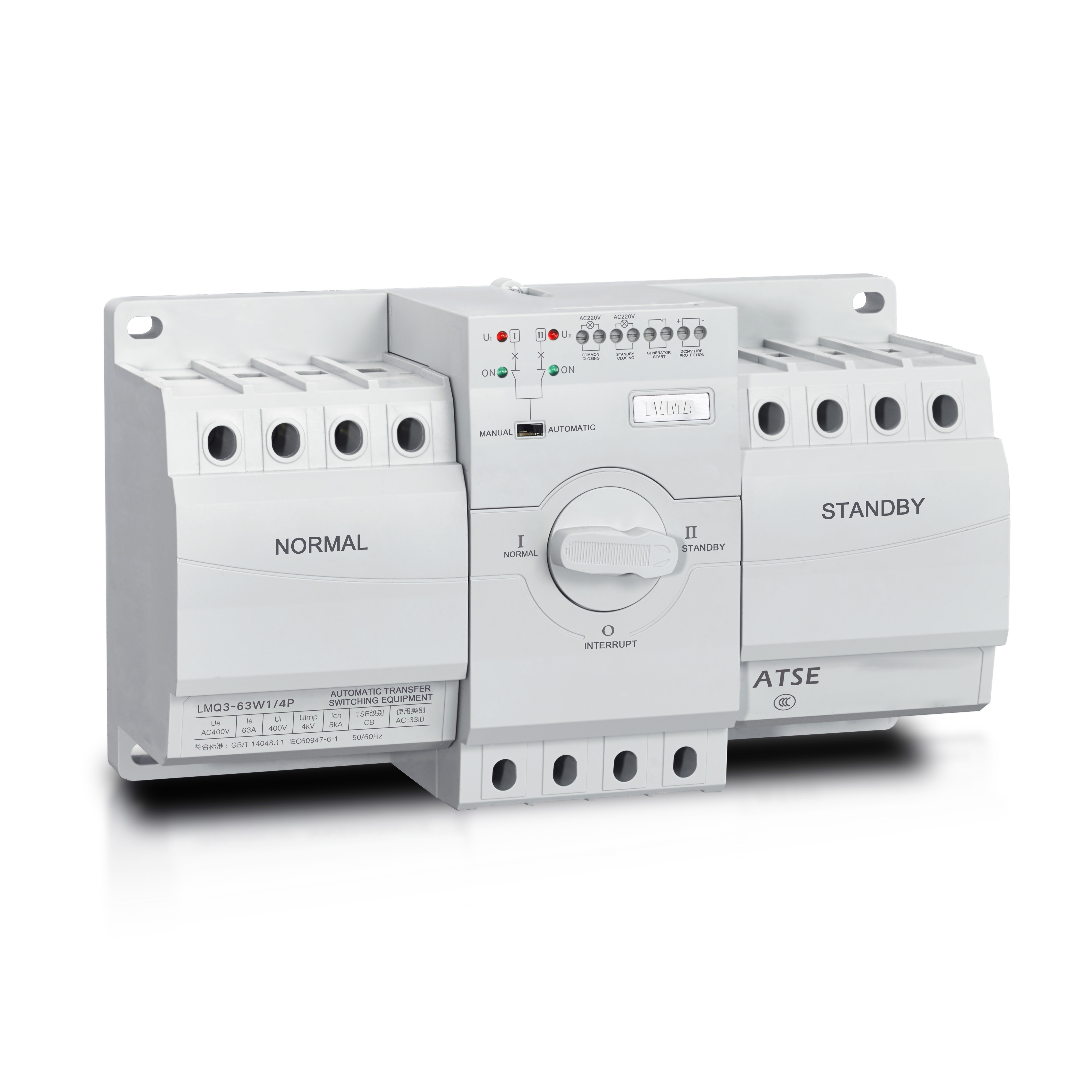 LMQ3-W1 Automatic Transfor Switch Ats 63A
 LMQ3-W1 Automatic Transfor Switch ats 630A
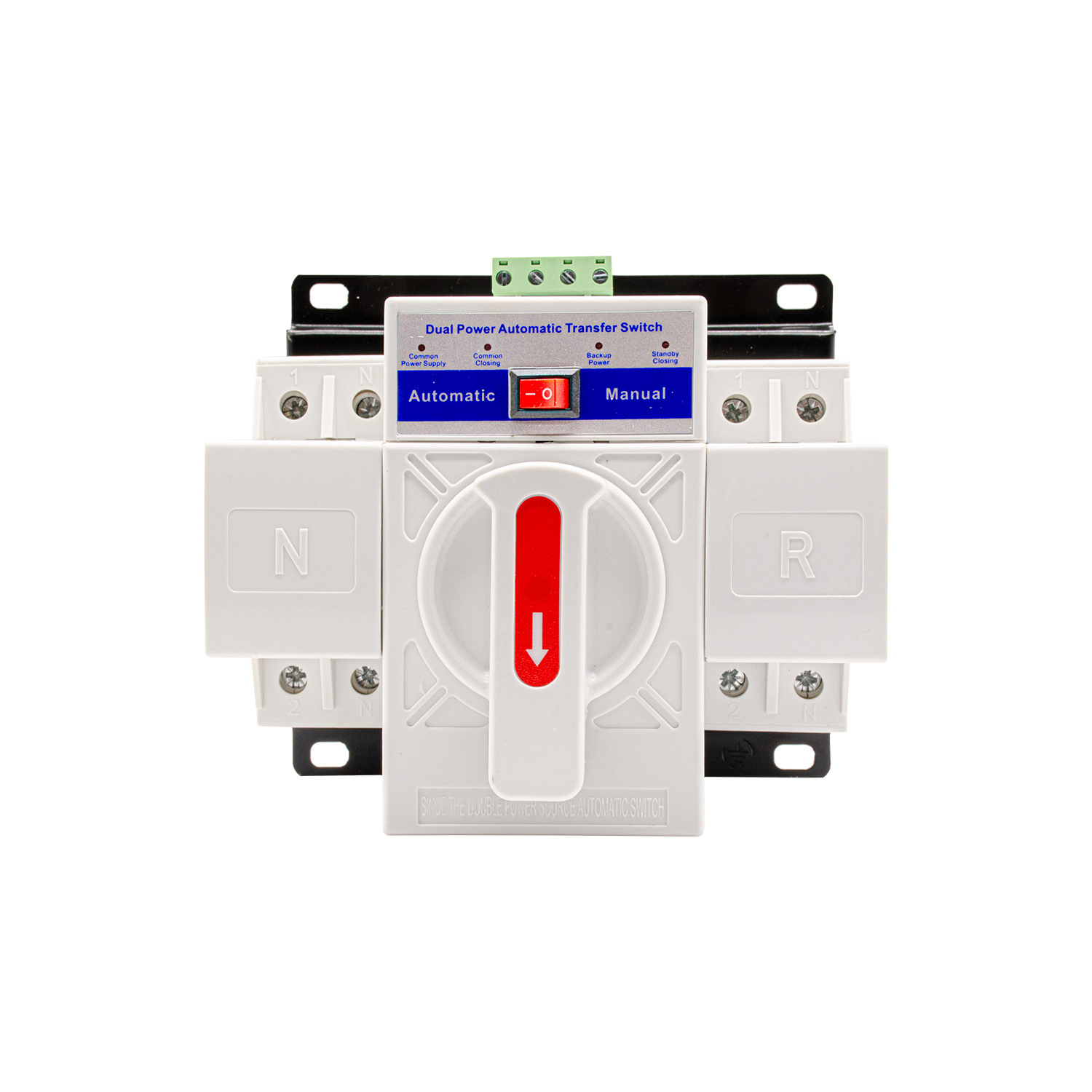 LMQ4-63M 63A Automtic transfer Switch 2P 3P 4P
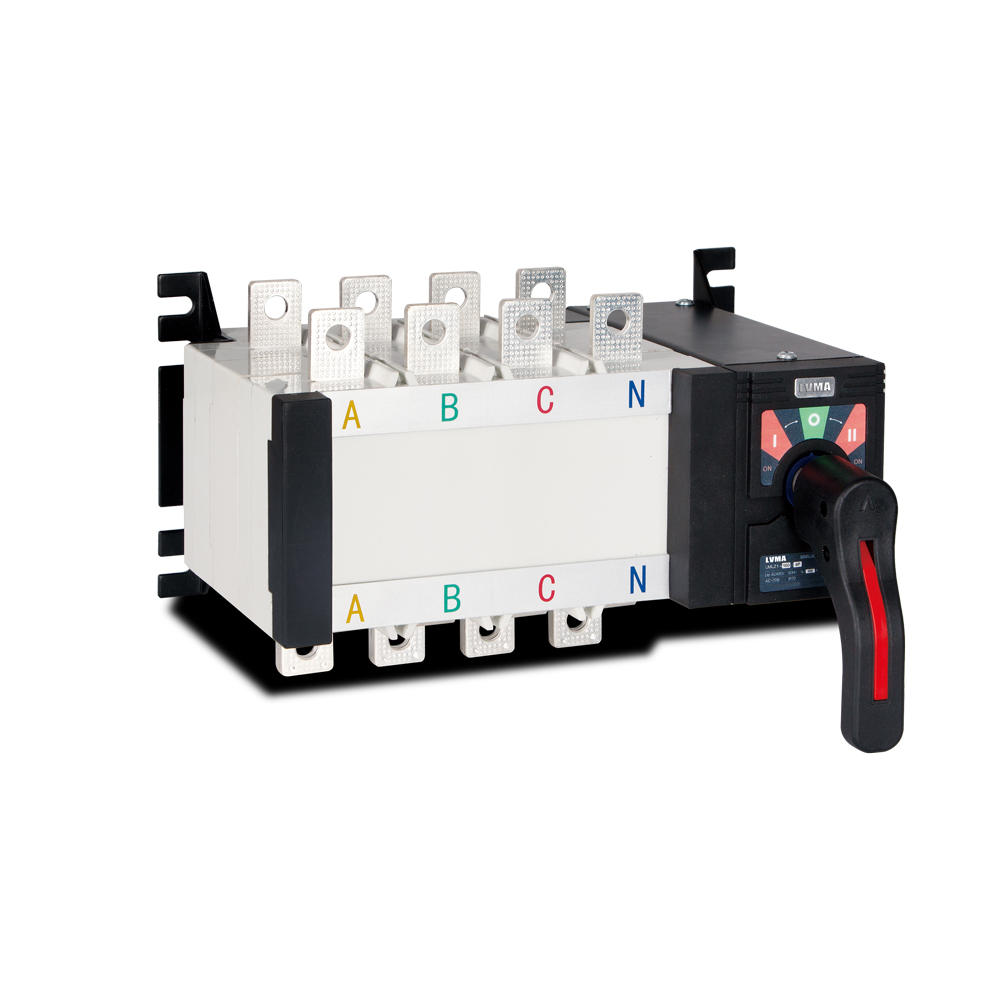 LMGLZ1 Manual Transfer Switch (100~630A)
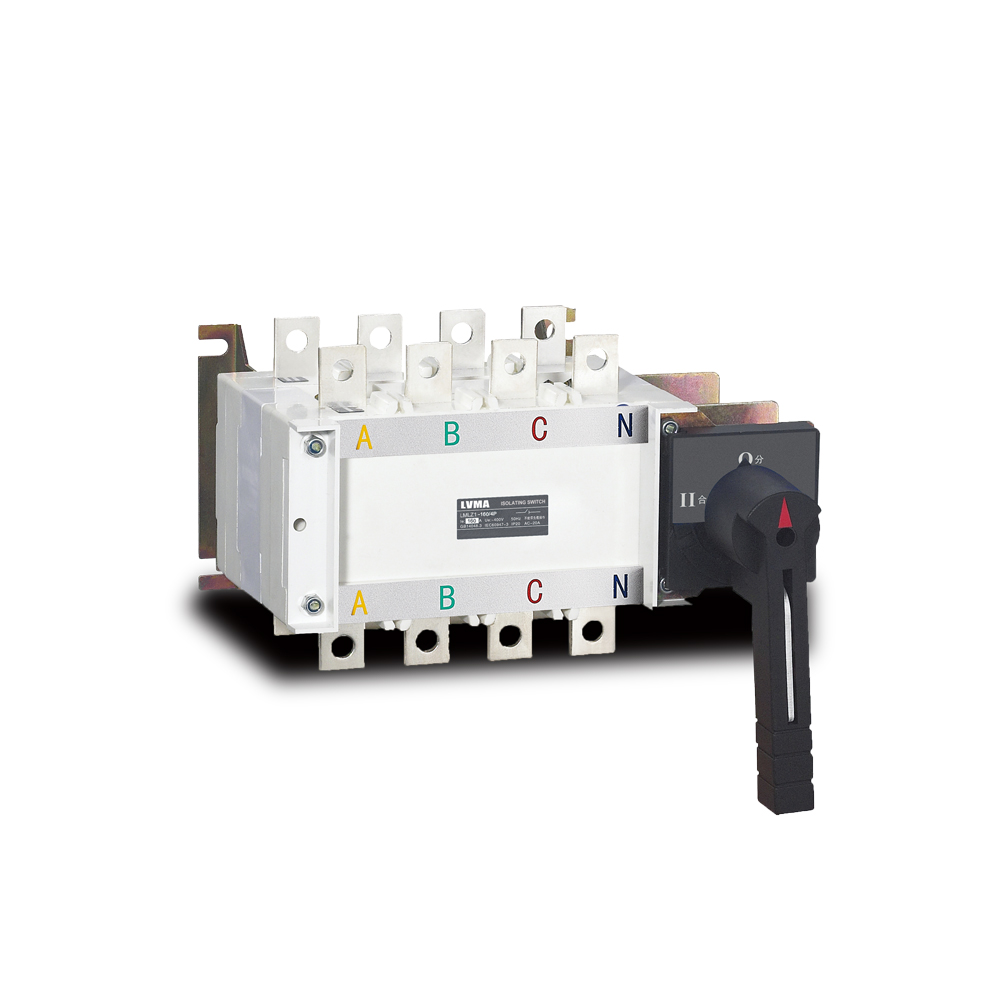 LMGLZ Manual Transfer Switch (100~630A) Changeover Switch
 Y-700 Automatic Transfer Switch Controller
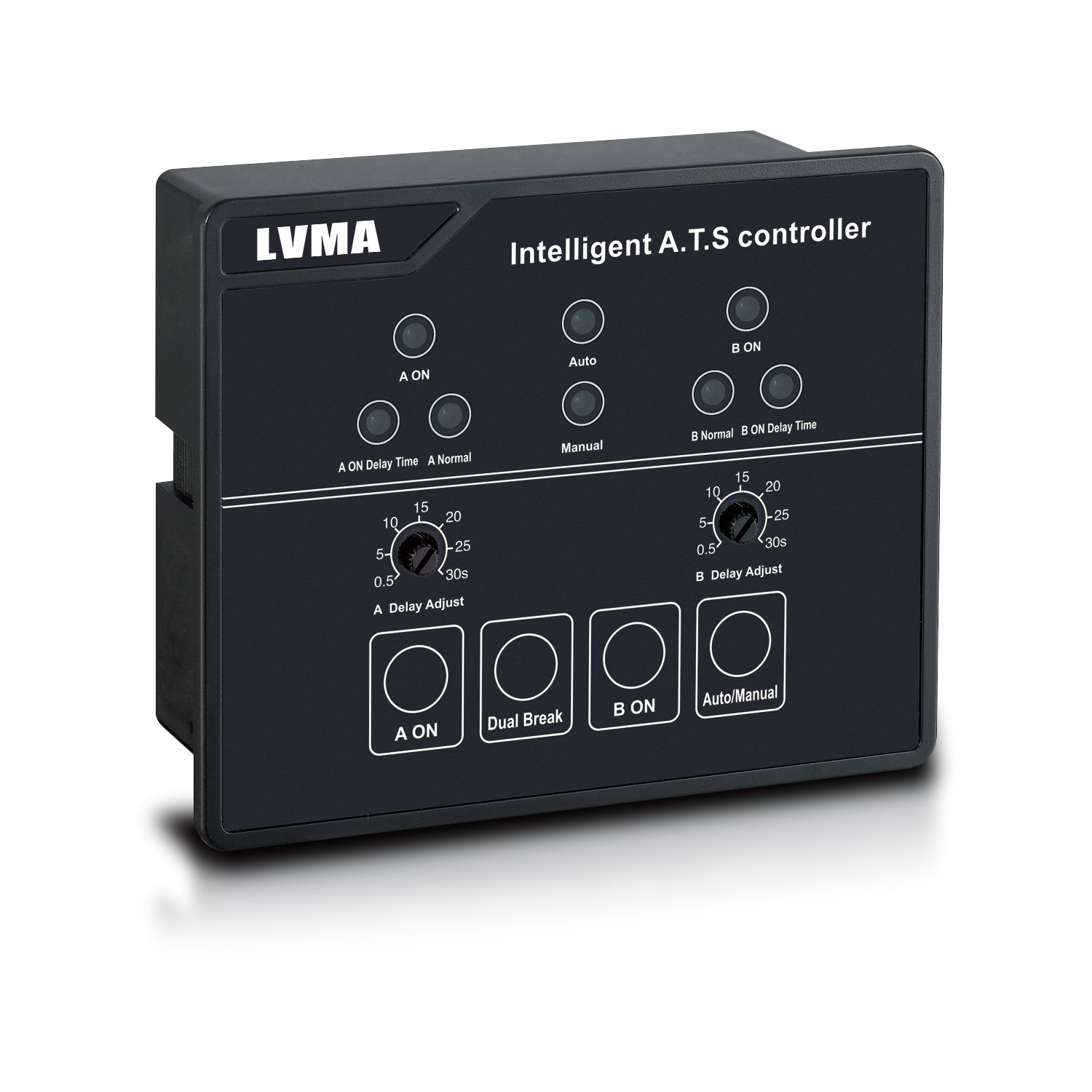 Y-701 Automatic transfer switch controller
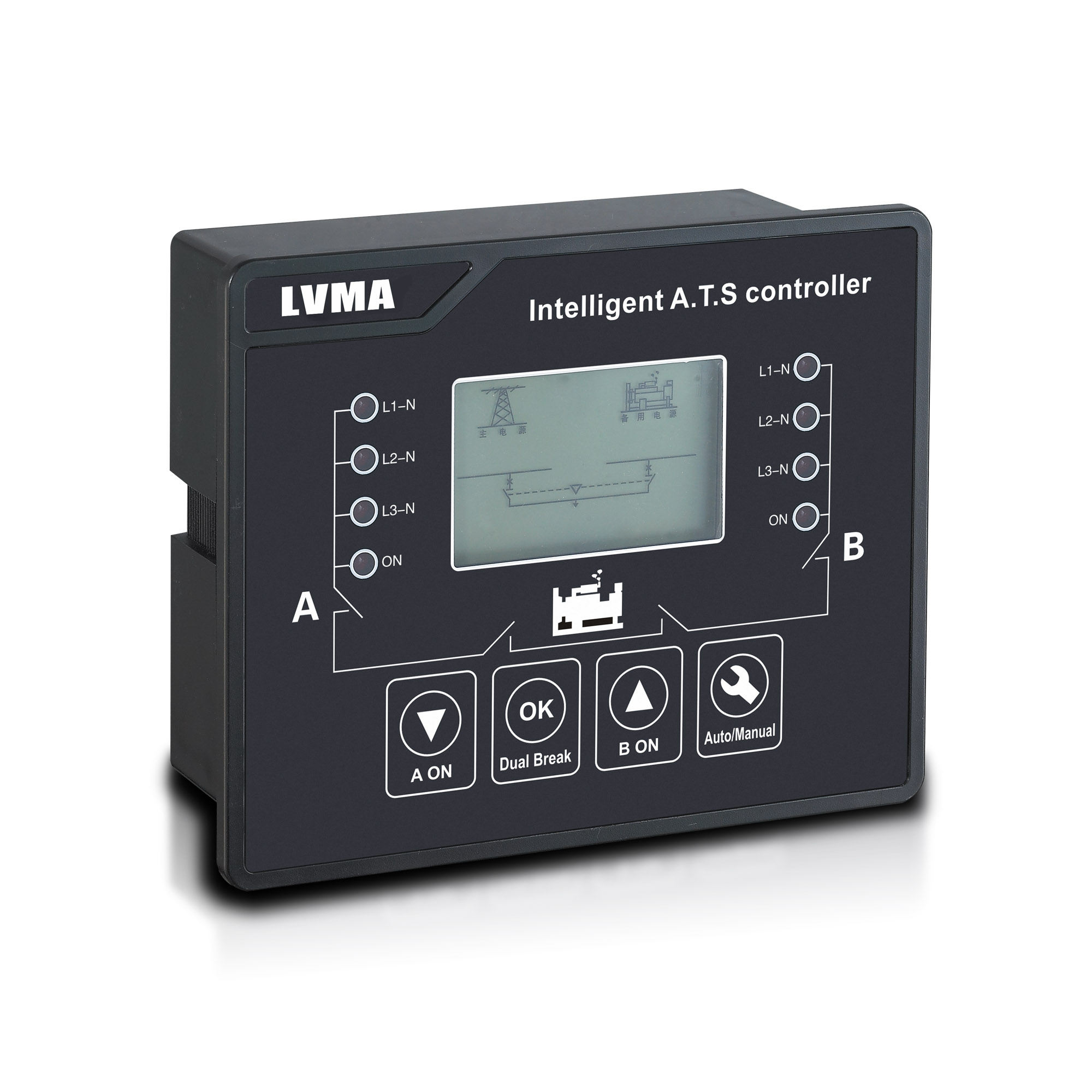 Y-702 Automatic Transfer Switch Controller
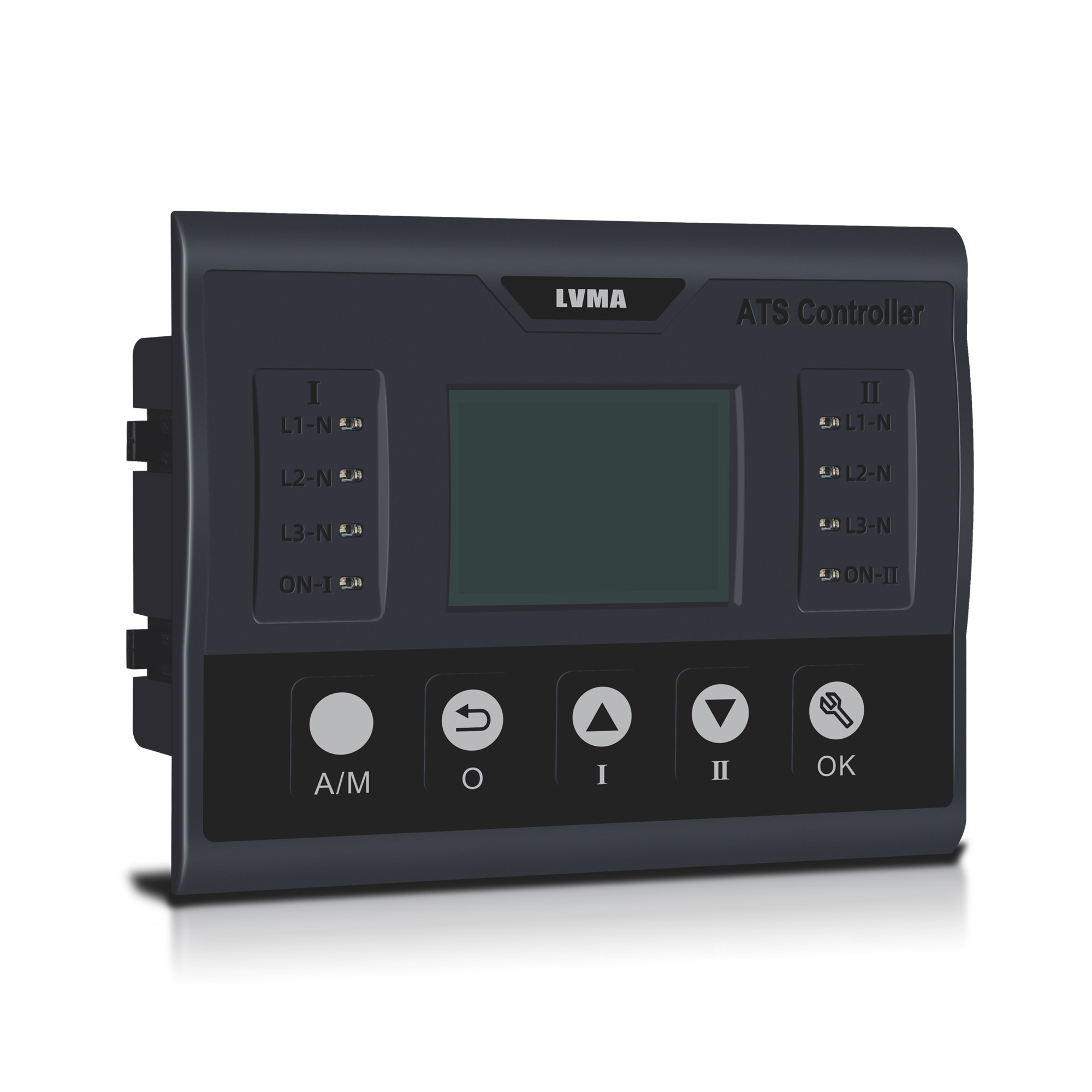 Y-703 Automatic Transfer Switch Controller
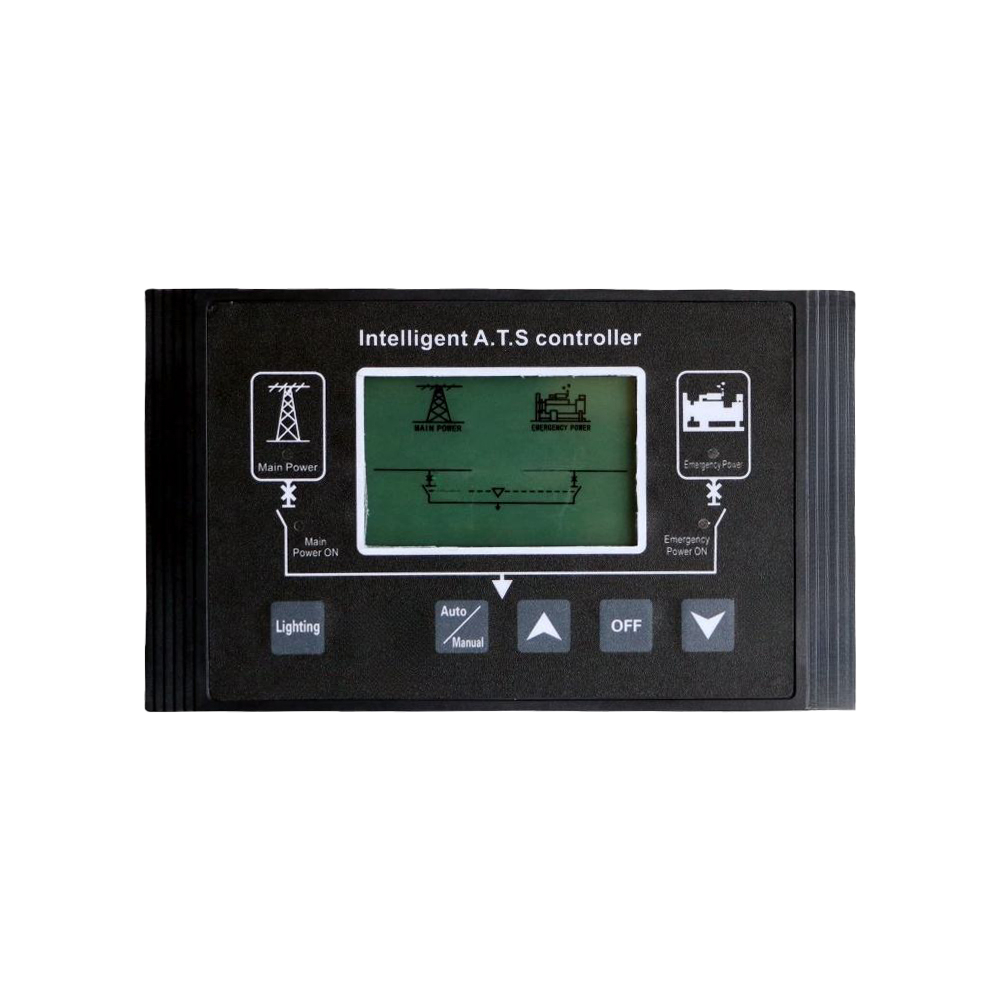 W2、W3 Automatic Transfer Switch Plug-In Led Digital Controller
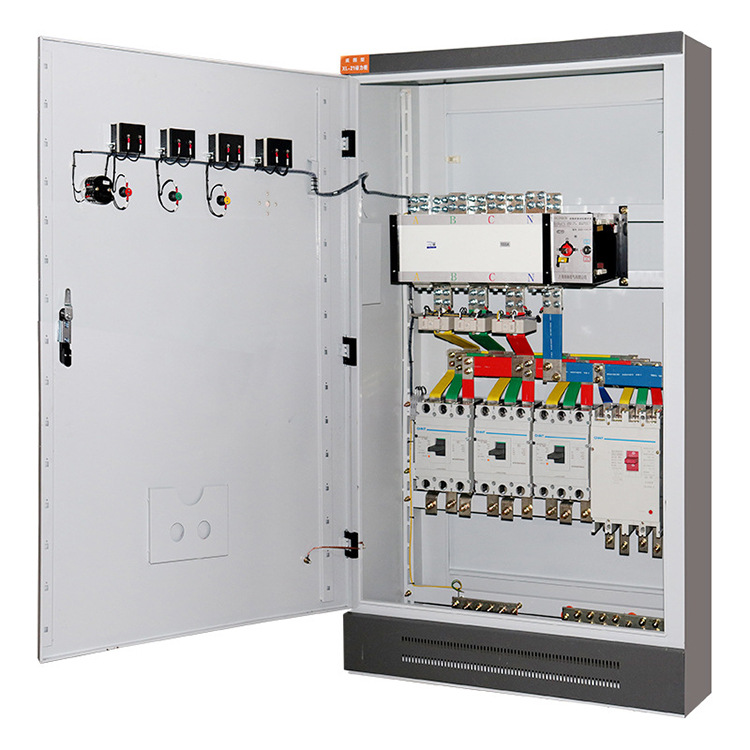 Customization-Automatic Transfer Switch Cabinet 100A Ats
 Dual Power Supply Control Cabinet - Automatic Transfer Switch
 Ats Cabinet - Automatic Transfer Switch