In today's world, where speed and sustainability are more important than ever, more and more folks are on the hunt for clever ways to cut down on energy use. One handy option that's gaining popularity is the DIY Generator Transfer Switch — a must-have for anyone wanting to smoothly connect a generator to their home or business power system. This guide will walk you through how to build your own transfer switch, but more than that, it stresses how crucial it is to understand electrical safety and best practices. Giving people the tools and knowledge to handle this project on their own really encourages independence and helps us all better withstand power outages.
Leading the charge in this energy shift is Zhejiang LVMA Electric Co., Ltd. — a big player in the electric and renewable energy world. With their knack for innovation and their strong global presence, LVMA stands out as a source of inspiration for both consumers and businesses. By tapping into the resources and expertise provided by industry leaders like LVMA, folks can get a better grip on energy-efficient tech — including DIY transfer switches. Ultimately, this isn’t just about saving energy; it’s part of a broader movement toward smarter, greener energy solutions that everyone can be a part of.
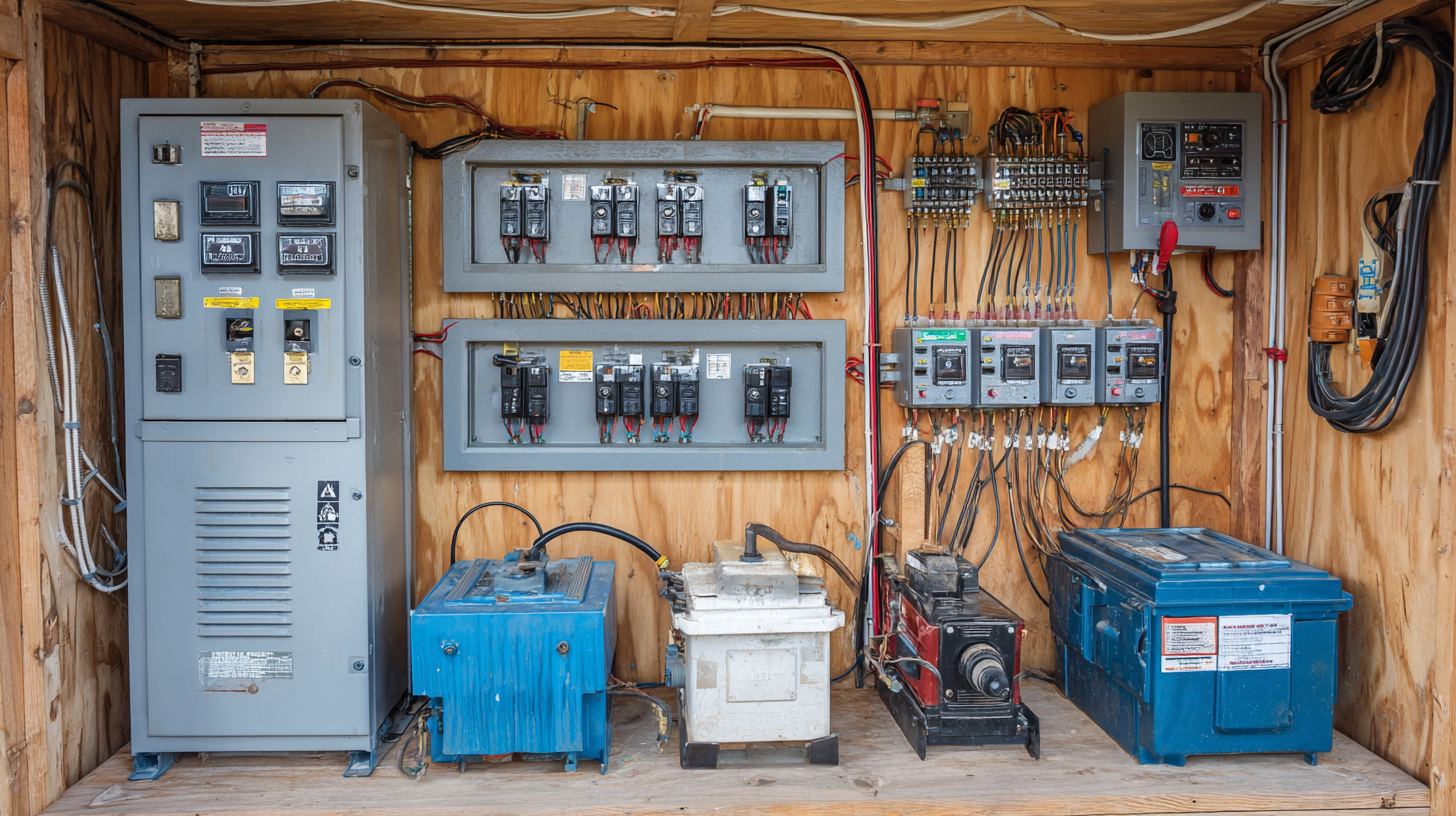
Understanding the Basics of Generator Transfer Switches
If you're looking to get a handle on how generator transfer switches work, it's pretty important to understand the basics—especially if you're trying to make sure your power stays steady during those annoying outages. Basically, a transfer switch helps move power safely and smoothly from a portable generator into your home's wiring. It’s not just about safety (like stopping current from flowing back into the grid), but it also makes it much easier for homeowners to juggle their electrical loads when things go haywire. Interestingly, experts say the market for these residential transfer switches is booming worldwide, which just shows how much folks want reliable backup power.
And it’s not just about generators anymore. With energy efficiency becoming a big deal in both homes and businesses, the wiresless power transfer (WPT) market is also on the rise. In 2024, it was valued at around USD 3.18 billion and is expected to hit over USD 4 billion pretty soon. This tech is all about transmitting energy without those old-fashioned cords—pretty cool, right? It lines up perfectly with what modern transfer switches are aiming for: smarter, more sustainable energy management. So, by having a grasp on these systems and keeping an eye on market trends, you can definitely make smarter choices that help move us all toward a more efficient energy future.
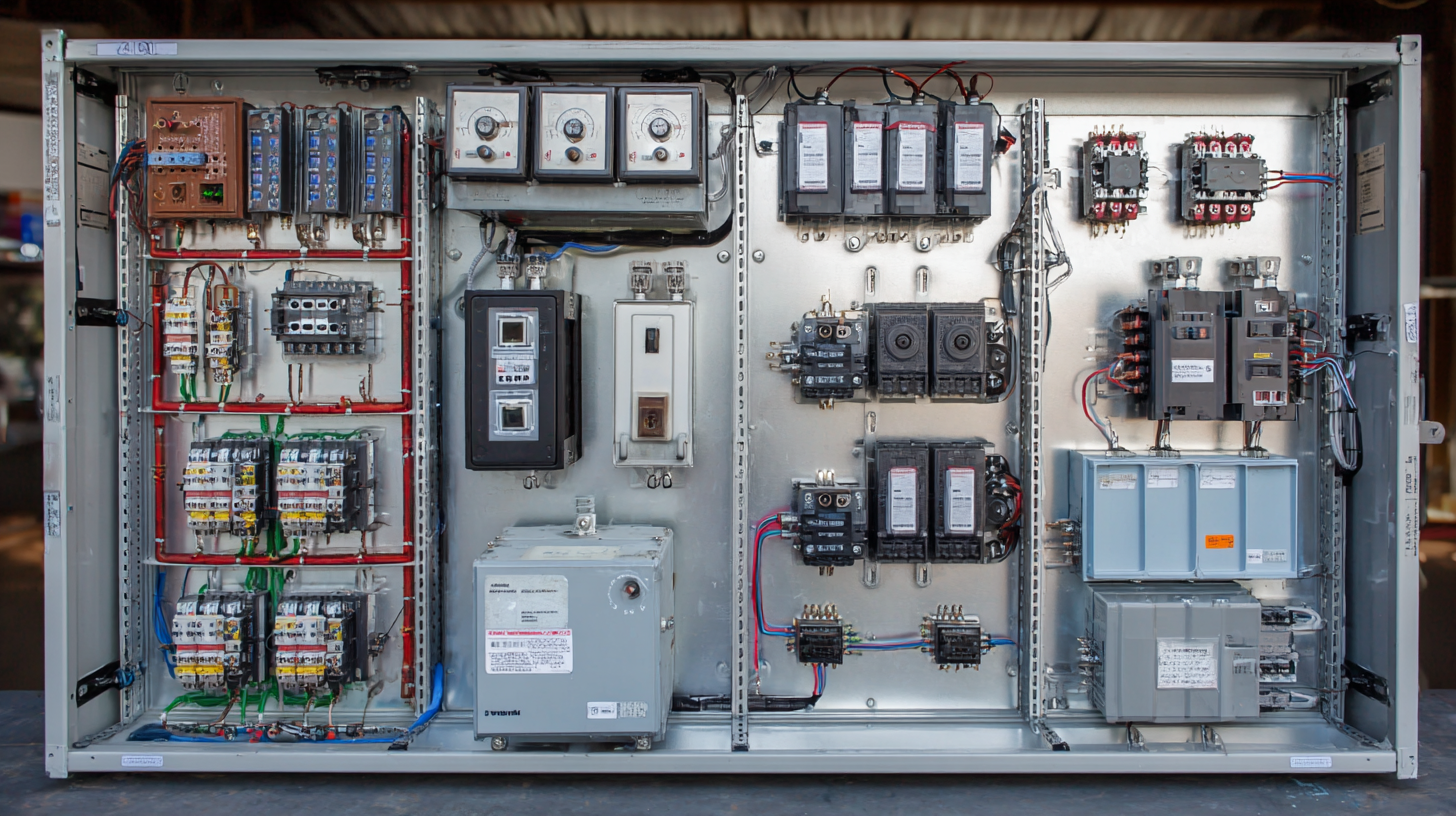
Essential Tools and Materials Needed for Your DIY Project
So, if you're diving into a DIY project to install a generator transfer switch, one thing you really don’t want to overlook is having the right tools and materials on hand. Trust me, it makes all the difference. Stuff like a multimeter is essential for checking voltage and keeping things safe electrically, while wire strippers come in handy for prepping your wires. Don’t forget a good set of screwdrivers—having a few sizes will save you a lot of hassle. A sturdy power drill is a real lifesaver too, especially when it comes to installing or making adjustments. Honestly, investing in decent quality tools not only makes the whole process smoother but also boosts your confidence as a DIYer.
You might not realize it, but nearly 70% of homeowners get involved in DIY projects at some point, and having the right gear really gives you a leg up. Plus, industry experts say that good tools can seriously improve how easy a project feels and the final outcome. That’s why many people end up focusing more on quality rather than just grabbing a bunch of cheap stuff. When you have the basics like electrical tape, connectors, and a solid transfer switch, you’re all set to connect your generator properly and safely, making sure everything runs smoothly and securely for years down the line.
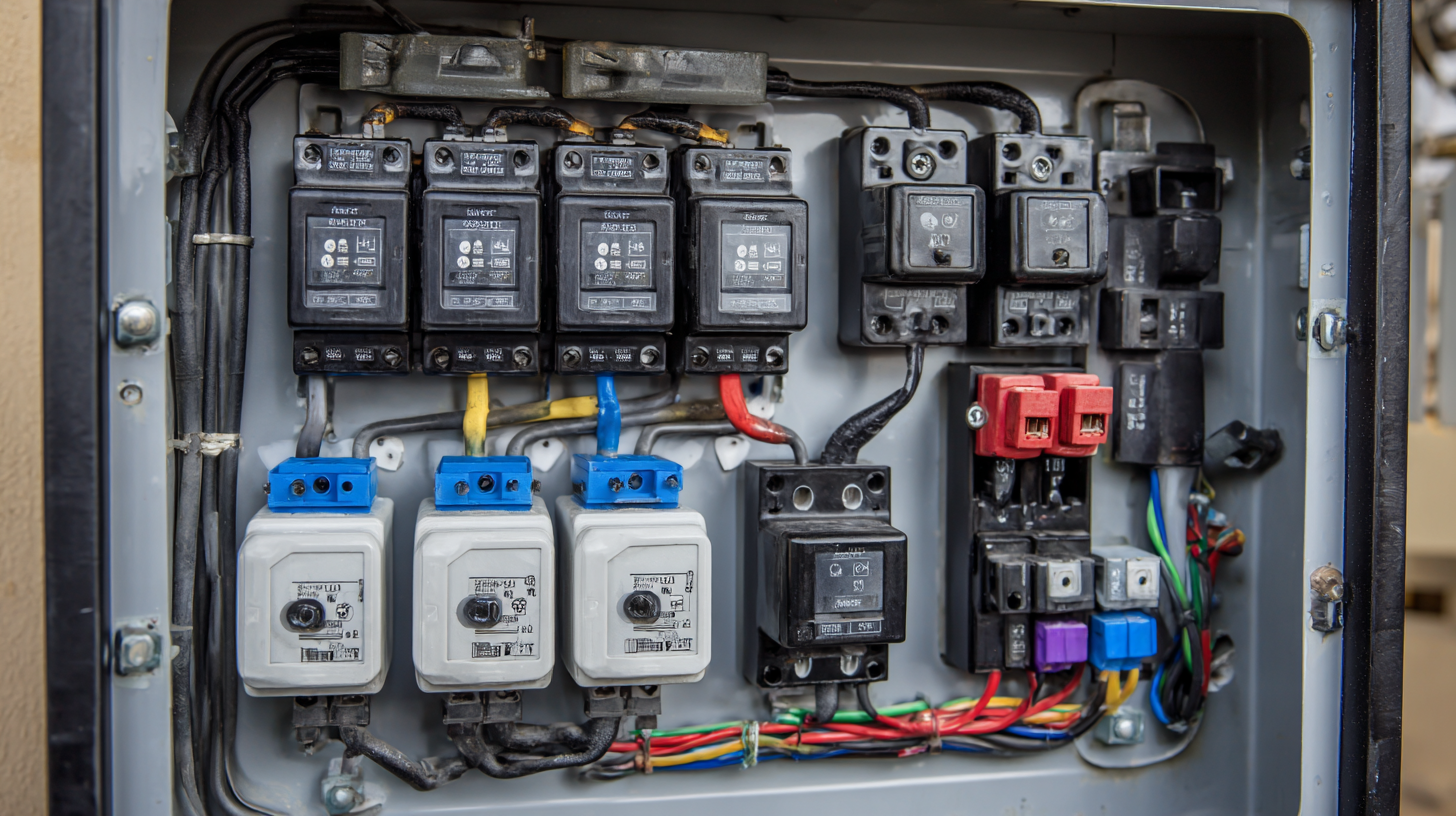
Step-by-Step Instructions for Building Your Transfer Switch
Building your own DIY generator transfer switch is actually a pretty smart move if you want to make sure your power keeps flowing during a blackout, all while keeping safety and the right electrical standards in check. First off, you'll want to gather up everything you need—stuff like a metal electrical box, a double-pole double-throw (DPDT) switch, the right wiring, circuit breakers, and some safety gear. Oh, and don’t forget to double-check your local rules; you want to make sure everything lines up with local codes and safety standards.
Once you've got all your materials, start by putting together the enclosure. Secure the DPDT switch in place, and then hook it up to the circuit breakers that will handle switching power between your house and the generator. It’s a good idea to label everything clearly—trust me, it saves you a lot of headaches when you’re flipping switches later on. Following a wiring diagram carefully is key—I’ve made mistakes before by skipping this step, so I definitely recommend it. When it’s all wired up, do some thorough testing to make sure it works as it should. And always, always put safety first—wear protective gear and turn off the main breaker when you’re working on the setup. If you follow these steps, you'll be able to use your generator power safely and efficiently, giving you peace of mind when the power goes out.
Safety Precautions to Follow When Installing Your Transfer Switch
When you're thinking about installing a DIY generator transfer switch, safety really should come first. It’s a crucial step to connect your backup generator safely to your home, and it helps prevent back feeding into the grid — which could be dangerous for utility workers and could even damage your generator. The National Fire Protection Association (NFPA) points out that a lot of electrical accidents each year happen because of improper transfer switch setups, so taking the right precautions is super important.
Before you dive in, double-check that you have all the right gear—stuff like a properly rated transfer switch, the right cables, and some safety equipment. It's also a good idea to brush up on your local electrical codes, and if you're not super experienced, you might want to chat with a pro just to be safe. And, of course, don’t forget to turn off the main power before you start messing around with wiring — it’s all about avoiding shocks!
**Some Tips:** Make sure your generator and transfer switch are a good match. Follow the installation instructions that come with your equipment—those manuals are there for a reason, mainly to keep you safe and ensure everything works smoothly. It’s also handy to label all your circuits clearly; this helps a lot when the power's out and you’re trying to stay organized. If you stick to these safety tips, you'll not only keep things running efficiently but also make sure your setup is safe and dependable. Here at Zhejiang LVMA Electric Co., Ltd., we're all about innovation and safety in everything we do, so always follow professional guidelines when tackling DIY projects like this.
Power Efficiency Comparison of DIY Generators
Testing Your Generator Transfer Switch for Optimal Performance
When you're trying to get the most out of your home's or workshop's power setup, it's really important to test your generator transfer switch regularly. Think of this switch as a kind of connection point between your generator and your electrical system — it lets you switch power sources smoothly and safely. Before you dive into testing, just double-check that your generator and transfer switch are installed correctly, making sure everything lines up with local electrical codes and safety rules. Safety first, right?
Once you’re sure everything’s installed properly, start by giving the transfer switch a good visual look-over. Check for any signs of wear, rust, or loose wires — these little details can make a big difference. After that, you can go ahead and do a functional test. Fire up your generator, then flip the switch to transfer the power over to your house. Keep an eye on how things are running — look out for flickering lights or any breakers that trip unexpectedly. When you're done testing, switch things back to the regular grid and make sure everything looks normal again. Doing this kind of check-up regularly isn’t just about keeping things running smoothly — it can also help your transfer switch last longer and make sure you’re ready whenever the power goes out unexpectedly.
Enhancing Energy Resilience: Insights from Industry Reports on the LMQ3-W1 Automatic Transfer Switch ATS 630A's Role in Modern Power Solutions
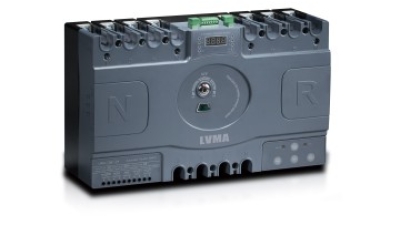
In an era where energy resilience is paramount, the LMQ3-W1 Automatic Transfer Switch ATS 630A stands out as a critical component in modern power solutions. With models such as the LMQ3-630W1, this switch is engineered for robust performance, supporting rated currents from 63A to 630A under a rated voltage of AC400V. Its 4-pole configuration ensures optimal distribution of power across multiple circuits, making it a dependable choice for various industrial applications.
The LMQ3-630W1 is classified as a CB type, certified by leading international standards such as CE, CB, and CCC, ensuring its reliability and safety in diverse environments. It operates under the IEC 60947-6-1 standard, emphasizing its compliance with global quality benchmarks. Designed with a motor type drive mode, this automatic transfer switch enhances response times during power failures, thereby improving energy resilience. By integrating advanced switching technologies, the LMQ3-W1 not only meets the demands of contemporary power management but also contributes significantly to the operational efficiency and reliability of power systems. For inquiries or purchases, interested parties can reach out via email at sale@lvma-ele.com.
FAQS
: The primary purpose of a transfer switch is to safely connect a backup generator to your home, preventing back feeding into the grid, which could endanger utility workers and damage the generator.
Before starting the installation, ensure you have the correct equipment, familiarize yourself with local electrical codes and regulations, turn off the main power supply, and consider consulting a professional if you are inexperienced.
Following the manufacturer's installation manual is vital because it is designed to ensure safety and efficiency during the installation process.
To ensure compatibility, always double-check the specifications and ratings of both your generator and transfer switch before installation.
To test the generator transfer switch, visually inspect it for wear or loose connections, start your generator, engage the transfer switch to shift power, and monitor for any irregularities before switching back to the grid.
During the functional test, monitor for irregularities such as flickering lights or tripped breakers that could indicate issues with the connection.
Regular testing of the transfer switch enhances performance and extends its lifespan, ensuring you are always prepared for unexpected power outages.
It is advisable to wear appropriate safety gear such as gloves and goggles to protect yourself while installing the transfer switch.
Improper installation of a transfer switch can lead to electrical accidents, including risks of electrical shock, back feeding, and potential damage to equipment or risks to utility workers.
Labeling all circuits is important to avoid confusion during power outages and ensure quick and safe operation of the generator transfer switch when needed.
Conclusion
If you're into DIY projects or just want to be more prepared during power outages, you'll definitely want to check out this guide titled "Maximize Your Power Efficiency with a DIY Generator Transfer Switch." It walks you through everything you need to know about building your own transfer switch—that handy little device that keeps your power running smoothly when the grid goes down. The article starts off by explaining the basics of generator transfer switches and lists all the tools and materials you'll need—no rush, no fuss. Then, it dives into step-by-step instructions on how to put everything together, with some key safety tips sprinkled in to keep you safe and sound during installation. Towards the end, it also covers how to test your newly-made transfer switch, making sure it works perfectly before you actually need it.
Now, a quick shoutout to Zhejiang LVMA Electric Co., Ltd. — they’re pretty big players in the electrical and renewable energy world. They focus heavily on innovation and have a strategic presence worldwide, which really ties into the whole DIY thing—empowering folks like us to take charge of our energy solutions. By following this guide, you're not just installing a transfer switch; you're taking control of your power needs, all while drawing inspiration from a company that's pushing for more efficiency and sustainability. Pretty cool, right?


 中文

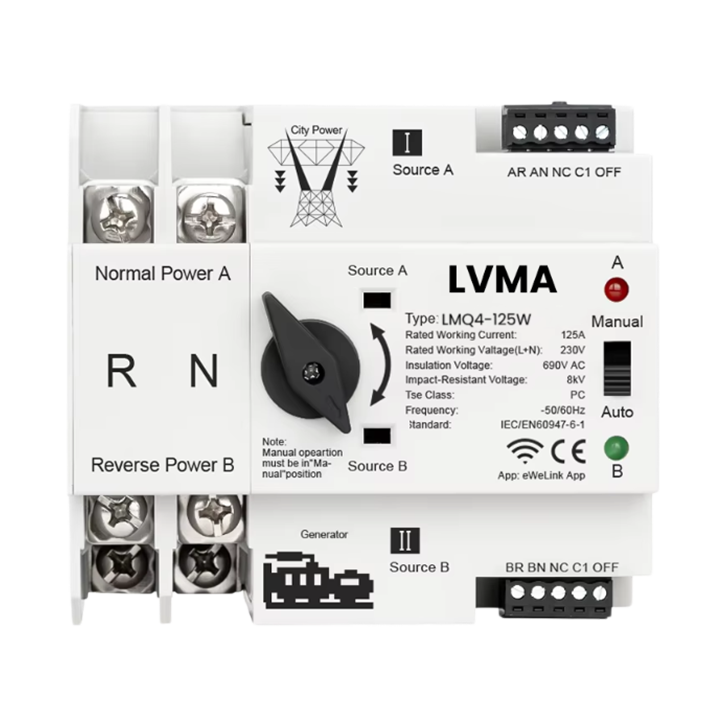 Wifi Ats 125A, Automatic Transfer Switch 2P 3P 4P LMQ4-125W
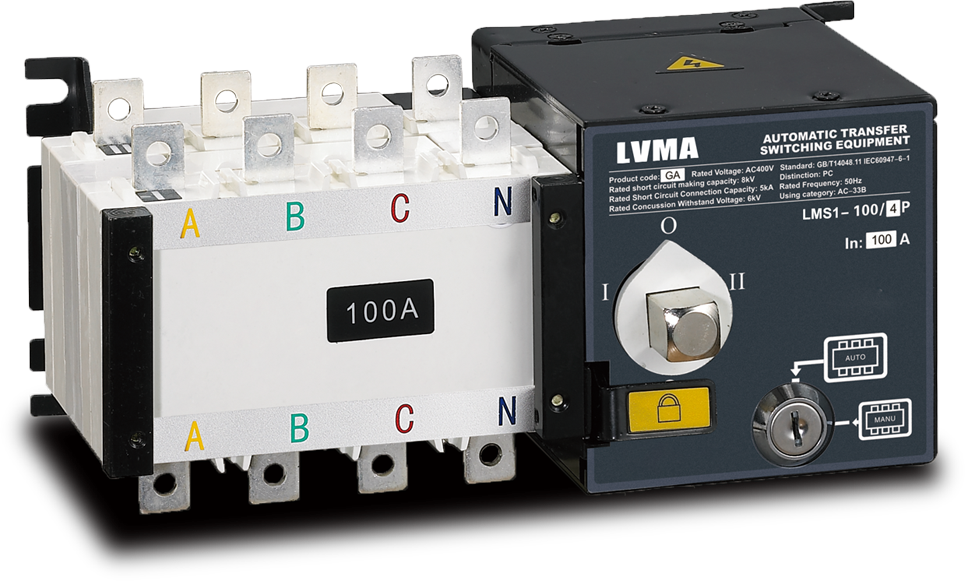 LMS1-GA series Automtic transfer Switch Ats 100A
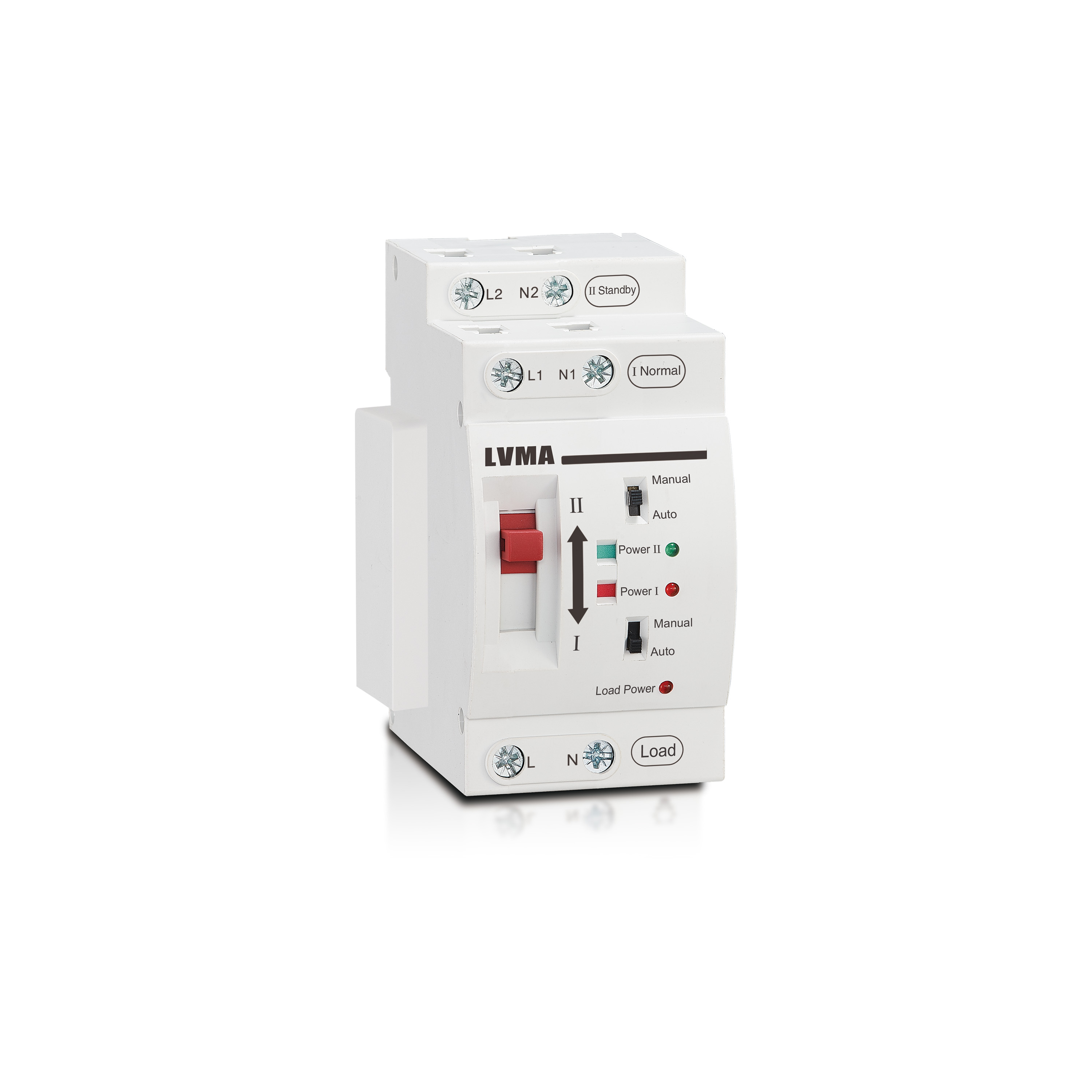 LMS1-NJT Series Automatic Transfer Switch Ats 63A
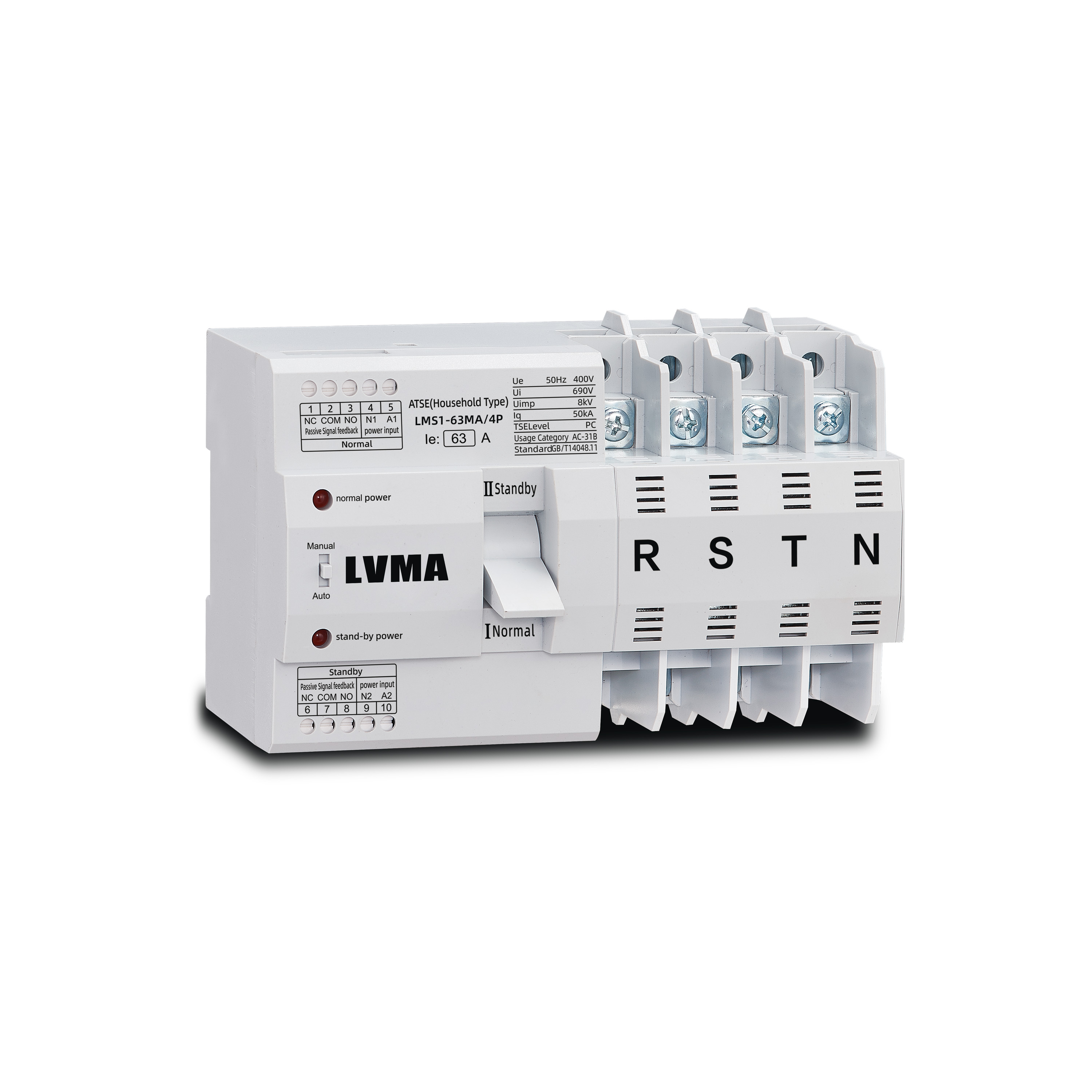 LMS1-MA Type PC Class Automatic Transfer Switch Ats 63A
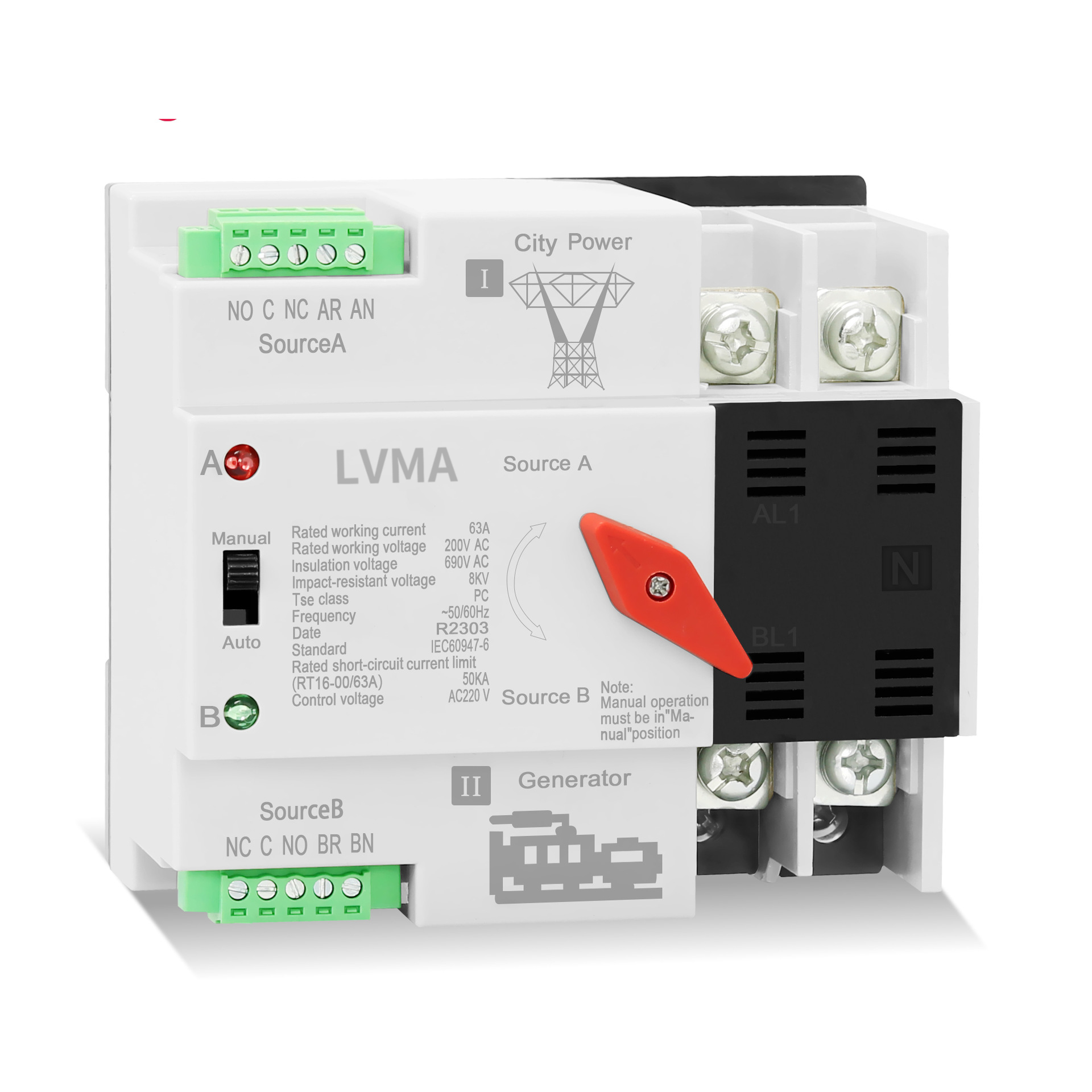 Ats 100A,Automatic Transfer Switch 2P 3P 4P LMQ4-100X
 LMS1-LA Series Automatic Transfer Switch ATS 100A
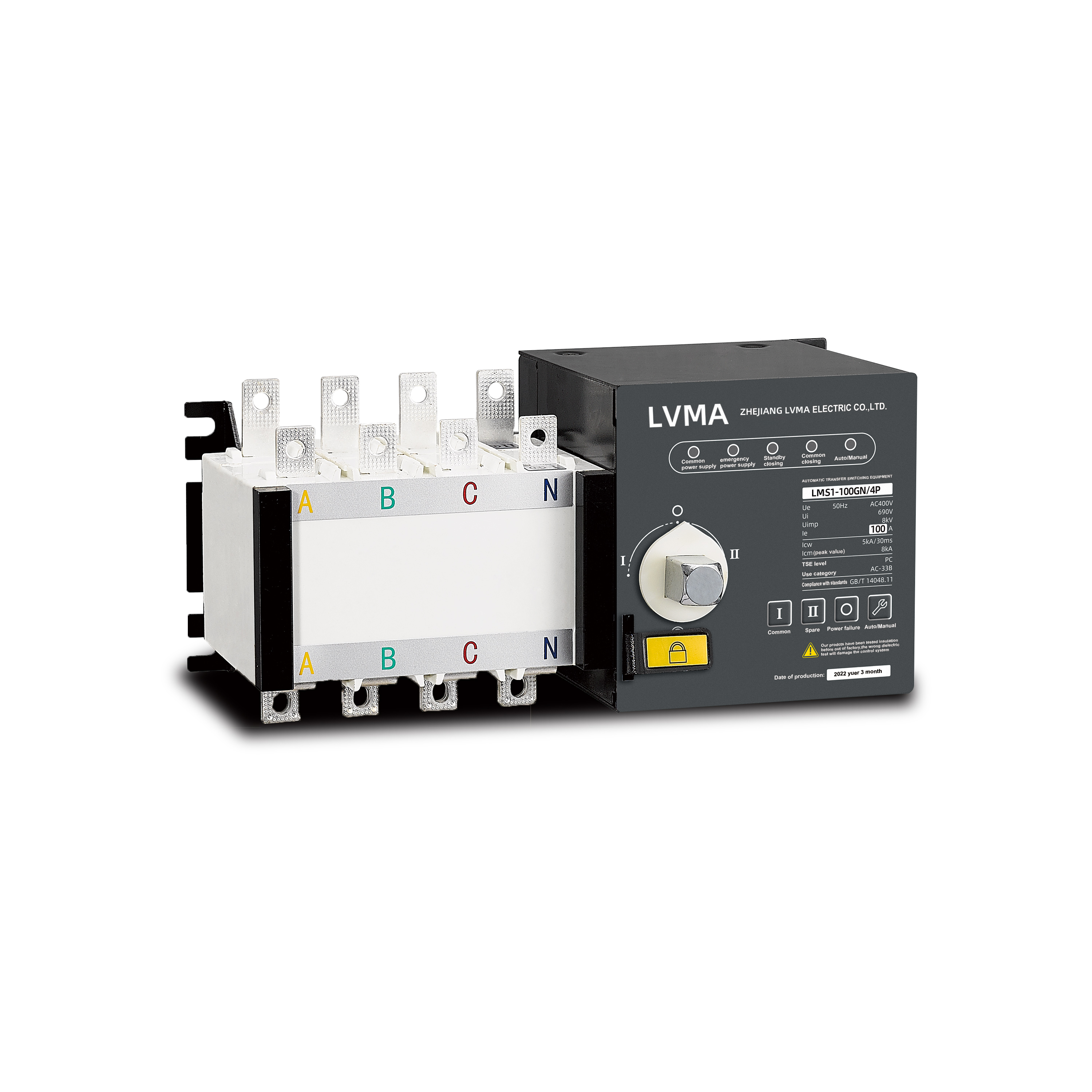 LMS1-GN Automatic Transfer Switch ATS 250A
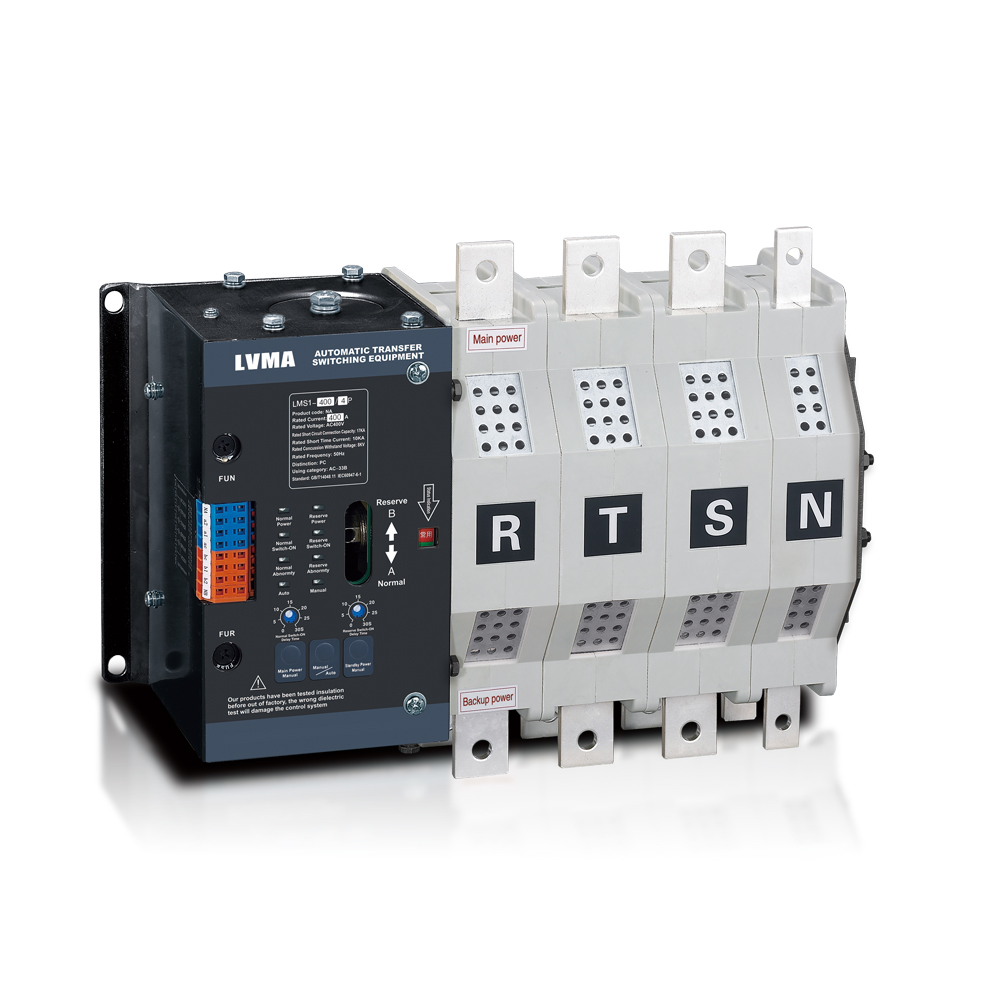 LMS1-NA Series Automatic Transfer Switch ATS 630A
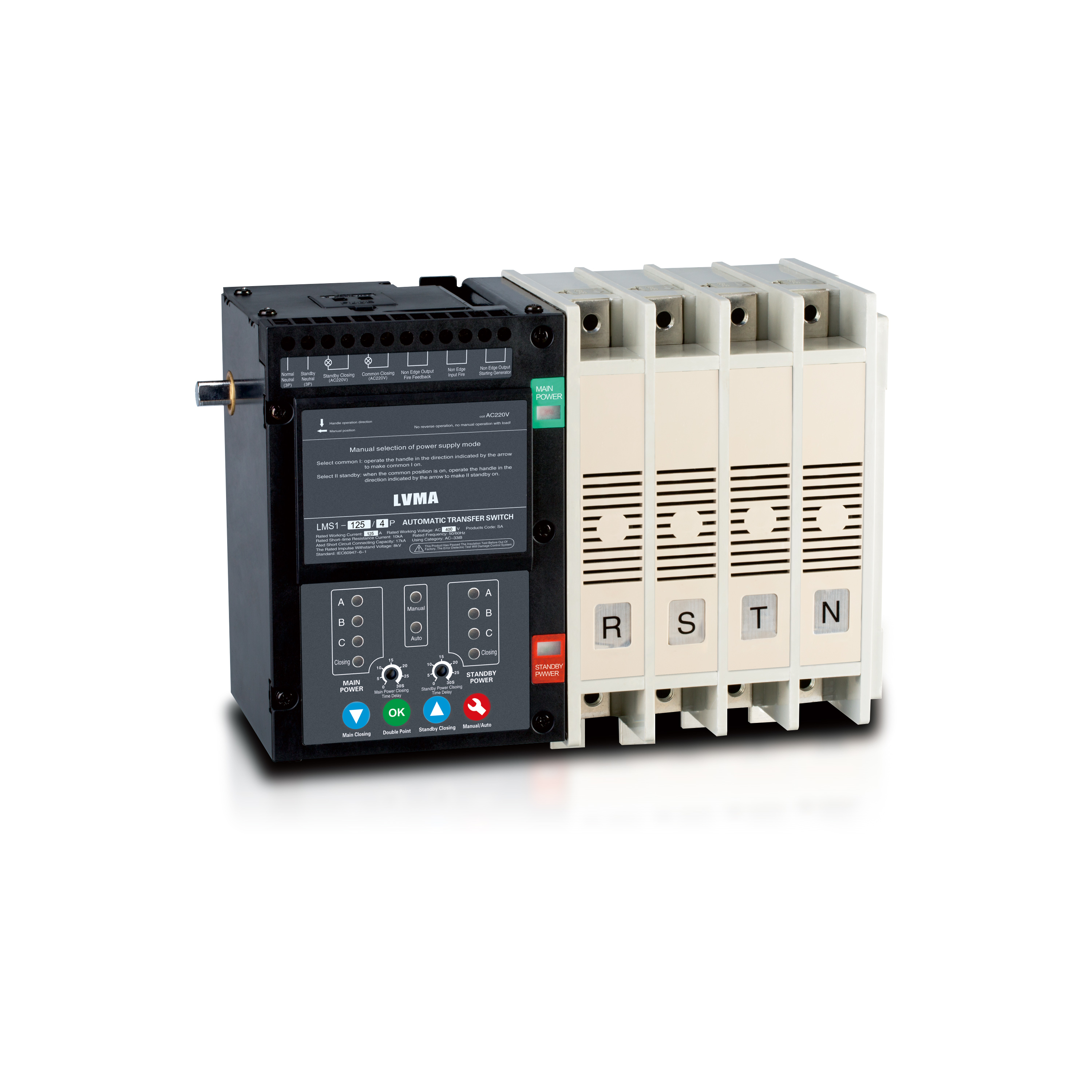 LMS1-LA3 Series PC Automatic transfer switch Ats 630A
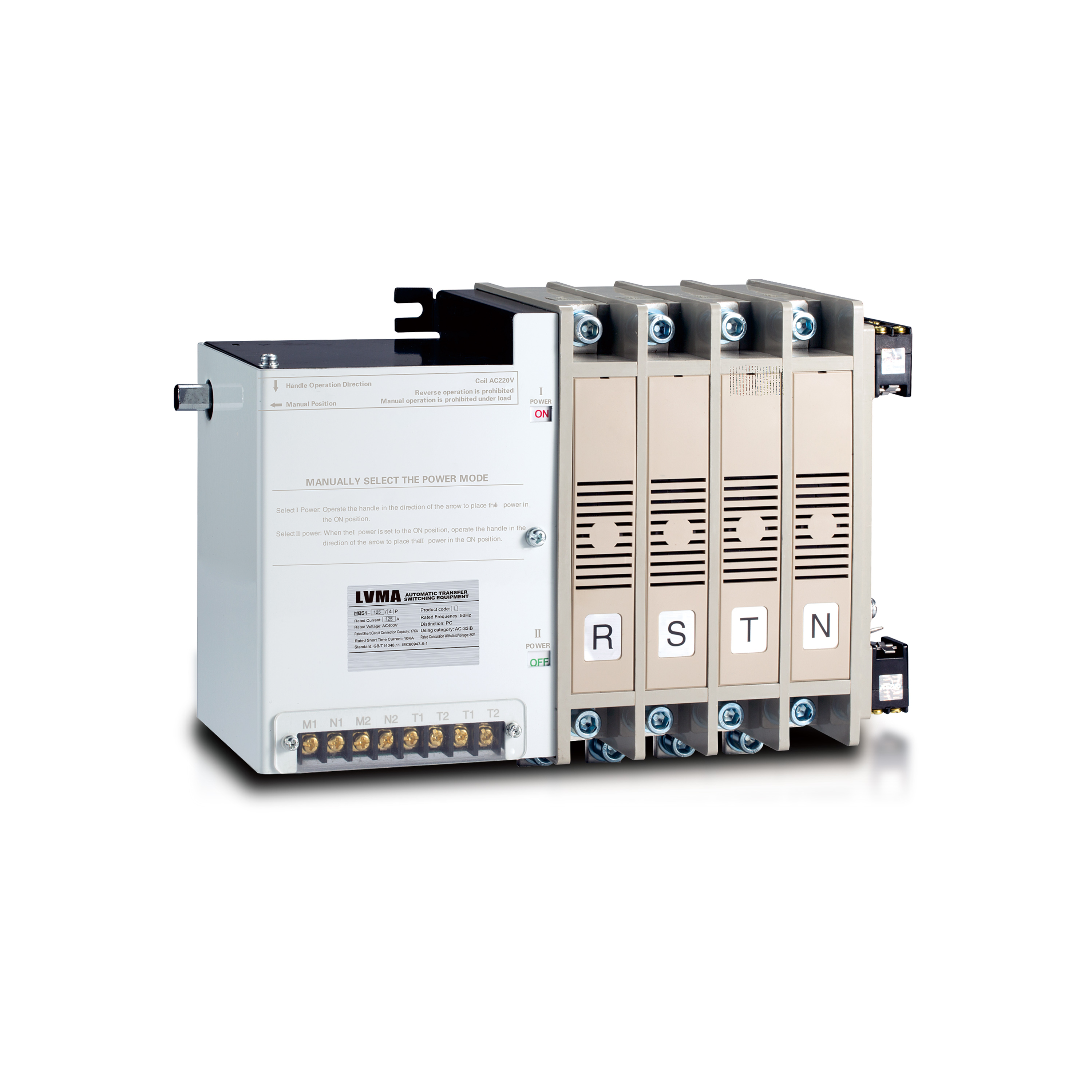 LMS1-L Series Automatic Transfer Switch Ats 630A
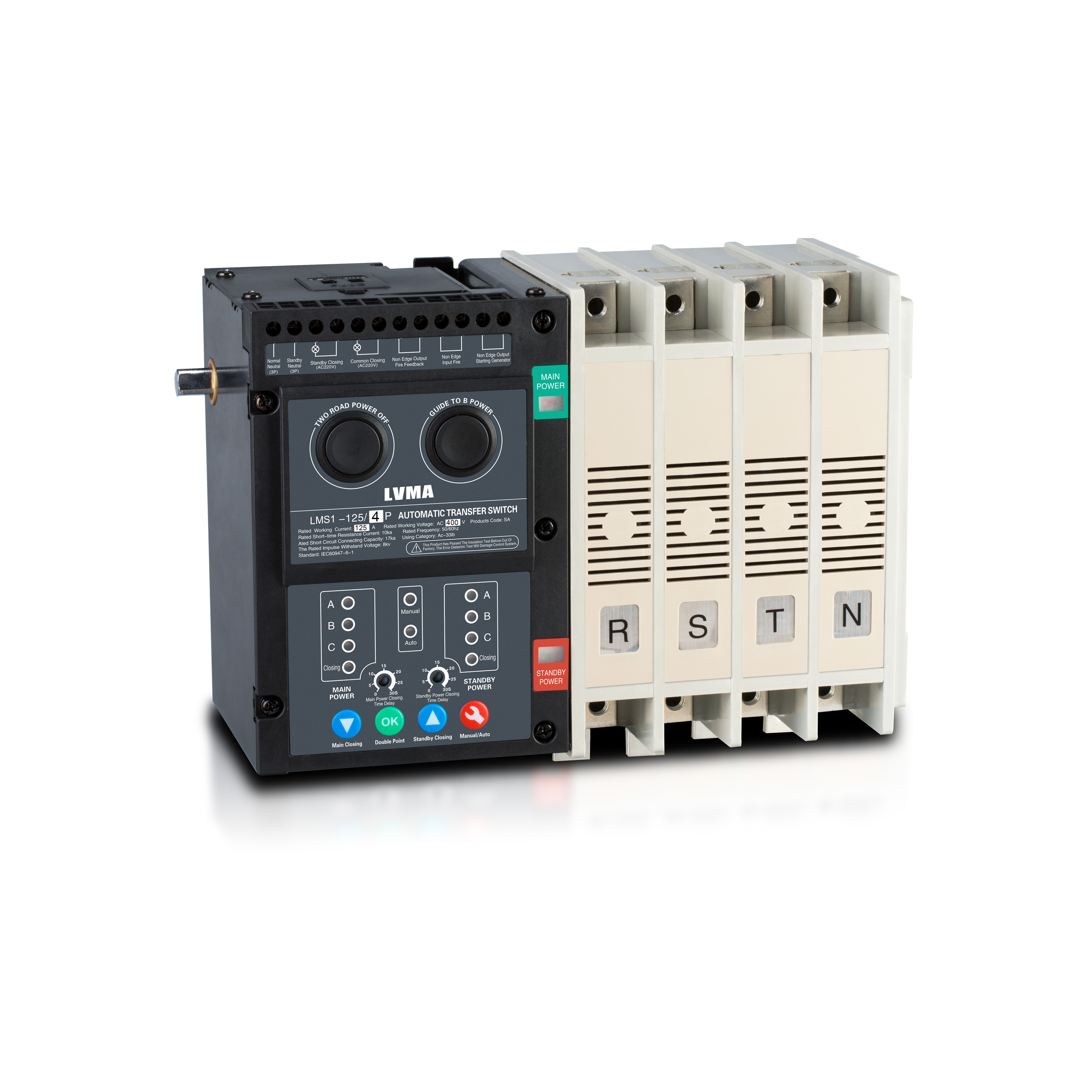 LMS1-SA Series PC Automatic transfer switch
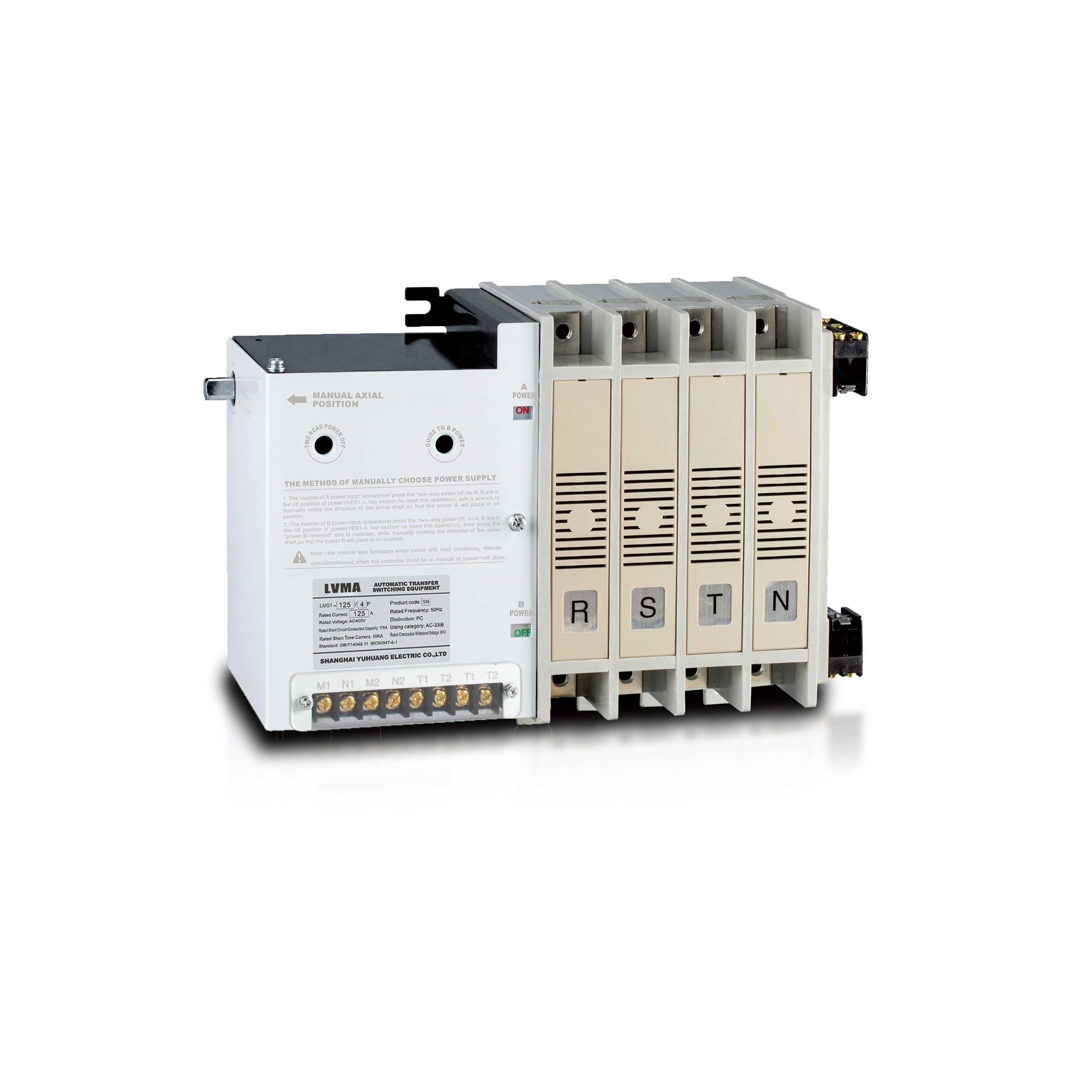 LMS1-SN Series Automatic Transfer Switch Ats 400A
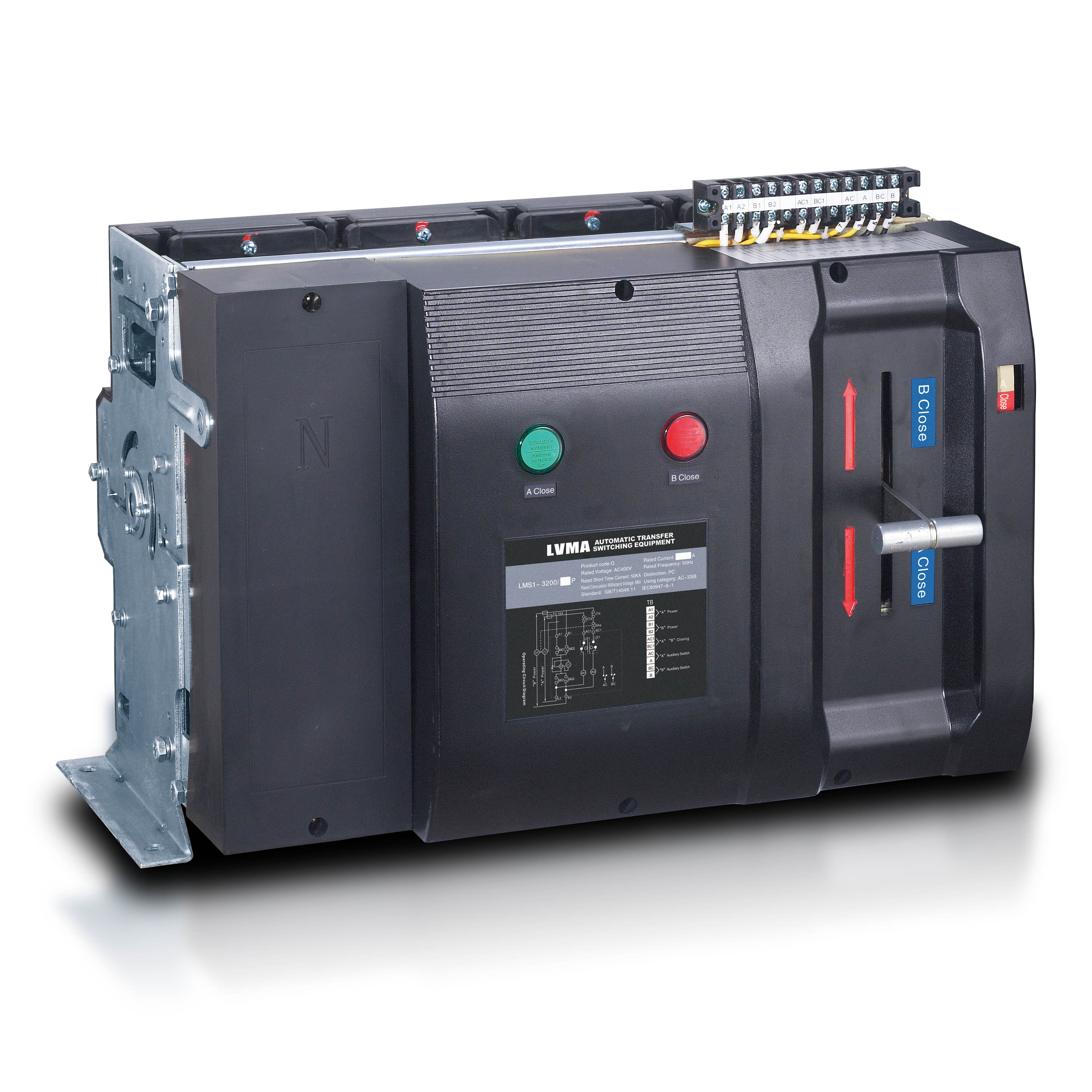 LMS1-Q Type Automatic Transfer Switch Ats 3200A
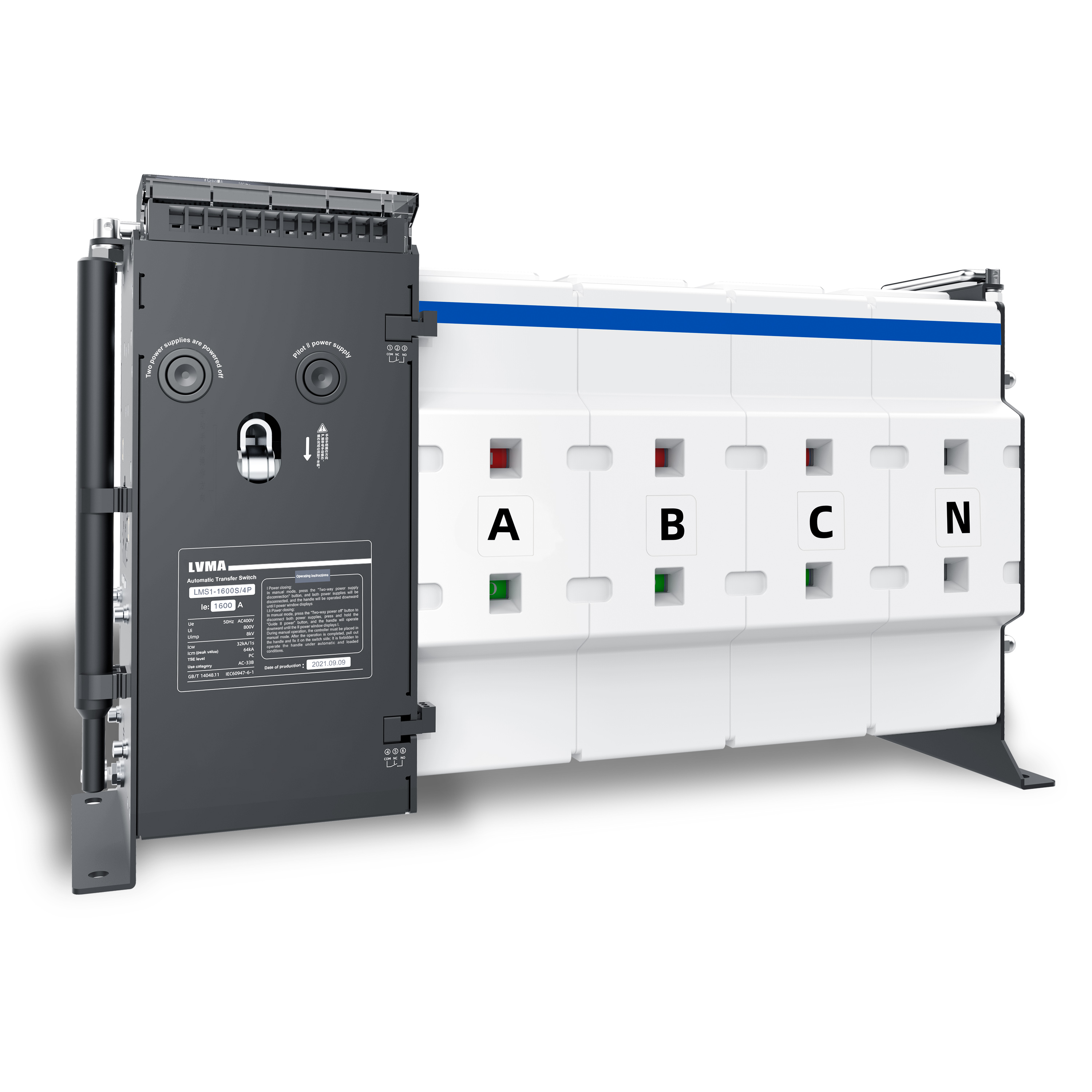 LMS1-SN Automatic Transfer Switch Ats
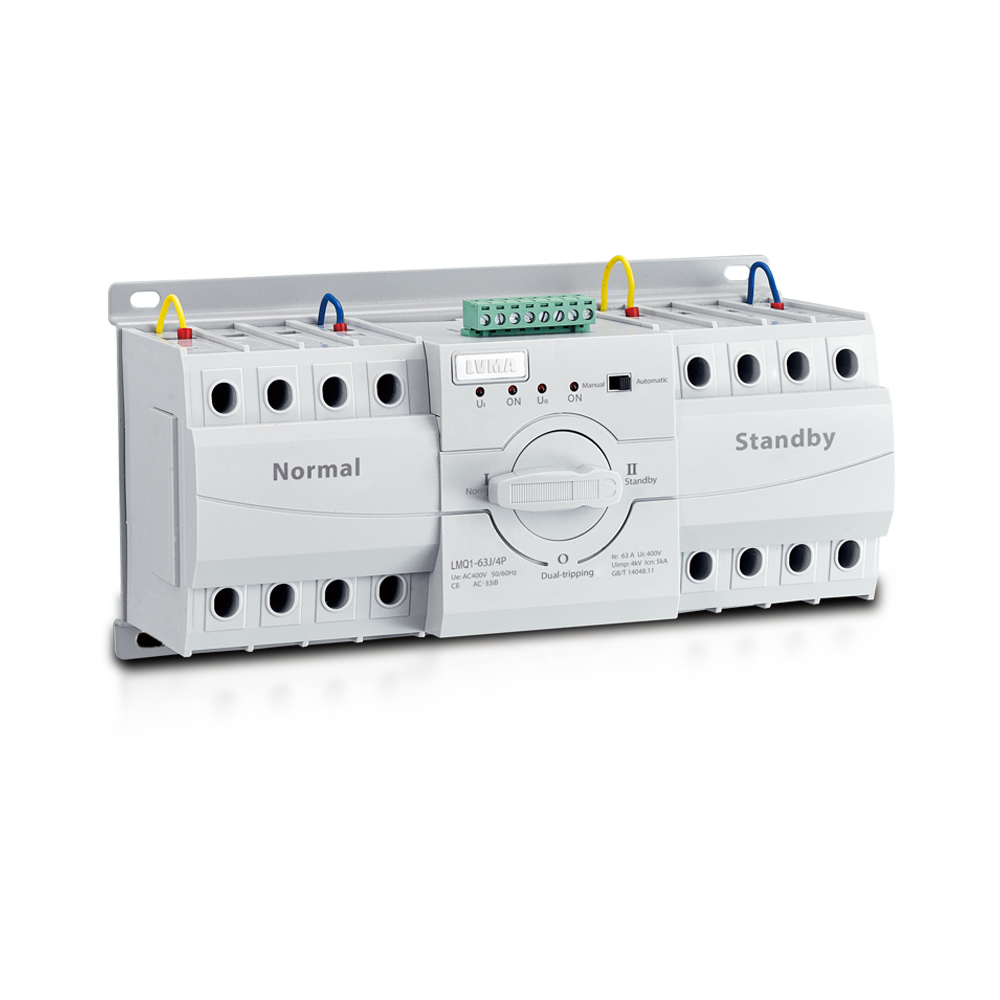 LMS1-J Series Automatic Transfer Switch Ats 63A
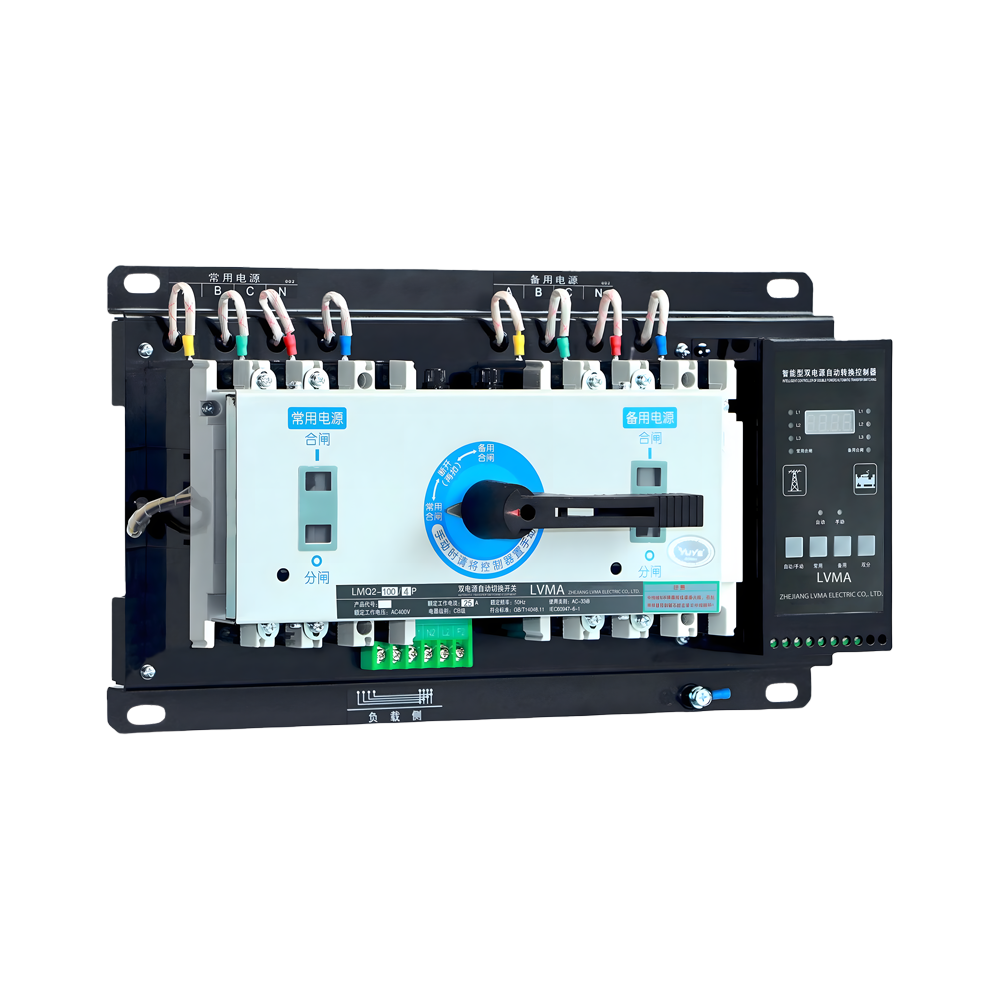 LMQ2Y Series Automatic Transfer Switch CB Class
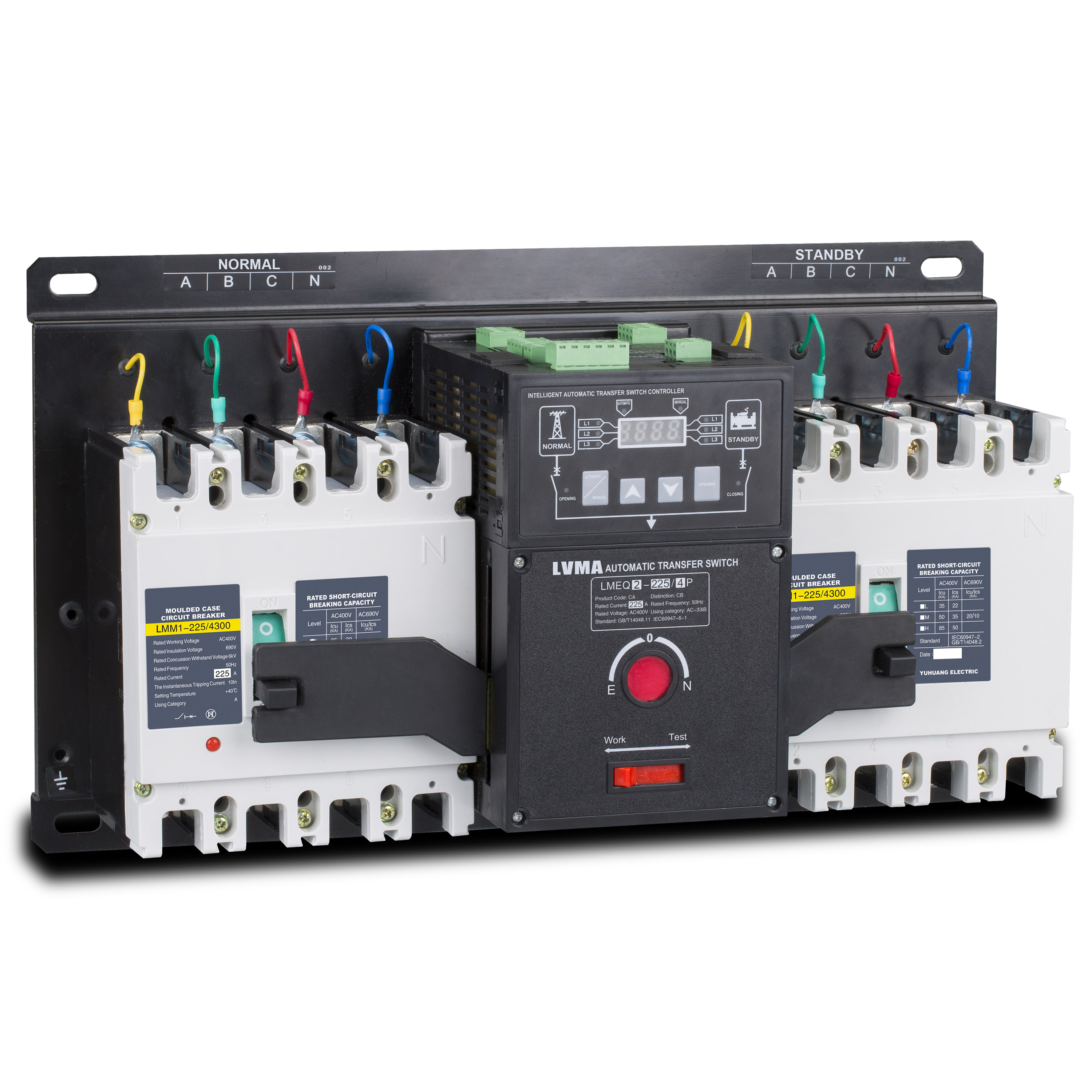 LMQ2CB Series Automatic Transfer Switch
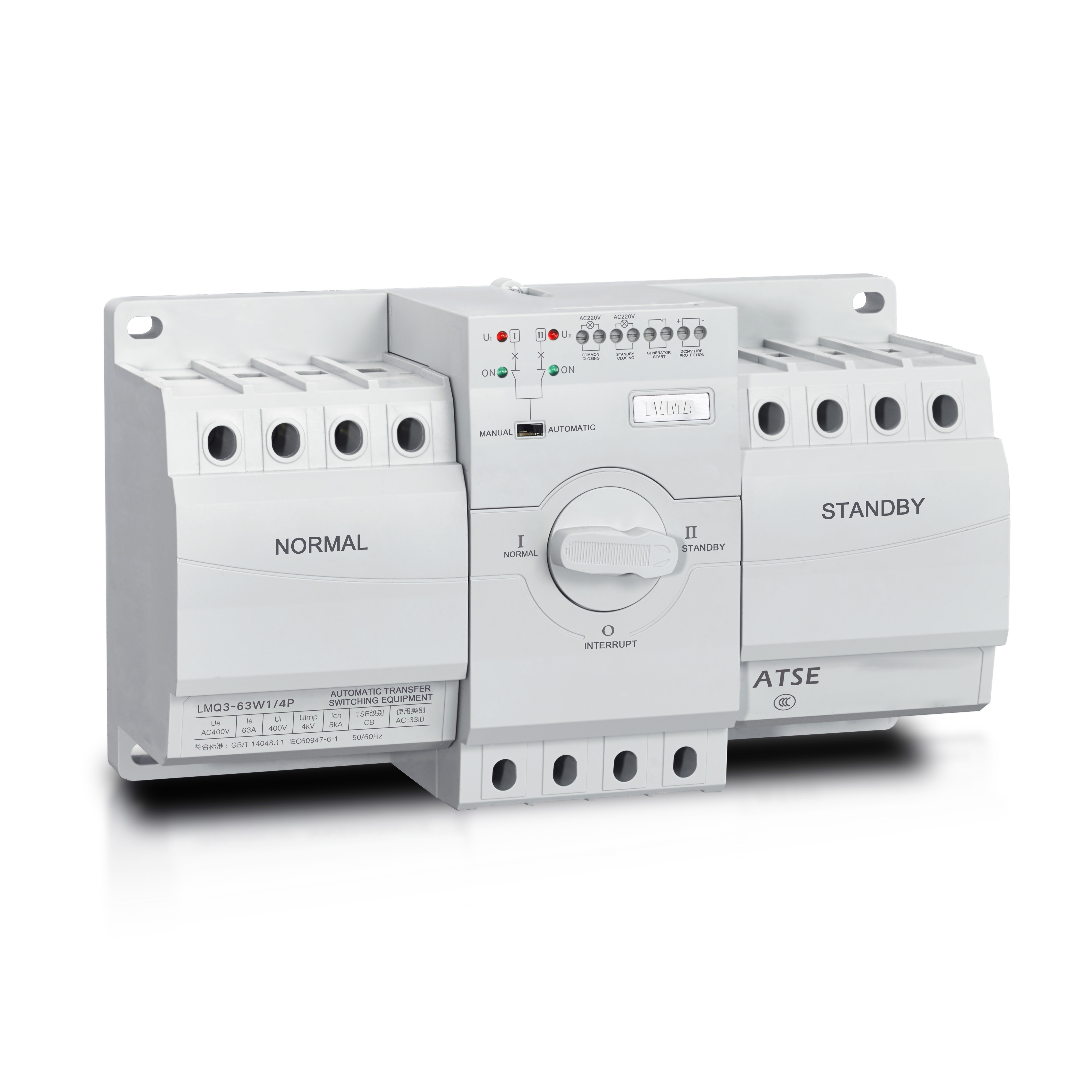 LMQ3-W1 Automatic Transfor Switch Ats 63A
 LMQ3-W1 Automatic Transfor Switch ats 630A
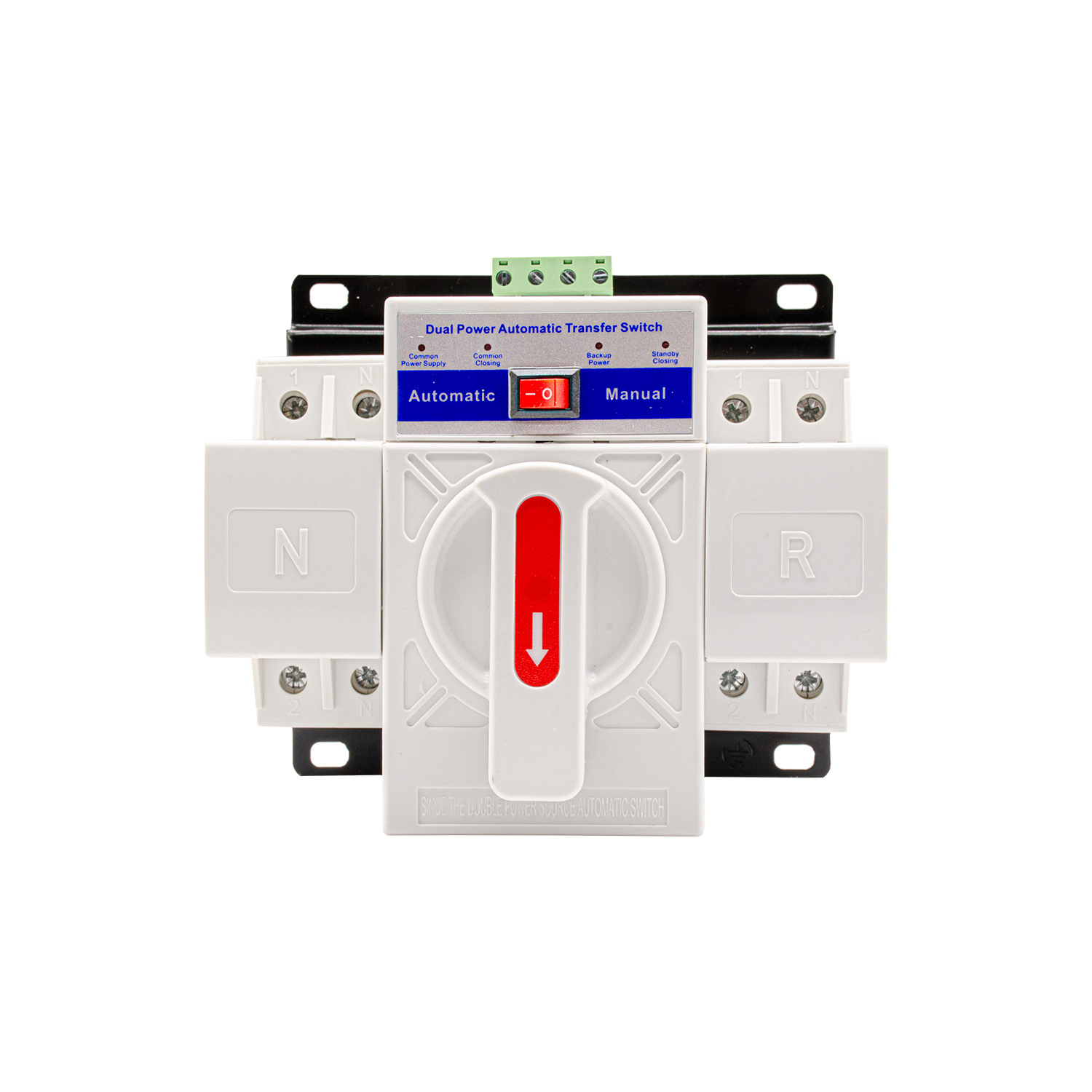 LMQ4-63M 63A Automtic transfer Switch 2P 3P 4P
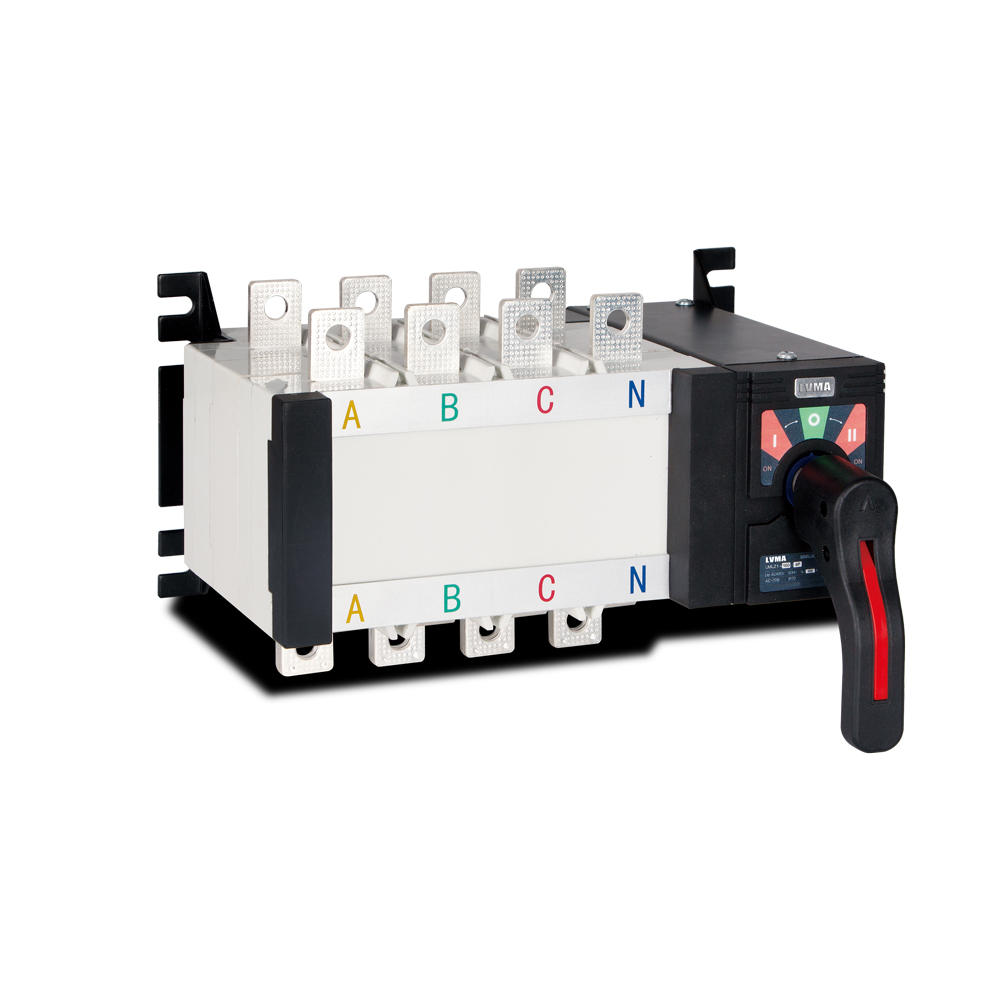 LMGLZ1 Manual Transfer Switch (100~630A)
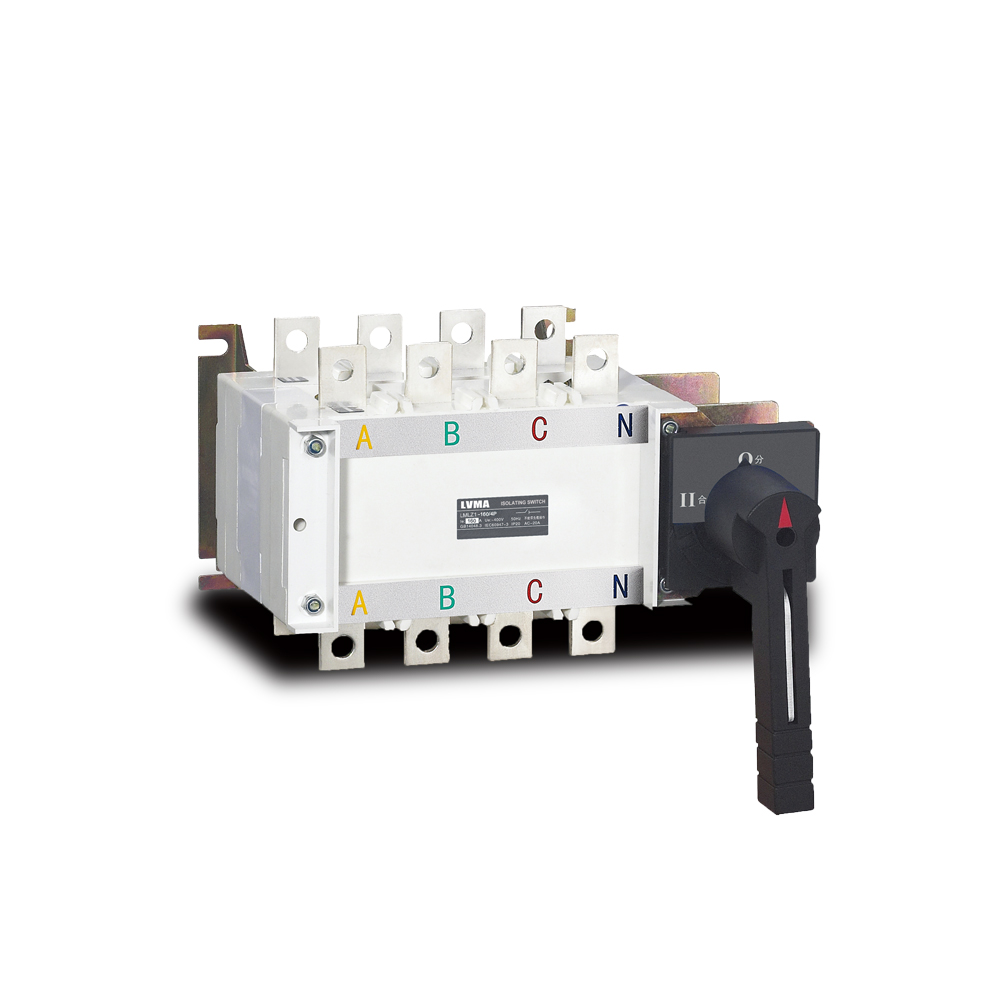 LMGLZ Manual Transfer Switch (100~630A) Changeover Switch
 Y-700 Automatic Transfer Switch Controller
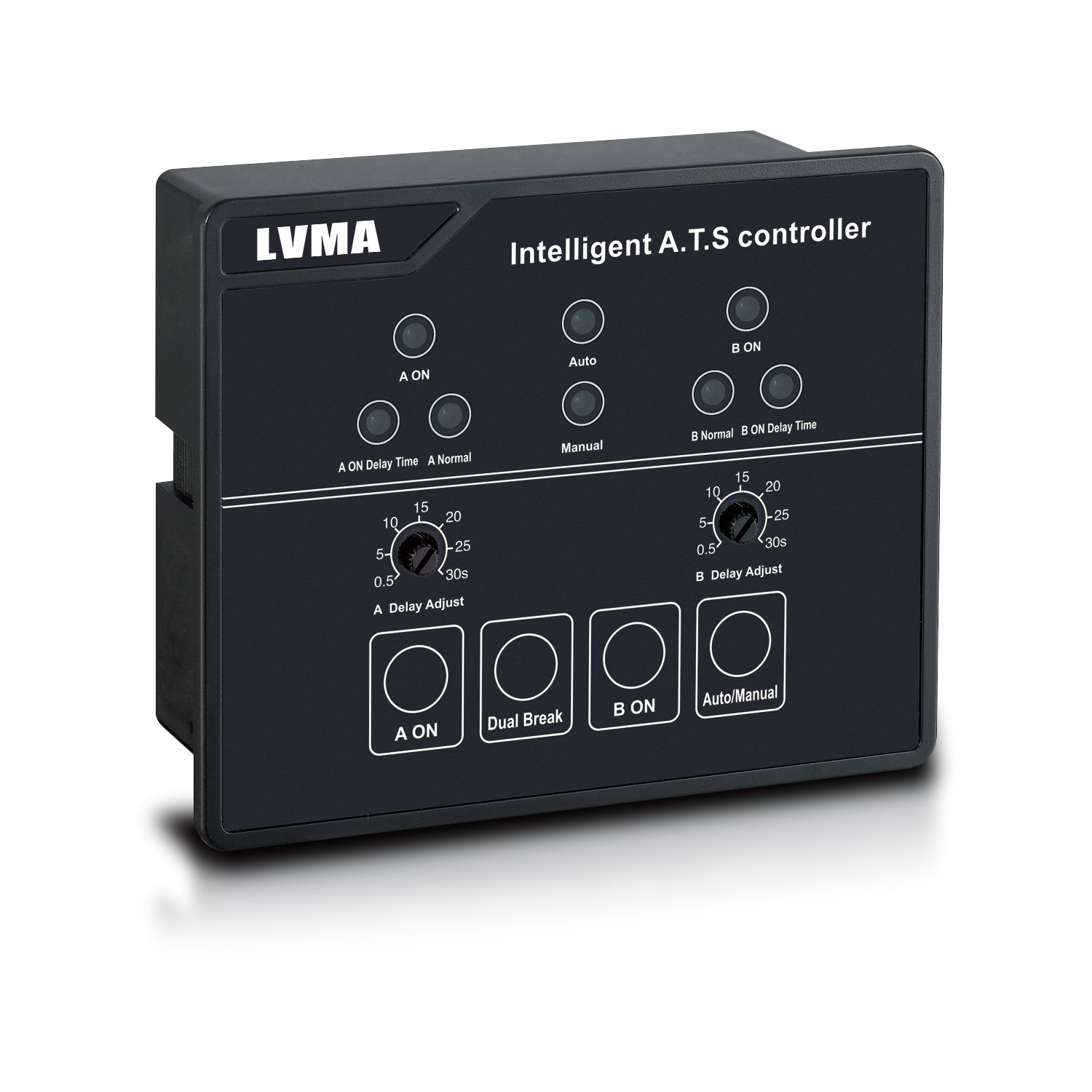 Y-701 Automatic transfer switch controller
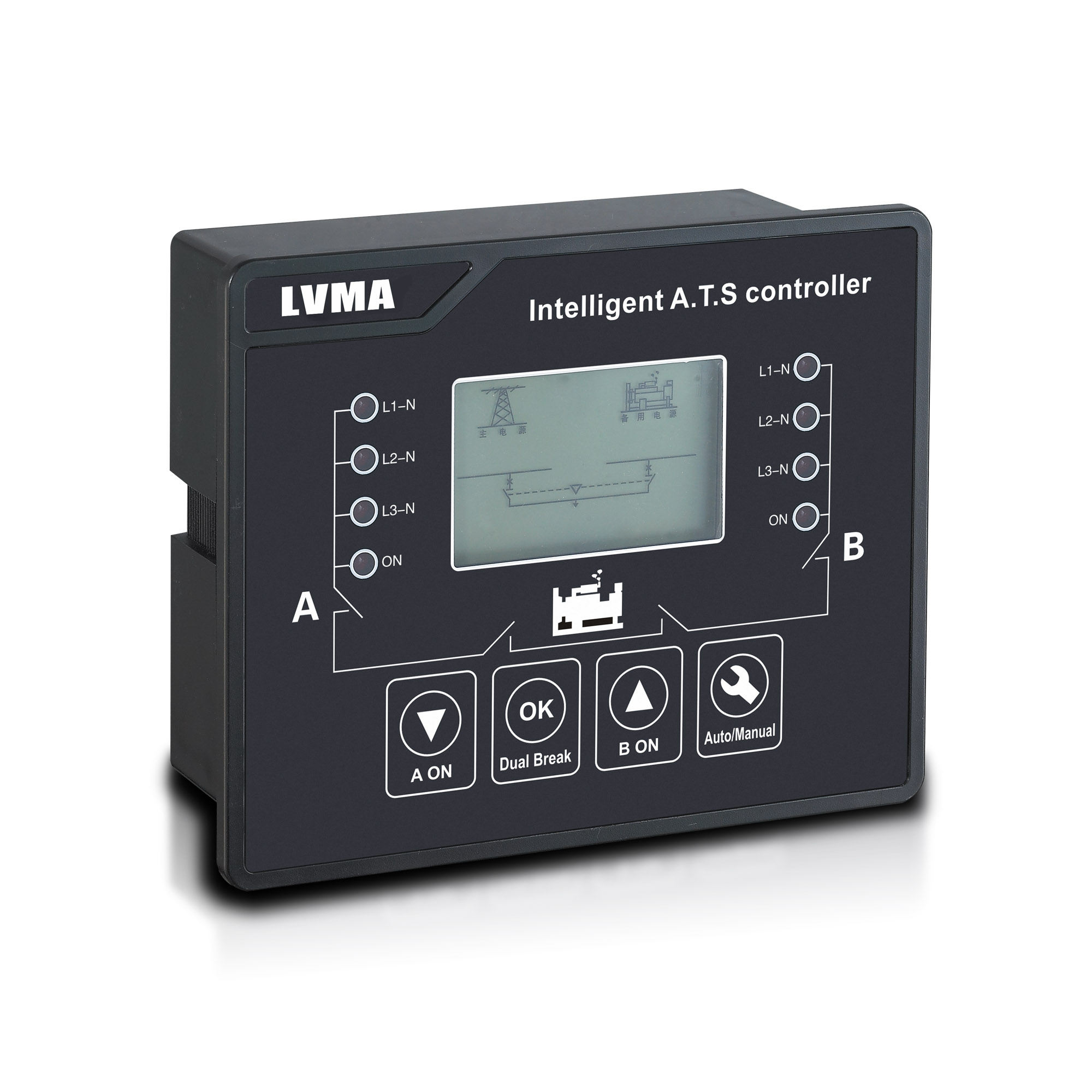 Y-702 Automatic Transfer Switch Controller
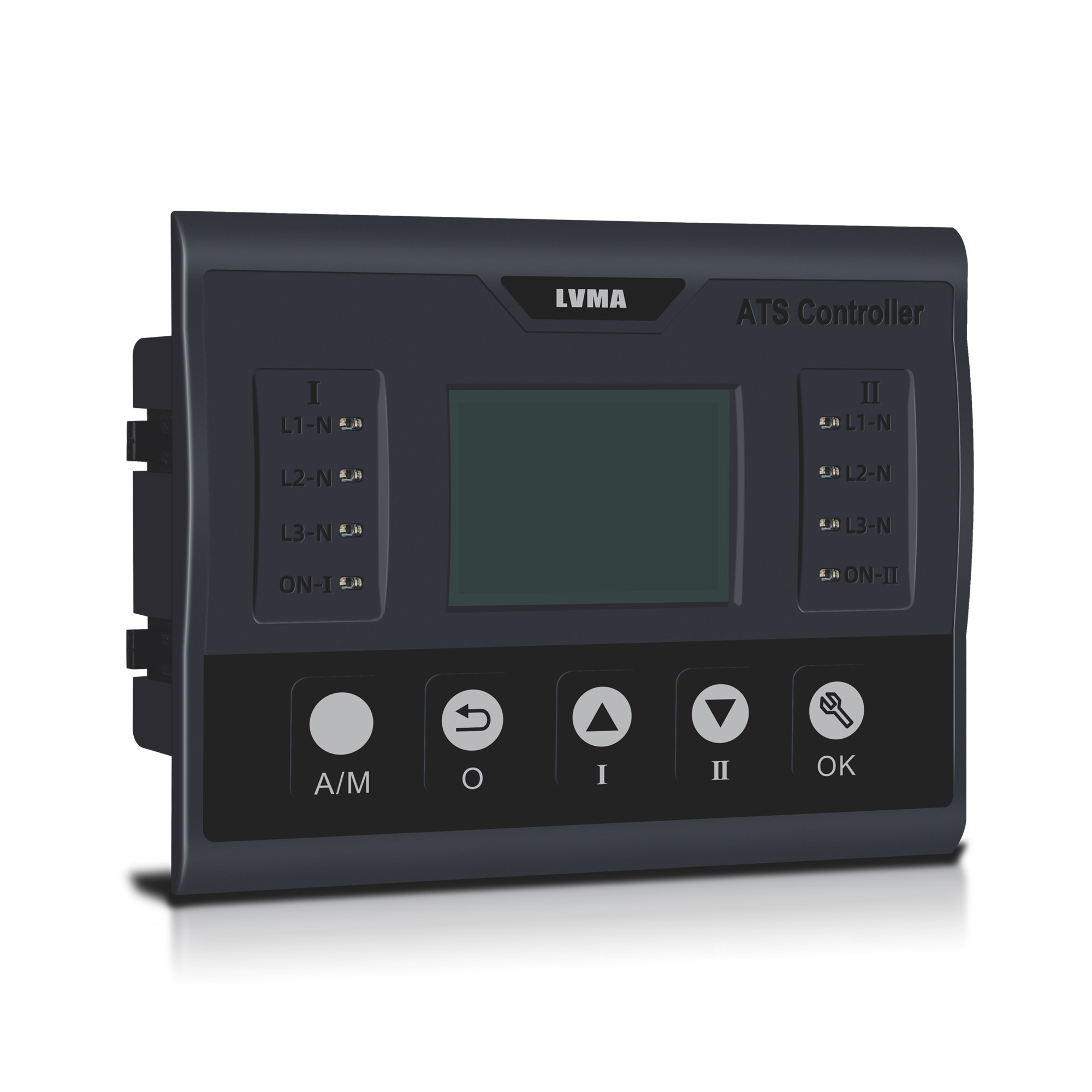 Y-703 Automatic Transfer Switch Controller
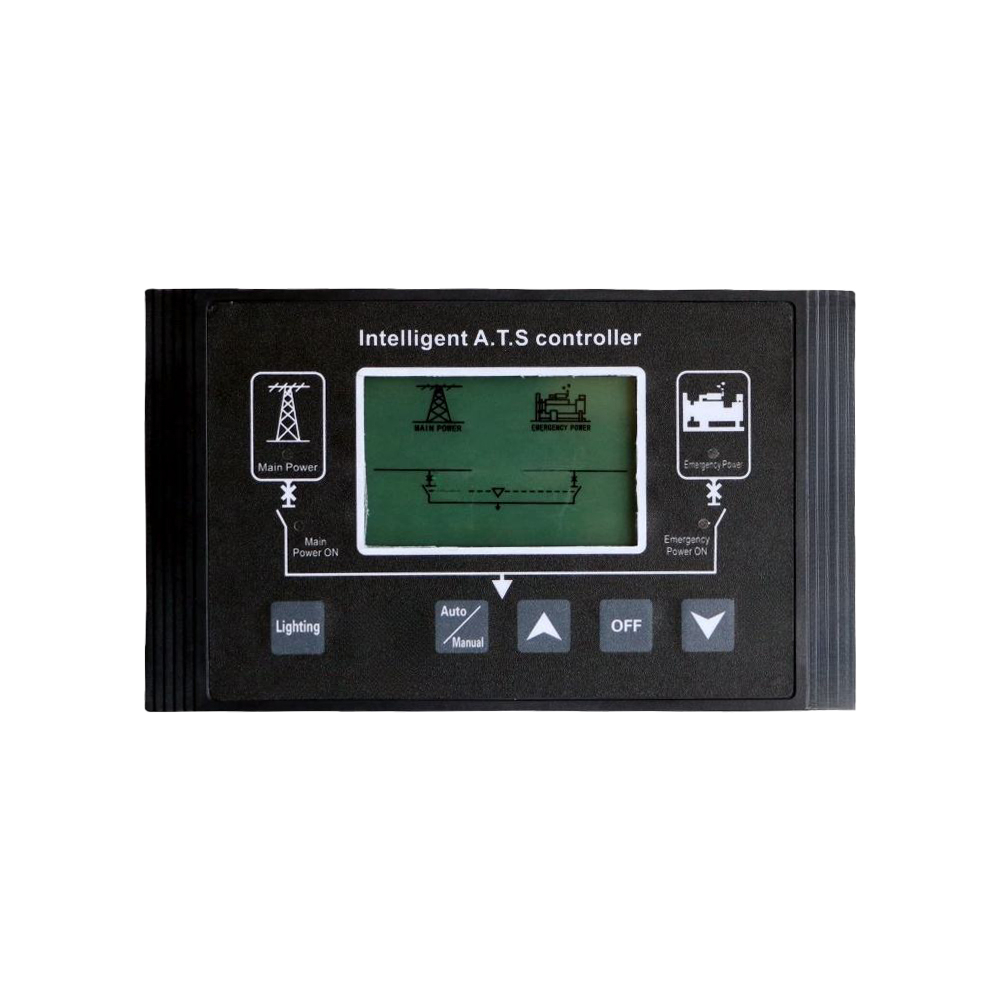 W2、W3 Automatic Transfer Switch Plug-In Led Digital Controller
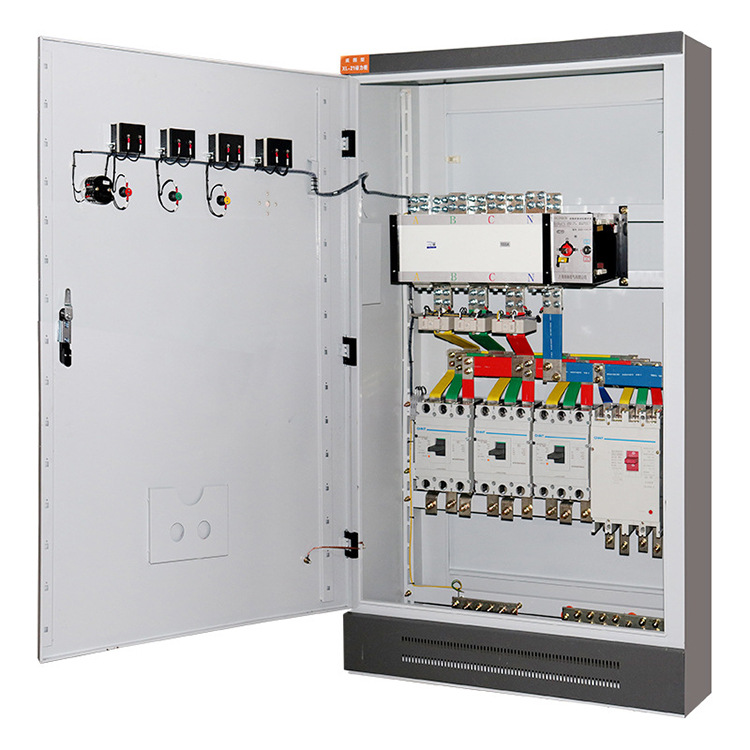 Customization-Automatic Transfer Switch Cabinet 100A Ats
 Dual Power Supply Control Cabinet - Automatic Transfer Switch
 Ats Cabinet - Automatic Transfer Switch