You know, in today’s world, power outages happen when you least expect them. Having a reliable backup plan isn't just a nice-to-have — it’s pretty much essential. One thing that can really make a difference is a DIY Generator Transfer switch. It’s a clever thing that lets you connect your generator straight into your home’s wiring, so when the power’s out, you can keep your most important appliances running without any fuss. Honestly, though, a lot of folks overlook this critical bit of prep and don’t realize how much it could help.
Now, I get it — the idea of installing your own transfer switch might seem a bit intimidating at first. And sure, if you don’t do it right, there are real risks involved like electrical fires or dangerous backfeeds. That’s where a DIY generator transfer switch really shines — it helps cut down those dangers and keeps things safe and simple during a blackout. Plus, taking the time to do it yourself can give you some serious peace of mind.
Sure, putting one together might feel a little overwhelming at first, but getting familiar with the right materials and steps isn’t as bad as it sounds. And honestly, even if you make a mistake here and there, the knowledge you gain from the process is totally worth it. At the end of the day, a DIY transfer switch doesn’t just keep your home powered — it also makes you a bit more confident as a homeowner.
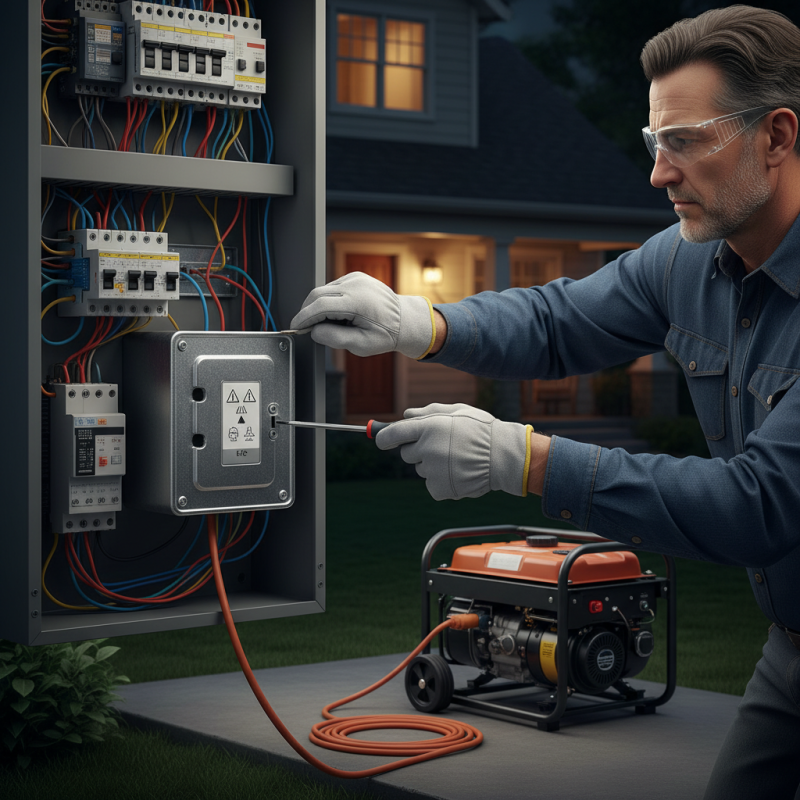
Understanding the Concept of a DIY Generator Transfer Switch
A DIY generator transfer switch is essential for safely using backup power. This switch allows you to connect your generator directly to your home's electrical system. Understanding how it works is key to ensuring safety and efficiency. You can build one yourself if you have some basic electrical skills. But be careful. Mistakes can be dangerous.
When designing your Diy Ats Switch, consider the power needs of your home. Calculate the wattage of essential appliances. Choose a switch rated higher than your total needs. It’s always better to have a margin for safety. Ensure proper grounding and use quality materials to avoid electrical hazards.
Tips: Double-check all your connections before using the switch. Label each circuit for clarity. Test the system during daylight hours for maximum visibility. With some effort and care, a DIY Ats Switch can be a valuable addition to your home.
The Importance of Power Backup Solutions for Homes
Power backup solutions are essential for every home. Research shows that about 30% of households experience power outages every year. These can last from a few hours to several days. Without a reliable backup plan, families face challenges. Food spoilage, heating loss, and disruptions to daily life all become major concerns.
One effective solution is a DIY generator transfer switch. It allows homeowners to connect their generator directly to the electrical system of their house. This setup ensures that essential appliances remain powered during outages. However, not every home is ready for a DIY installation. Homeowners need to assess their systems and skills before starting.
Tips for homeowners include:
- Always check if your generator is compatible.
- Ensure your transfer switch meets safety standards.
- Regular maintenance of the generator can prevent failure when it's most needed.
It's crucial to remember that a poorly installed system can be hazardous. Evaluate your space and consult professionals when necessary. Investing in proper gear now can save significant headaches later.
Benefits of Installing a DIY Generator Transfer Switch
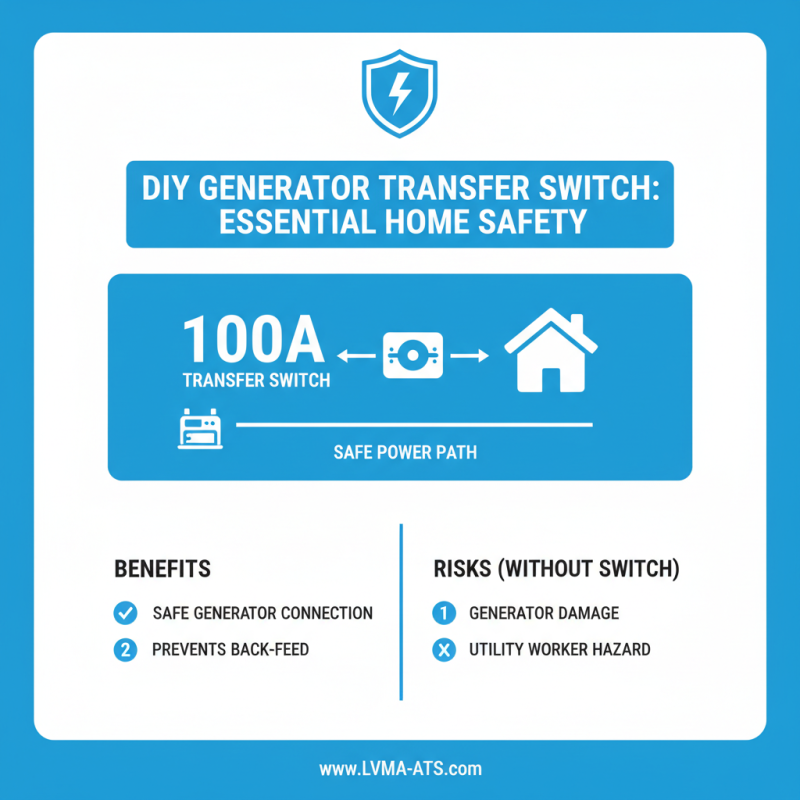
Installing a DIY generator transfer switch provides essential benefits for homeowners. A 100 Amp Generator Transfer Switch allows you to connect your generator safely. This switch prevents back-feed issues. Back-feeding can damage your generator and pose risks to utility workers.
One major advantage is improved safety during power outages. A transfer switch isolates your home from the grid. This keeps everyone safe while you source power from your generator. Moreover, it allows for seamless power transfer. You can maintain essential appliances without disruption.
Tips for installing your switch include checking local codes before starting. Ensure you have the right tools and materials. Familiarize yourself with wiring diagrams for clarity. Take your time with each step. Mistakes can lead to dangerous situations. If unsure, consult an expert. Be cautious; safety should always come first.
Key Components of a Generator Transfer Switch
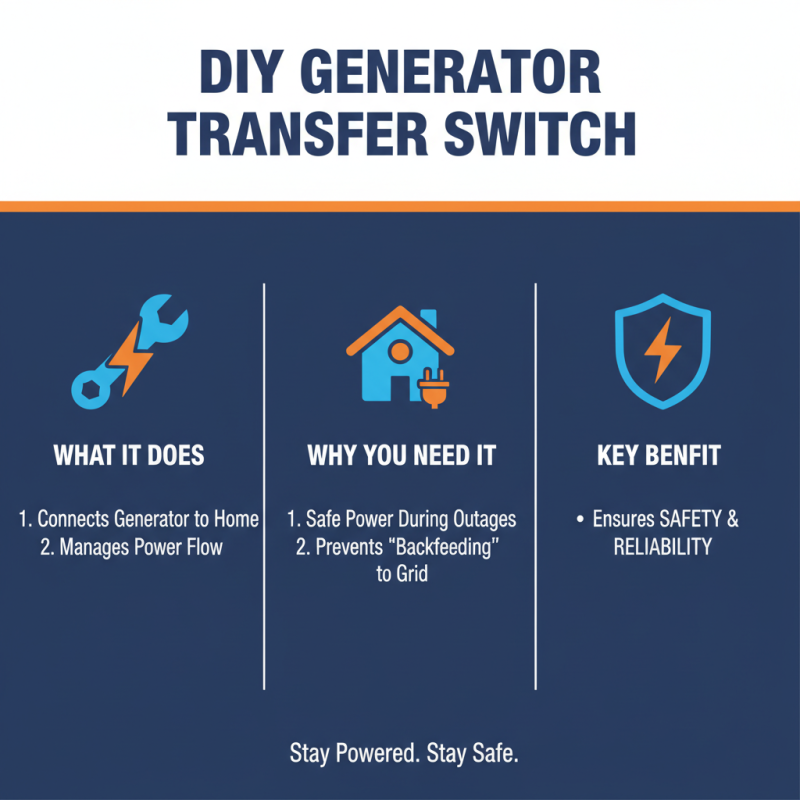
A DIY generator transfer switch is essential for safely managing power during outages. Its main function is to connect your generator directly to your home’s electrical system. This ensures that power can flow where needed without backfeeding into the grid, which poses a safety risk.
Key components of a transfer switch include the main switch, circuit breakers, and safety interlocks. The main switch allows you to toggle between utility and generator power. Circuit breakers protect your home from overloads. Safety interlocks ensure only one power source operates at a time, preventing dangerous situations.
**Tip:** Always choose a transfer switch that matches your generator’s wattage. This prevents damage and increases efficiency.
Not everyone thinks about installation requirements. Consider the placement of your switch. It should be near your electrical panel for easy access. Also, ensure weatherproofing if installed outdoors. Reflect on the layout to avoid complications later.
**Tip:** Regular maintenance checks are crucial. Inspect connections and wiring every season. This prolongs your switch's lifespan and enhances safety.
Step-by-Step Guide to Building Your Own Transfer Switch
Building your own transfer switch can save both time and money. A DIY generator transfer switch ensures a safe connection between your home and backup power. Various industry reports indicate that homes experience power outages an average of five to seven times each year. In some regions, this number can be even higher. A reliable transfer switch can help you navigate these moments with ease.
Creating your own switch remains fairly straightforward. Gather essential materials such as a 200 amp automatic transfer switch for generator. You'll also need high-quality wiring and a sturdy enclosure. Start by turning off all power sources and planning your system layout. Identify your main electrical panel and include safety measures. As you move forward, be cautious of common pitfalls like improper wiring or lack of grounding.
One common mistake relates to not understanding your power needs fully. Oversizing or undersizing can lead to inefficiency. Always check if your generator can handle your appliances. A thoughtful approach allows for balanced power distribution. Keep in mind, the process isn't always perfect, and troubleshooting may be necessary. Mistakes can serve as valuable lessons in this DIY venture, encouraging you to refine your approach as you go.
Safety Precautions When Using a Generator Transfer Switch
When using a generator transfer switch, safety is paramount. Always ensure you choose a reliable 3 pole generator transfer switch . This will help you effectively isolate your home’s electrical system from the grid while using the generator. If these devices are improperly installed, the results can be dangerous for both you and utility workers.
Before using a generator, regularly check your transfer switch for any signs of wear. Connections should be secure and free from corrosion. In bad weather, maintain proper ventilation around your generator to prevent carbon monoxide buildup. This often overlooked detail can save lives. If you hear unusual noises from the generator, stop using it immediately.
It's essential to understand that misuse can lead to hazardous situations. Be cautious of overloading your generator. Make sure you know the power usage of the devices you connect. Keep your children away from the generator area. Your safety lies in small details like these. Taking the time to reflect on your setup can prevent accidents.
Common Mistakes to Avoid When Setting Up Your Transfer Switch
Setting up a DIY generator transfer switch can be rewarding but tricky. Many people overlook critical details that can lead to safety hazards. According to the Electrical Safety Foundation International, improper transfer switch installation is a leading cause of home electrical accidents. It’s essential to understand your local building codes and regulations. Ignoring these could put your family at risk and result in fines.
One common mistake is not sizing the transfer switch properly. Many assume a one-size-fits-all approach. However, the National Fire Protection Association emphasizes using a transfer switch rated for at least 125% of the generator's output. This ensures that the switch can handle peak loads. Choosing a switch that is too small can lead to overheating and potential fire hazards.
Another frequent error is neglecting to install a proper grounding system. A lack of grounding increases the risk of shock and equipment damage. In fact, the U.S. Department of Energy advises that all generators must be properly grounded to function safely. Conducting regular maintenance checks after installation is also crucial. Many homeowners forget this step, leading to inefficient operation during power outages. Taking these precautions can help you avoid unexpected failures.
Reasons to Install a DIY Generator Transfer Switch
Understanding the Benefits and Features of the LMQ3-W1 Automatic Transfer Switch ATS 63A for Efficient Power Management
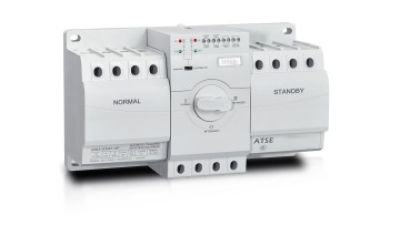
The LMQ3-W1 Automatic Transfer Switch, rated at 63A, is engineered for optimal performance in power management solutions. Designed with a focus on efficiency, this switch operates on a rated voltage of AC400V, ensuring reliable power transfer between sources. With its capability to handle current ranges from 6A to 63A, it provides flexibility for various applications while maintaining compliance with IEC 60947-6-1 standards.
Equipped with a robust four-pole configuration, the LMQ3-W1 is enhanced by a motor-driven mode, allowing for seamless operation and rapid response during power fluctuations. It also boasts essential certifications such as CE, CB, and CCC, which affirm its quality and safety for use in diverse environments. Whether in residential, commercial, or industrial settings, the LMQ3-W1 ensures efficient power management and contributes to reliable energy distribution.
For those looking to enhance their power management systems, this automatic transfer switch stands out due to its innovative design and reliable performance. With reliable technical specifications and a commitment to safety, the LMQ3-W1 is a strategic choice for efficient energy management needs. For further inquiries or details regarding procurement, interested parties can reach out via email.
FAQS
: It connects a generator to your home's electrical system. This ensures safe backup power use.
It allows essential appliances to remain powered during outages. It helps maintain daily life stability.
Yes, but basic electrical skills are necessary. Mistakes can be dangerous, so caution is crucial.
Calculate the wattage of essential appliances. Choose a switch rated higher than your total needs.
Ensure proper grounding and use quality materials. Label each circuit for clarity and safety.
On average, homes experience outages five to seven times each year. Some areas may experience more.
Regular maintenance is key. Checking compatibility with your transfer switch helps avoid failures.
Understanding power needs is essential. Oversizing or undersizing can lead to inefficiency and safety hazards.
If unsure about your skills, it might be wise. Consulting experts can help avoid costly errors.
Double-check all connections and test the system during daylight. Safety measures are crucial before operation.
Conclusion
A DIY Generator Transfer Switch is an essential addition for homeowners looking to ensure a reliable power backup solution during outages. This device allows for a safe and seamless connection between a portable generator and a home’s electrical system, preventing back-feed that can endanger both utility workers and your home. Understanding the key components and the overall concept is crucial in the installation process, as it empowers homeowners to take charge of their energy needs.
Building your own generator transfer switch not only provides peace of mind but also offers various benefits, such as cost savings and customization to fit your home’s specific needs. A step-by-step guide can simplify this process while emphasizing necessary safety precautions. It's important to avoid common mistakes during setup to ensure both functionality and safety. Ultimately, investing time and effort into creating a DIY Generator Transfer Switch can lead to enhanced preparedness and security for your household.


 中文

 Wifi Ats 125A, Automatic Transfer Switch 2P 3P 4P LMQ4-125W
 LMS1-GA series Automtic transfer Switch Ats 100A
 LMS1-NJT Series Automatic Transfer Switch Ats 63A
 LMS1-MA Type PC Class Automatic Transfer Switch Ats 63A
 Ats 100A,Automatic Transfer Switch 2P 3P 4P LMQ4-100X
 LMS1-LA Series Automatic Transfer Switch ATS 100A
 LMS1-GN Automatic Transfer Switch ATS 250A
 LMS1-NA Series Automatic Transfer Switch ATS 630A
 LMS1-LA3 Series PC Automatic transfer switch Ats 630A
 LMS1-L Series Automatic Transfer Switch Ats 630A
 LMS1-SA Series PC Automatic transfer switch
 LMS1-SN Series Automatic Transfer Switch Ats 400A
 LMS1-Q Type Automatic Transfer Switch Ats 3200A
 LMS1-SN Automatic Transfer Switch Ats
 LMS1-J Series Automatic Transfer Switch Ats 63A
 LMQ2Y Series Automatic Transfer Switch CB Class
 LMQ2CB Series Automatic Transfer Switch
 LMQ3-W1 Automatic Transfor Switch Ats 63A
 LMQ3-W1 Automatic Transfor Switch ats 630A
 LMQ4-63M 63A Automtic transfer Switch 2P 3P 4P
 LMGLZ1 Manual Transfer Switch (100~630A)
 LMGLZ Manual Transfer Switch (100~630A) Changeover Switch
 Y-700 Automatic Transfer Switch Controller
 Y-701 Automatic transfer switch controller
 Y-702 Automatic Transfer Switch Controller
 Y-703 Automatic Transfer Switch Controller
 W2、W3 Automatic Transfer Switch Plug-In Led Digital Controller
 Customization-Automatic Transfer Switch Cabinet 100A Ats
 Dual Power Supply Control Cabinet - Automatic Transfer Switch
 Ats Cabinet - Automatic Transfer Switch