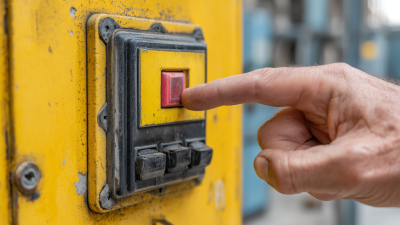
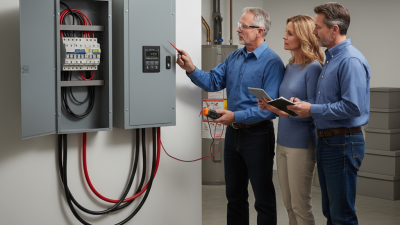
Picking out the right 3 phase manual transfer switch is a pretty important step if you want smooth power management. It’s what keeps things running easily during power outages, making sure the switch over happens seamlessly. When you find a good one, it means you're covered during those critical moments—reliable and dependable, you know?
When you're shopping around, it’s worth paying close attention to the power ratings and whether the switch is compatible with your setup. Not every switch out there is gonna be a perfect fit for your specific needs. And don’t forget to check out the installation process—some folks find it a bit tricky, while others might skip over important features they really should consider.
Also, listening to what other users have to say can be super helpful. A lot of people have been disappointed because they didn’t have enough info before buying. So, take some time to read reviews and reflect on those experiences—it's all about making a smarter choice. Choosing a solid 3 Phase Manual Transfer Switch could really make a big difference in how smoothly your operations go. So, don’t rush it—making a hasty decision might leave you wishing you’d taken more time later on.

Understanding the Basics of 3 Phase Manual Transfer Switches
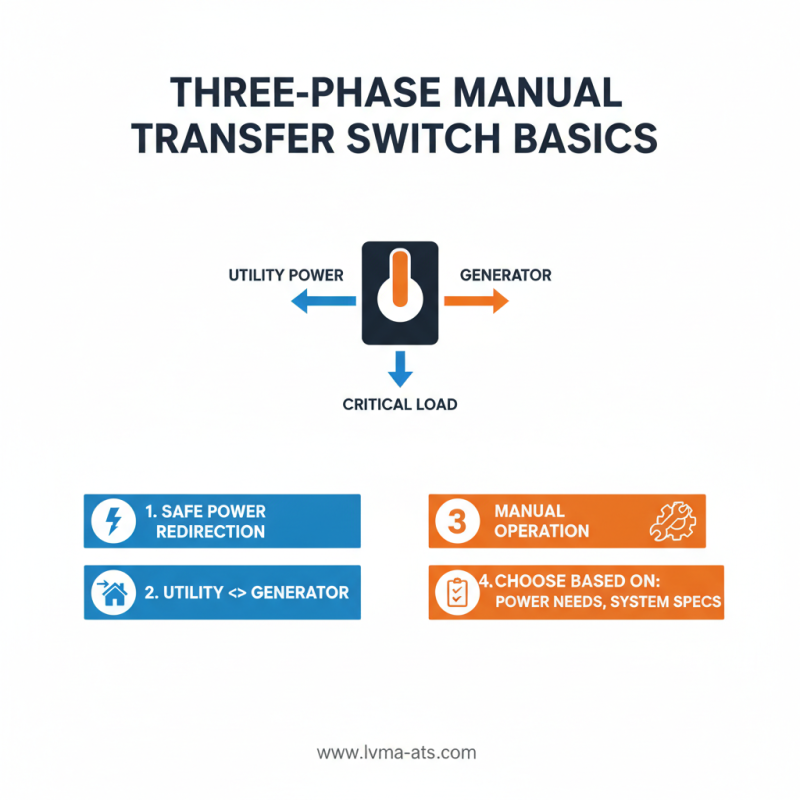
Understanding the basics of a Three Phase Manual Transfer Switch is crucial for anyone considering this equipment. These switches allow you to redirect power safely during outages. They work by switching the power source between a utility line and a generator. Choosing the right switch requires understanding your power needs and the specifics of your system.
A well-chosen switch can help prevent overloading your generator. It’s vital to assess the total wattage you require. Each switch has a different capacity. Some users might underestimate their needs, leading to failures. Size matters. Additionally, check if the installation site is accessible and meets safety standards.
Some switches come with extra features. These can add complexity. You might not need advanced settings for simple applications. Reflect on your requirements. A manual switch can be less expensive, but it requires hands-on operation during power issues. Think about how comfortable you are operating a manual system. Clarity in your needs is key to making an informed decision.
Identifying Your Power Needs for a Transfer Switch
When choosing a manual transfer switch, understanding your power needs is crucial. Start by calculating the total wattage of appliances you intend to power during an outage. A study by the National Electrical Manufacturers Association shows that residential outages can lead to significant losses, highlighting the importance of accurate assessments. For example, a refrigerator uses approximately 600 watts, while a typical water pump may require around 750 watts. These numbers add up quickly, emphasizing the need to consider your unique power requirements.
Next, consider how a 3 Phase 480v Manual Transfer Switch fits into your setup. This type of switch can manage multiple circuits efficiently, which is ideal for homes or businesses with higher energy demands. If you plan to run heavy machinery, examining the continuous load ratings is essential. Technical reports indicate that many facilities underestimate their power draw, risking overloads that could damage equipment. It’s essential to know these details before installation.
Don’t overlook the importance of future needs. Power demands often increase over time. If you plan to expand, it may be wise to select a switch with a higher capacity. However, choosing a switch that is too large can also be a waste. Therefore, strike a balance between current usage and potential growth. Assessing your needs thoroughly may seem tedious, but it is critical for a reliable power solution.
Power Needs for 3 Phase Manual Transfer Switch
Evaluating the Size and Capacity of the Transfer Switch
When selecting a 3 phase manual transfer switch, evaluating its size and capacity is crucial. A transfer switch must align with the power needs of your equipment. This ensures efficient operation and safety. Reports indicate that incorrect sizing can lead to overloading, which may damage connected devices. Choosing a switch that's too small can result in performance issues.
Capacity ratings are essential. A standard rule is to calculate your total wattage. This includes all devices that will be powered. For example, if your equipment totals 15,000 watts, a transfer switch rated for at least 20,000 watts is recommended. It offers a buffer for unexpected loads. Striking the right balance can prevent failures.
**Tip**: Always check the voltage levels of your appliances. A mismatch can create serious safety risks.
Another consideration is the switch’s amperage rating. For a typical home, the amp requirement might range from 60 to 100 amps. Ensure your chosen switch can handle these levels to avoid overheating.
**Tip**: Before purchasing, consult a licensed electrician. They can help you calculate your needs correctly.
Remember, a Single Phase Manual Transfer Switch may not suffice for 3 phase applications. Ensure your choice supports your specific electrical setup. Choose wisely to enhance efficiency and safety for your power needs.
Comparing Different Types of Transfer Switch Designs
When selecting a manual transfer switch, it's essential to understand the different designs available. The most common types include rotary, toggle, and push-button switches. Each design has its own advantages and drawbacks. Rotary switches are easy to operate and often more rugged. However, they can sometimes be confusing for new users.
Toggle switches are straightforward and provide a clear indication of status. They are compact, making them suitable for limited spaces. Yet, they may require more manual effort during the switching process. Push-button switches are user-friendly and can be more modern. They serve well in settings where ease of use is crucial. But their durability could be a concern in harsh environments.
Considering the size and load capacity is critical. Not all switches are designed for high-capacity systems. An underpowered switch could lead to failures. Additionally, installation space may also influence your choice. Evaluating your specific needs carefully will help in making the right selection. Each type has its unique characteristics, making proper comparison essential for optimal performance.
How to Choose the Right 3 Phase Manual Transfer Switch? - Comparing Different Types of Transfer Switch Designs
| Transfer Switch Type | Voltage Rating | Amperage Rating | Cost (Approx.) | Ease of Installation | Best For |
| Mechanical Transfer Switch | 120/240V | 100A | $400 | Moderate | Home Use |
| Automatic Transfer Switch | 120/240V | 200A | $800 | Easy | Commercial Use |
| Bypass Isolation Switch | 480V | 600A | $1200 | Complex | Industrial Use |
| Load-Break Switch | 240V | 300A | $950 | Moderate | Data Centers |
| Portable Transfer Switch | 120/240V | 30A | $250 | Easy | Residential Backup |
Assessing Safety Features in Manual Transfer Switches
When choosing a manual transfer switch for three-phase systems, safety features cannot be overlooked. The right transfer switch should have robust safety mechanisms. Look for features like a lockout tagout system. This ensures that the switch cannot be inadvertently turned on while maintenance is performed. Many models include indicators that show the operational status. These lights help users identify whether the switch is in the correct position.
Another essential aspect is the enclosure design. It should be weatherproof and sturdy enough to withstand harsh conditions. However, not all switches have this feature, which could lead to failures. Ensure the switch is compliant with local electrical codes. This is critical for avoiding legal issues later. While many manual transfer switches promise safety, you can't take this for granted. Research and verify the materials used and the certification provided.
Lastly, consider ease of use. A complicated operating mechanism can lead to mistakes during a power outage. Users often overlook training days, which are crucial. If operators are not familiar with the switch, safety could be compromised. A poorly explained manual can also lead to improper use. In the end, the right choices stem from a clear understanding of the risks involved in manual transfer switches.
Installation Considerations for 3 Phase Transfer Switches
When considering the installation of a 3 Phase Manual Transfer Switch, several factors are critical. Understanding load requirements is essential. For instance, a 200a 3 Phase Manual Transfer Switch can handle significant loads. Knowing whether your operational demands will exceed this capacity should influence your choice. According to industry reports, about 30% of failures in electrical systems occur due to improper sizing.
Safety is another focal point. A correctly installed transfer switch protects both equipment and personnel. The National Electric Code (NEC) stipulates specific guidelines for installation. Ignoring these regulations can lead to substantial penalties or safety hazards. While some installers may overlook grounding and bonding, these elements are crucial for preventing electric shock.
Lastly, maintenance requirements should not be undervalued. Regular checks on switches and connections can prolong equipment life. However, many neglect this aspect. A study indicated that almost 25% of operators do not perform routine inspections. This oversight could lead to unexpected downtime or costly repairs down the line. Making informed decisions about installation and maintenance can significantly enhance the performance of a 3 phase transfer switch.
Tips for Maintenance and Testing of Your Transfer Switch
Maintaining a three-phase manual transfer switch is crucial for reliable operation. Regular testing can prevent potential failures. According to industry reports, improper maintenance can lead to system inefficiencies. Up to 30% of transfer switch failures occur due to lack of testing and maintenance.
Performing routine inspections is essential. Check for corrosion, loose connections, and signs of wear. Clean terminals to ensure good conductivity. It’s also recommended to test the switch under load conditions at least once a year. A simple test run can reveal issues. Many users underestimate the importance of this step, which can lead to unexpected power outages.
Documentation helps track maintenance schedules. A clear record can show when tests were last completed. Industry guidelines often suggest keeping a maintenance log. This can provide insights into performance over time. Many users forget this crucial aspect. Awareness and follow-up can significantly improve reliability and longevity. Taking these steps can prevent costly downtime and ensure your transfer switch operates seamlessly.
Enhancing Power Management with Wifi ATS 125A: Features and Benefits of the LMQ4-125W Automatic Transfer Switch
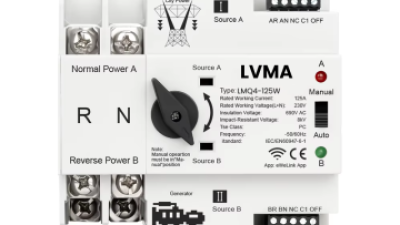
The LMQ4-125W Automatic Transfer Switch (ATS) introduces an innovative approach to power management with its advanced Wi-Fi functionality. One of its standout features is the ability to support remote control through a mobile application. This empowers users to manage the state of their power supply from virtually anywhere, allowing for unprecedented convenience and operational control over their electricity usage. Whether you’re at home or on the go, this capability ensures seamless transitions between power sources, reinforcing the reliability of your energy management system.
Additionally, the LMQ4-125W ATS integrates smart home technology, enabling users to set scene modes that adapt to their lifestyle. This feature enhances not only the efficiency of power consumption but also contributes to a more streamlined and connected living environment. Real-time monitoring provides timely feedback on the electricity status, alerting users to potential issues before they escalate. In the event of a power failure, the automatic transfer switch promptly transitions to standby power, ensuring continuous operation until regular power resumes. This combination of remote access, real-time monitoring, and automatic switching significantly enhances the overall power management experience.
FAQS
: The product aims to enhance daily convenience and improve user experience in multiple tasks.
It is designed for anyone looking to streamline their processes and save time.
Yes, follow the detailed guidelines provided with the product for optimal results.
Users may struggle with initial setup. Some may find following instructions challenging.
Absolutely, it is suitable for home, office, and many other environments.
Reach out for support or consult the FAQ section for assistance.
A limited warranty is available, though some conditions may apply.
Feedback can be submitted via the official channel, and all input is valuable.
Compatibility may vary with other devices or systems, so check before use.
Reflect on usage methods. Results may require consistent use or proper technique.
Conclusion
When selecting the right 3 Phase Manual Transfer Switch, it's essential to begin with a foundational understanding of how these switches operate and their significance in managing power supply during outages. Identifying your unique power needs will guide you in determining the appropriate size and capacity of the switch, ensuring it can handle your essential loads effectively.
Additionally, comparing different transfer switch designs will help you assess their functionalities and advantages. Safety features are paramount, making it crucial to evaluate these aspects during your selection process. Furthermore, consider installation requirements for your specific setup and implement regular maintenance and testing to ensure reliability. By following these guidelines, you can choose a 3 Phase Manual Transfer Switch that meets your power management needs efficiently and safely.


 中文

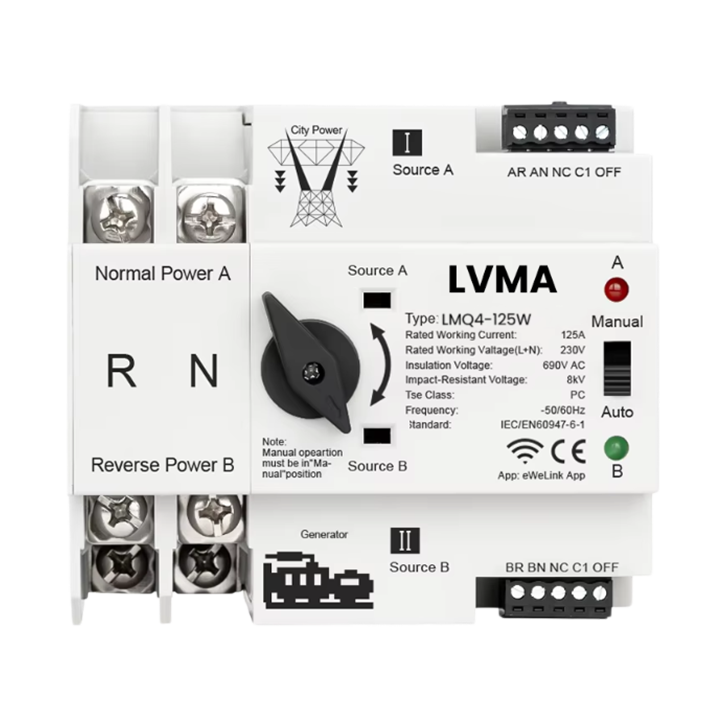 Wifi Ats 125A, Automatic Transfer Switch 2P 3P 4P LMQ4-125W
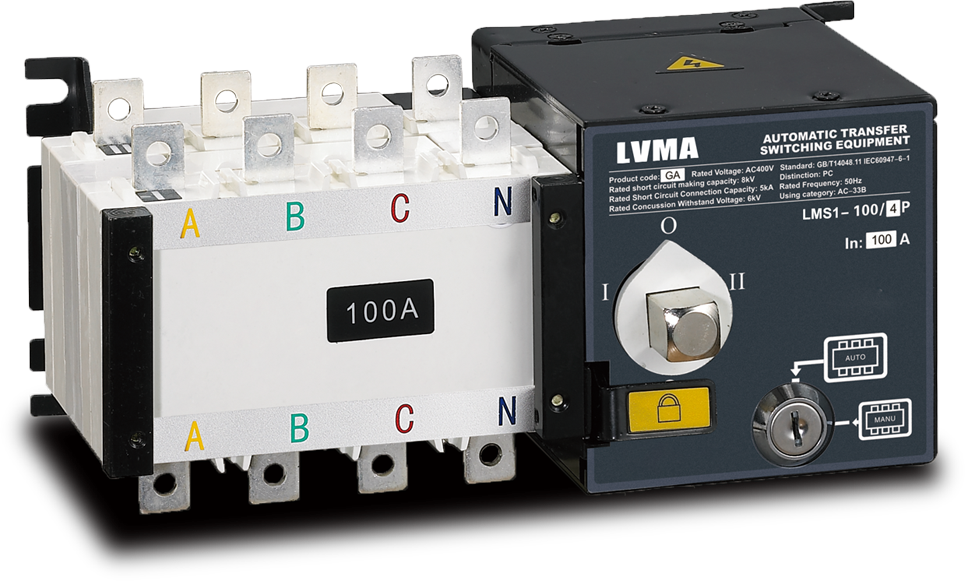 LMS1-GA series Automtic transfer Switch Ats 100A
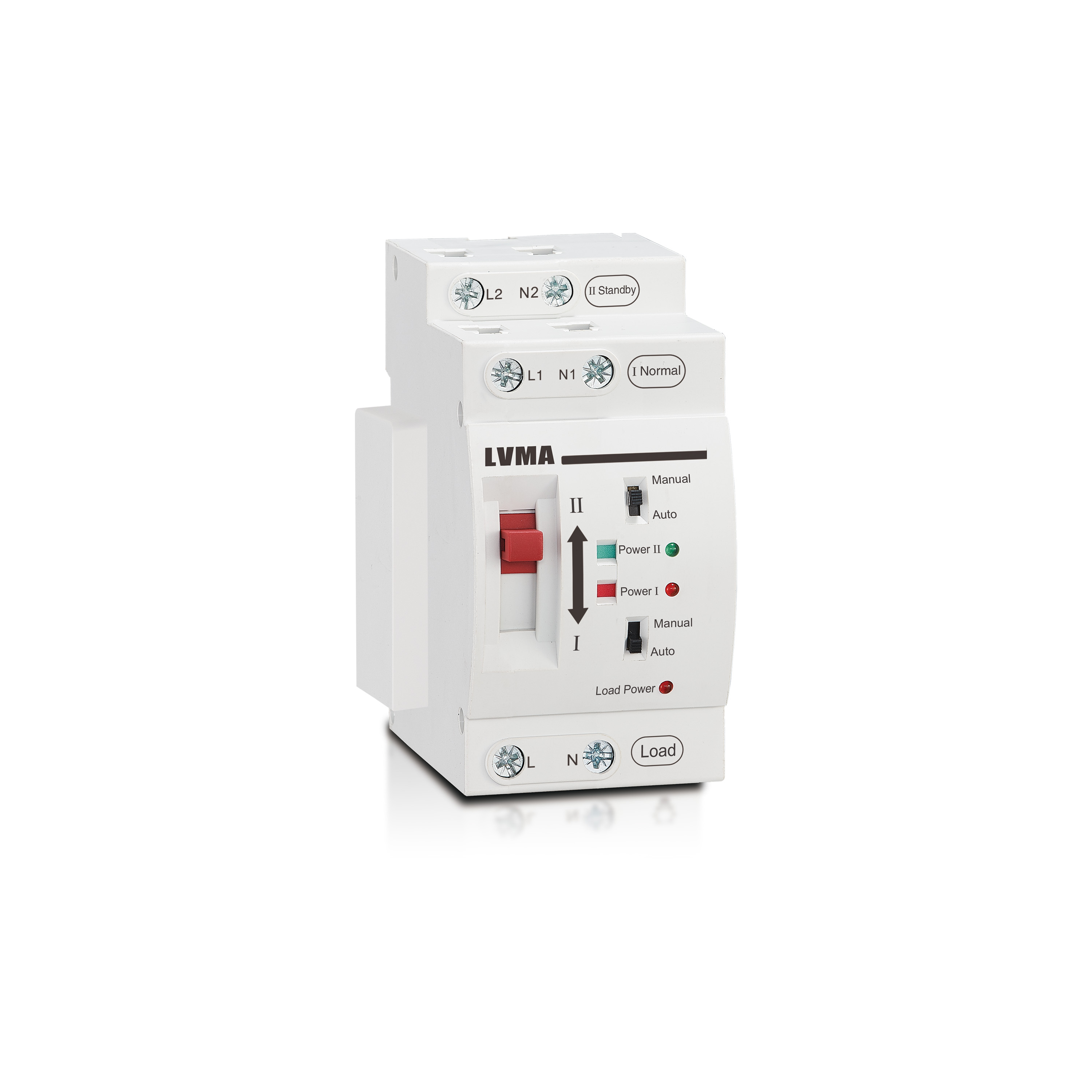 LMS1-NJT Series Automatic Transfer Switch Ats 63A
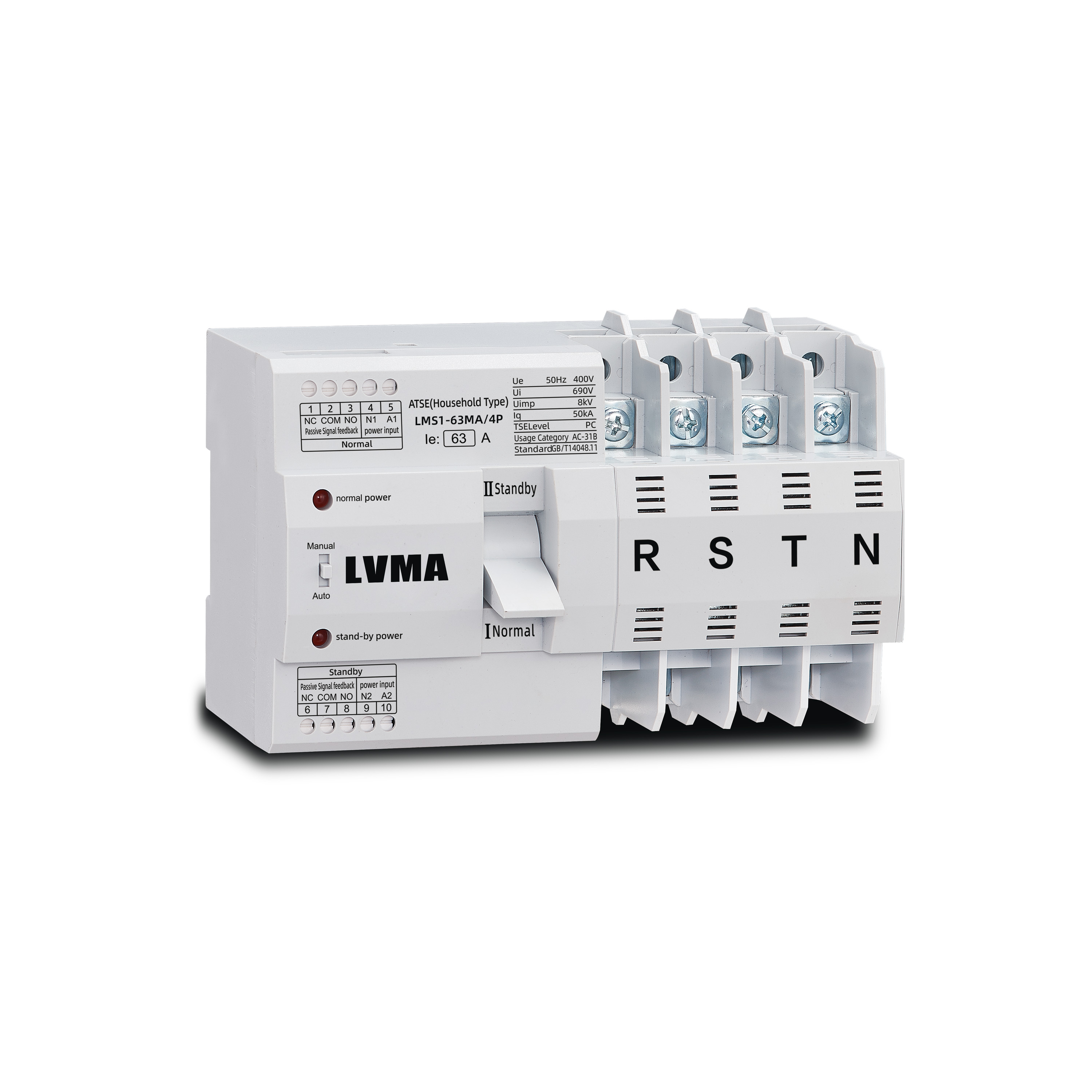 LMS1-MA Type PC Class Automatic Transfer Switch Ats 63A
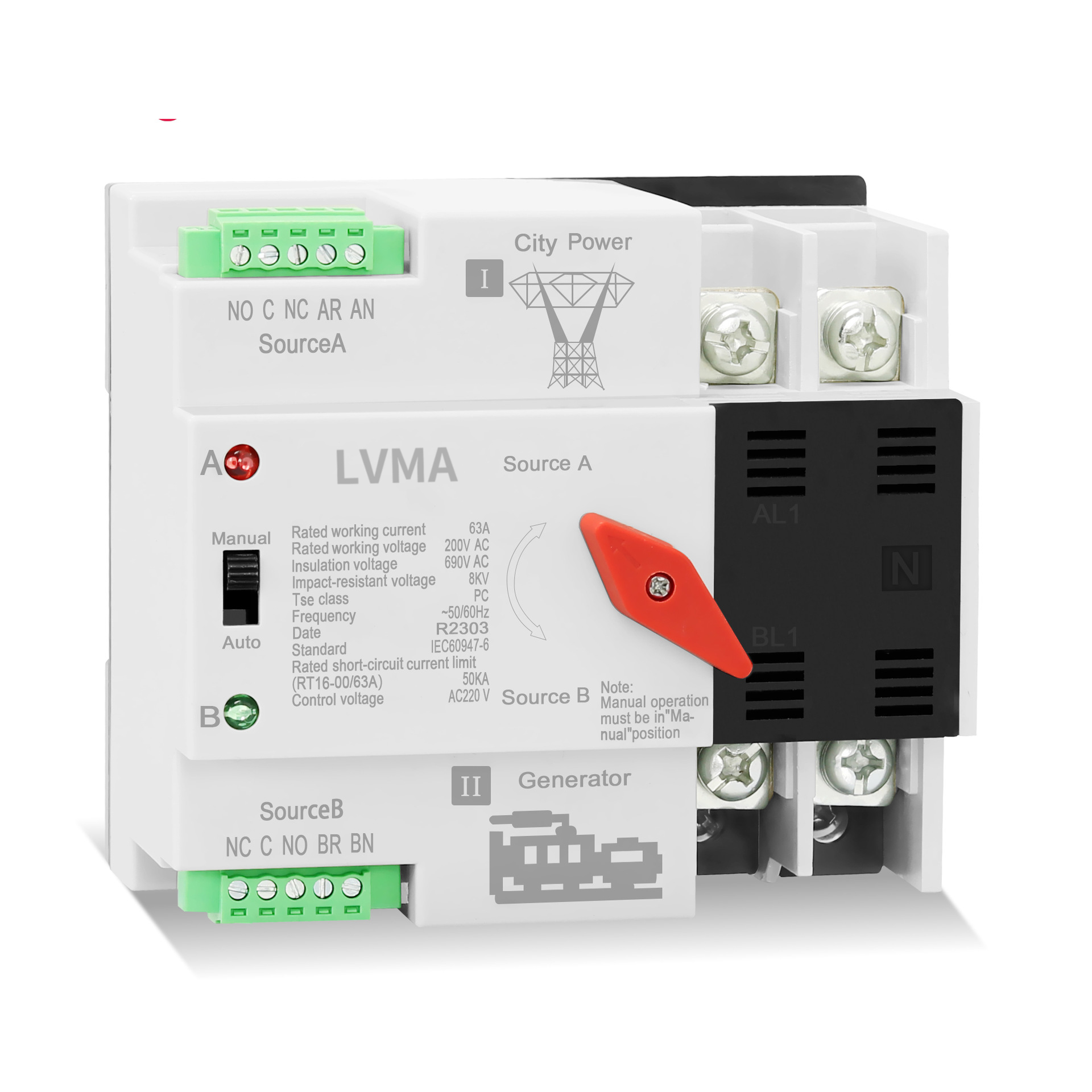 Ats 100A,Automatic Transfer Switch 2P 3P 4P LMQ4-100X
 LMS1-LA Series Automatic Transfer Switch ATS 100A
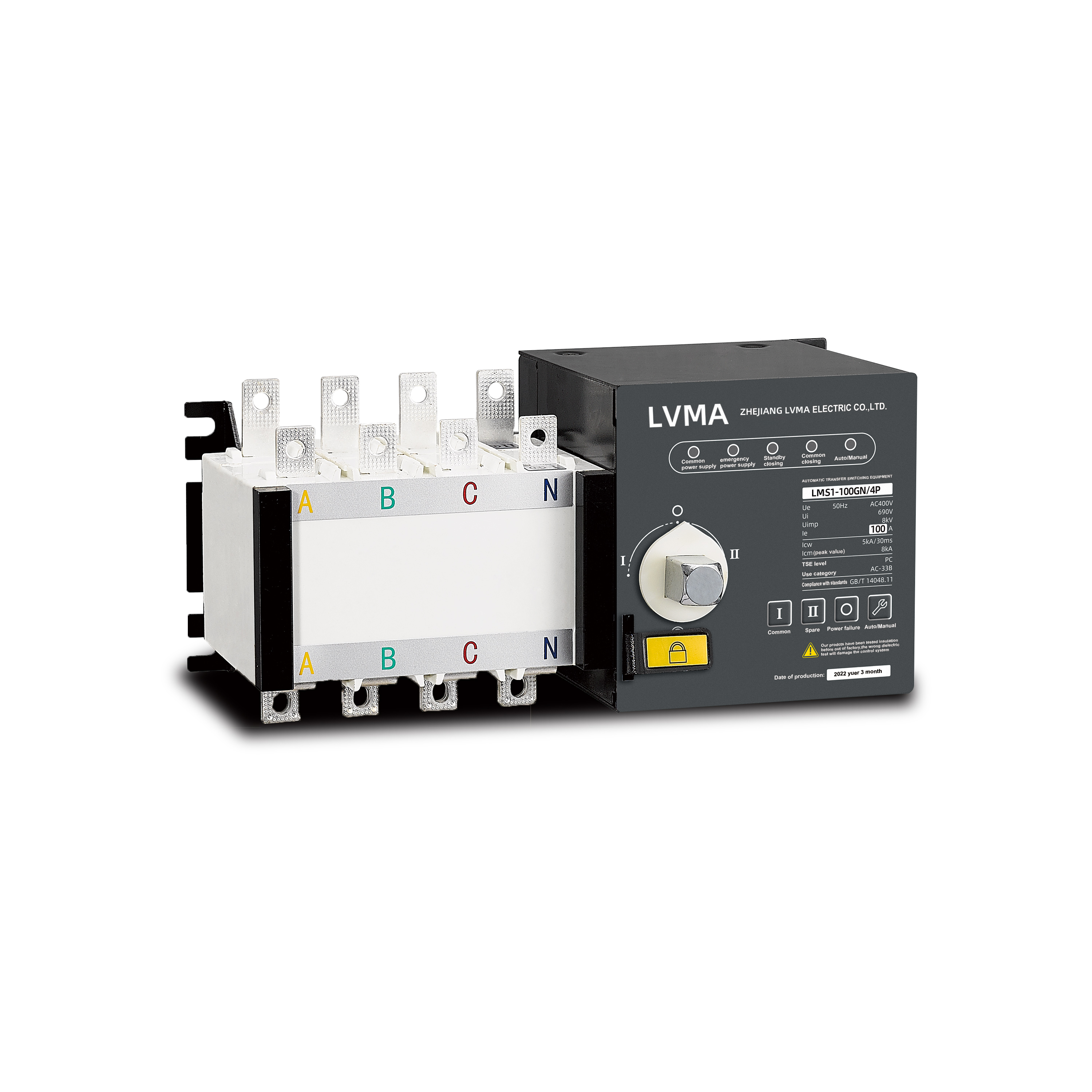 LMS1-GN Automatic Transfer Switch ATS 250A
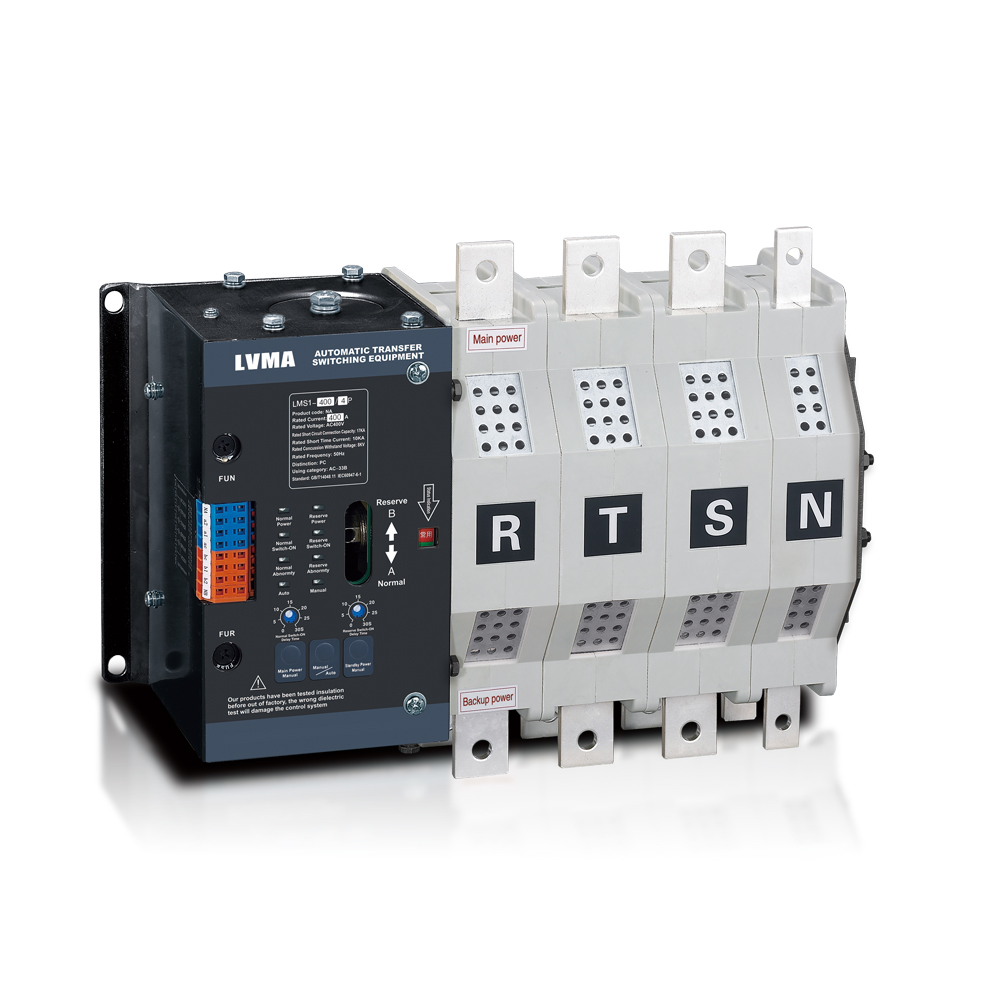 LMS1-NA Series Automatic Transfer Switch ATS 630A
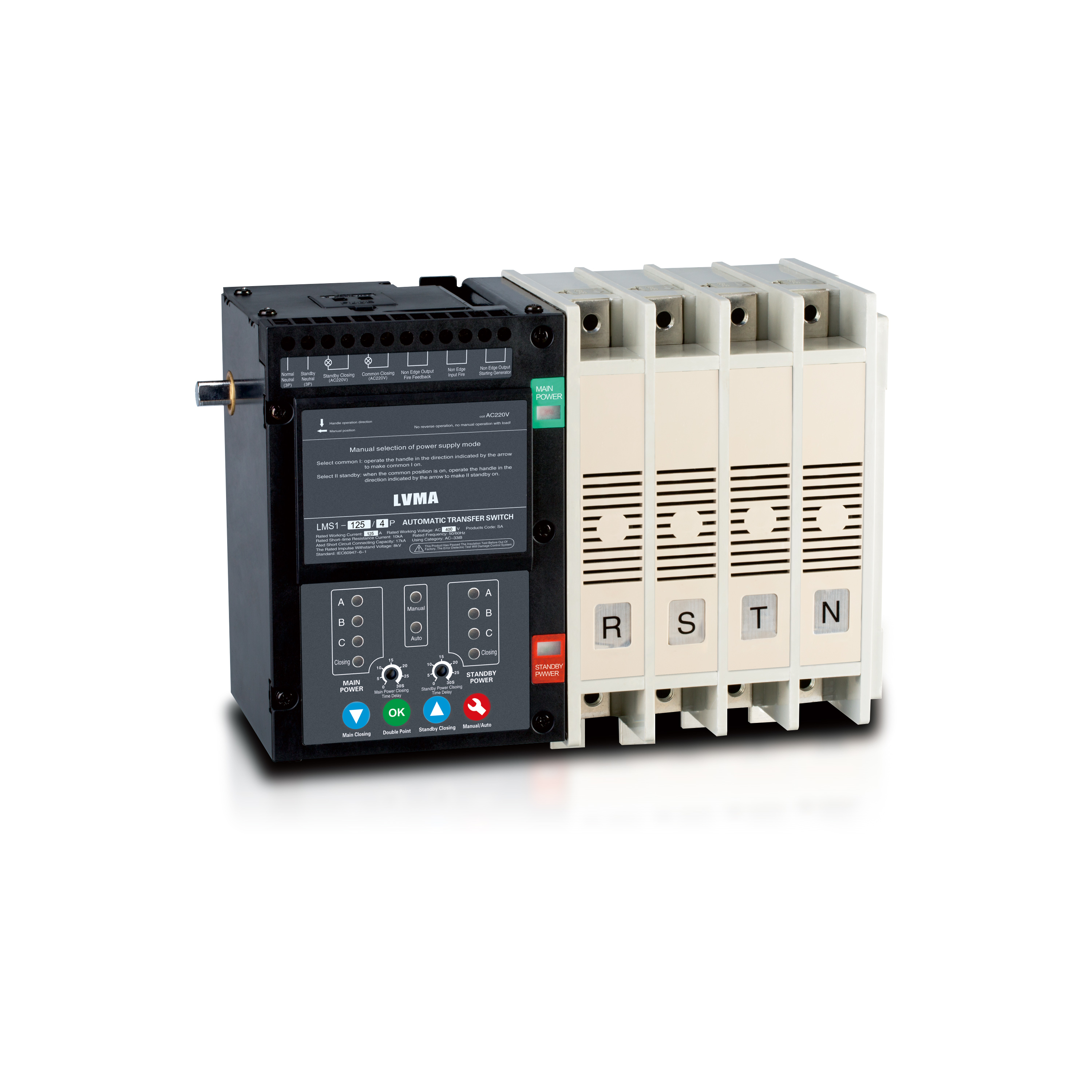 LMS1-LA3 Series PC Automatic transfer switch Ats 630A
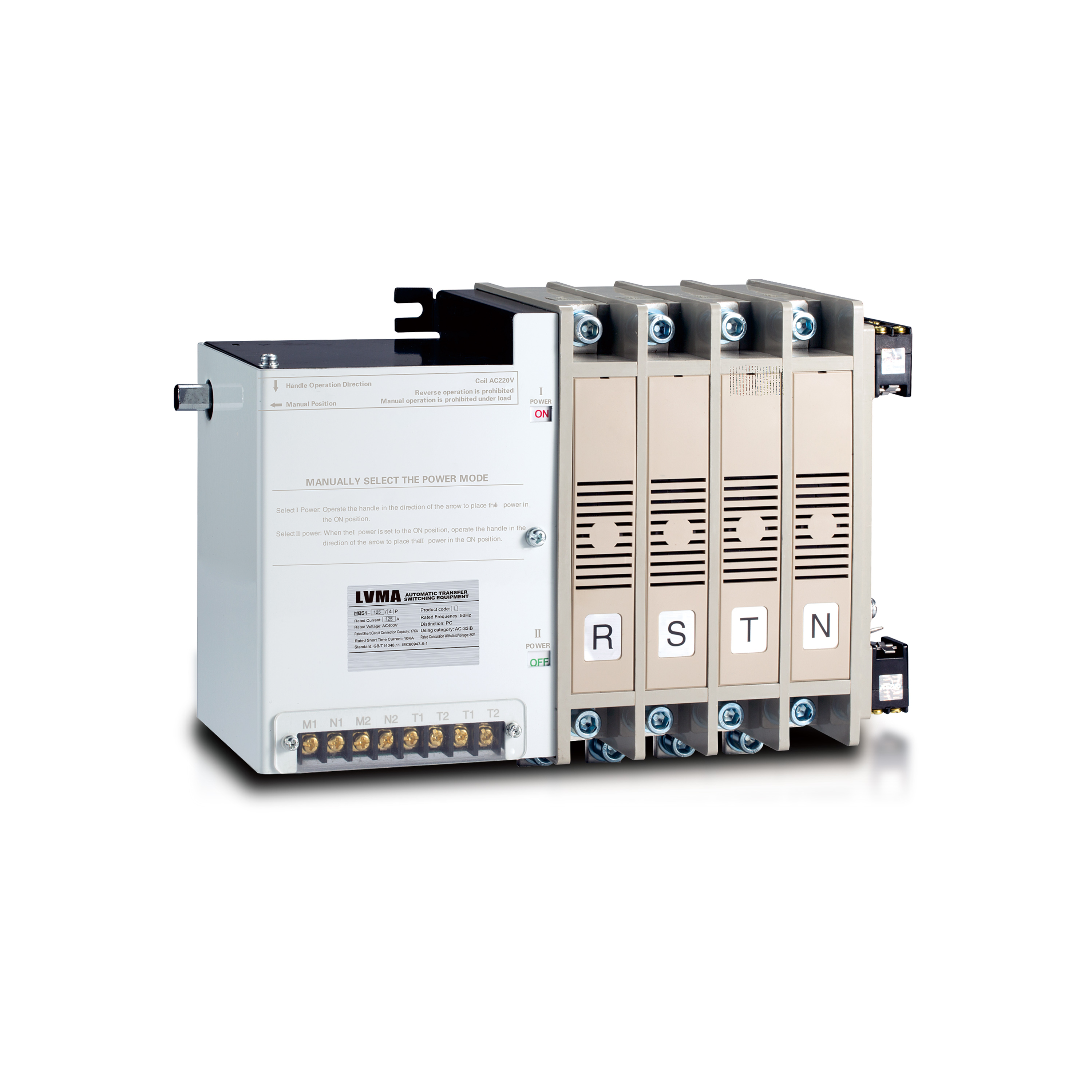 LMS1-L Series Automatic Transfer Switch Ats 630A
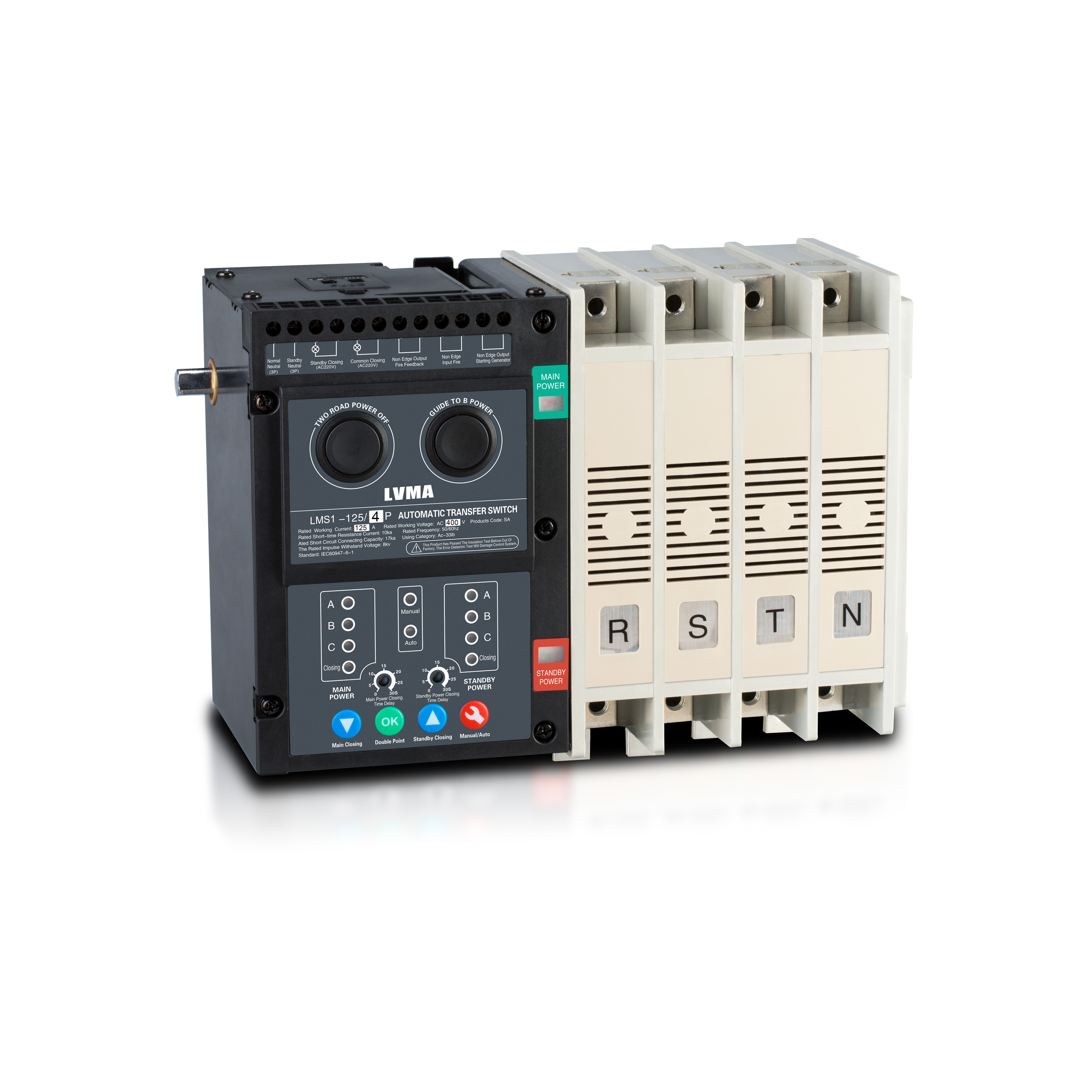 LMS1-SA Series PC Automatic transfer switch
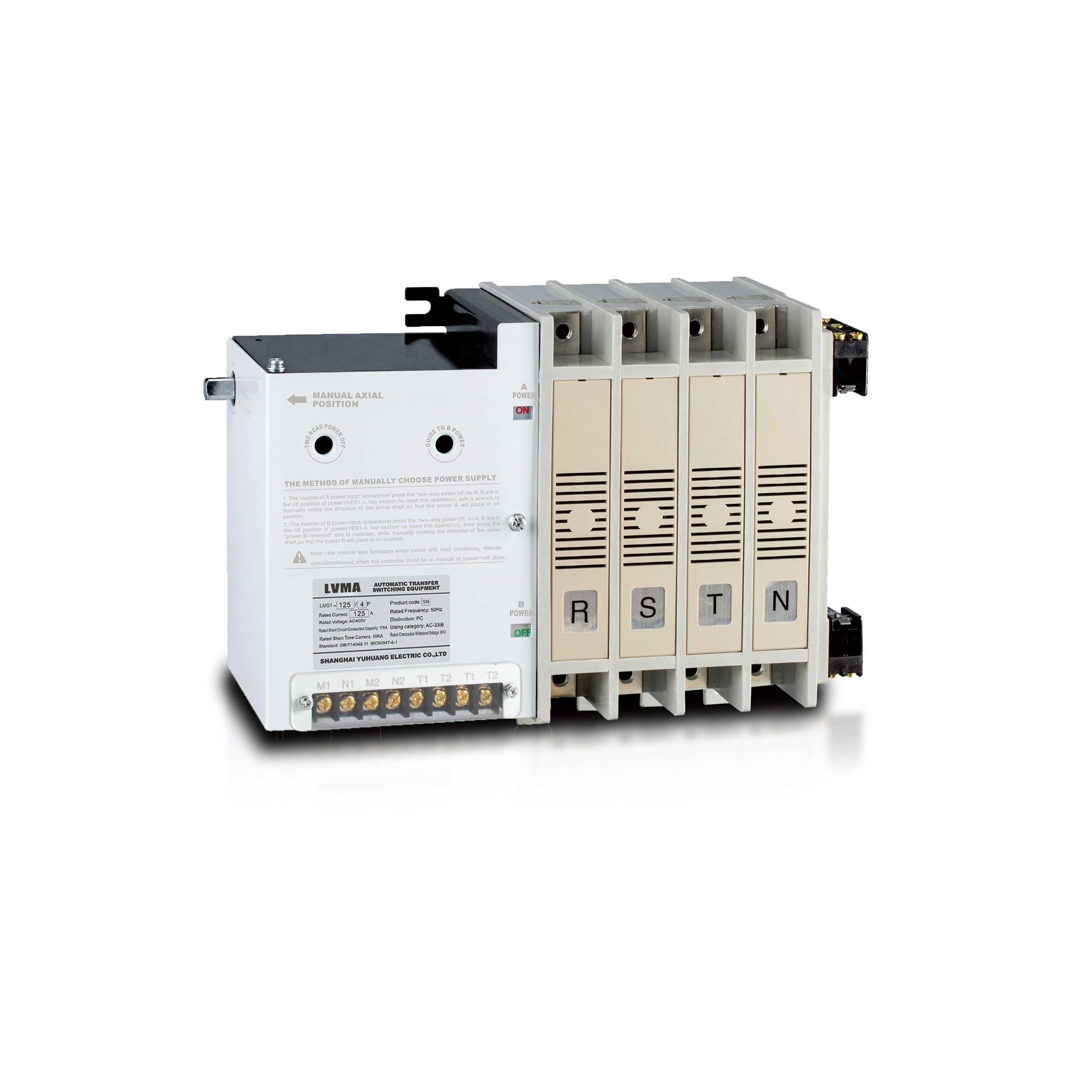 LMS1-SN Series Automatic Transfer Switch Ats 400A
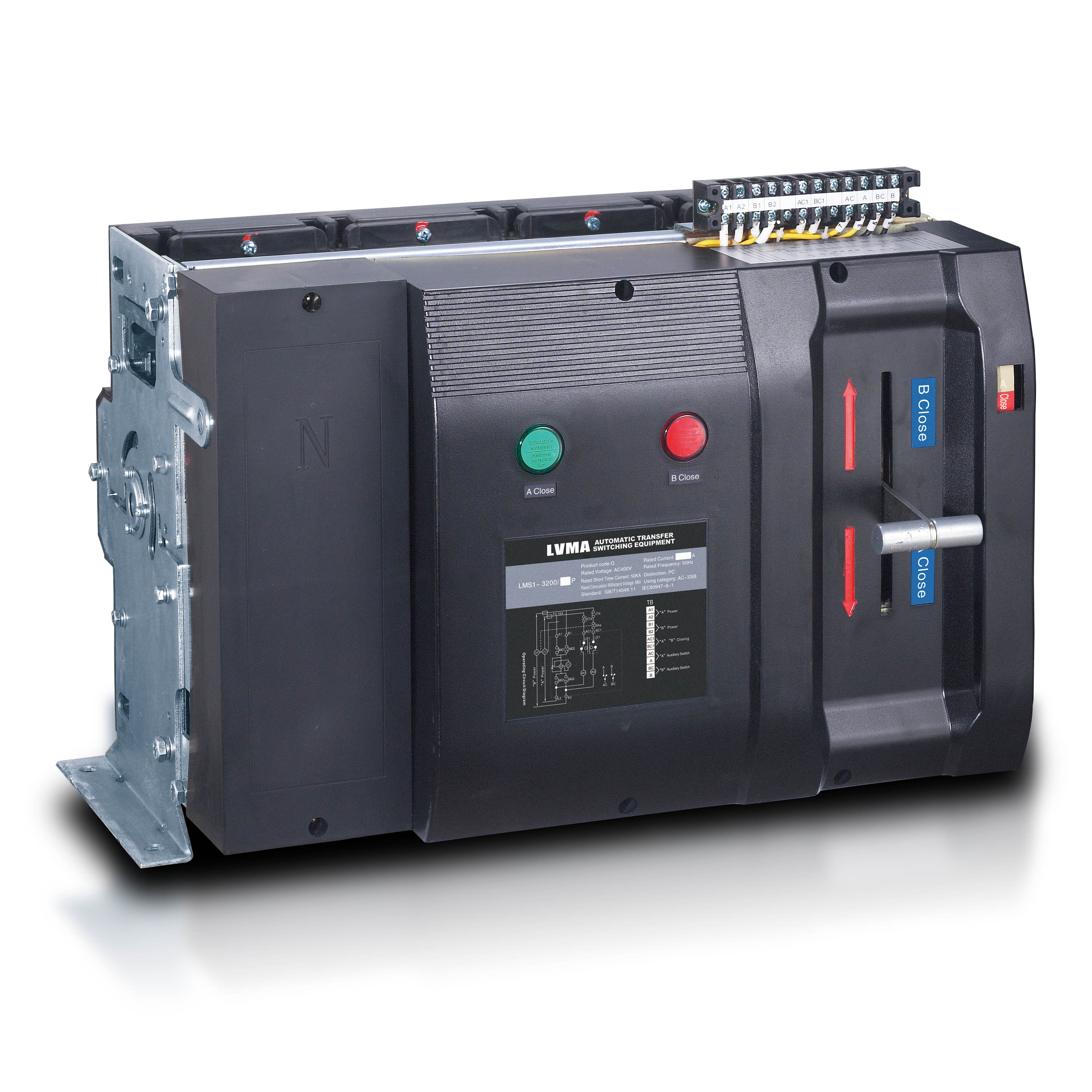 LMS1-Q Type Automatic Transfer Switch Ats 3200A
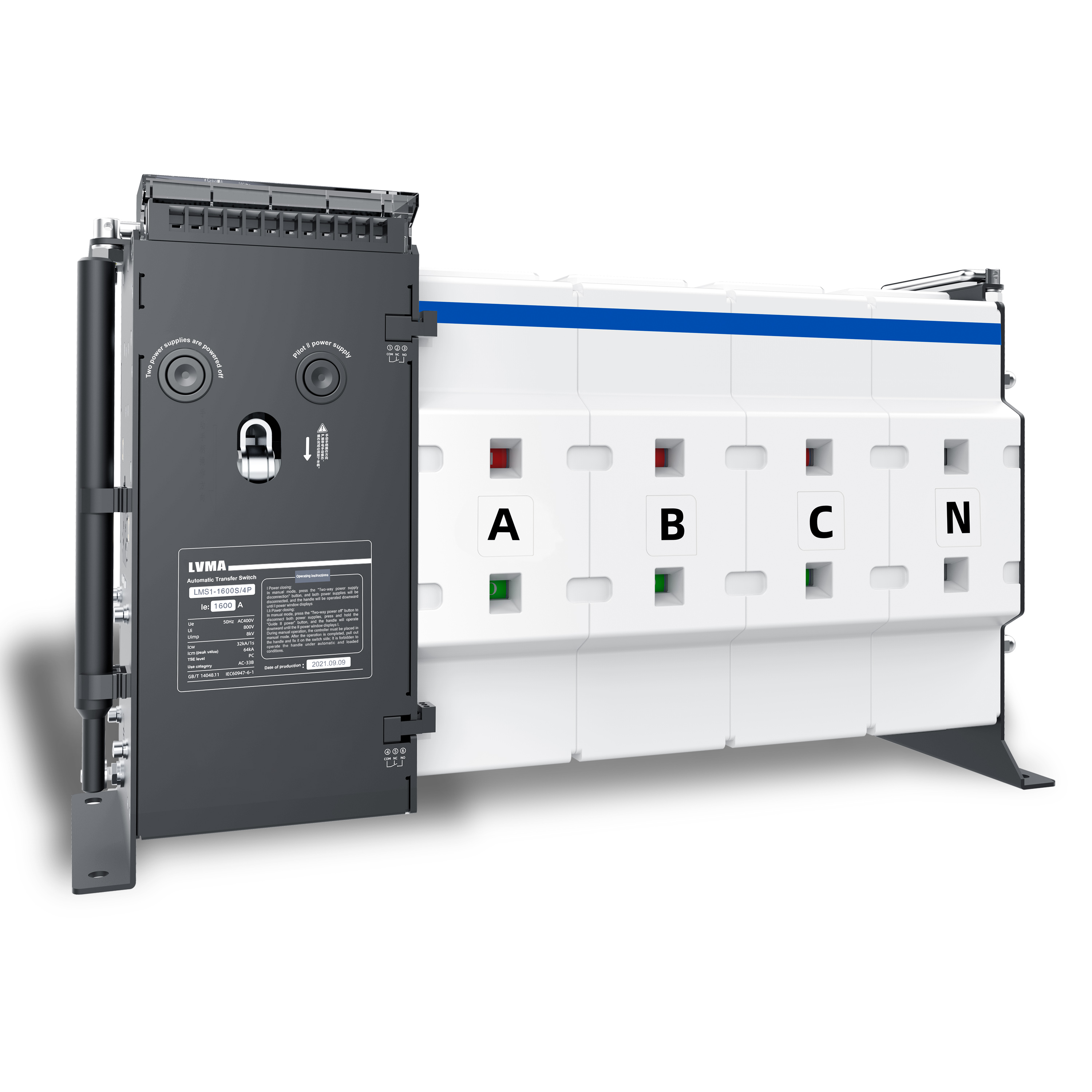 LMS1-SN Automatic Transfer Switch Ats
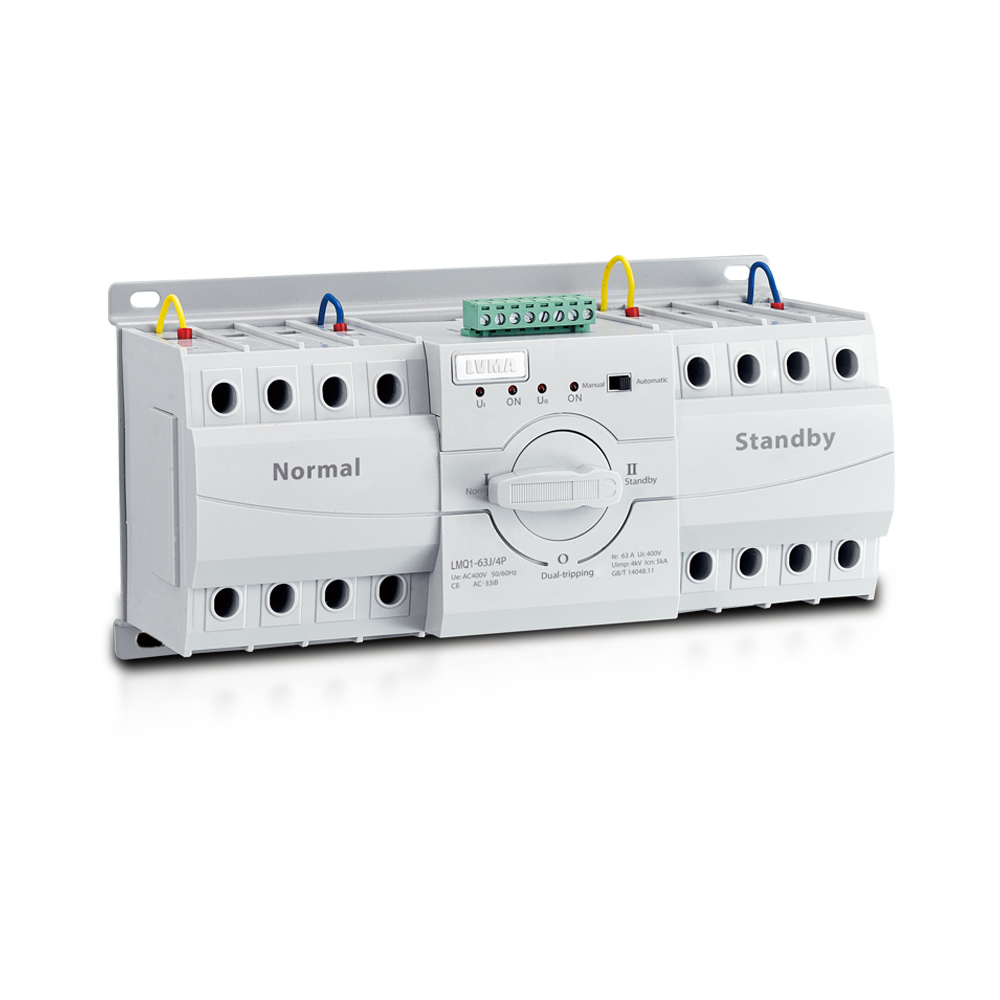 LMS1-J Series Automatic Transfer Switch Ats 63A
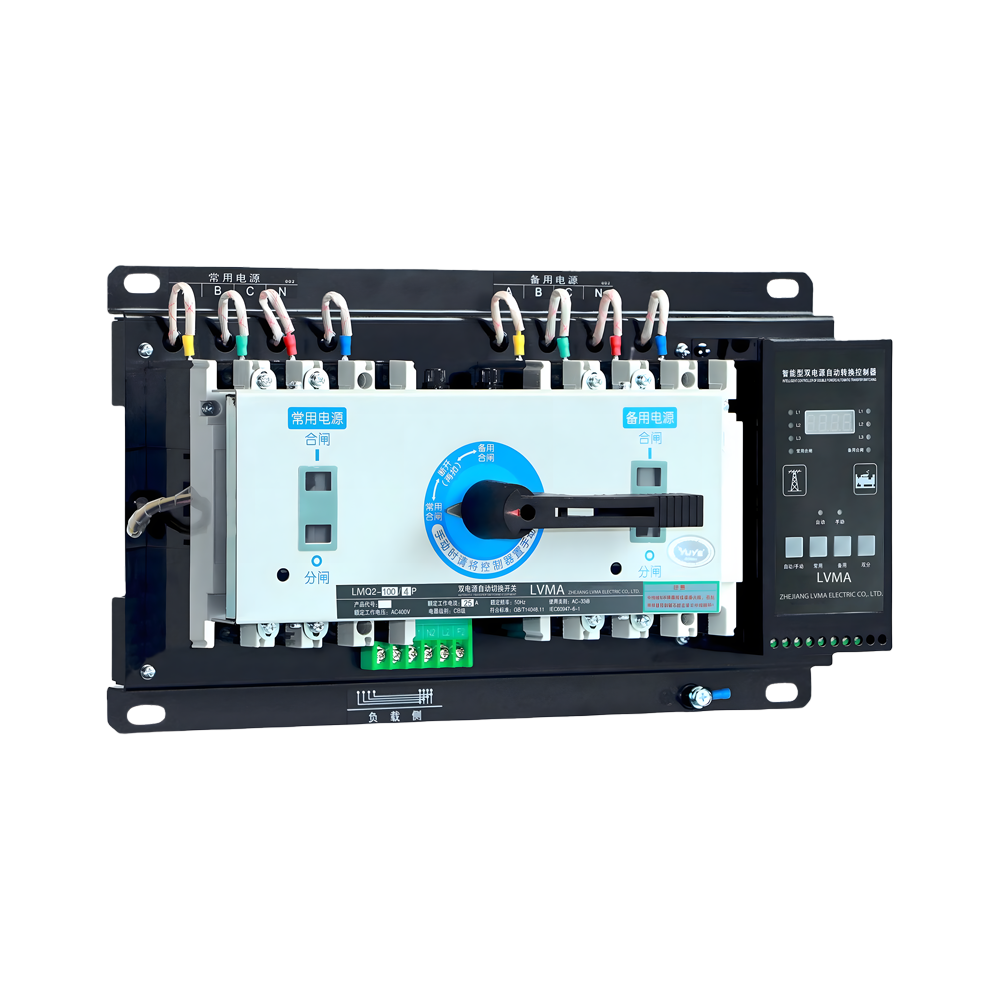 LMQ2Y Series Automatic Transfer Switch CB Class
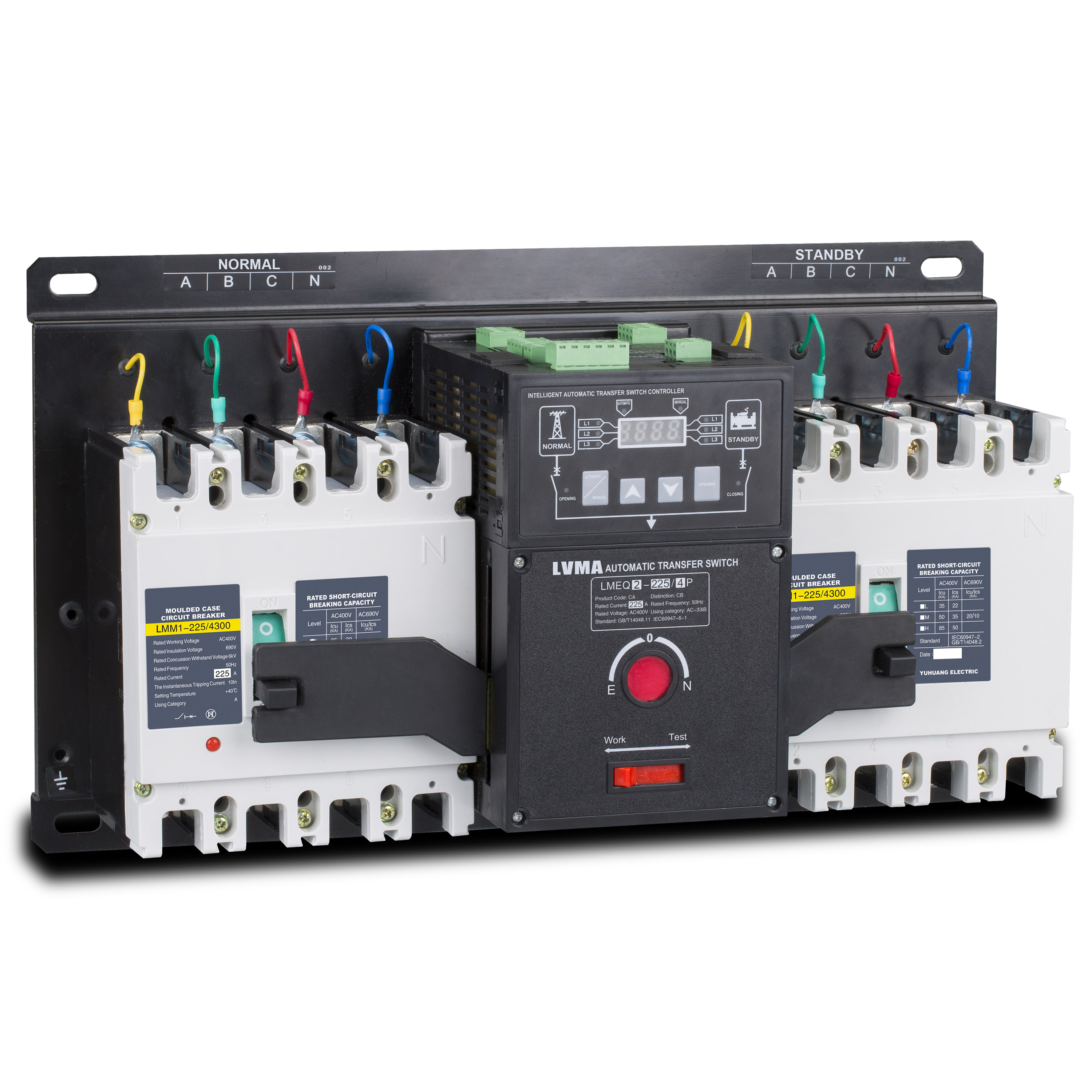 LMQ2CB Series Automatic Transfer Switch
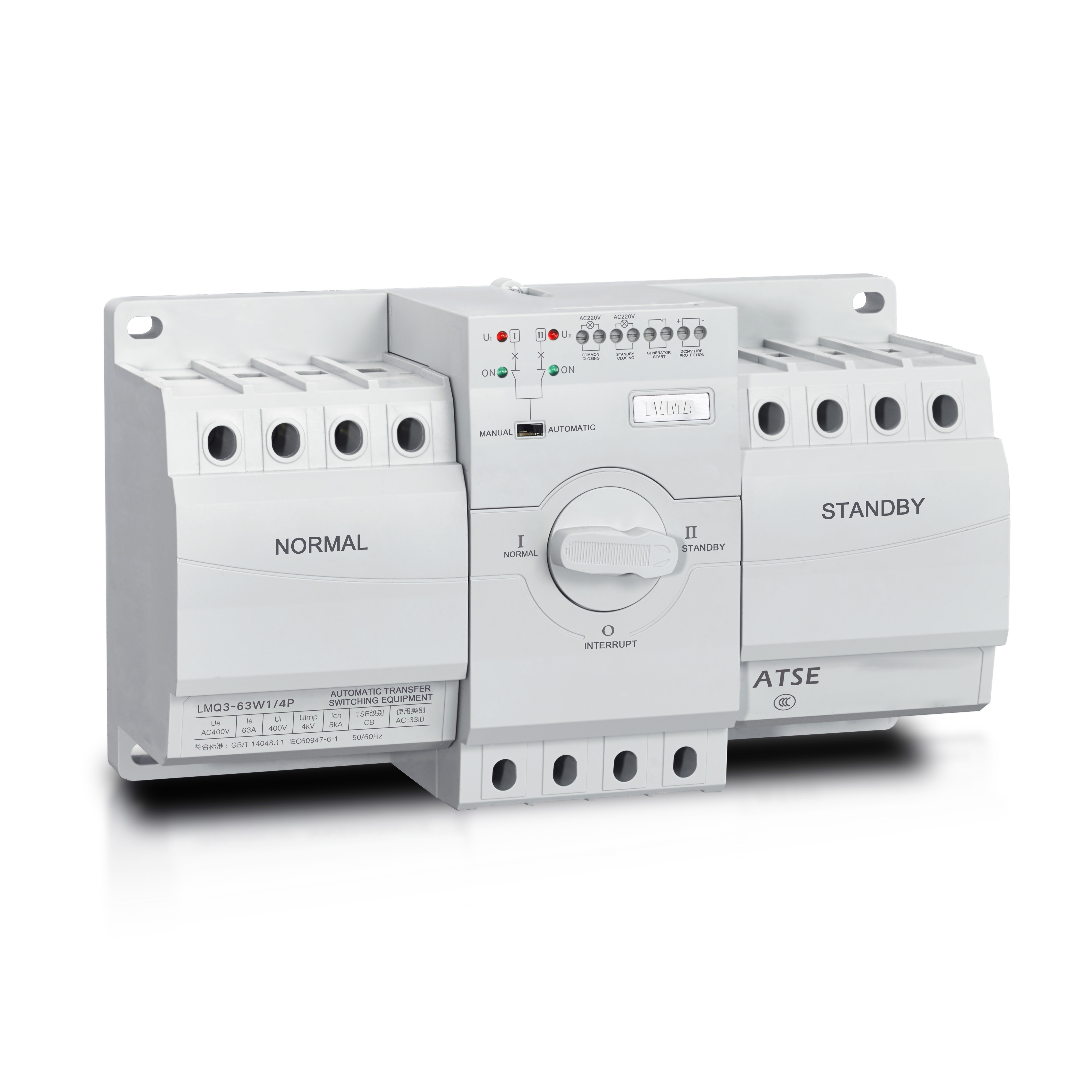 LMQ3-W1 Automatic Transfor Switch Ats 63A
 LMQ3-W1 Automatic Transfor Switch ats 630A
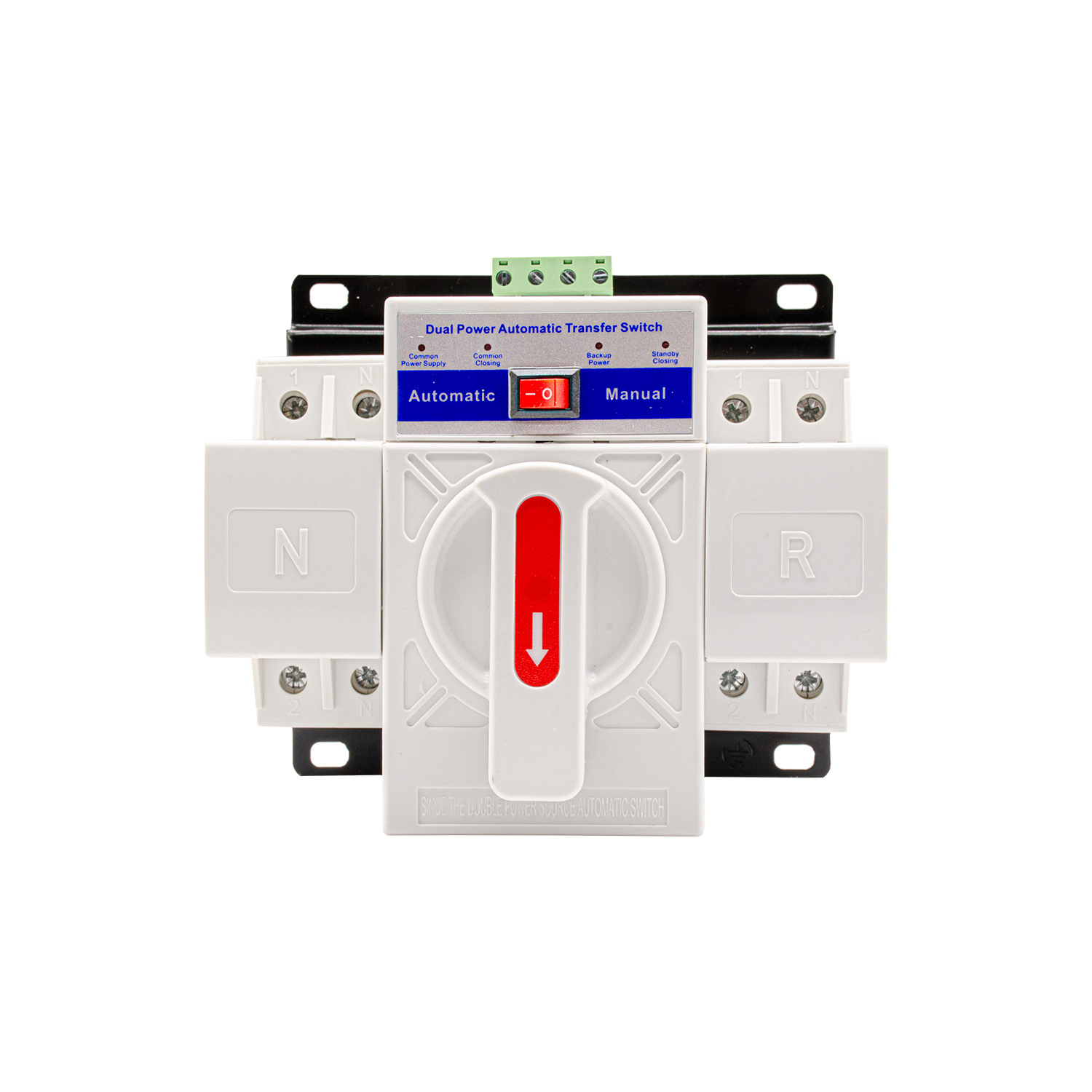 LMQ4-63M 63A Automtic transfer Switch 2P 3P 4P
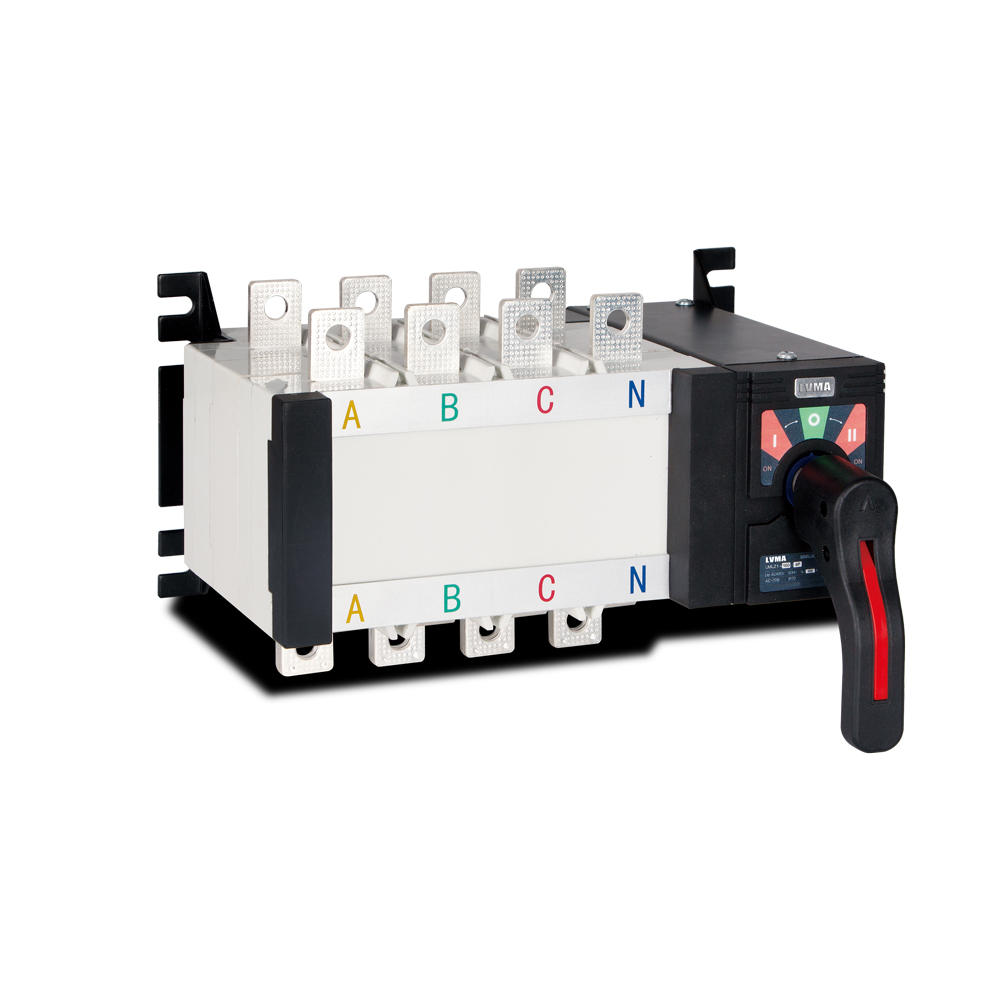 LMGLZ1 Manual Transfer Switch (100~630A)
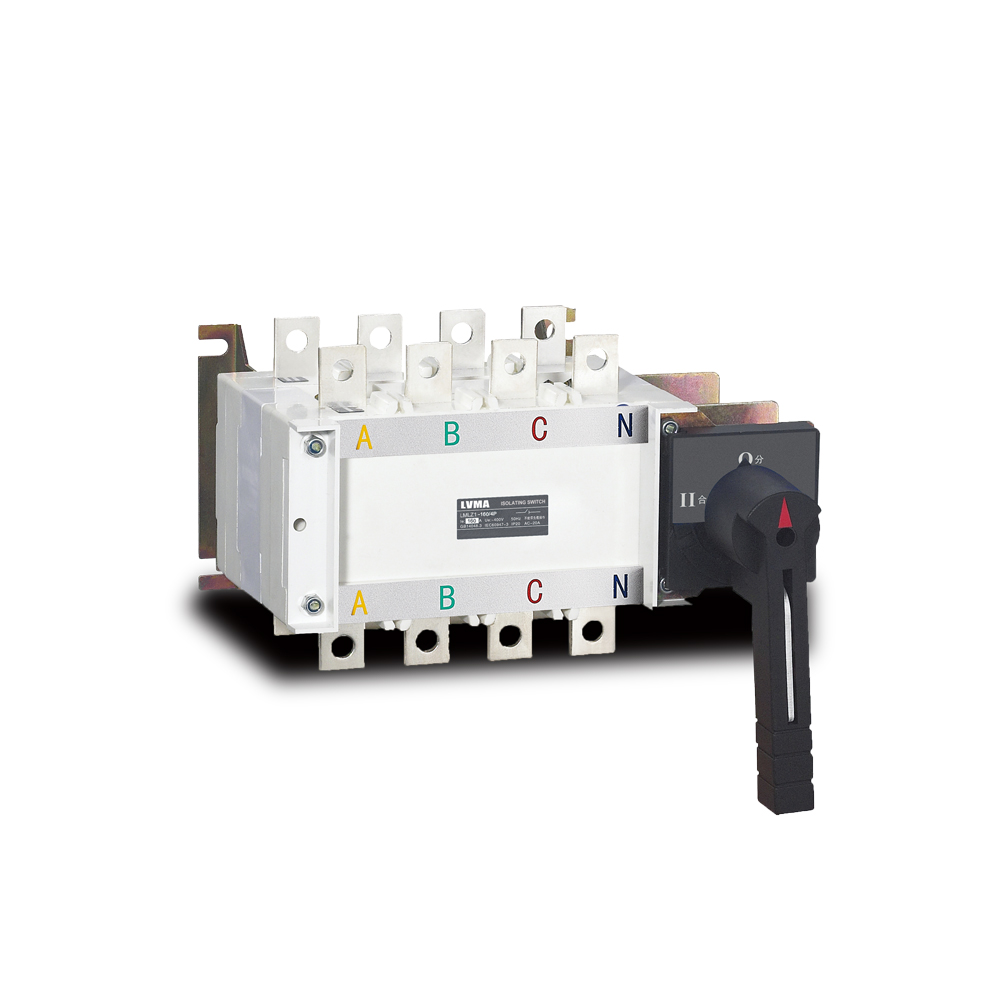 LMGLZ Manual Transfer Switch (100~630A) Changeover Switch
 Y-700 Automatic Transfer Switch Controller
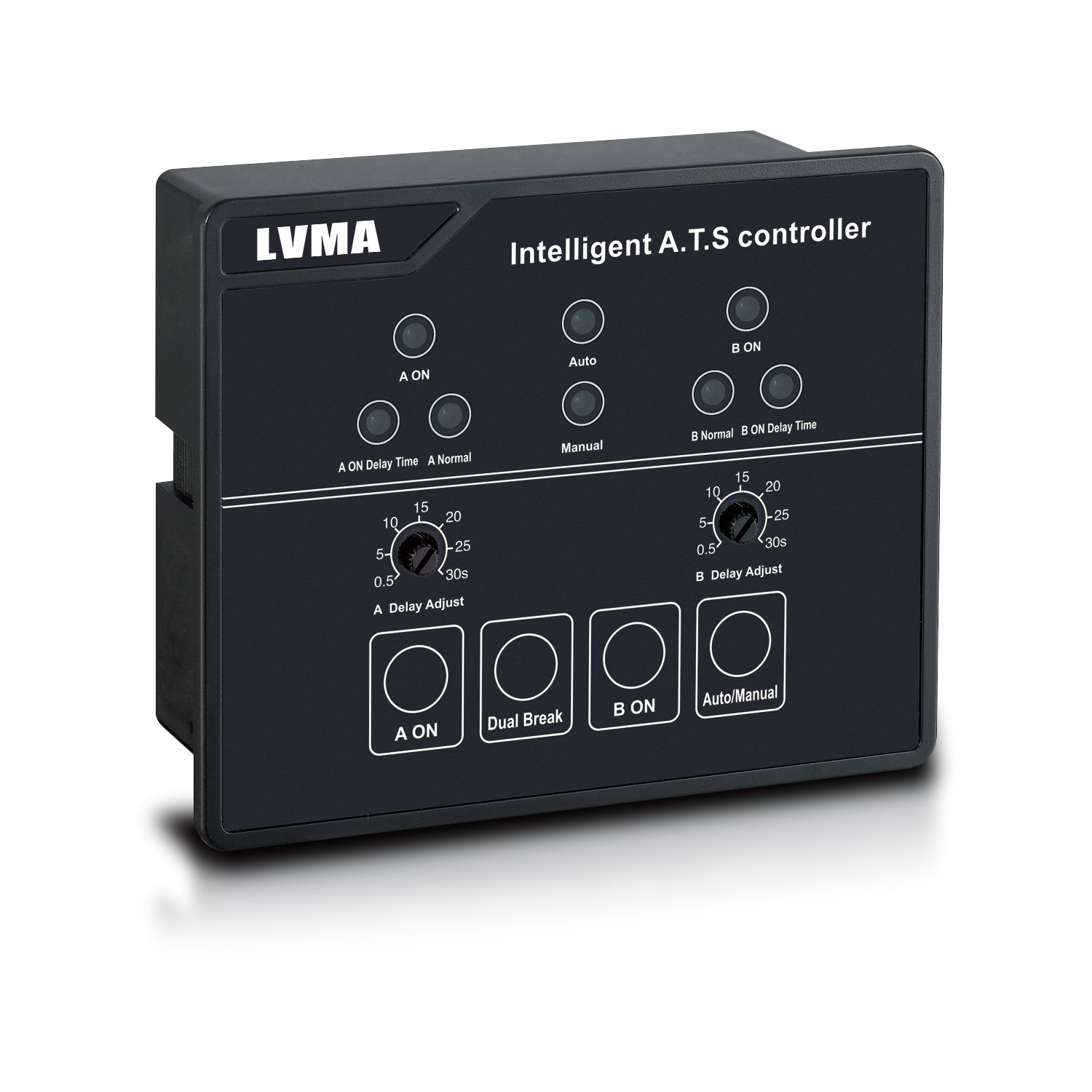 Y-701 Automatic transfer switch controller
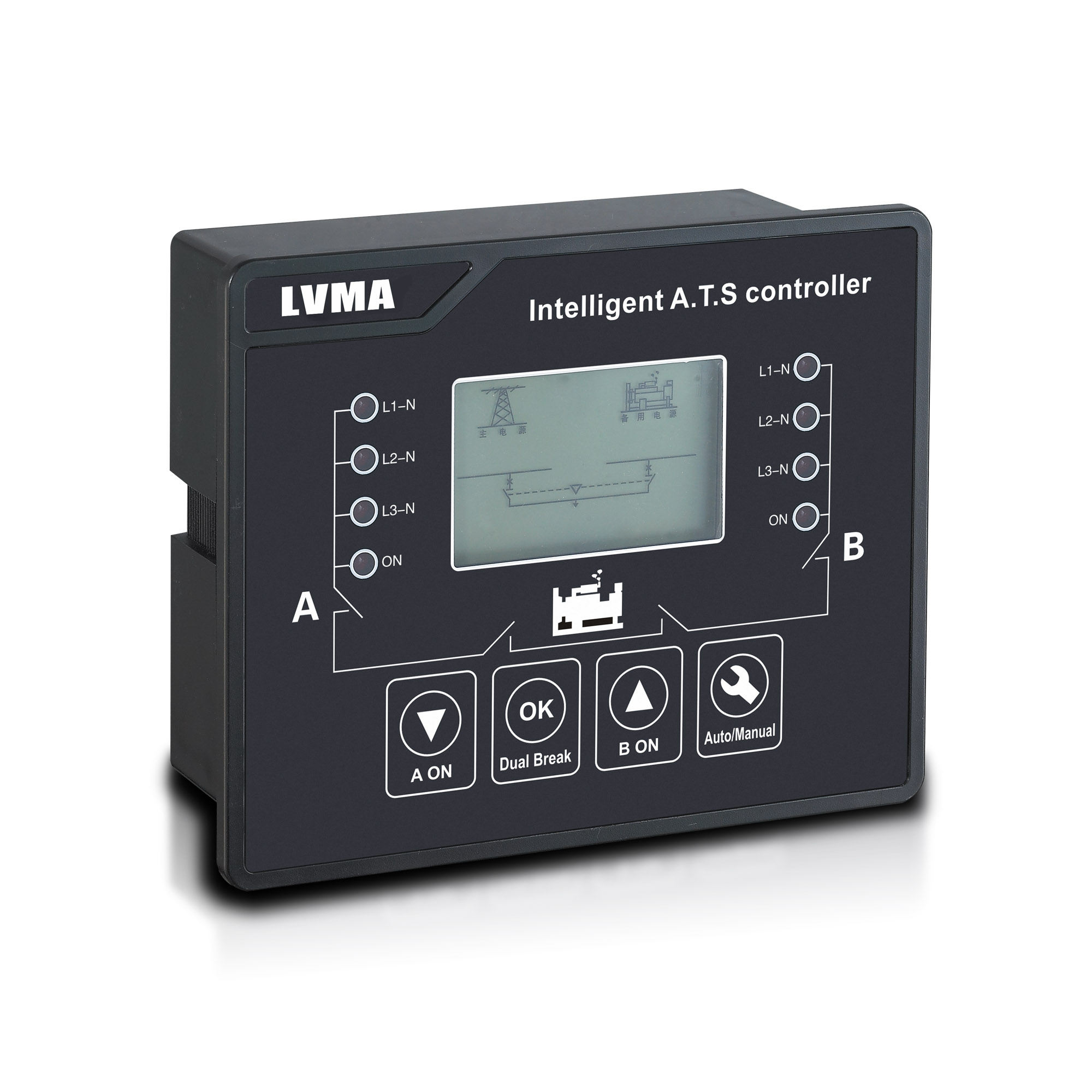 Y-702 Automatic Transfer Switch Controller
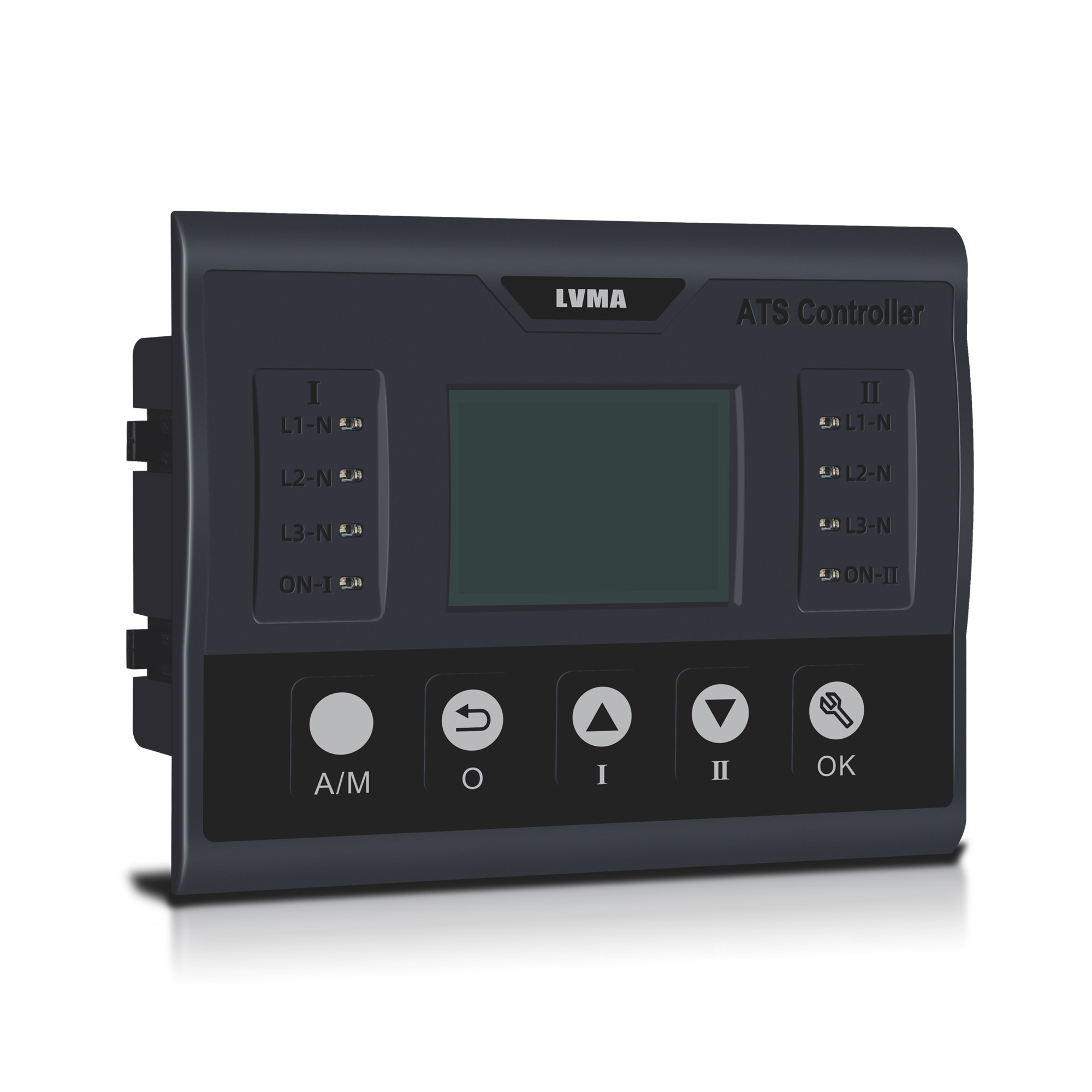 Y-703 Automatic Transfer Switch Controller
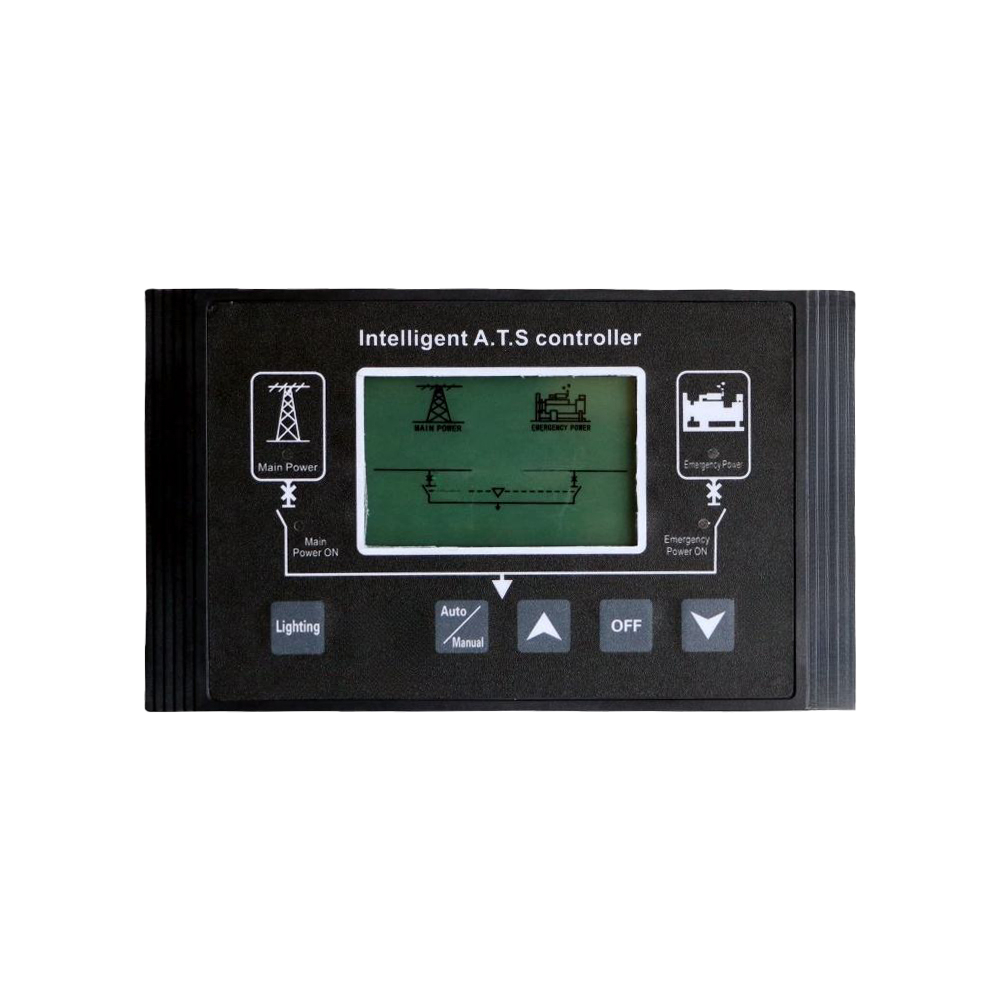 W2、W3 Automatic Transfer Switch Plug-In Led Digital Controller
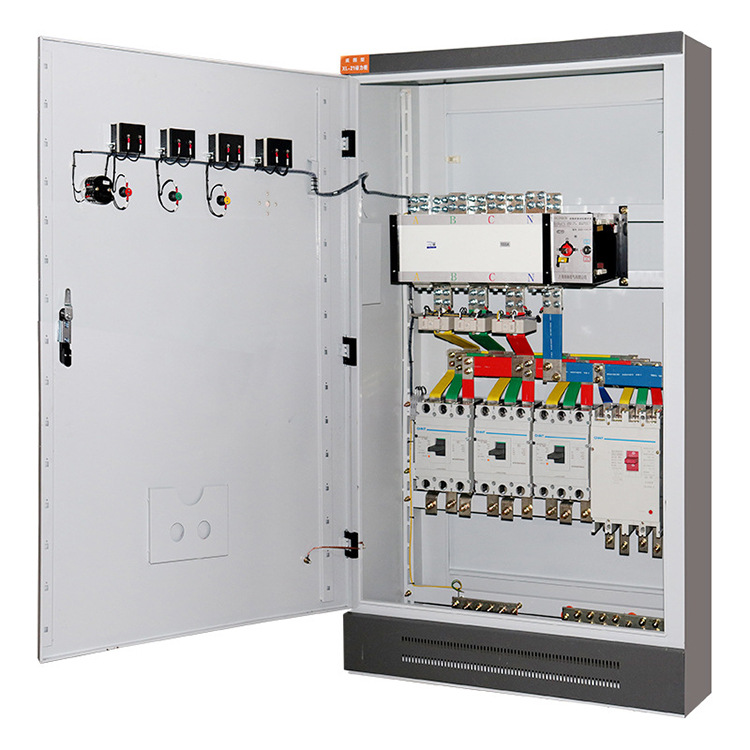 Customization-Automatic Transfer Switch Cabinet 100A Ats
 Dual Power Supply Control Cabinet - Automatic Transfer Switch
 Ats Cabinet - Automatic Transfer Switch