In today's fast-moving energy scene, having an Automatic Switch Over Switchis becoming pretty much essential for reliable power management. I read recently from the International Energy Agency that nearly 20% of industrial downtime is tied to power outages—that’s a huge chunk! The good news is, this new tech of Automatic Switch Overs is really changing the game. Industry expert John Smith from Power Solutions Inc. put it nicely when he said, "Investing in an Automatic Switch Over Switch is super important if you want your facility to keep running smoothly."
More companies are catching on to how crucial it is to have quick power transfer solutions. In fact, the demand for seamless backup power systems has jumped around 30% over the last five years. As businesses push to be more efficient, an Automatic Switch Over Switch is increasingly seen as a must-have rather than just a fancy extra. It’s no longer a luxury — it’s pretty much a necessity.
That said, some firms still struggle to get this technology up and running properly. Price tags and lack of proper training can hold them back. But with a thoughtful plan for introducing an Automatic Switch Over Switch, those hurdles can be overcome—and it can really boost reliability in energy management. Companies should be willing to invest a bit of time and resources to understand and implement this technology; it’s worth it in the long run.

Benefits of Using an Automatic Switch Over Switch
An Automatic Switch Over Switch enhances reliability in power management. This device transfers power seamlessly between two sources, minimizing disruptions. According to industry reports, 85% of businesses experience costly downtime due to power failures. Implementing an Automatic Switch Over Switch can significantly reduce these risks.
Using an Automatic Switch Over Switch can lead to cost savings. For example, studies show that organizations using automatic systems have a 30% lower operational cost related to power management. This is crucial for businesses aiming to enhance efficiency. These systems also provide a proactive approach to energy management, allowing for timely maintenance checks.
Tips: Regular testing of your Automatic Switch Over Switch is vital. It ensures reliability when emergencies arise. Also, consider the size and load of your facility. This can affect the performance of your switch. Investing in an Automatic Switch Over Switch requires careful consideration of your unique power needs. Evaluating your setup might lead to insights about inefficiencies that need addressing.
Key Features of Automatic Switch Over Switches
When considering an Automatic Switch Over Switch for your needs, it’s essential to understand its key features. These switches provide seamless power transfer between two sources. They are particularly beneficial in critical applications requiring uninterrupted power supply. The design ensures that if one source fails, the other kicks in without delay.
One prominent feature is their automatic sensing ability. This allows the switch to identify power interruptions instantly. In many cases, this feature is a lifesaver. The switch can detect faults and re-route electricity quickly. Efficiency is key, especially in industries where every second counts.
Tip: Ensure proper installation for optimal performance. Regular maintenance checks can help prevent unforeseen issues. Another tip is to understand your specific power requirements. Not all Automatic Throw Over Switch designs will fit every application.
Users should be aware that while these switches are reliable, they aren’t infallible. Occasionally, a power source may remain unstable, requiring manual intervention. Understanding these limitations helps in planning for any potential problems. This awareness is crucial for maintaining a steady power supply.
Why Choose an Automatic Switch Over Switch for Your Needs? - Key Features of Automatic Switch Over Switches
| Feature | Description | Benefits | Typical Application |
| Automatic Failover | Automatically switches power sources when a primary source fails. | Ensures continuous power supply and minimizes downtime. | Data Centers |
| Real-time Monitoring | Constantly monitors power sources and system performance. | Allows for proactive maintenance and quick issue resolution. | Telecommunications |
| User-friendly Interface | Easy-to-use interface for monitoring and control of the system. | Improves accessibility for users with varying technical expertise. | Commercial Buildings |
| Compact Design | Space-saving design without sacrificing performance. | Ideal for environments with limited space availability. | Small Offices |
| Energy Efficiency | Optimizes energy consumption based on load requirements. | Reduces operational costs and environmental impact. | Manufacturing Facilities |
How Automatic Switch Over Switches Operate
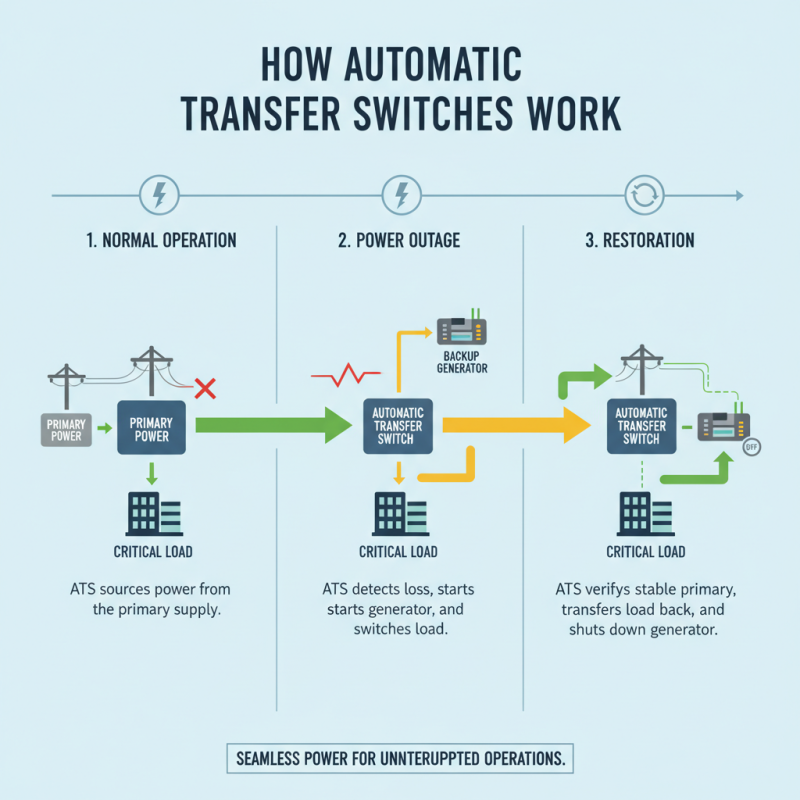
Automatic switch over switches are essential for seamless power management. They ensure uninterrupted electrical supply during outages or maintenance. Understanding how these systems operate provides insights into their reliability and efficiency.
These switches detect power failure by monitoring voltage levels in the main supply. Once a disruption is identified, they automatically switch to an alternate power source. This process usually takes just a few seconds, minimizing downtime. The mechanism usually involves sensors, relays, and control circuits. These components work together to facilitate swift transitions.
In some cases, not all switches function perfectly. Delays or failure to switch can occur due to faulty components. Regular maintenance is crucial to ensure optimal performance. Knowing the limitations helps users make informed decisions. It's important to choose a switch that fits specific needs and scenarios. Consider the environment and load requirements when selecting a system. Each setup has its unique challenges, which require careful assessment and planning.
Applications of Automatic Switch Over Switch Technology
Automatic switch over switch (ASOS) technology plays a crucial role in various sectors. Many industries rely heavily on uninterrupted power supply, making ASOS indispensable. A report by the International Energy Agency indicates that about 30% of businesses face disruptions due to power outages. The ASOS mitigates this risk effectively.
In the healthcare sector, for example, hospitals utilize this technology extensively. When the primary power source fails, ASOS ensures backup generators initiate automatically. According to a study from the National Health Service, over 80% of hospitals report improved operational resilience with ASOS. This swift transition is vital for patient care, especially in life-critical scenarios.
Data centers are another significant application area. A study by Uptime Institute highlighted that 40% of data centers experience unplanned downtime. ASOS can minimize this impact by providing seamless power transitions. Despite its benefits, the technology is not always affordable for smaller operations. Many companies face budget constraints. Addressing these challenges requires careful evaluation of the potential risks versus the investment.
Comparing Automatic and Manual Switch Solutions
When considering automatic switch solutions, the differences between automatic and manual switches become essential. Automatic switches offer enhanced reliability and efficiency. According to a report by the International Energy Agency, automated systems reduce operational downtime by up to 30%. This can dramatically impact productivity for many industries.
Manual switches may seem cost-effective initially. However, they require continuous human intervention, which can lead to errors. A study by the Electric Power Research Institute revealed that human errors account for nearly 75% of operational failures in control systems. This statistic highlights the potential risks associated with relying solely on manual solutions.
Automation brings precision and speed to the table. A well-designed automatic switch can react to power fluctuations within milliseconds. In contrast, manual systems can lag, causing unnecessary disruptions. While some may hesitate to invest in automation, the long-term operational savings and reliability often justify the upfront costs. Balancing these aspects is crucial for informed decision-making.
Selecting the Right Automatic Switch Over Switch for Your Needs
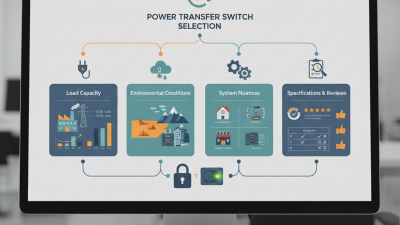
When selecting an Automatic Change Over Switch, several factors require careful consideration. A high-quality switch can ensure seamless power transition during outages. In 2022, the global automatic changeover switch market was valued at $2 billion and is expected to grow by 8% annually. This growth is driven by increased energy demands and the need for reliable backup solutions.
Understanding your power requirements is crucial. Determine the total load you need to support. Many homes require switches capable of handling a minimum of 30 amps. Choosing a switch with inadequate capacity may lead to system failures. Some users often overlook the importance of efficiency ratings. A switch with a high efficiency rating can minimize energy loss, which is essential for long-term savings.
Consider the installation process as well. Some switches may require professional installation, which can add to initial costs. Users should also assess the maintenance needs. A device that demands frequent checks can become a hassle. In a 2023 survey, about 40% of users cited maintenance concerns as a reason for dissatisfaction. When exploring options, gather information from reputable sources and experts to ensure informed decisions.
Common Misconceptions About Automatic Switch Over Switches
Many people have misconceptions about Automatic Switch Over Switches. Some think they are only for large businesses. In reality, they benefit households and small enterprises too. These switches automate the process of switching power sources. This ensures continuous power during outages.
A common myth is that they are too expensive to maintain. In fact, the cost-saving from uninterrupted power can outweigh initial expenses. Additionally, they offer ease of use, making them a smart choice for many. Tips for choosing the right model include examining power needs and frequency of outages. This will help you select an appropriate Automatic Switch Over Generator.
Another misunderstanding is that installation is overly complex. Many professionals streamline the process, simplifying user integration. Understanding your electric system facilitates a smoother installation. Beyond this, regular maintenance is key. This includes periodic checks on connections and performance. Ensuring your Automatic Switch Over Generator is in top condition prevents unexpected failures. Embracing these realities can enhance your energy reliability and security.
A Comprehensive Guide to the LMS1-L Series 630A Automatic Transfer Switch: Features, Benefits, and Certifications
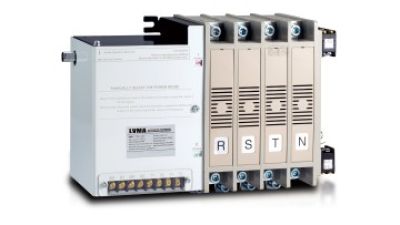
The LMS1-L Series 630A Automatic Transfer Switch (ATS) stands out in the industry for its exceptional performance and reliability. Designed to accommodate rated currents ranging from 16A to 630A, this model is versatile, offering configurations of 2 poles, 3 poles, and 4 poles to meet a variety of application needs. The ability to operate at rated voltages of AC230V and AC400V makes the LMS1-L a robust choice for both residential and commercial sectors. The device's three-position feature ensures seamless transitions between power sources, vital for maintaining operations during unexpected outages.
Safety and quality are paramount, and the LMS1-L series complies with international standards such as IEC 60947-6-1. Certifications from CE, CB, and CCC further validate its reliability and performance capabilities. As reported in various industry analyses, automatic transfer switches are critical in minimizing downtime and enhancing operational efficiency, leading to increased productivity in electrical systems. The LMS1-L's design as an excitation-type drive mode enhances its capability to manage and distribute power effectively, making it a preferred choice for facilities requiring uninterrupted power supply.
Manufacturers emphasize the importance of compliance with rigorous standards and certifications in their products. The LMS1-L's combination of advanced technology, quality manufacturing practices, and adherence to international requirements positions it optimally within the marketplace. For more tailored solutions to meet specific power management needs, professionals are encouraged to reach out for inquiries regarding this advanced switching solution.
FAQS
: They ensure uninterrupted electrical supply during outages or maintenance.
They monitor voltage levels in the main supply.
They usually switch to an alternate source within a few seconds.
Sensors, relays, and control circuits work together for smooth transitions.
Faulty components may lead to delays or failure to switch.
Regular maintenance ensures optimal performance and reliability.
It ensures backup generators activate automatically during power failures.
No, many smaller operations face budget constraints with these systems.
Users need to evaluate environment, load requirements, and specific needs.
They may experience unplanned downtime, affecting operations significantly.
Conclusion
An Automatic Switch Over Switch is a crucial technology that enhances reliability and efficiency in various applications by seamlessly managing power supply transitions. The benefits of using such switches include increased uptime, improved safety, and reduced manual intervention, making them ideal for critical systems where uninterrupted power is essential. Key features often include fast switching times, user-friendly interfaces, and advanced monitoring capabilities.
These switches operate by automatically detecting power failures or fluctuations and switching to a backup source, thereby ensuring continuous operation. While automatic solutions offer distinct advantages over manual switches, it's important to understand the specific needs of your application to choose the right model. Additionally, common misconceptions often suggest that automatic switches are overly complex or costly, whereas the long-term benefits typically outweigh initial investments. Overall, the Automatic Switch Over Switch technology is indispensable for modern power management needs.


 中文

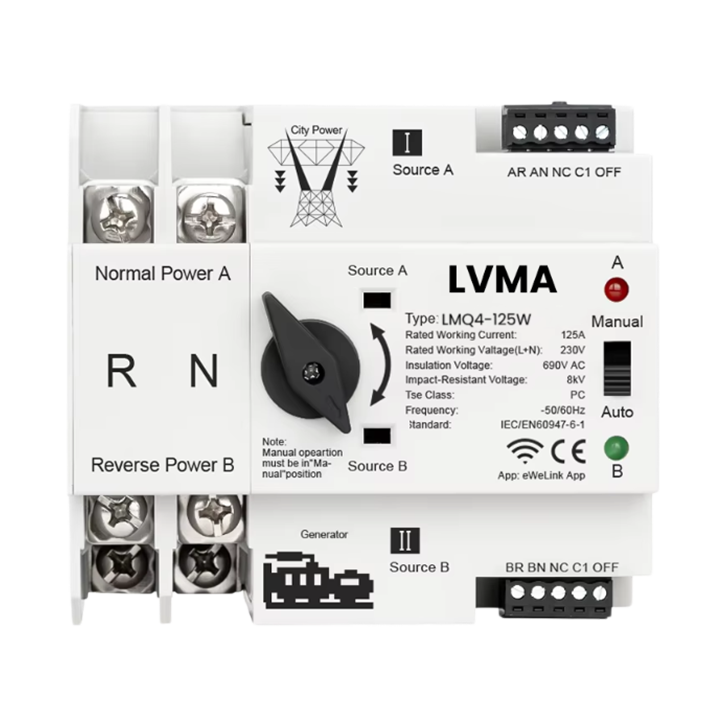 Wifi Ats 125A, Automatic Transfer Switch 2P 3P 4P LMQ4-125W
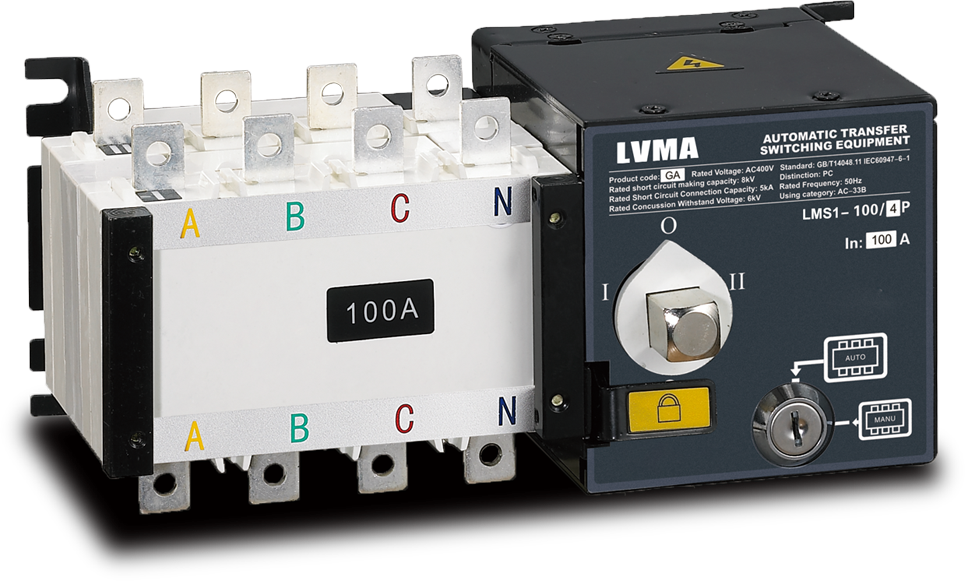 LMS1-GA series Automtic transfer Switch Ats 100A
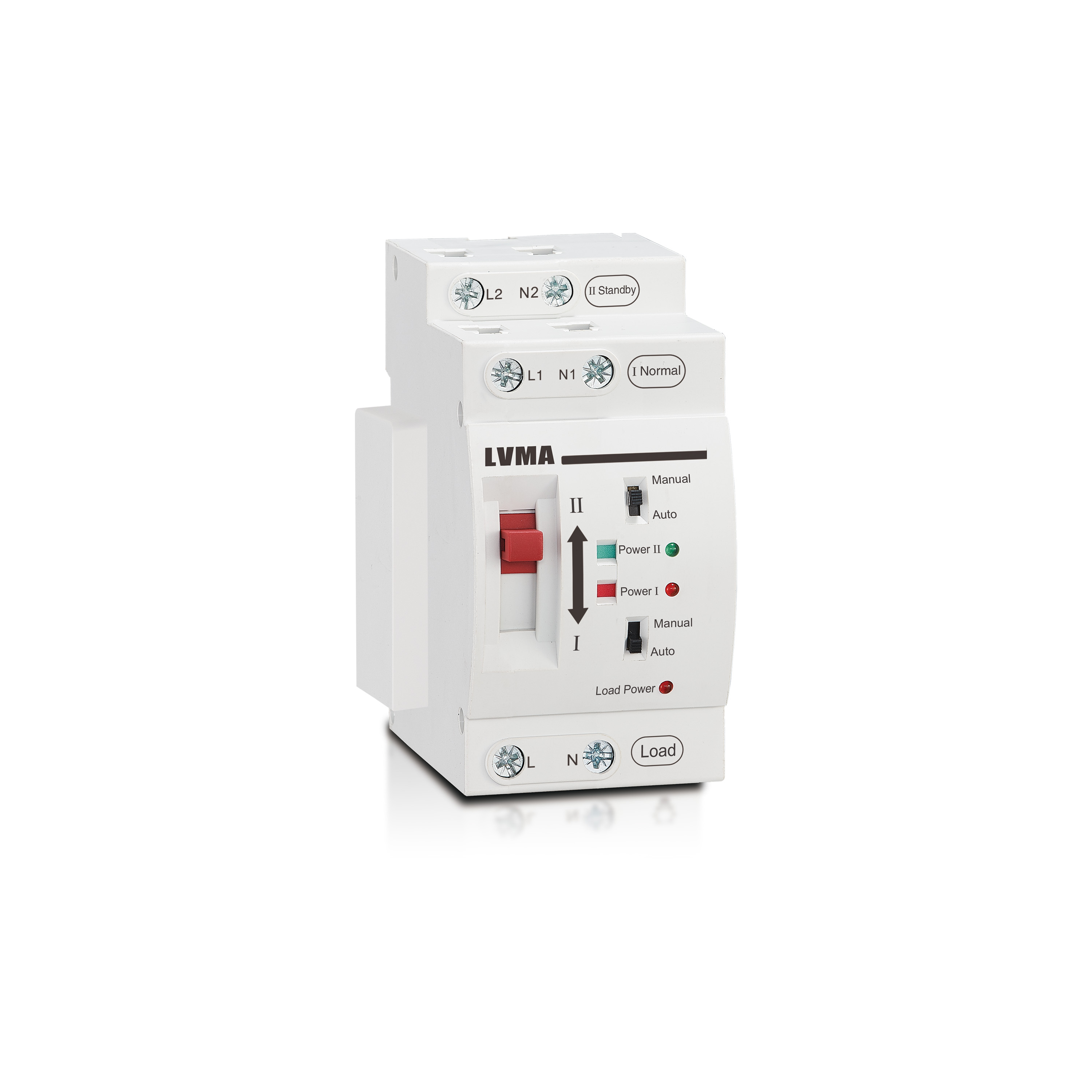 LMS1-NJT Series Automatic Transfer Switch Ats 63A
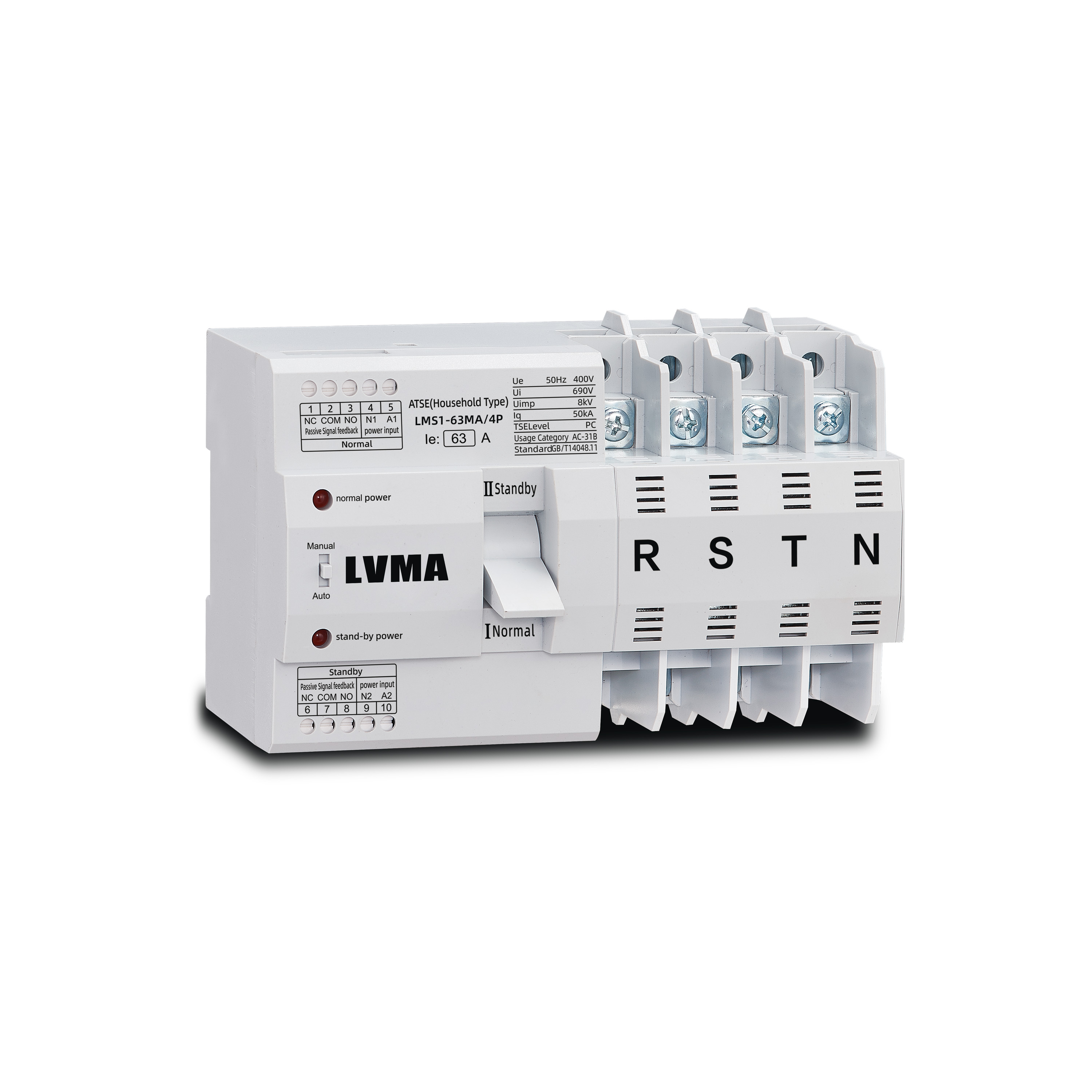 LMS1-MA Type PC Class Automatic Transfer Switch Ats 63A
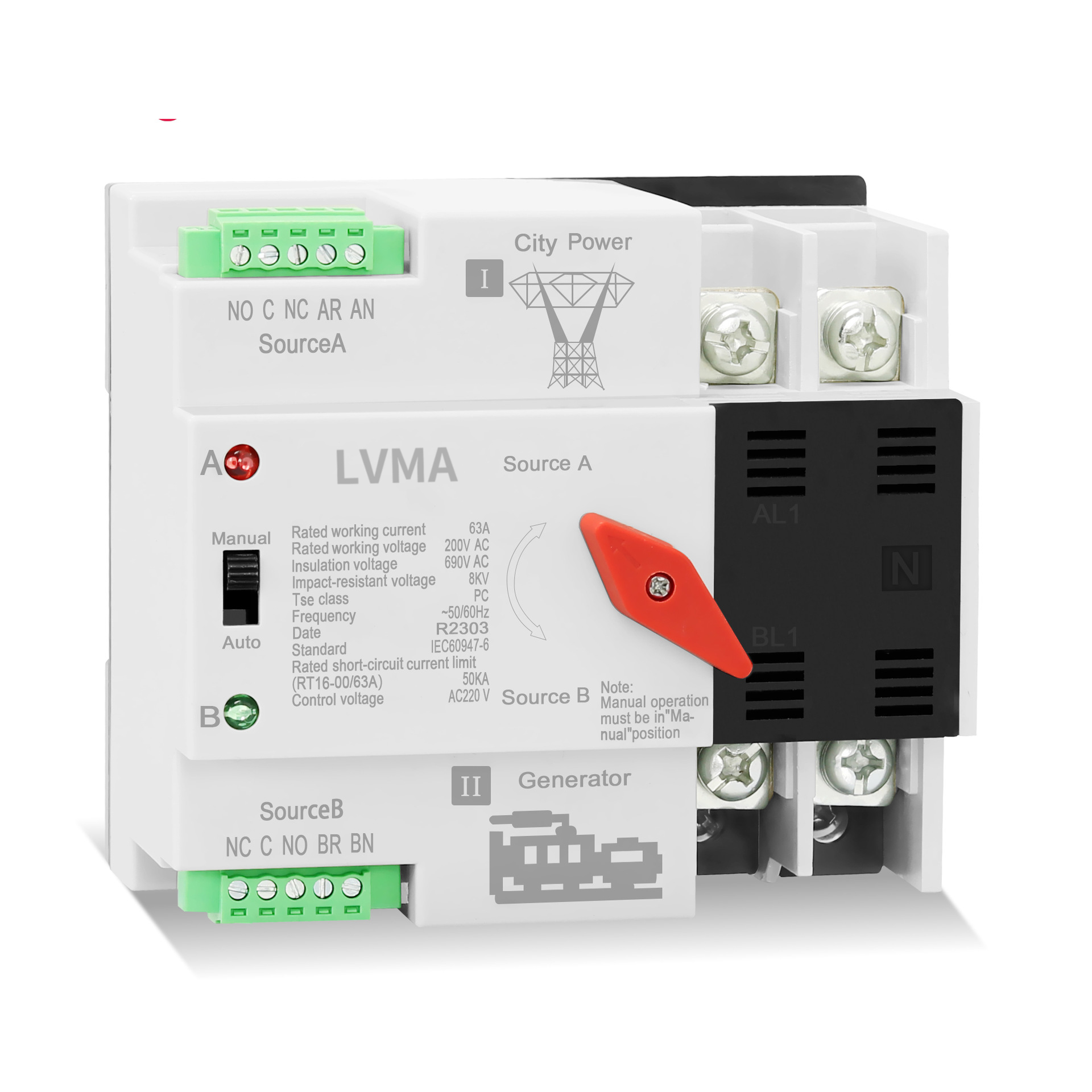 Ats 100A,Automatic Transfer Switch 2P 3P 4P LMQ4-100X
 LMS1-LA Series Automatic Transfer Switch ATS 100A
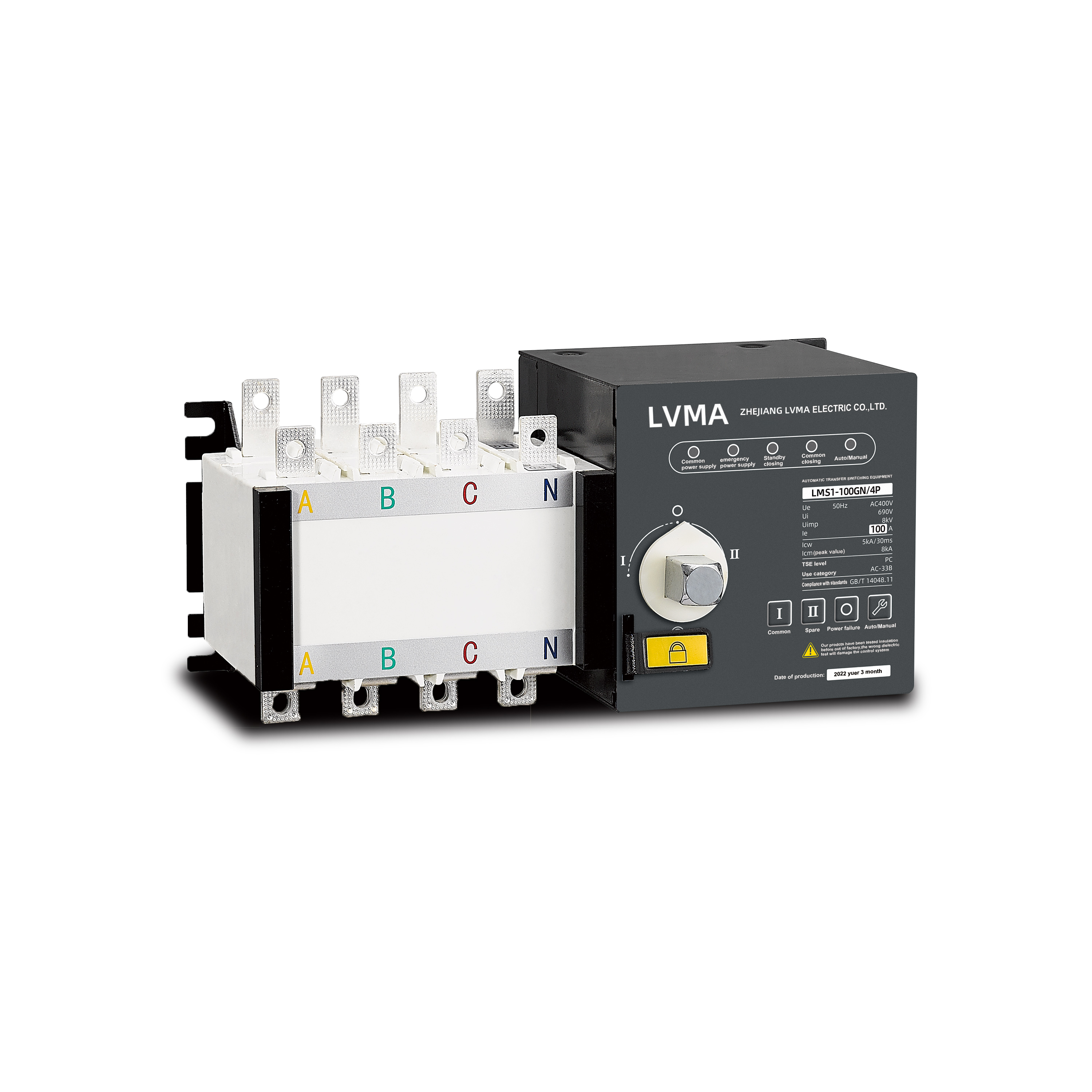 LMS1-GN Automatic Transfer Switch ATS 250A
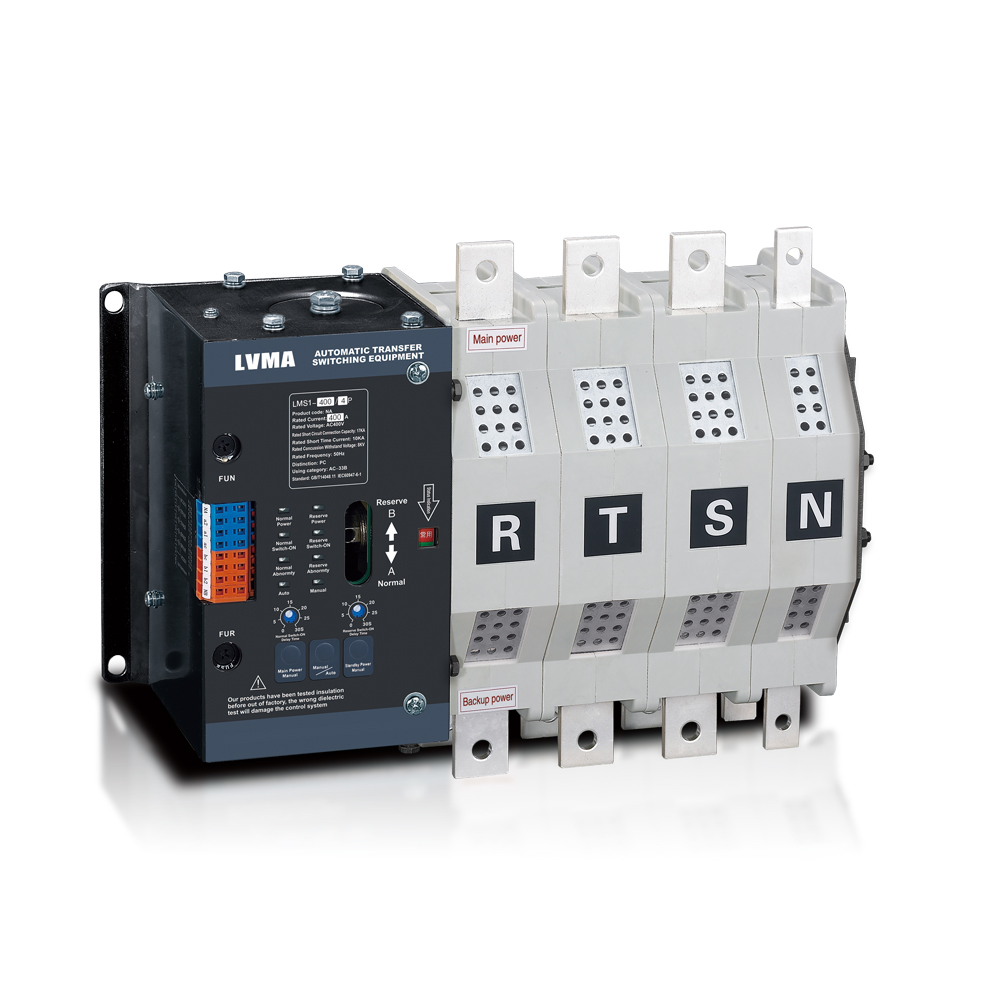 LMS1-NA Series Automatic Transfer Switch ATS 630A
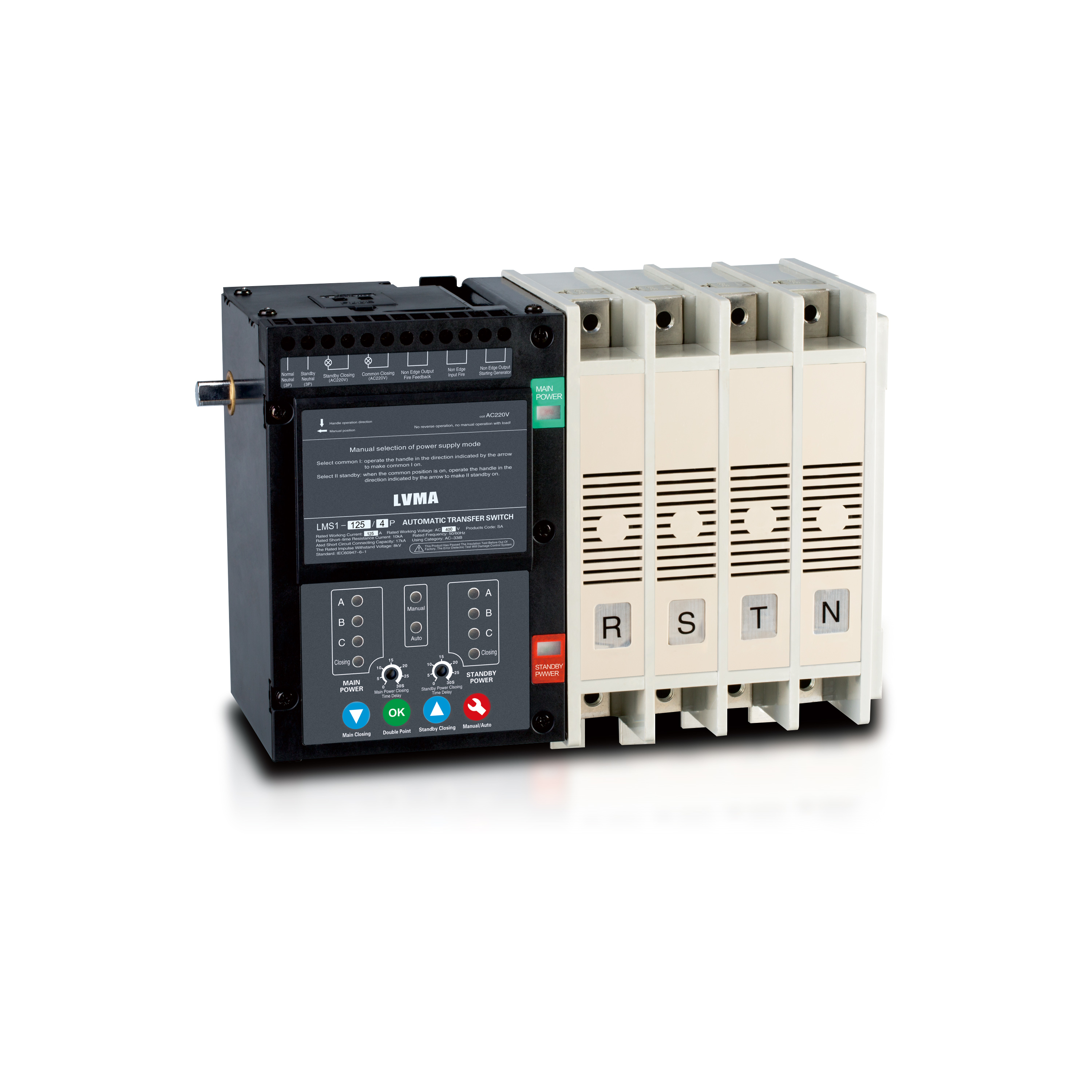 LMS1-LA3 Series PC Automatic transfer switch Ats 630A
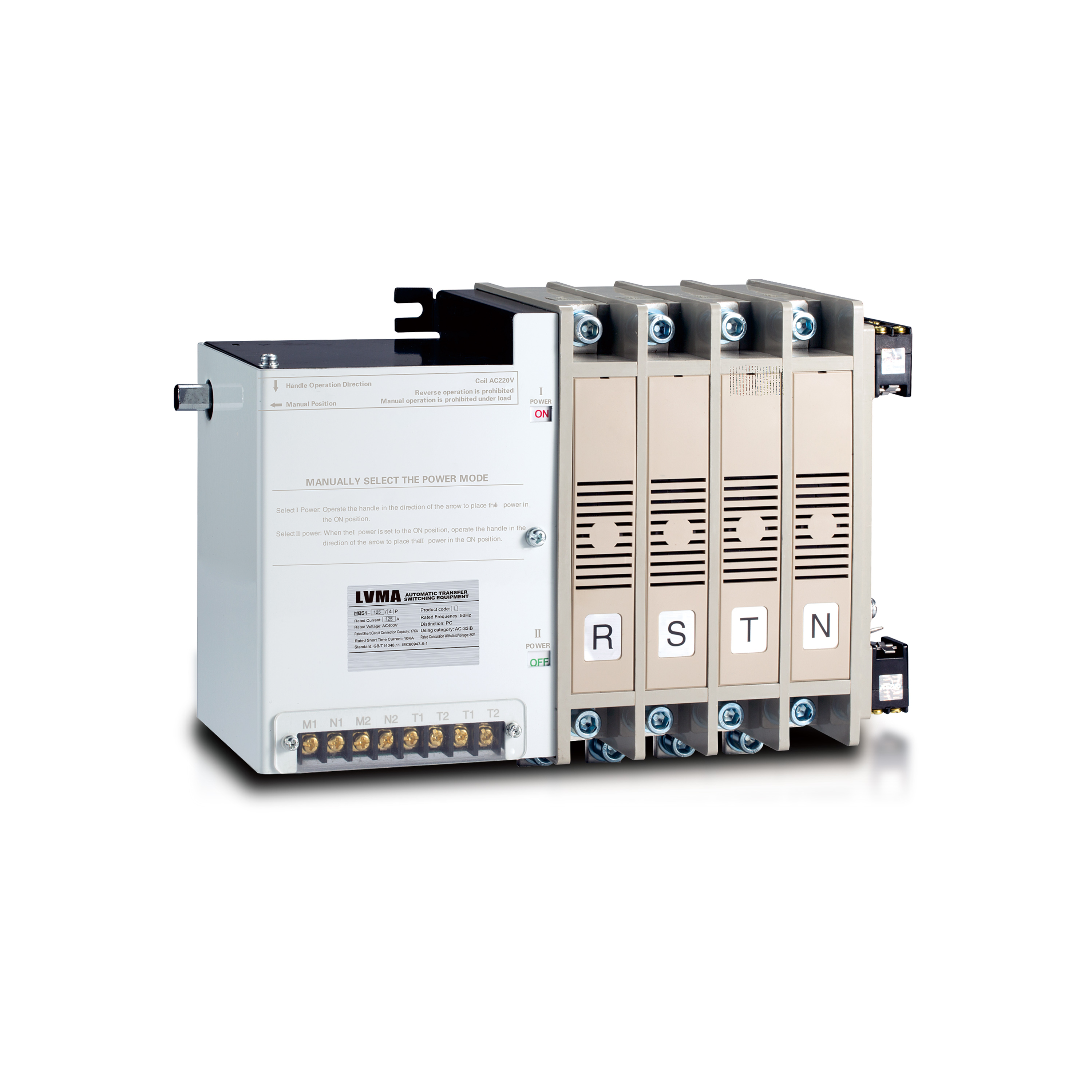 LMS1-L Series Automatic Transfer Switch Ats 630A
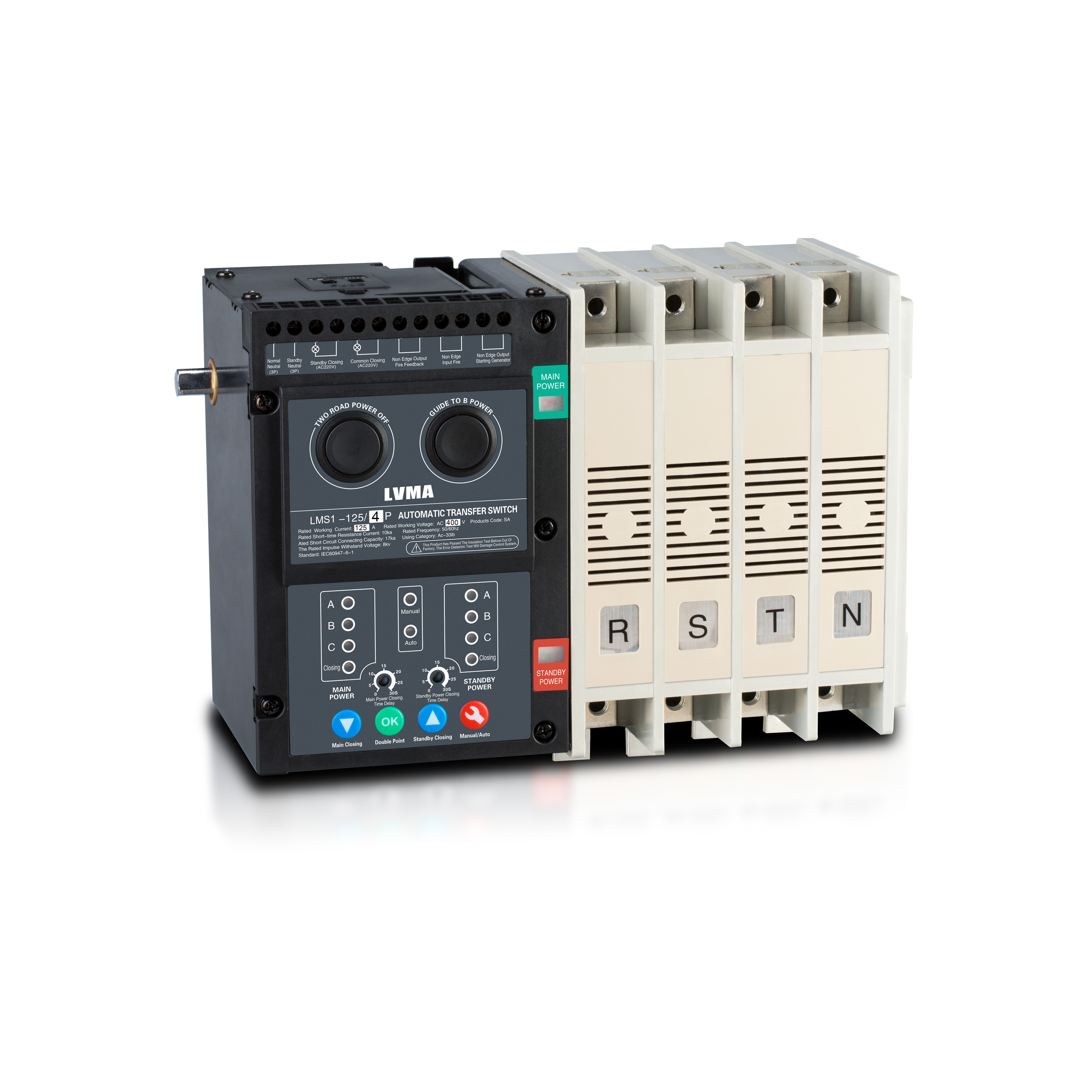 LMS1-SA Series PC Automatic transfer switch
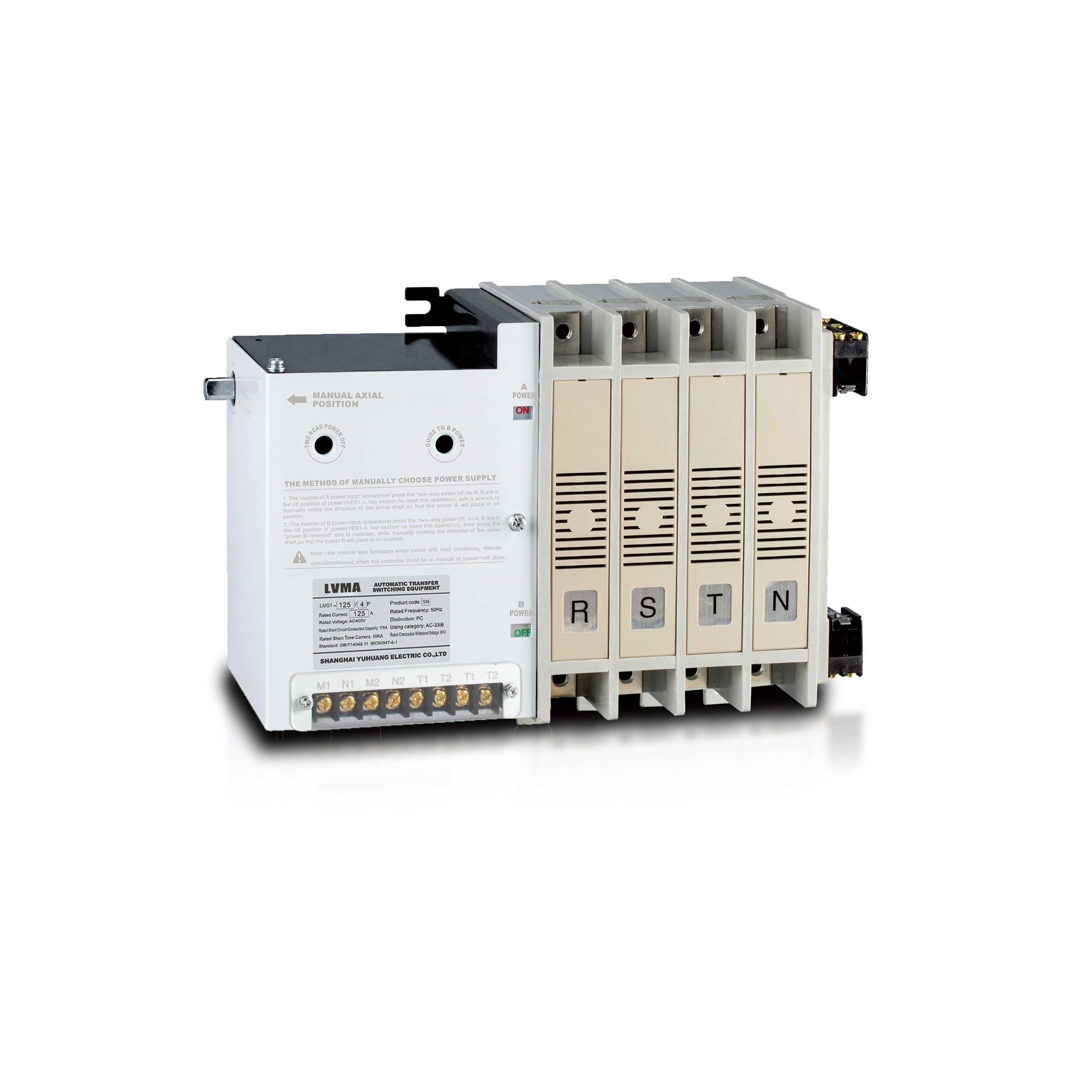 LMS1-SN Series Automatic Transfer Switch Ats 400A
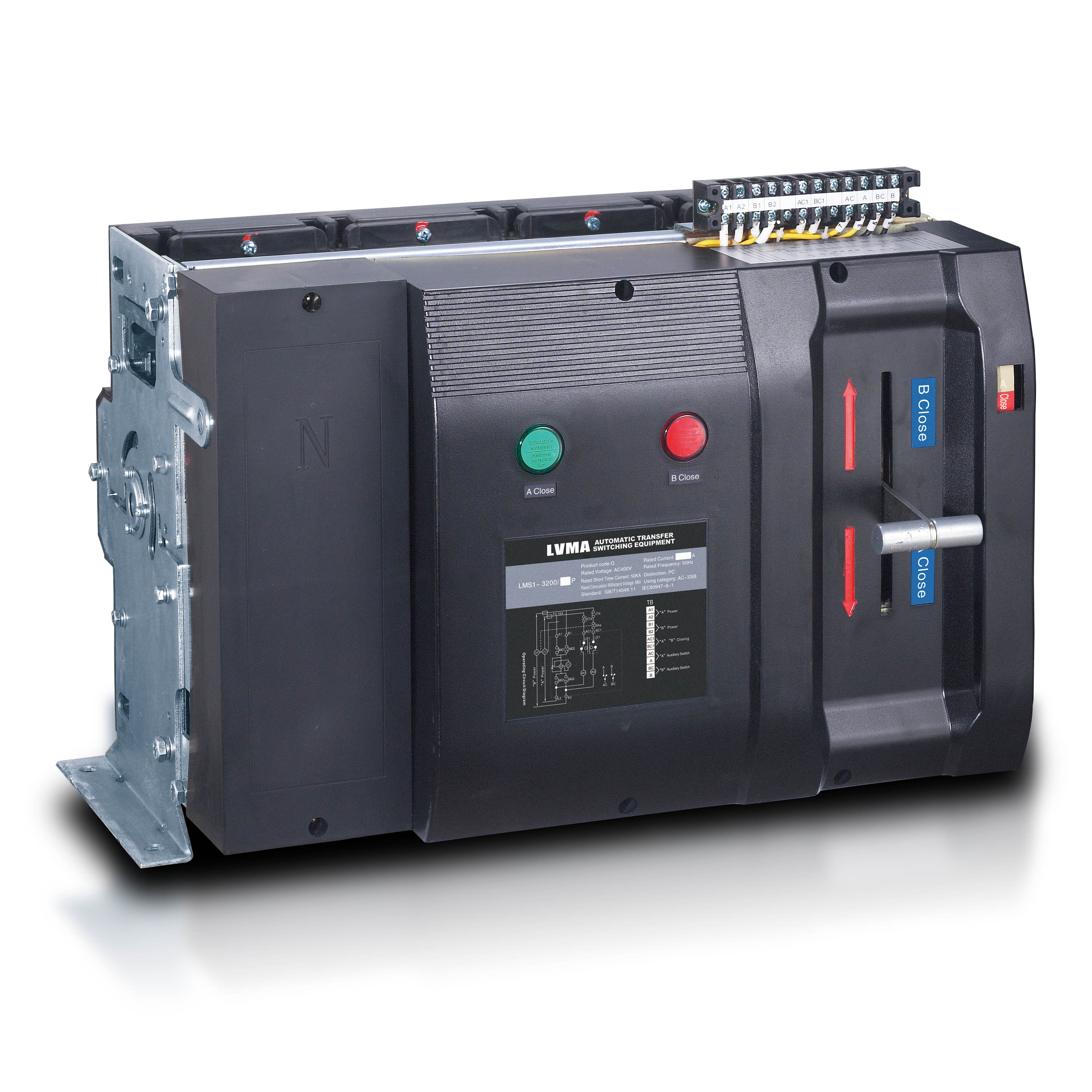 LMS1-Q Type Automatic Transfer Switch Ats 3200A
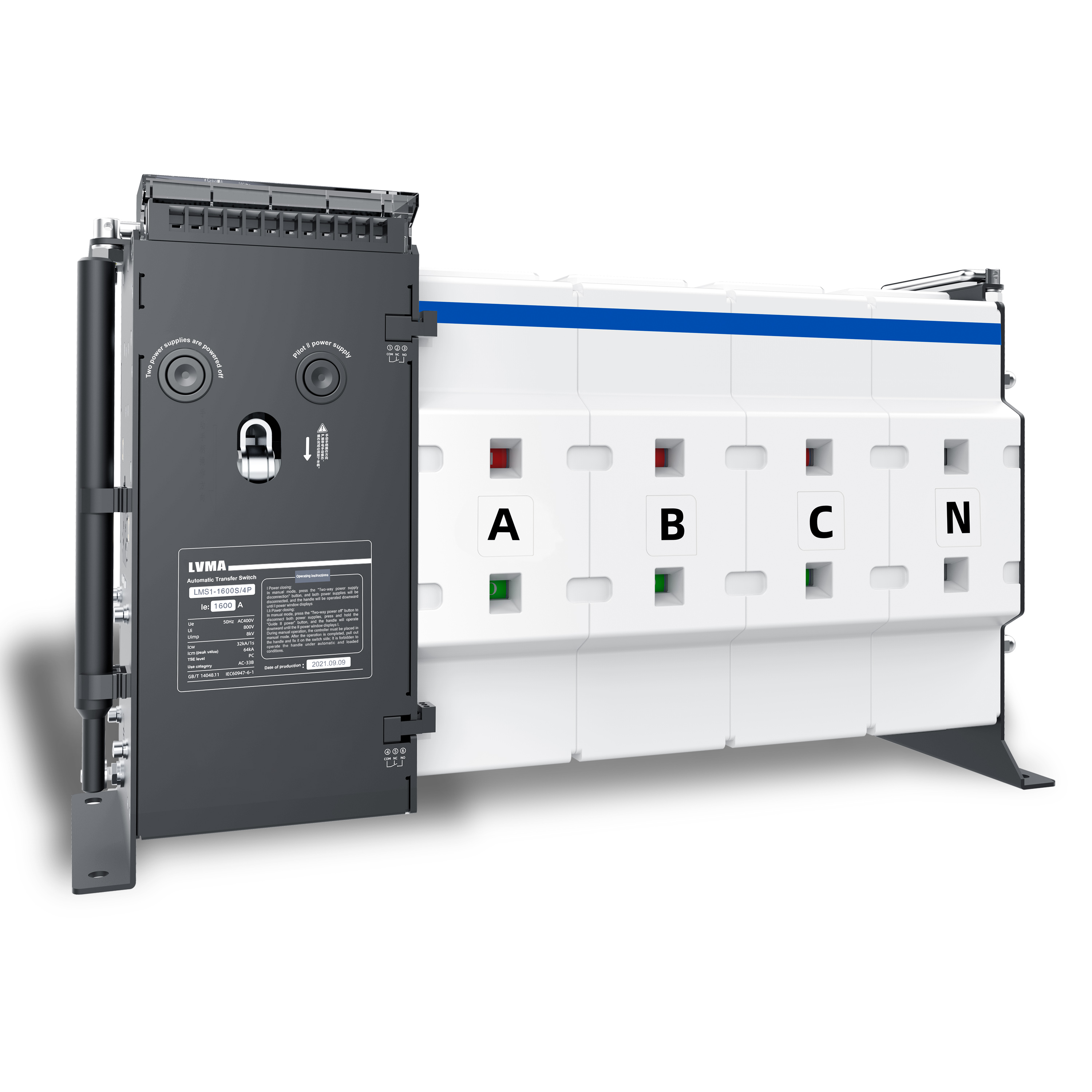 LMS1-SN Automatic Transfer Switch Ats
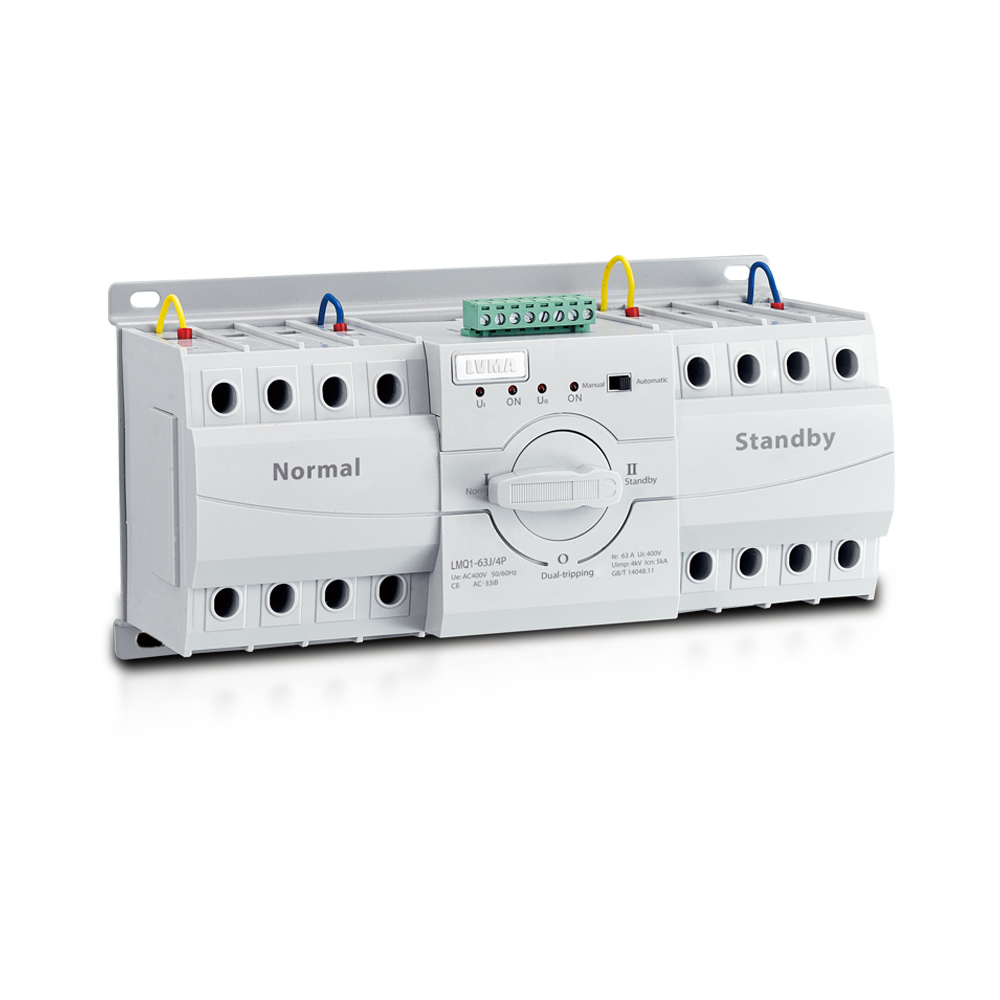 LMS1-J Series Automatic Transfer Switch Ats 63A
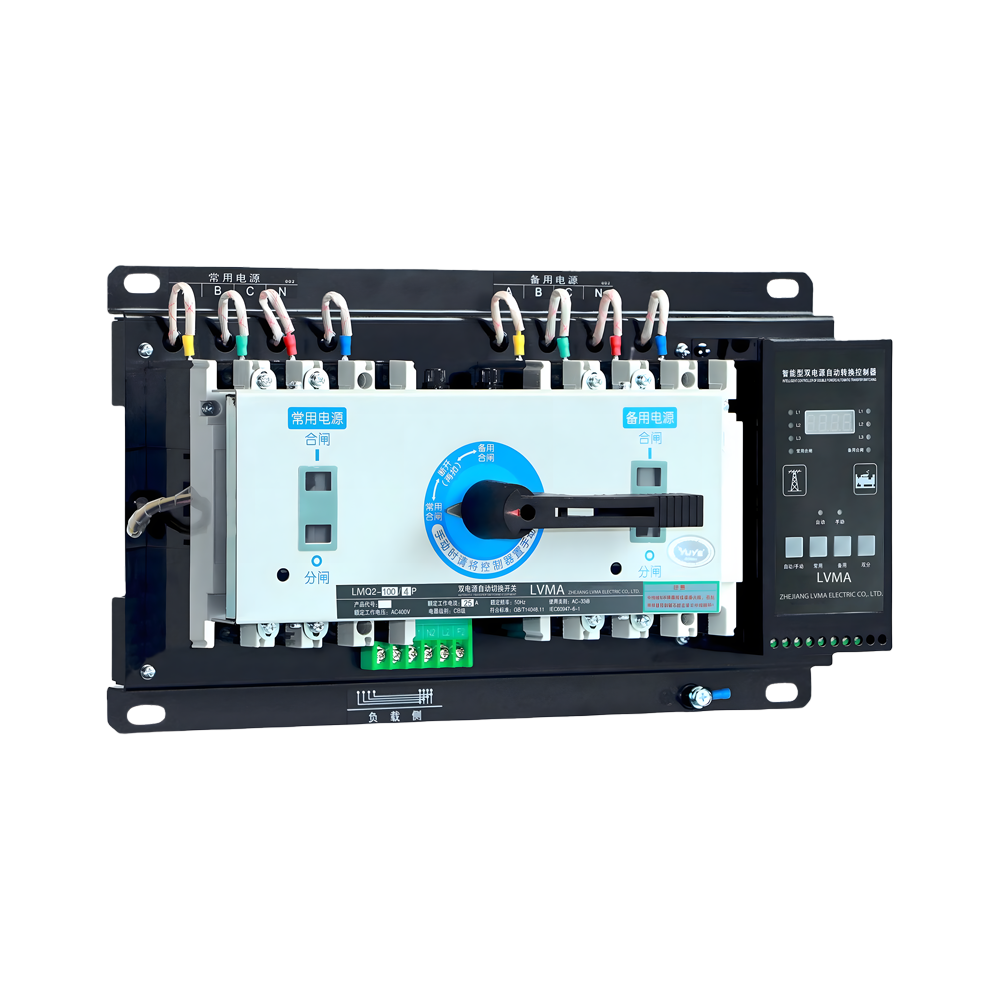 LMQ2Y Series Automatic Transfer Switch CB Class
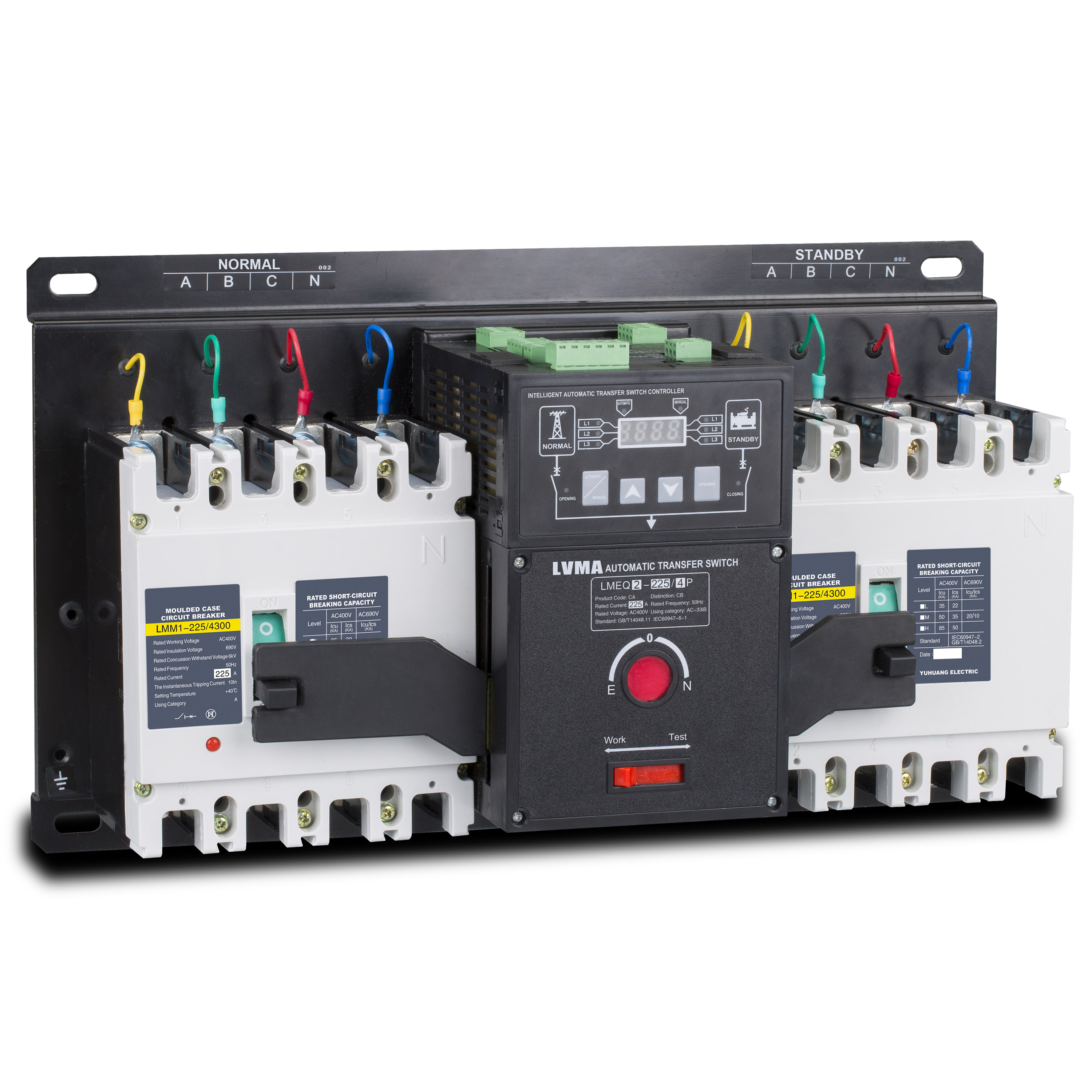 LMQ2CB Series Automatic Transfer Switch
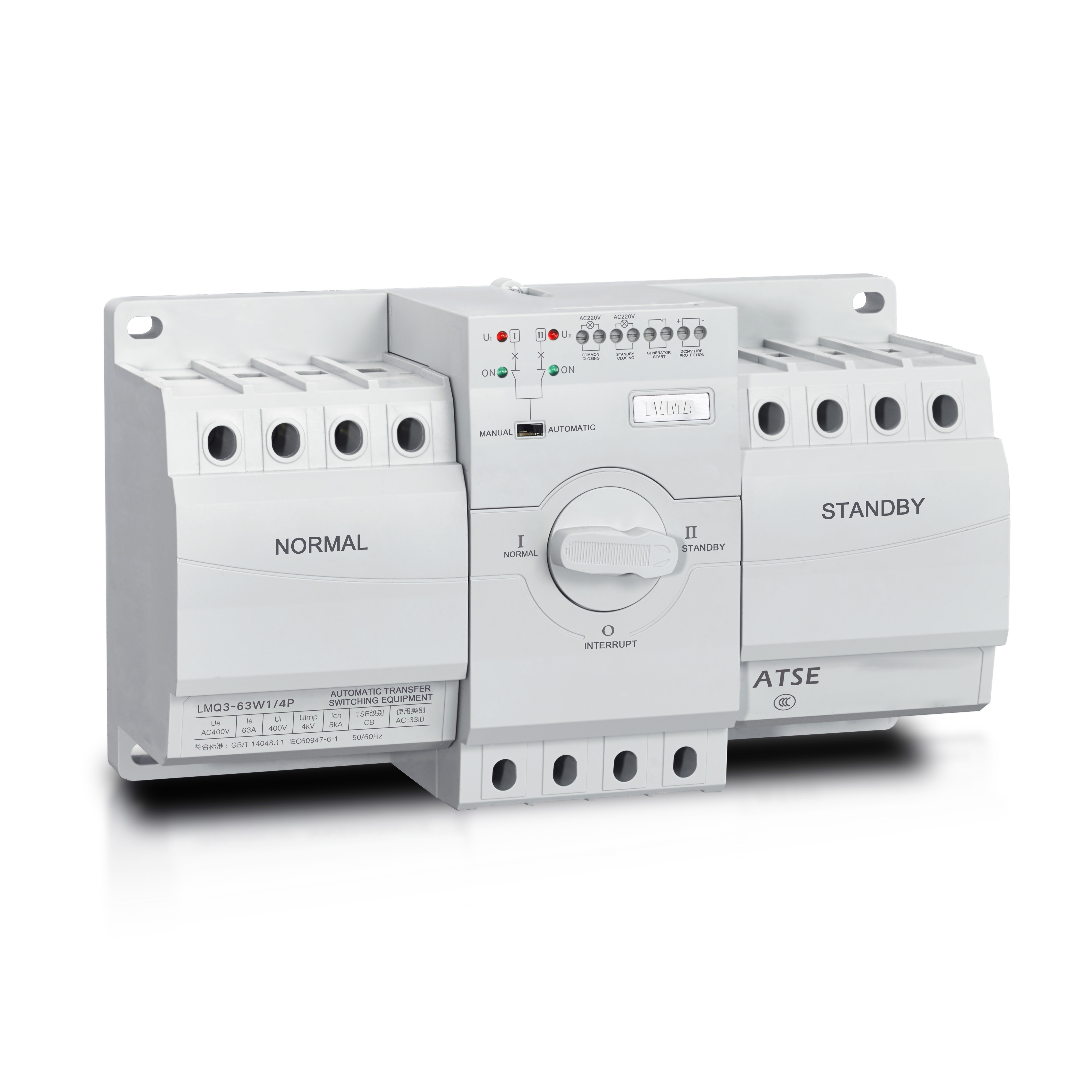 LMQ3-W1 Automatic Transfor Switch Ats 63A
 LMQ3-W1 Automatic Transfor Switch ats 630A
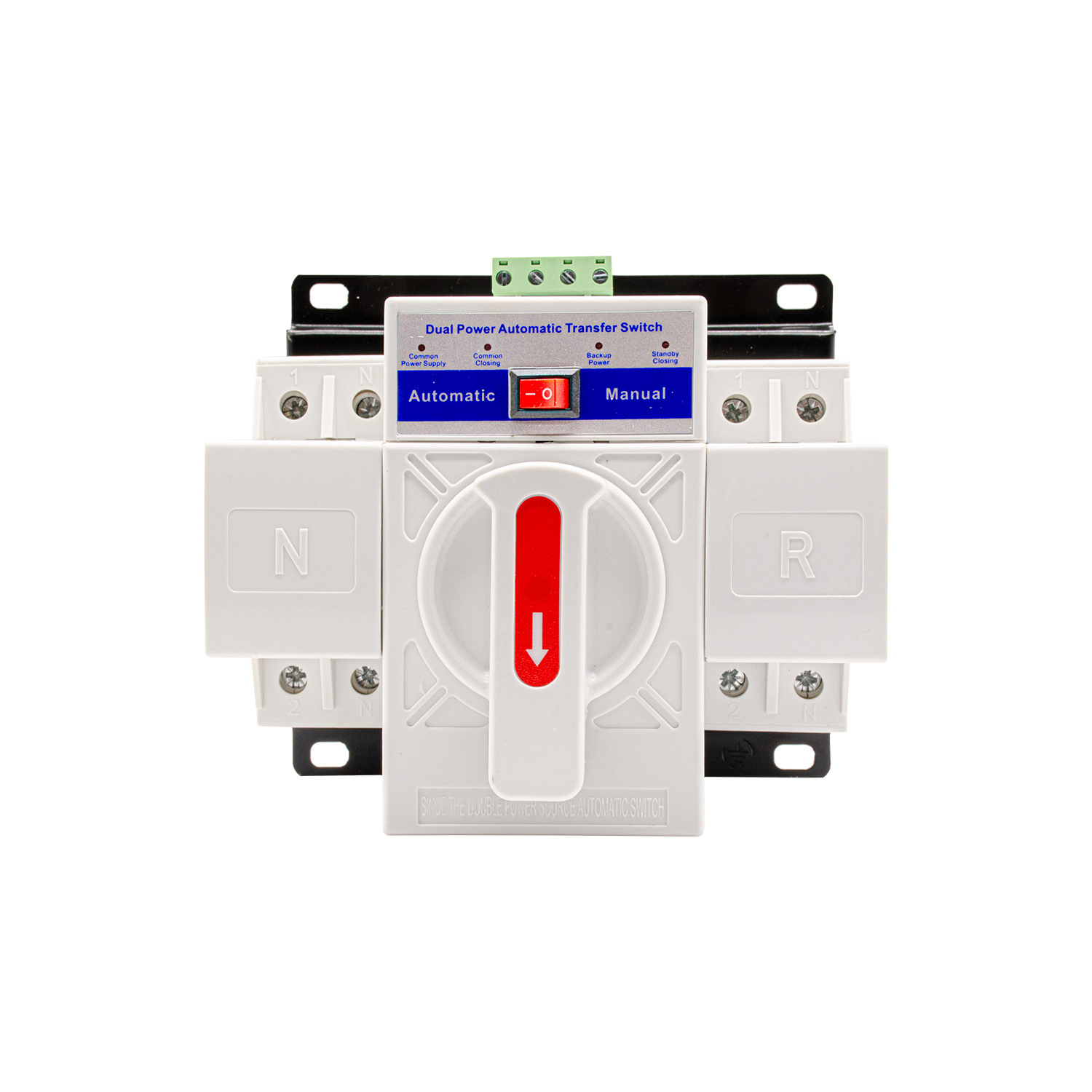 LMQ4-63M 63A Automtic transfer Switch 2P 3P 4P
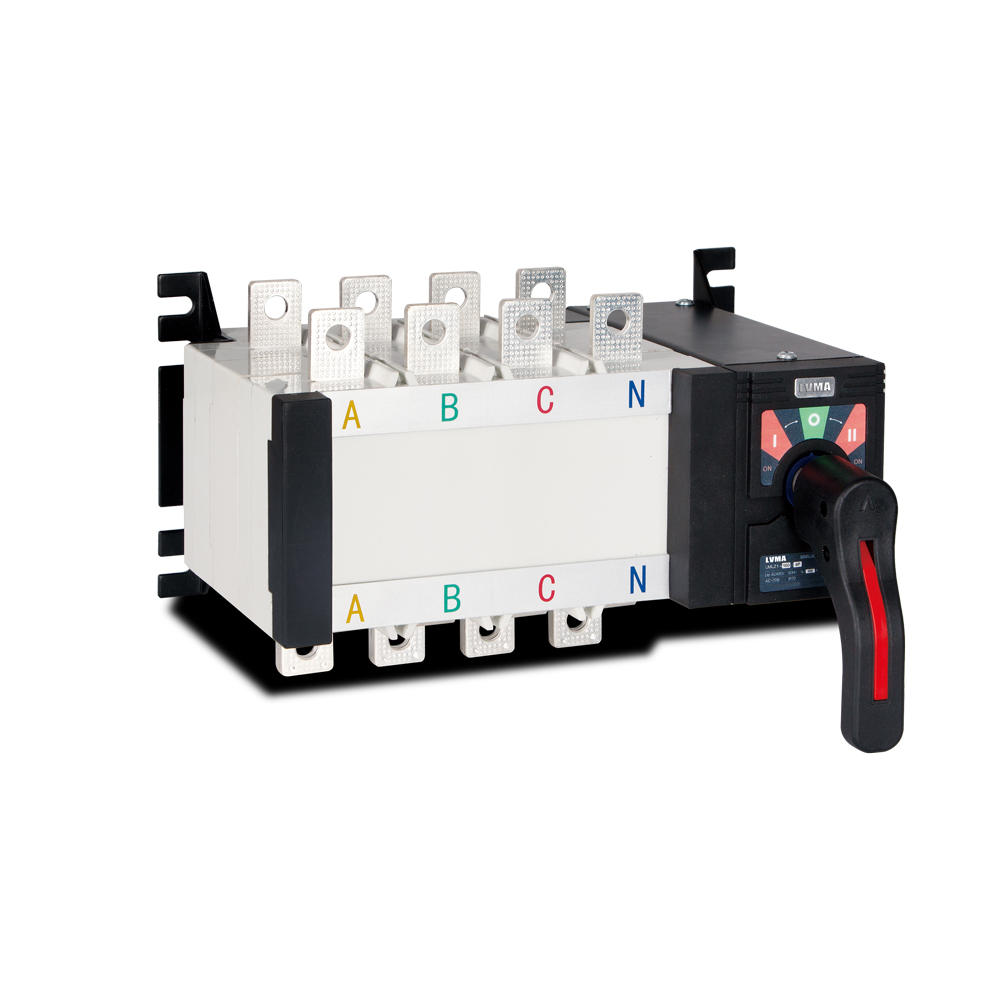 LMGLZ1 Manual Transfer Switch (100~630A)
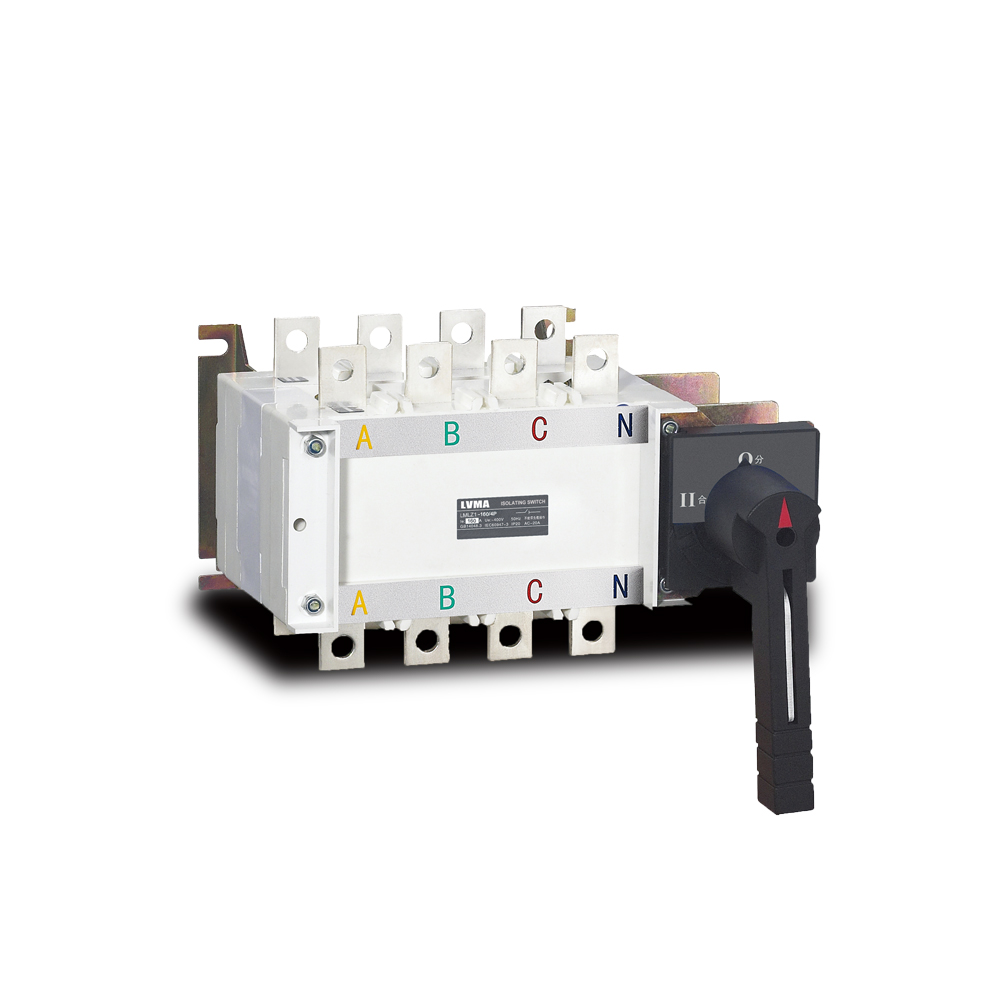 LMGLZ Manual Transfer Switch (100~630A) Changeover Switch
 Y-700 Automatic Transfer Switch Controller
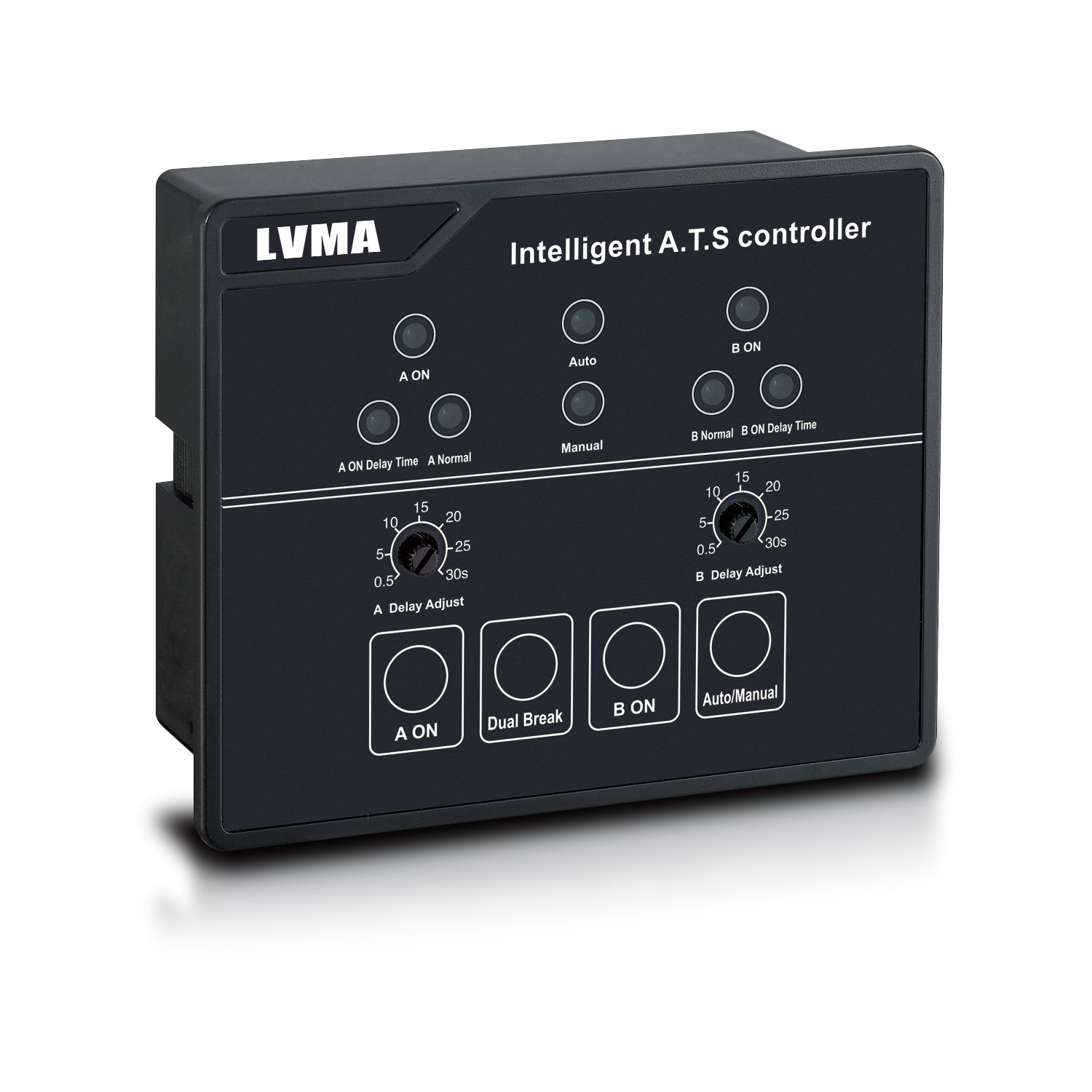 Y-701 Automatic transfer switch controller
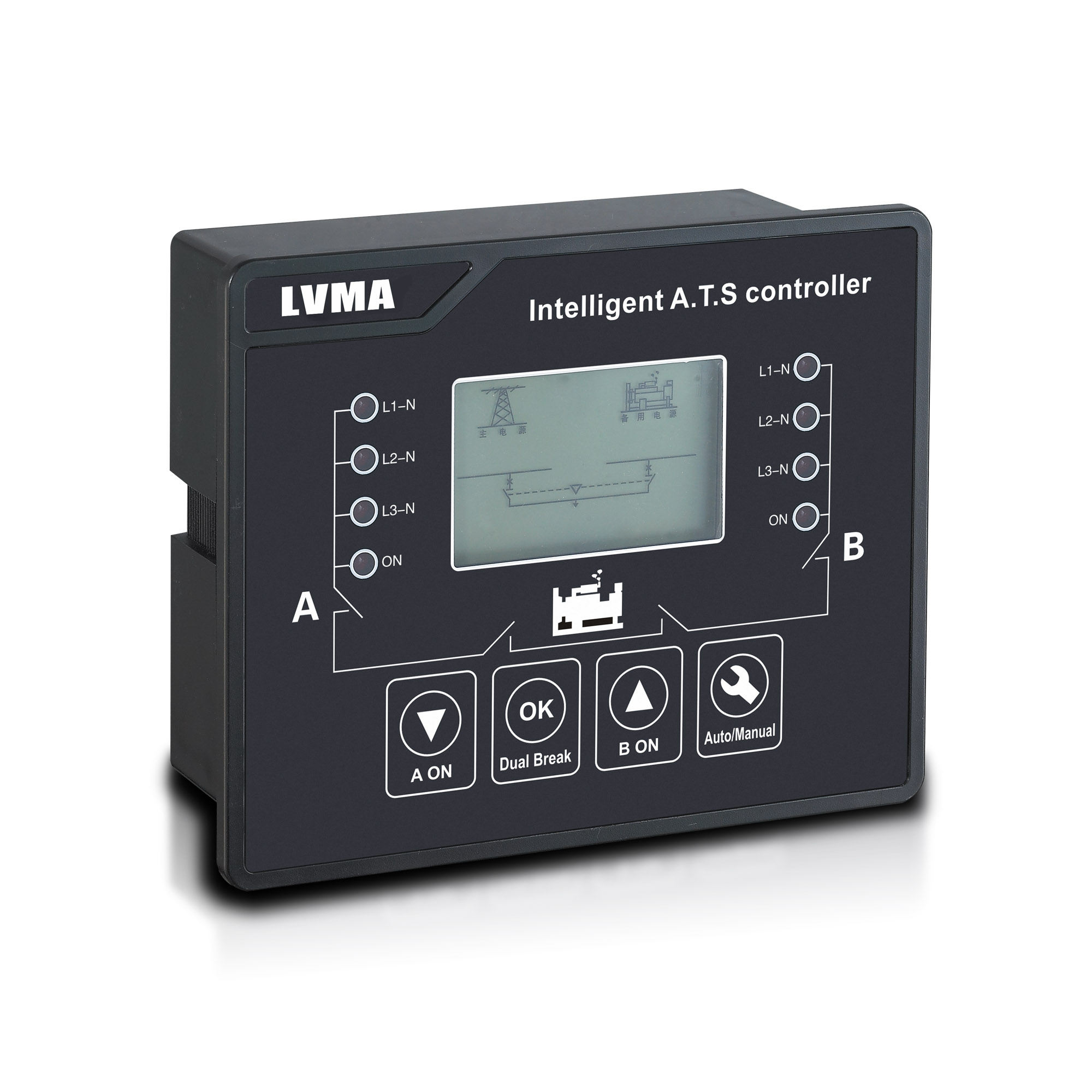 Y-702 Automatic Transfer Switch Controller
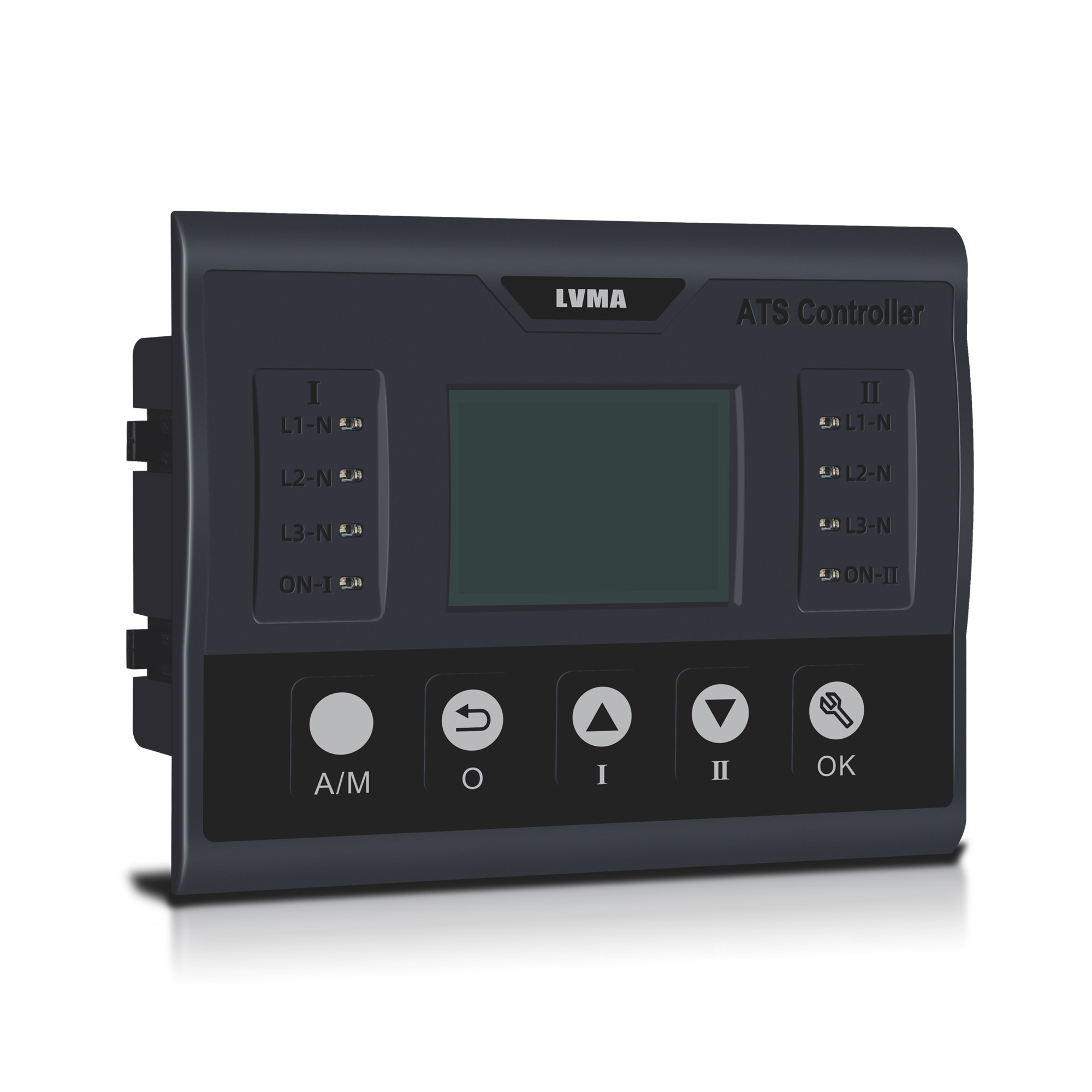 Y-703 Automatic Transfer Switch Controller
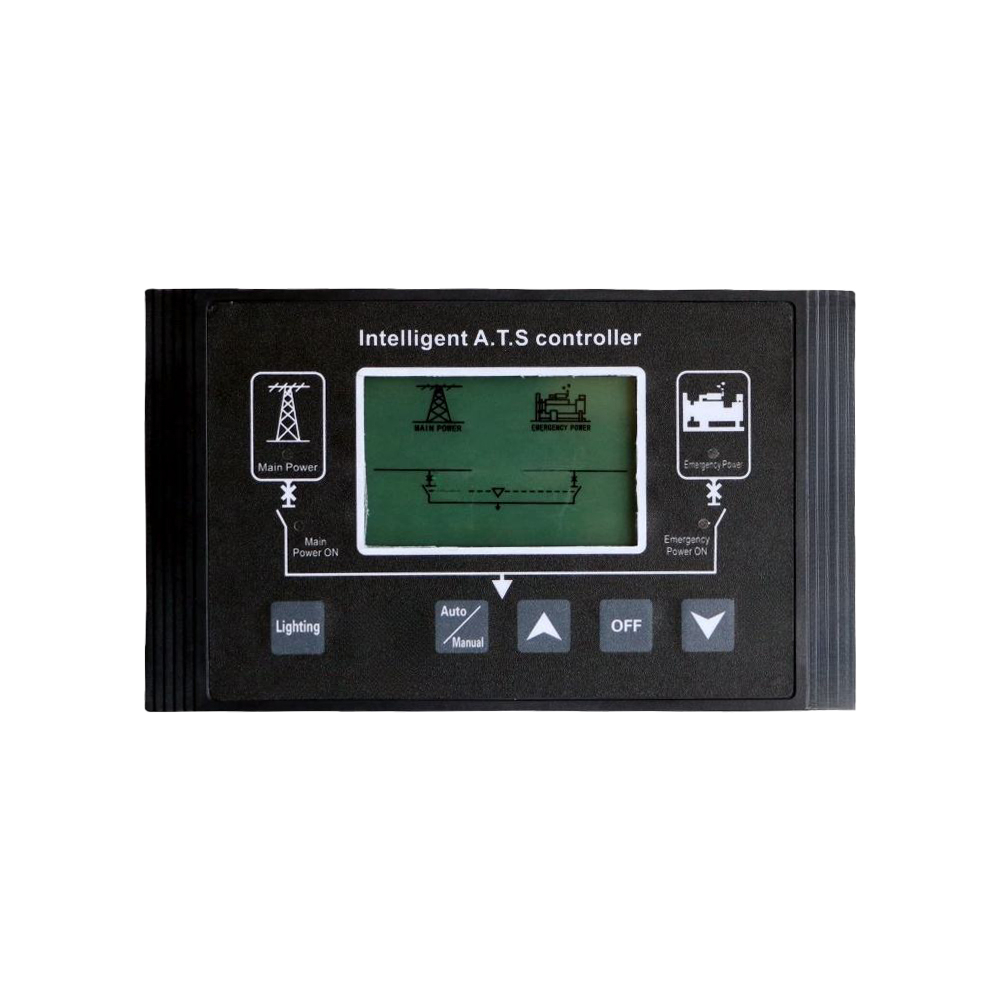 W2、W3 Automatic Transfer Switch Plug-In Led Digital Controller
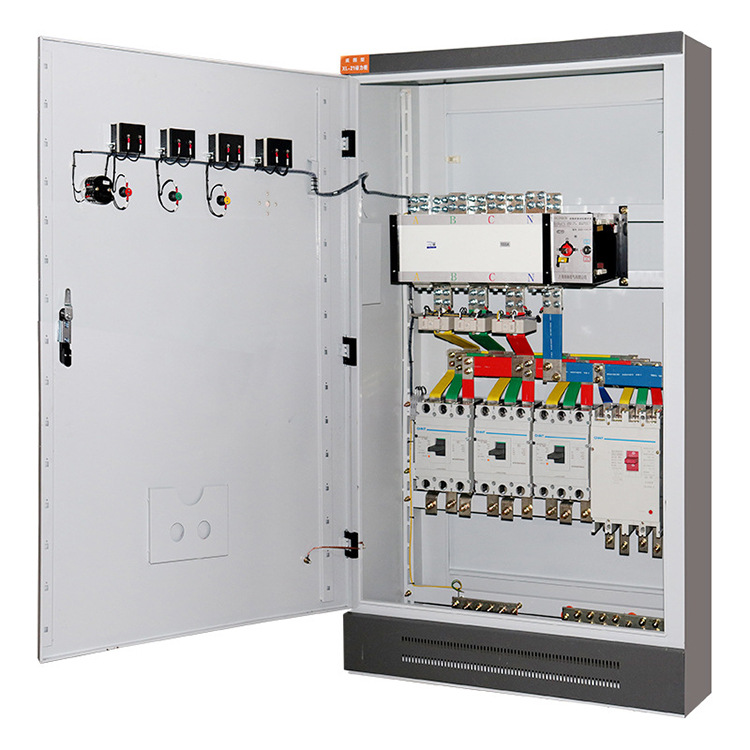 Customization-Automatic Transfer Switch Cabinet 100A Ats
 Dual Power Supply Control Cabinet - Automatic Transfer Switch
 Ats Cabinet - Automatic Transfer Switch