In today’s fast-paced energy scene, having a dependable power management system is more important than ever. A key piece of the puzzle is the 3 Phase Transfer Switch. Experts agree that choosing the right one can make a huge difference when it comes to how efficiently you use energy. John Smith, a well-known electrical engineer with over two decades of experience, likes to say, 'Picking the right 3 Phase Transfer Switch can really turn around your entire power setup.'
Looking ahead to 2026, there are tons of options out there to help boost your energy efficiency. These switches are pretty much essential for keeping your power running smoothly during outages. That said, not everything on the market actually meets industry standards, and a lot of people tend to overlook important features like load capacity and transfer speed. Skipping over these details can lead to poor performance or, worse, some safety risks.
When you're shopping for a 3 Phase Transfer Switch, it’s really worth doing some homework. Go for brands and models that come from reputable manufacturers — trust really matters here. Investing in a good quality switch now can save you a lot of trouble down the road, whether it’s headaches or inefficiencies. So, take your time, make smart choices, and set yourself up with a solid power management system that keeps your energy reliable and secure.

2026 Overview of 3 Phase Transfer Switches in Power Management
Three-phase transfer switches play a crucial role in power management, especially in industrial applications. They enable seamless transitions between power sources, ensuring continuous operation. A recent industry report indicated that effective power management can reduce operational costs by up to 30%. This statistic highlights the importance of reliable transfer switches in maintaining productivity and minimizing downtime.
In the evolving landscape of power management, safety and efficiency are paramount. Installing a three-phase transfer switch increases system reliability. It can significantly reduce the risk of equipment damage and outages. A survey conducted among electrical engineers revealed that about 40% of power disruptions are directly related to poor switch performance. Investing in high-quality transfer switches can mitigate these risks.
However, selecting the right equipment is not always straightforward. Factors such as load requirements, installation environment, and compliance with safety standards should be considered. Moreover, many businesses overlook the necessity of regular maintenance checks for these systems. Reports show that neglected equipment can lose up to 15% of its efficiency over time, underscoring the need for proactive measures in power management.
2026 Best 3 Phase Transfer Switch Options for Efficient Power Management
| Model | Amperage Rating | Voltage Rating | Number of Poles | Transfer Type | Weight (lbs) | Price (Estimated) |
| Model A | 200A | 480V | 3 | Automatic | 75 | $1,200 |
| Model B | 400A | 600V | 3 | Manual | 85 | $1,800 |
| Model C | 100A | 240V | 3 | Automatic | 60 | $900 |
| Model D | 300A | 480V | 3 | Automatic | 70 | $1,500 |
| Model E | 150A | 277/480V | 3 | Manual | 65 | $1,000 |
Key Features of 3 Phase Transfer Switches for Efficiency
When evaluating options for a 100 Amp 3 Phase Transfer Switch, efficiency is paramount. Key features of these switches greatly influence operational performance. A well-designed transfer switch can minimize downtime during power transitions. For instance, automatic transfer switches (ATS) significantly reduce the time it takes to switch from primary to backup power. Industry reports indicate that ATS can cut transition times to as low as 10 seconds, ensuring critical systems remain operational even during outages.
Another important feature is the ability to handle load shedding intelligently. Some advanced models can analyze power loads and prioritize which circuits receive power first. This capability fosters better energy management, especially during peak demand times. A study from the Electric Power Research Institute highlights that facilities using load-shedding techniques can reduce energy costs by up to 15%. Furthermore, these switches often come with real-time monitoring systems, which enhance operational reliability.
Maintenance is also a critical factor. Regular testing ensures the transfer switch functions optimally when needed. Surprisingly, many users neglect this aspect, leading to potential failures at inopportune moments. Investing in training for proper use and maintenance can mitigate these risks. Keeping an eye on features that promote efficiency is an ongoing process.
Comparative Analysis of Top 3 Phase Transfer Switch Products
When selecting a three-phase transfer switch, performance and reliability are paramount. Industry reports indicate that as of 2022, nearly 40% of power interruptions stem from equipment failure. Therefore, choosing the right switch can mitigate downtime significantly. The right three-phase transfer switch can seamlessly transition power, maintaining operations and ensuring safety.
A recent comparative analysis of leading products underscored features including transfer speed, load capacity, and monitoring capabilities. The study highlighted that switches with smart technology can optimize energy usage by 15%, enabling efficient power management. These advanced features also provide real-time data, allowing users to track energy consumption effectively.
Tips: Consider the switch's compatibility with your existing system. Ensuring seamless integration will minimize future issues. Evaluate the return on investment; higher initial costs might lead to lower long-term operational expenses. Always review the warranty and maintenance requirements, as these factors contribute to overall reliability. Rely on expert installation to ensure optimal performance, as improper setup can lead to malfunctions.
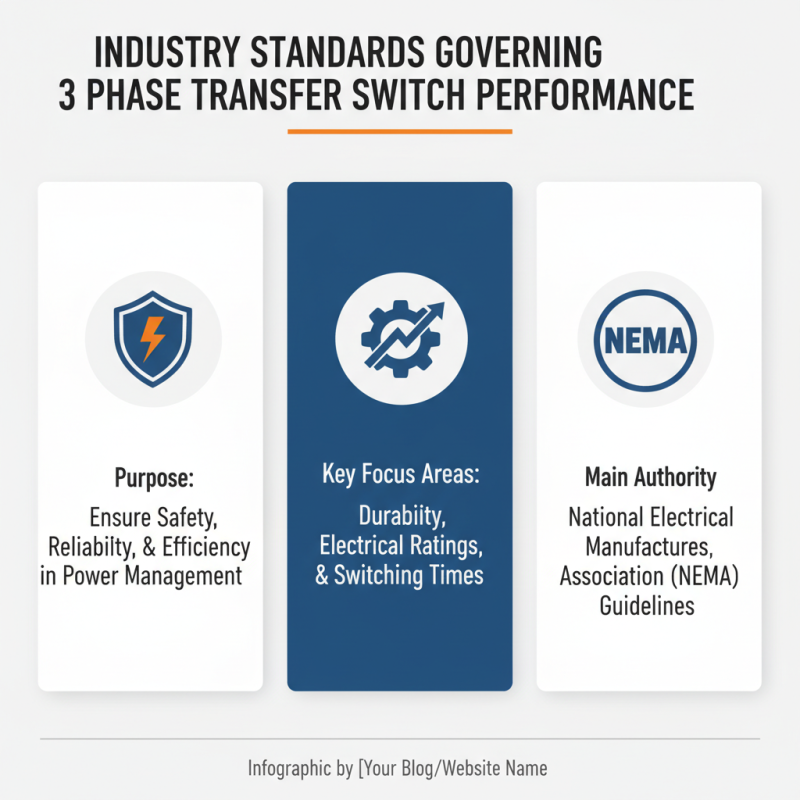
Industry Standards Governing 3 Phase Transfer Switch Performance
The performance of three-phase transfer switches is regulated by several industry standards. These standards ensure safety, reliability, and efficiency in power management. The National Electrical Manufacturers Association (NEMA) sets guidelines for the design and operation of transfer switches. Their standards focus on performance metrics such as durability, electrical ratings, and switching times.
For instance, NEMA's categorization provides data on how transfer switches should perform under typical load conditions. Research shows that compliant switches can handle variations in voltage and current without significant failure rates. Yet, many facilities overlook regular maintenance. This oversight can lead to unexpected downtime, highlighting a gap between standards and practical implementation.
Additionally, while the focus is often on three-phase systems, the relevance of a Single Phase Auto Transfer Switch is undeniable. They are integral in many applications, providing a seamless transition between power sources. Their performance metrics should also align with industry standards. Looking closer, several studies indicate that manufacturers need to prioritize innovations that enhance reliability. The disconnect between established guidelines and on-the-ground execution remains a crucial point for improvement.
Integration of Smart Technology in Modern Transfer Switches
Modern transfer switches are evolving with smart technology. This integration enhances power management efficiency. Users now expect more than just a simple switch. A 400 Amp 3 Phase Transfer Switch can offer reliable performance, but it's not just about capacity. It also involves smart features.
Smart transfer switches can monitor power loads in real-time. This technology helps to prevent overloads and alerts users to potential issues. Imagine a scenario where your system predicts a failure before it happens. That’s the advantage of modern technology. However, the implementation of these systems can sometimes exceed budgetary limits. It's essential for users to assess the cost versus benefits carefully.
Some features may not function as expected. Users might face challenges with compatibility. Integrating smart technology can often lead to unforeseen complexities. As more devices become interconnected, the need for seamless integration grows. Users should continually evaluate their systems. This reflection ensures that the technology remains efficient and meets their needs.
Cost-Benefit Analysis of 3 Phase Transfer Switch Installations
When considering the cost-benefit analysis of 3 phase transfer switch installations, the initial investment can seem daunting. According to industry reports, the average installation cost ranges from $2,000 to $10,000, depending on the complexity and capacity of the system. However, these switches often lead to considerable long-term savings. Businesses can reduce downtime during power outages, which translates to increased productivity.
The efficiency of power management is another crucial factor. Three phase systems can handle higher loads and provide better voltage stability compared to single-phase options. A 400 Amp Single Phase Transfer Switch, for example, can sustain extensive equipment without risking overload. This capability ensures seamless transitions between utility and generator power, minimizing interruptions.
However, organizations should carefully evaluate their specific needs. While some locations may experience frequent outages, others may not require such robust systems. Additionally, ongoing maintenance costs must be factored into the total expenditure. It's essential to assess both immediate and future energy needs before committing to a transfer switch installation. Balancing the costs and benefits is key to making an informed decision.
2026 Best 3 Phase Transfer Switch Options for Efficient Power Management
This chart presents a cost-benefit analysis of various 3 phase transfer switch options for effective power management in 2026. The data reflects the initial installation costs, annual maintenance costs, and efficiency ratings of each option.
Future Trends in 3 Phase Transfer Switch Technology and Applications
The future of three-phase transfer switch technology is evolving rapidly. As industries seek more efficient and reliable power management solutions, innovation is key. Modern designs focus on automation and real-time monitoring. These features help prevent outages and ensure smooth transitions between power sources.
Emerging trends highlight the integration of smart technologies. IoT capabilities allow for remote management and data collection. This shift leads to more informed decision-making. However, potential cybersecurity risks accompany these advancements. Companies must remain vigilant against threats.
Another consideration is environmental sustainability. New materials and processes aim to reduce the carbon footprint of these devices. Efficient energy consumption should remain a priority for manufacturers. Balancing performance with ecological responsibility could prove challenging. Progress in this area is essential for the industry’s credibility.
The Essential Guide to Choosing and Implementing a 125A Automatic Transfer Switch (ATS) for Efficient Power Management
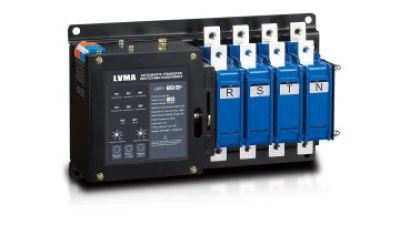
Choosing and implementing an Automatic Transfer Switch (ATS) is a crucial step in ensuring reliable power management, particularly when operating in environments where power supply continuity is essential. The 125A ATS serves as a vital component in dual power supply systems, effectively managing the transition between power sources when irregularities are detected. This ensures that critical systems continue to operate without interruption, thus preventing costly downtimes.
The LMS1-NA Series PC class dual power ATS exemplifies the robust reliability systems require, as it operates within rated voltage levels below 400V and supports AC frequencies of 50/60Hz, along with a rated current capacity of up to 630A. According to industry reports, the utilization of ATS systems can significantly enhance operational efficiency—by as much as 30% in some industrial applications—while also reducing the risk of power-related failures. This reliability is paramount across various sectors, including telecommunications, healthcare, and data centers, where any disruption can lead to severe financial and operational consequences.
Adopting an ATS not only safeguards against power lapses but also contributes to an organization’s overall safety strategy. Research indicates that organizations utilizing automatic transfer switches experience fewer critical outages, bolstering their operational resiliency. By selecting a suitable ATS solution, businesses can ensure compliance with industry best practices while achieving optimal performance in power management.
FAQS
: It enables seamless transitions between power sources, ensuring continuous operations in industries.
Effective power management can reduce operational costs by up to 30%, highlighting its significance.
Neglected systems can lose up to 15% efficiency over time, emphasizing the need for regular checks.
Load requirements, installation environment, and safety standards compliance are key considerations.
They optimize energy usage by 15% and provide real-time data on energy consumption.
Emerging technologies may pose cybersecurity risks that companies need to actively manage.
Improper setup can lead to malfunctions, affecting the performance of the power management system.
Manufacturers are focusing on reducing carbon footprints and improving energy efficiency.
About 40% of power disruptions are linked to inadequate switch performance, highlighting the importance of quality.
The industry is evolving with a focus on automation, real-time monitoring, and smart technology integration.
Conclusion
The article "2026 Best 3 Phase Transfer Switch Options for Efficient Power Management" provides a comprehensive overview of the role of 3 Phase Transfer Switches in modern power systems. It discusses the key features that enhance efficiency, including reliability and seamless switching capabilities. The comparative analysis highlights top products in the market, offering insights into their performance based on industry standards.
Additionally, the article explores the integration of smart technology in these transfer switches, which facilitates better monitoring and management of power distribution. It also examines the cost-benefit aspect of installing 3 Phase Transfer Switches, underlining their long-term value for both residential and commercial applications. Lastly, it addresses emerging trends that indicate the future directions for 3 Phase Transfer Switch technology and its growing relevance in efficient power management.


 中文

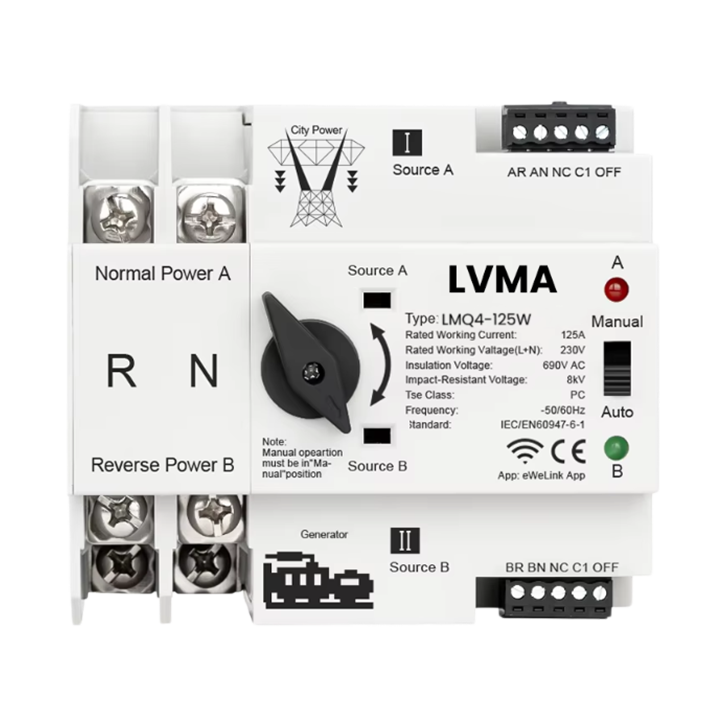 Wifi Ats 125A, Automatic Transfer Switch 2P 3P 4P LMQ4-125W
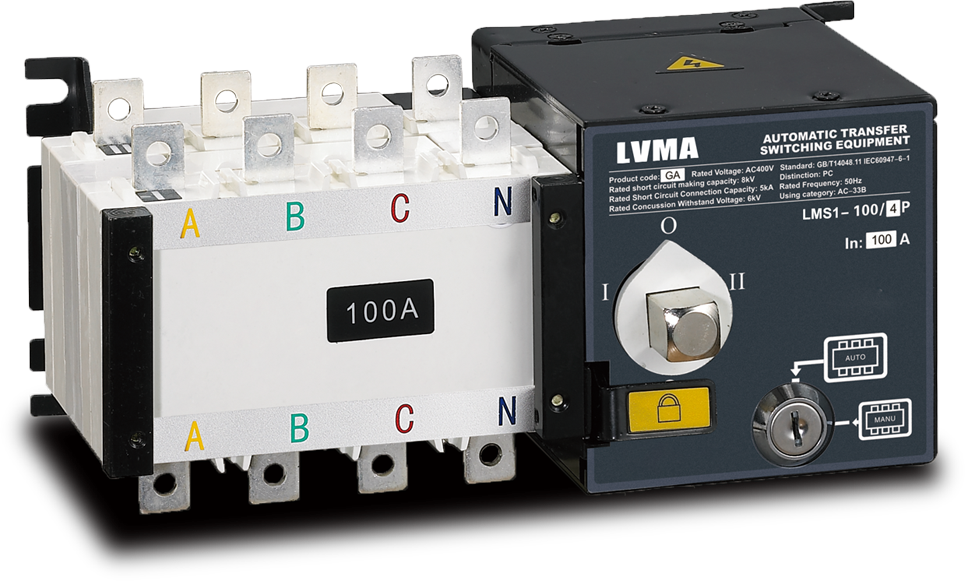 LMS1-GA series Automtic transfer Switch Ats 100A
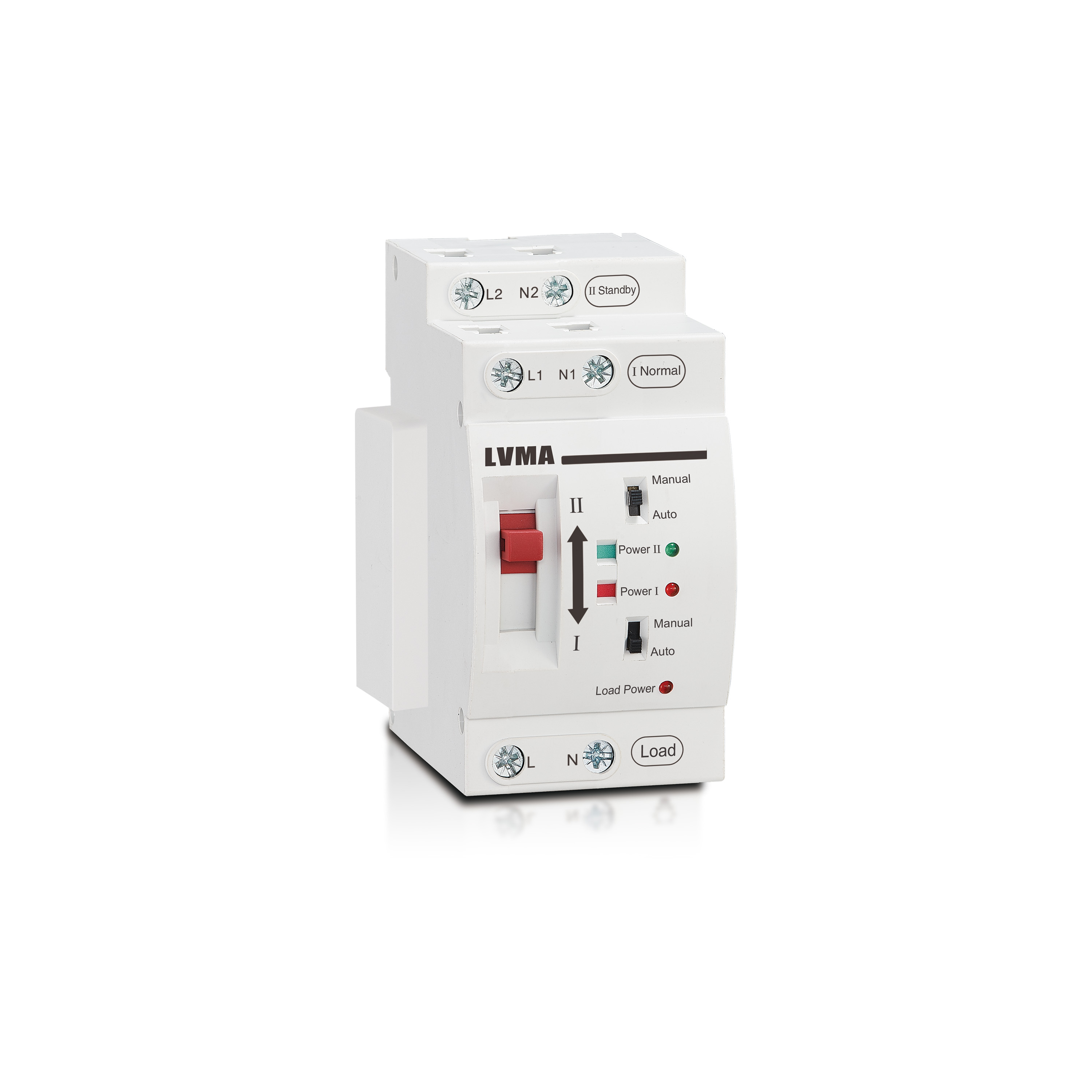 LMS1-NJT Series Automatic Transfer Switch Ats 63A
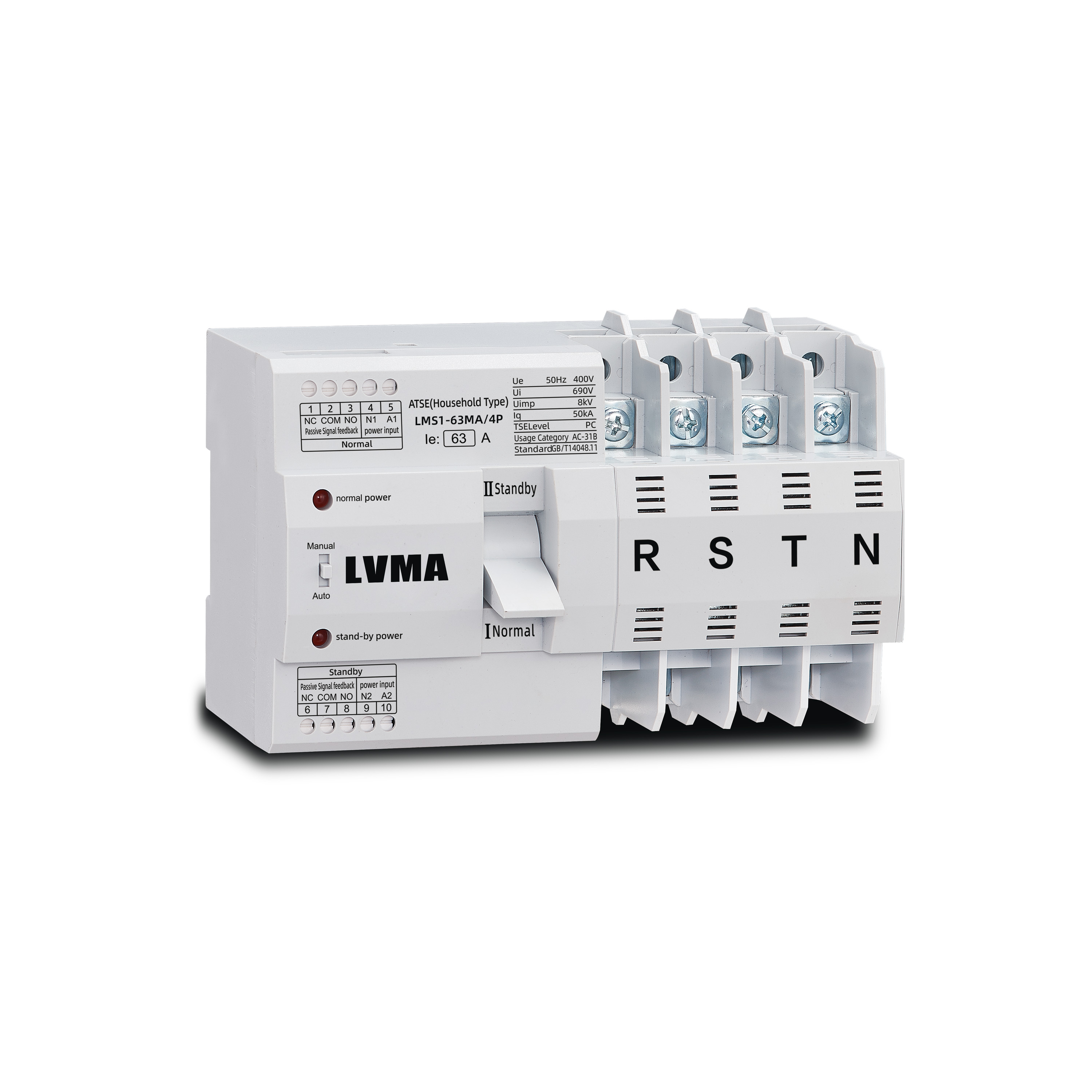 LMS1-MA Type PC Class Automatic Transfer Switch Ats 63A
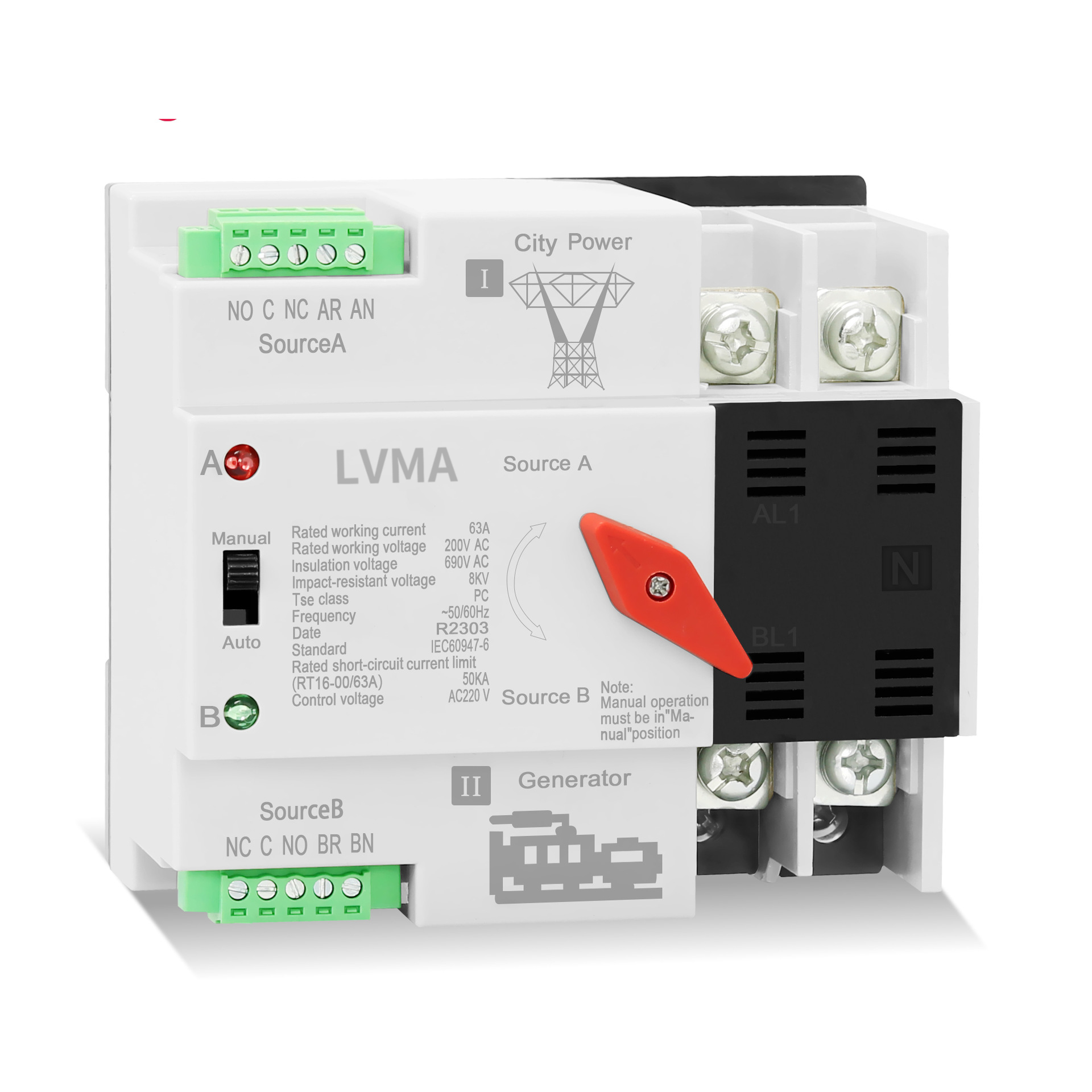 Ats 100A,Automatic Transfer Switch 2P 3P 4P LMQ4-100X
 LMS1-LA Series Automatic Transfer Switch ATS 100A
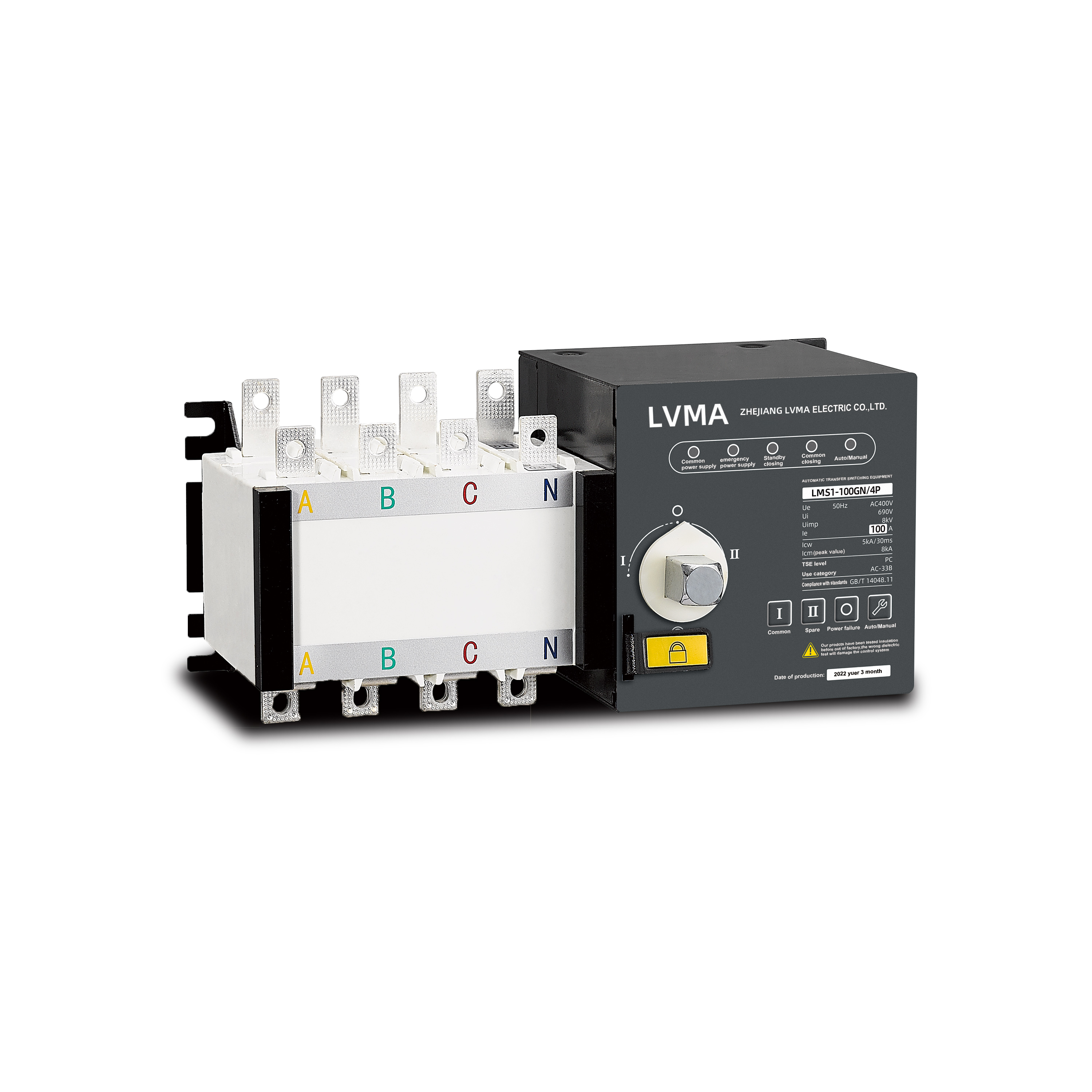 LMS1-GN Automatic Transfer Switch ATS 250A
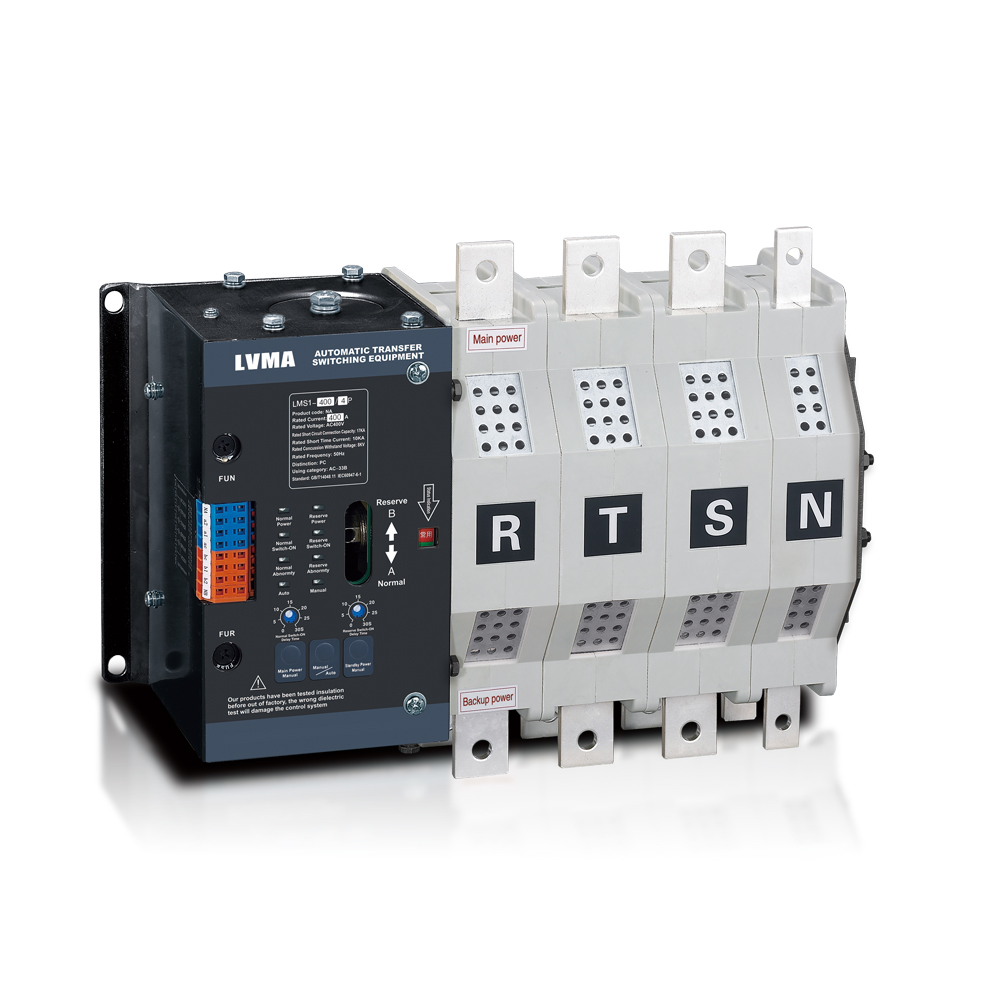 LMS1-NA Series Automatic Transfer Switch ATS 630A
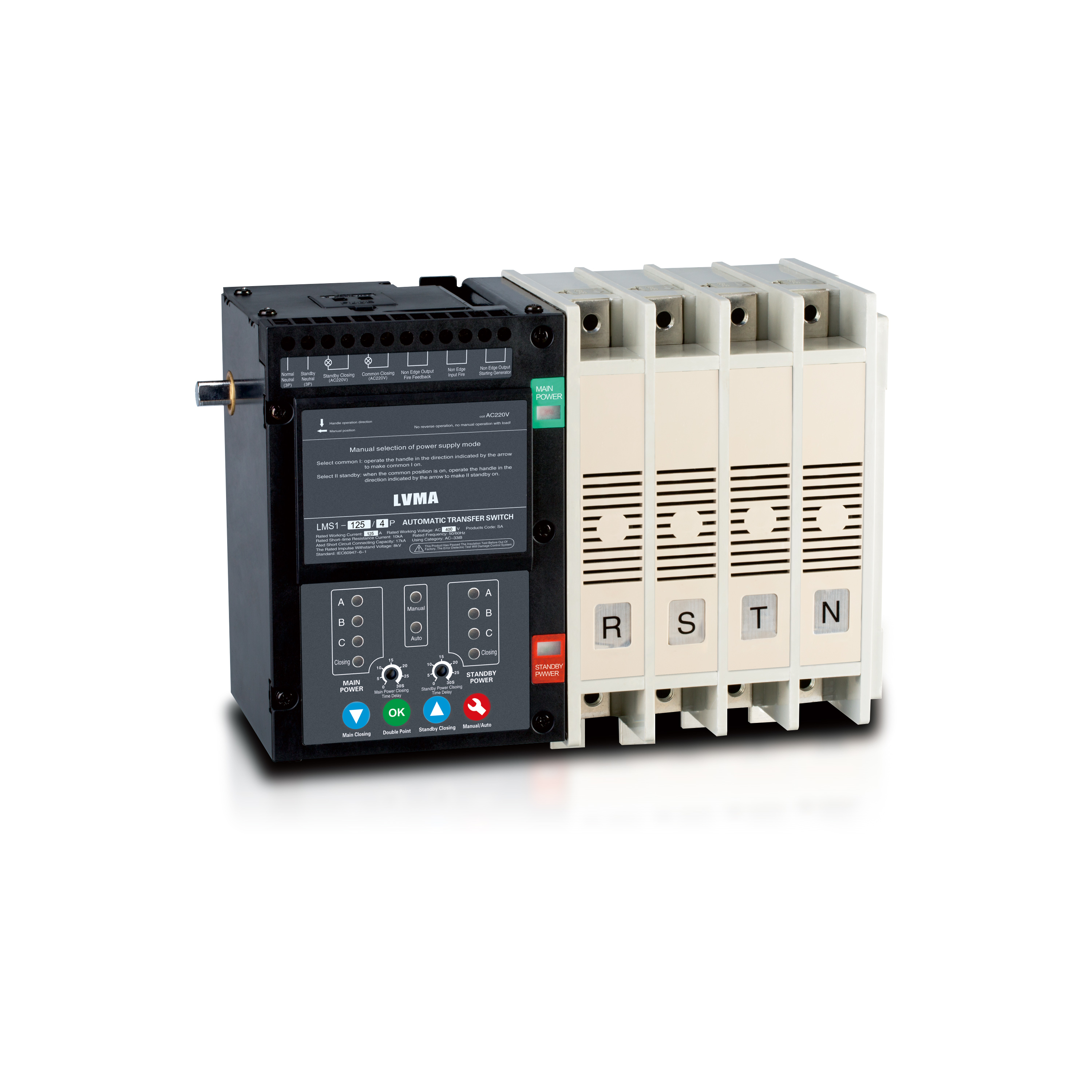 LMS1-LA3 Series PC Automatic transfer switch Ats 630A
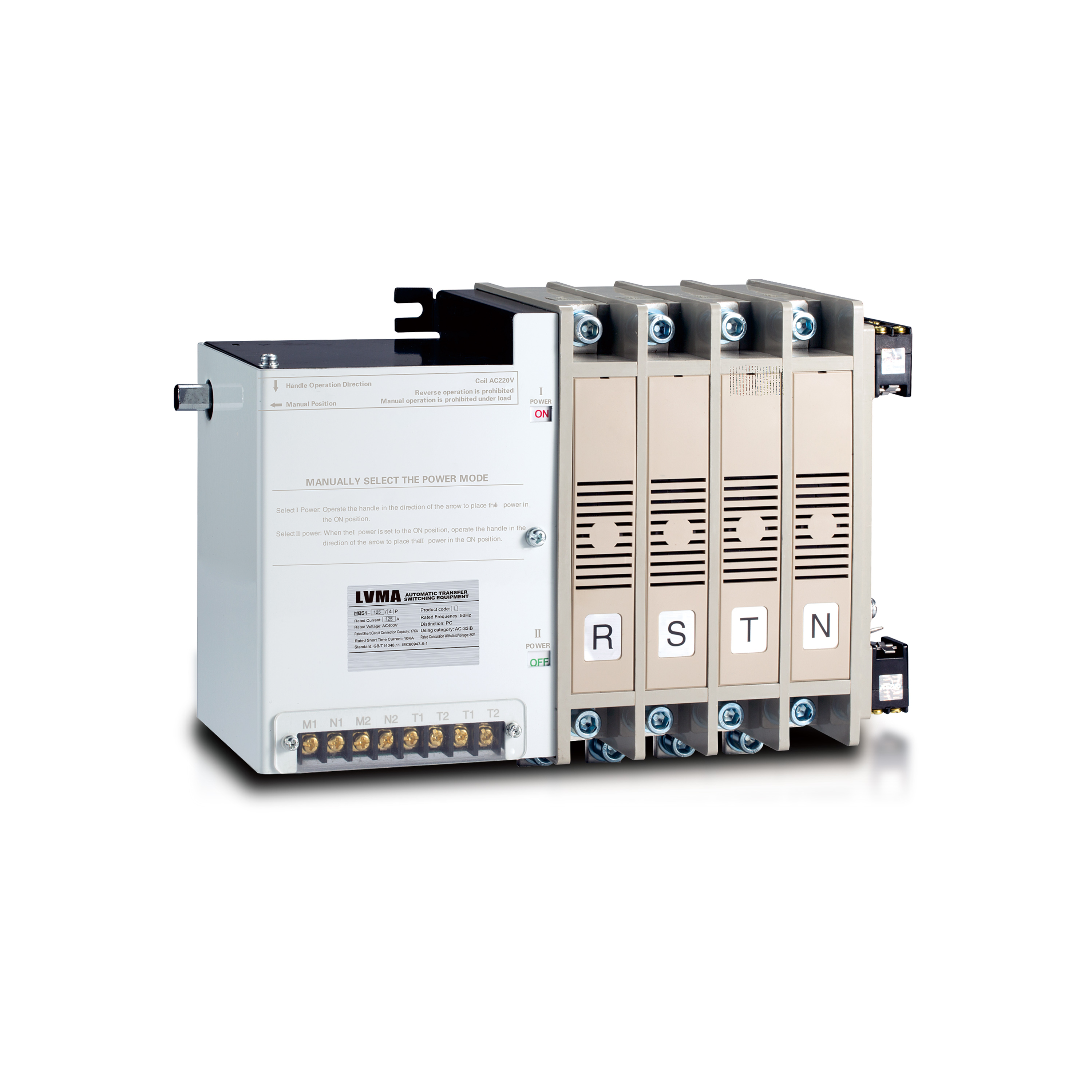 LMS1-L Series Automatic Transfer Switch Ats 630A
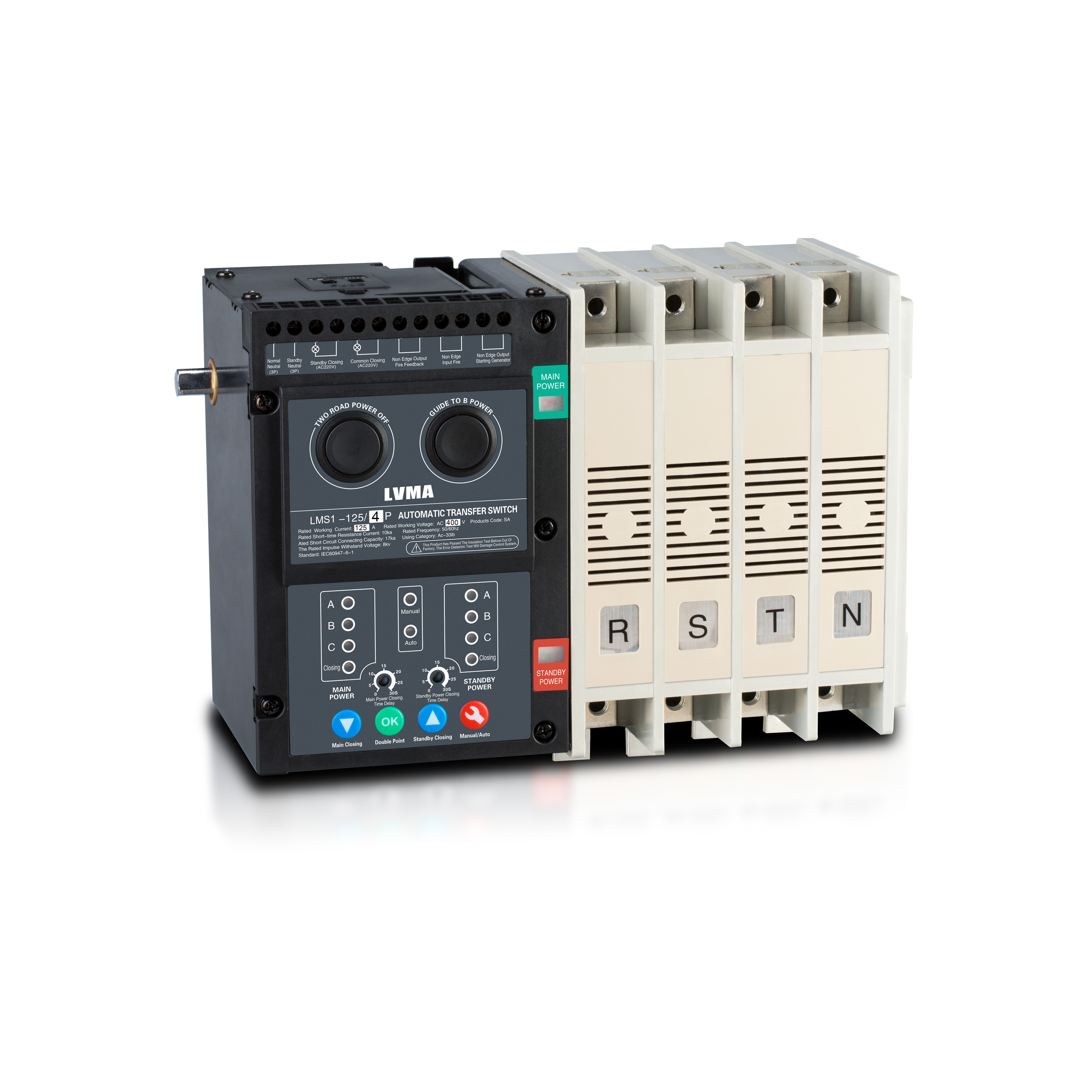 LMS1-SA Series PC Automatic transfer switch
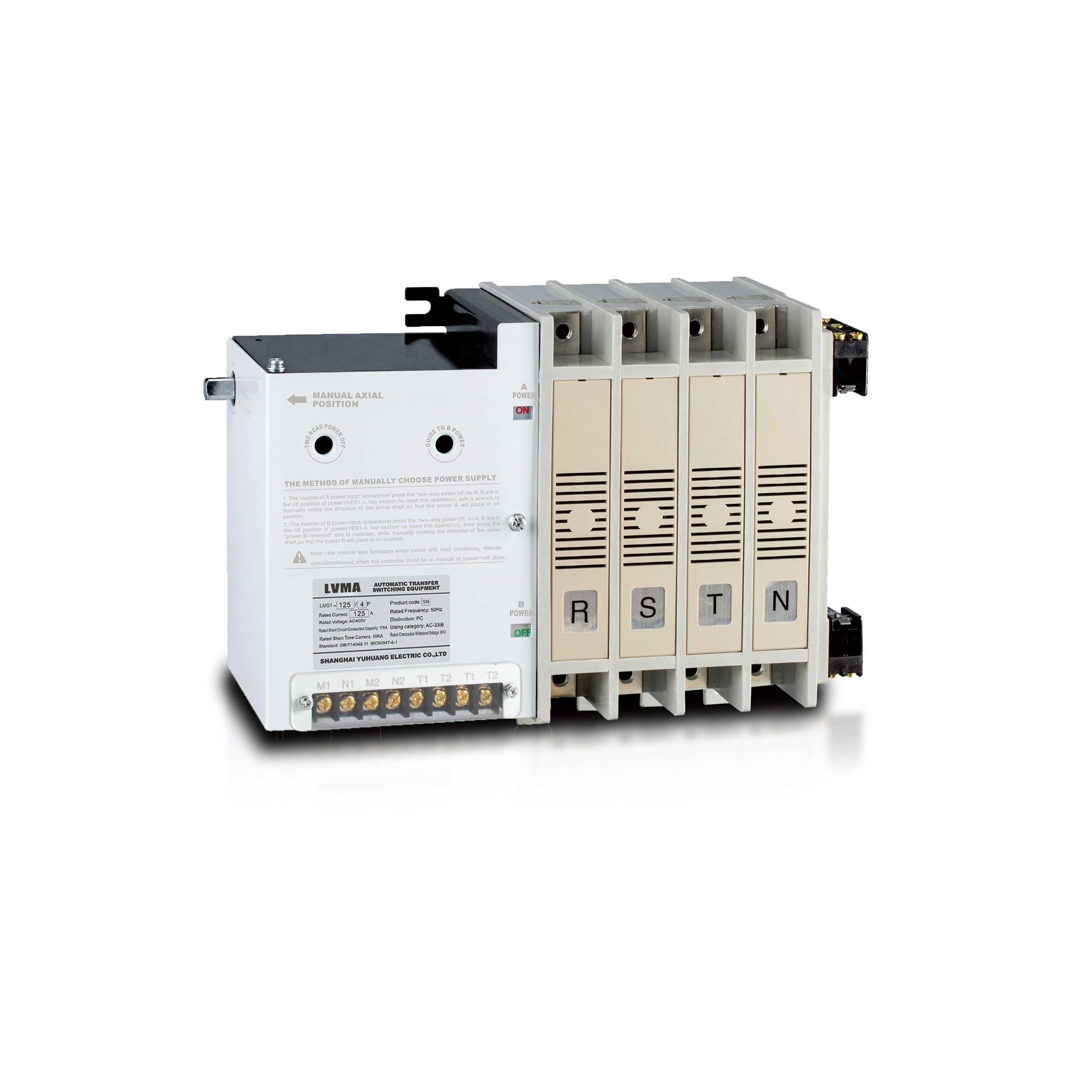 LMS1-SN Series Automatic Transfer Switch Ats 400A
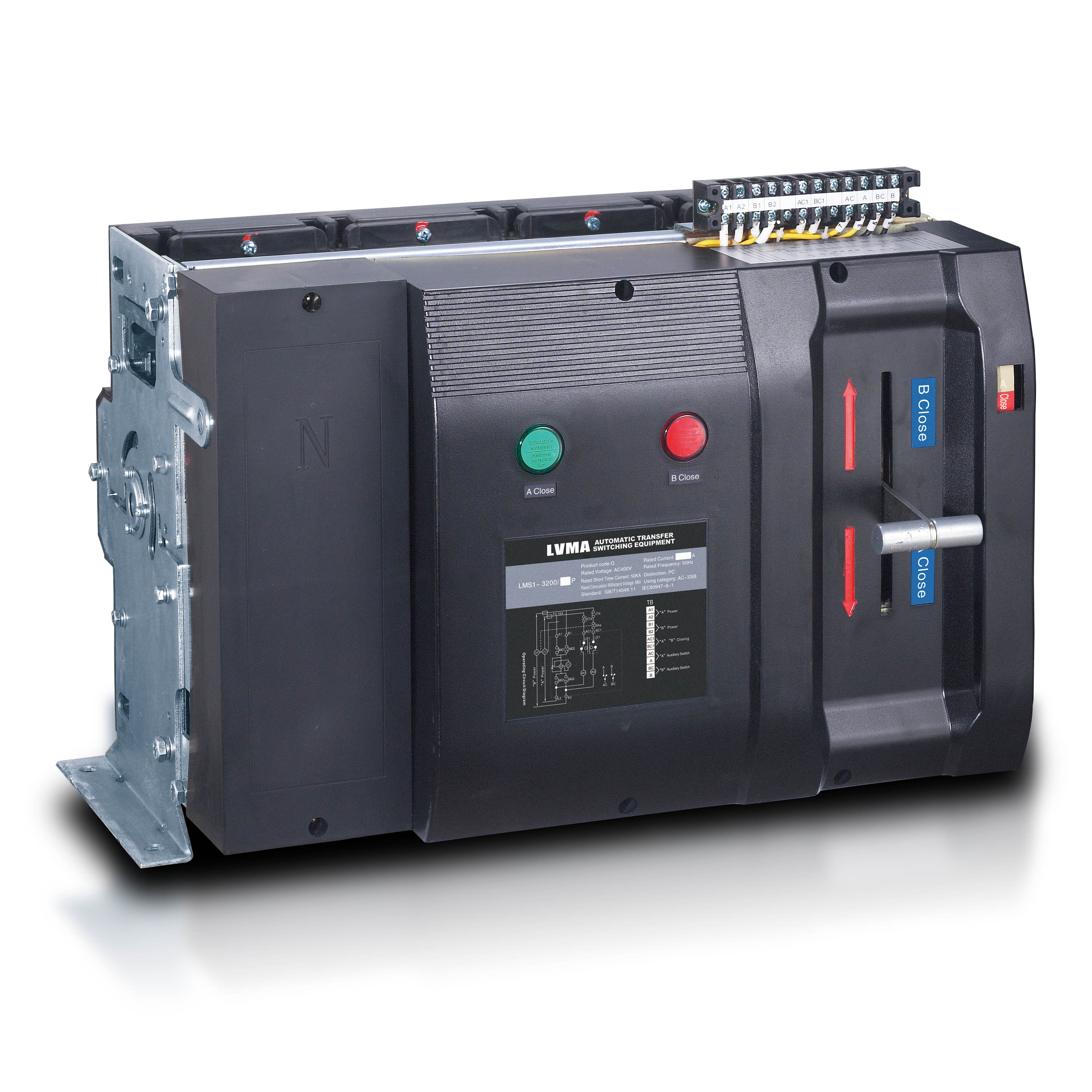 LMS1-Q Type Automatic Transfer Switch Ats 3200A
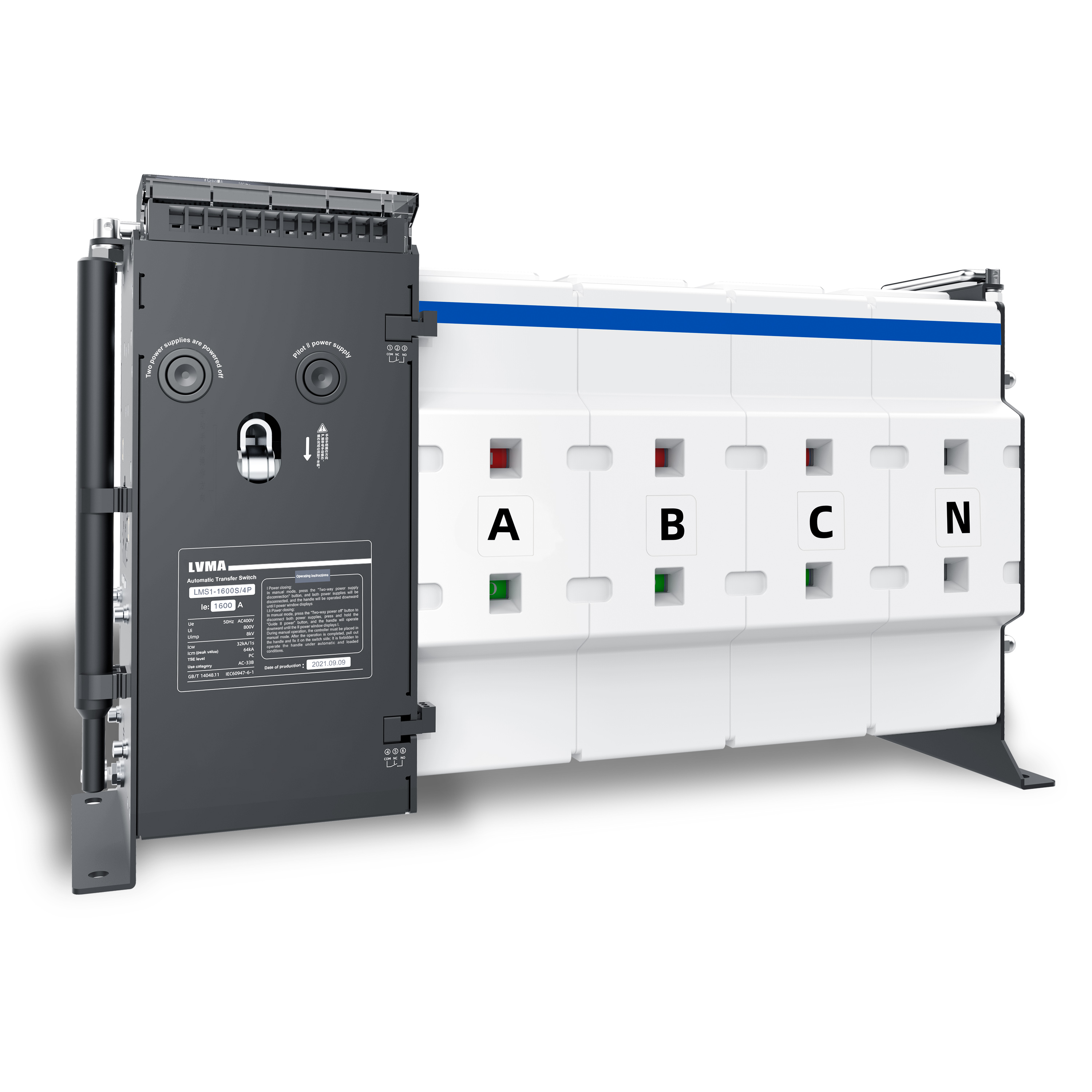 LMS1-SN Automatic Transfer Switch Ats
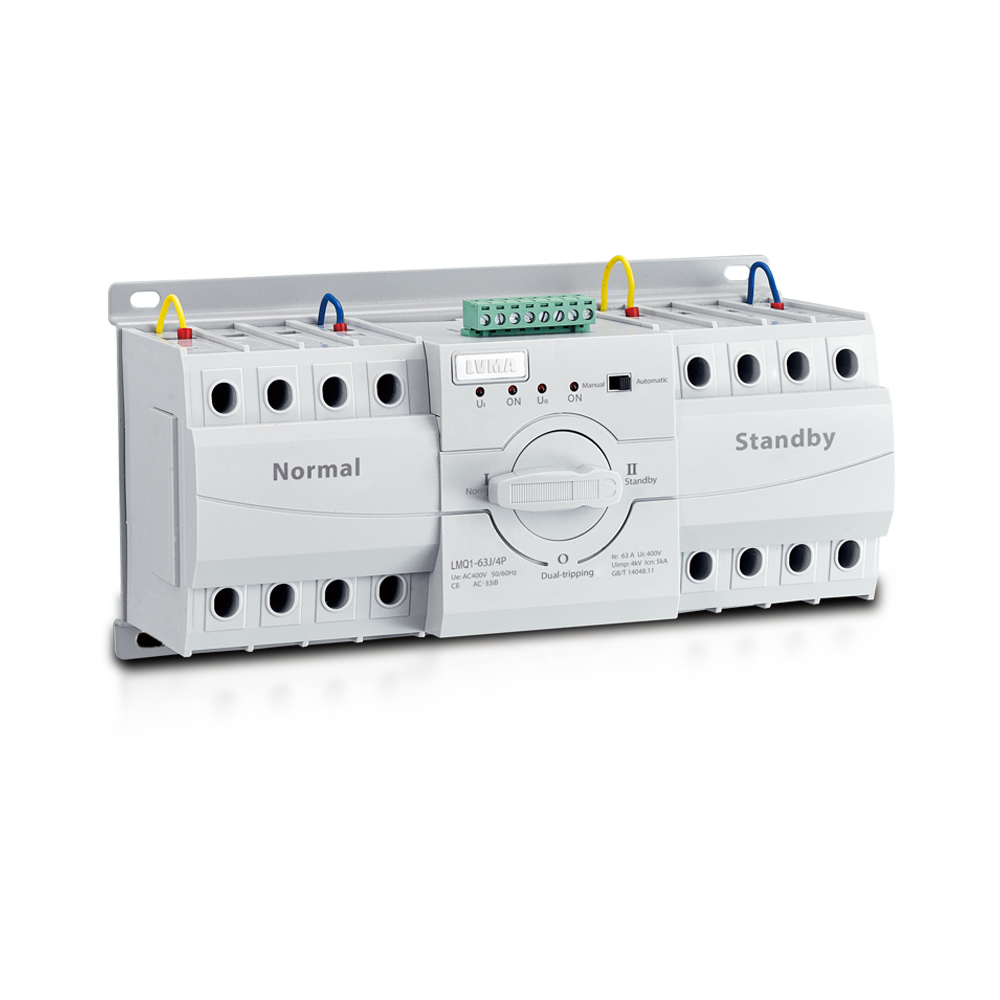 LMS1-J Series Automatic Transfer Switch Ats 63A
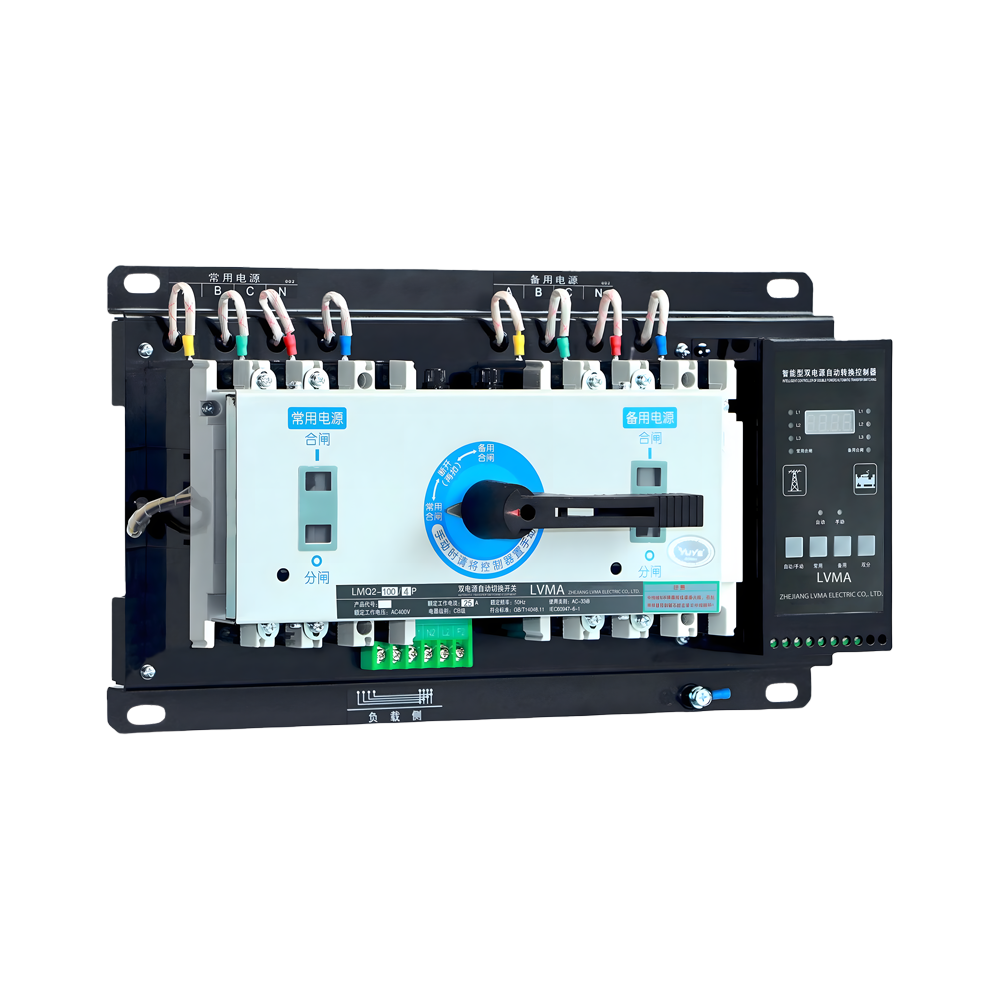 LMQ2Y Series Automatic Transfer Switch CB Class
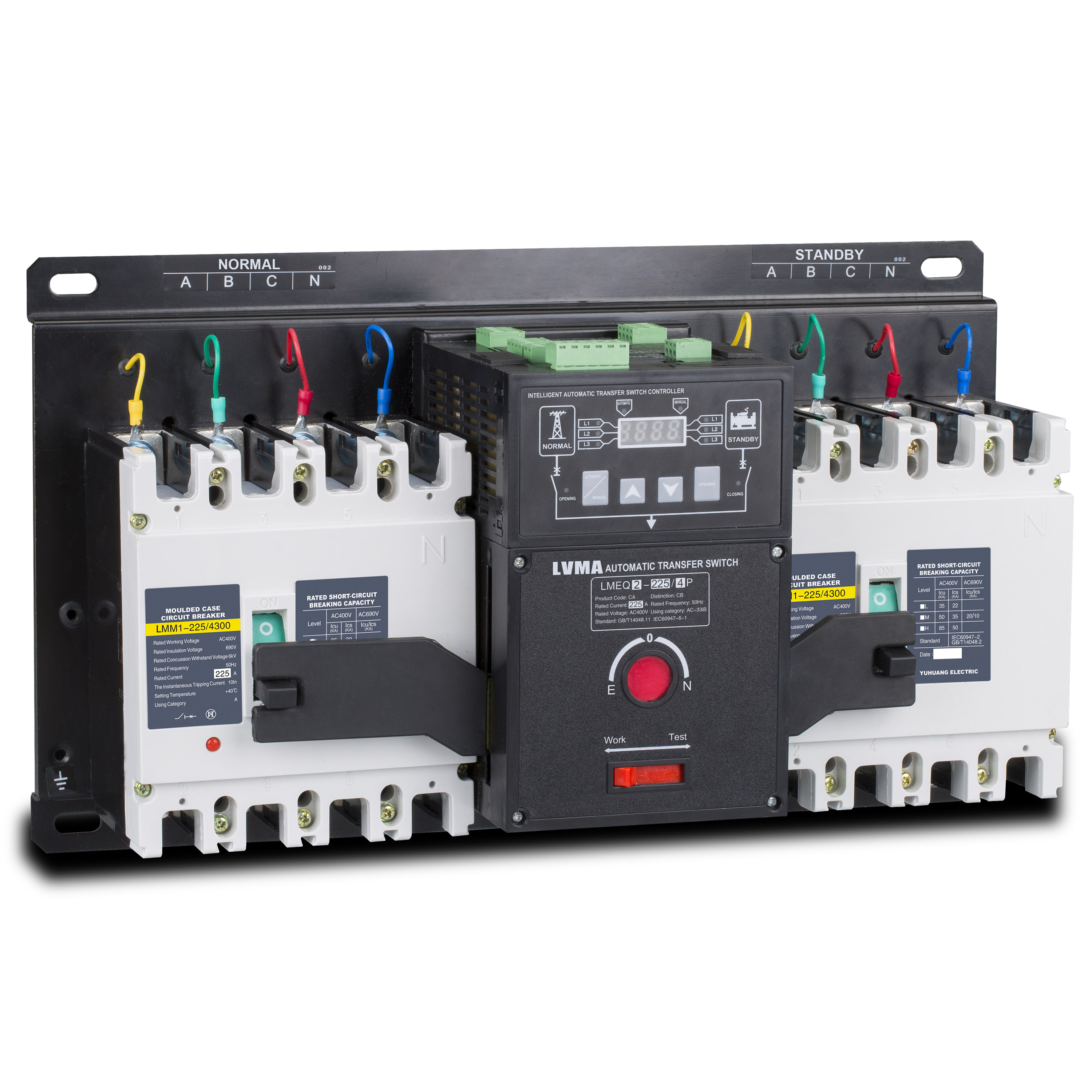 LMQ2CB Series Automatic Transfer Switch
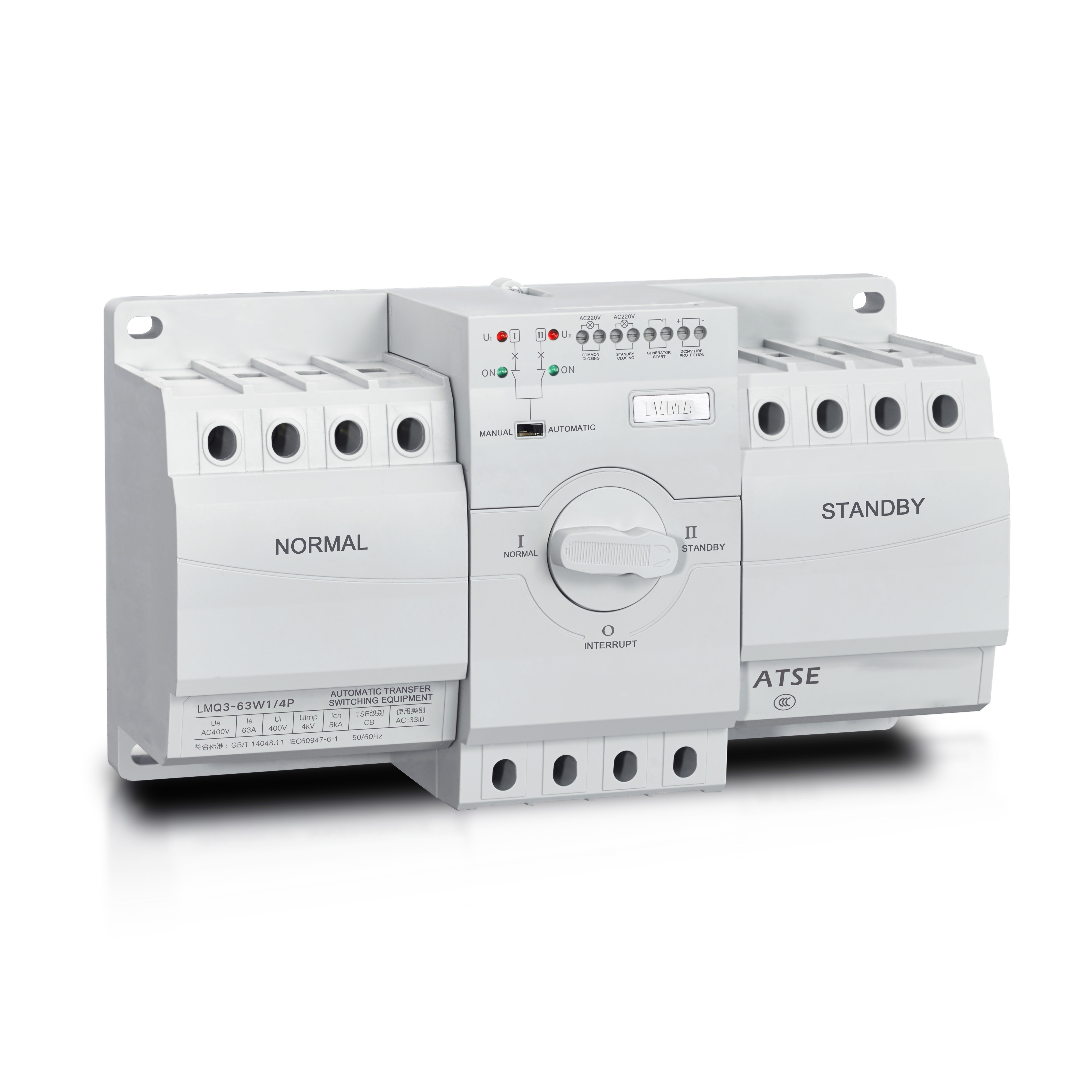 LMQ3-W1 Automatic Transfor Switch Ats 63A
 LMQ3-W1 Automatic Transfor Switch ats 630A
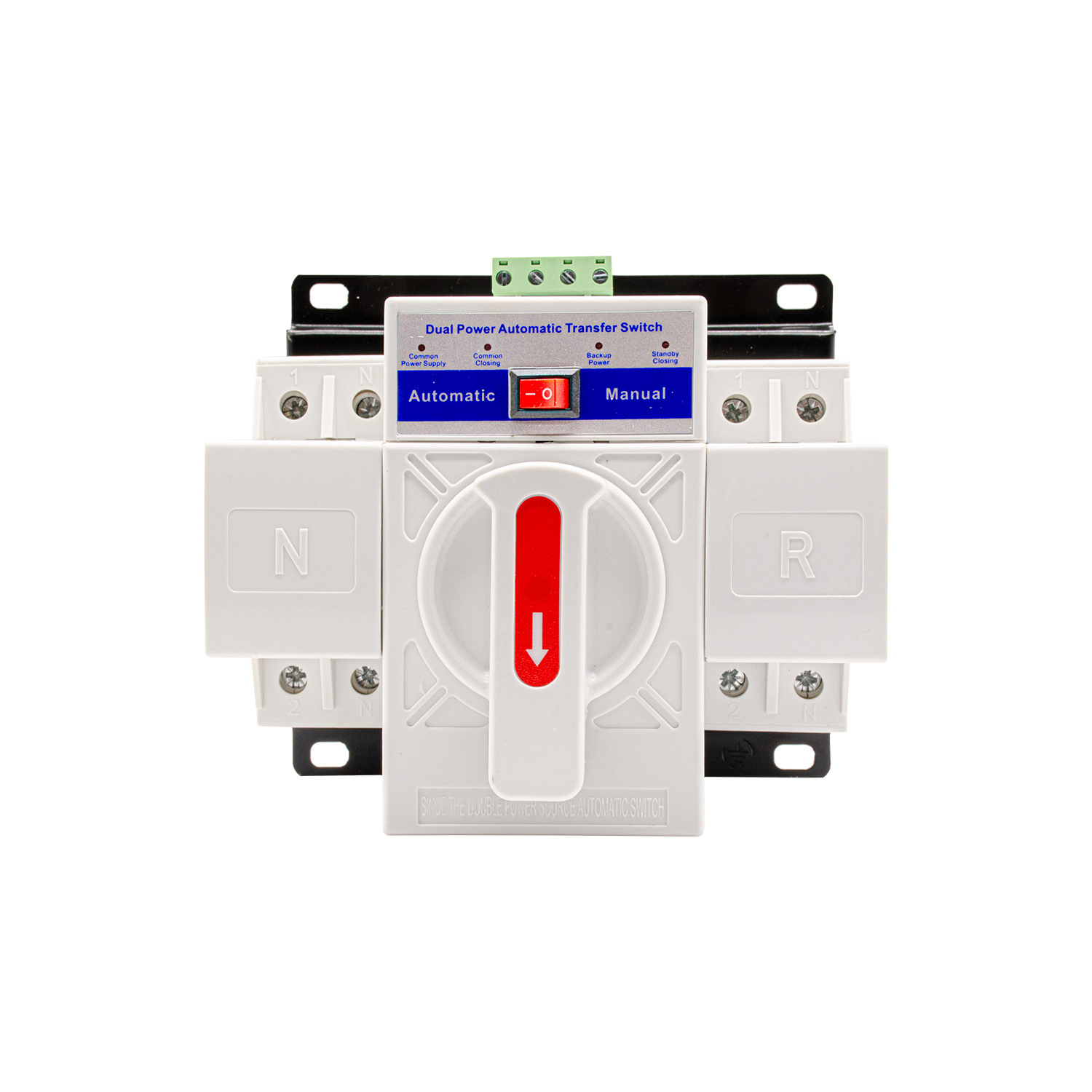 LMQ4-63M 63A Automtic transfer Switch 2P 3P 4P
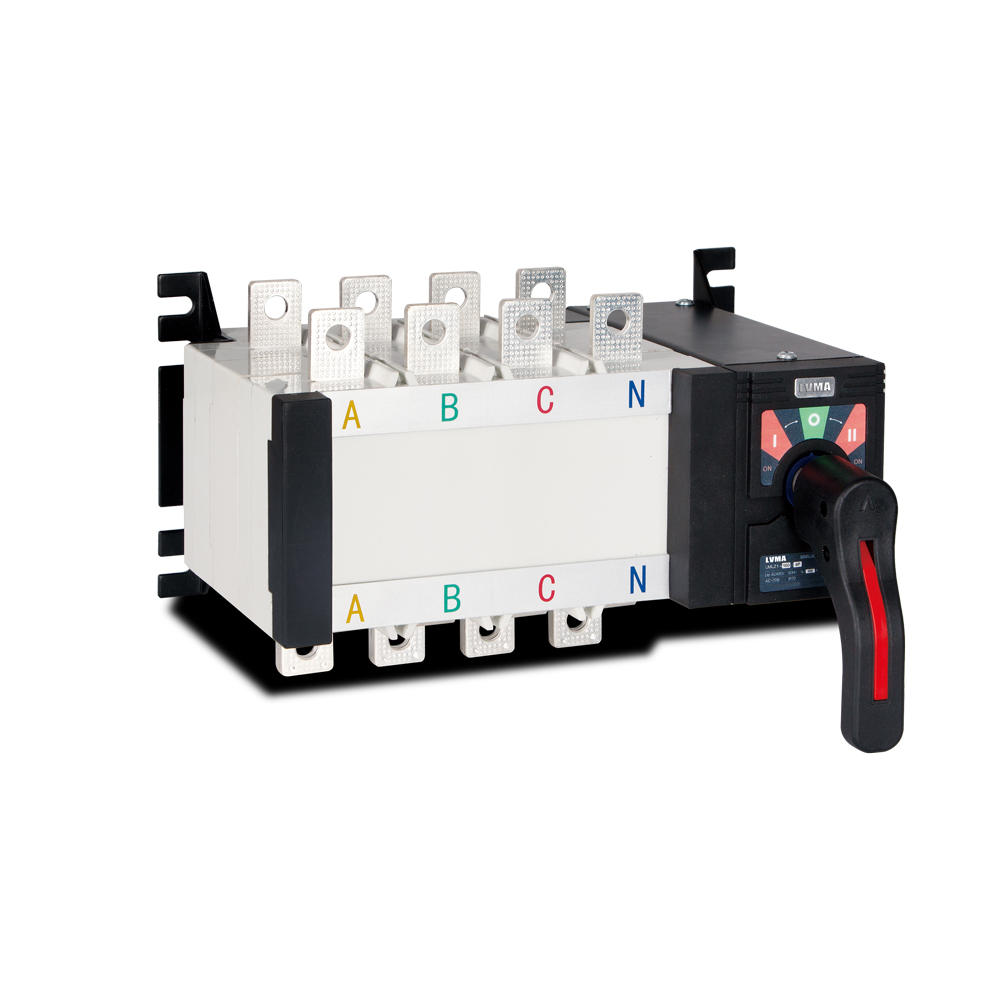 LMGLZ1 Manual Transfer Switch (100~630A)
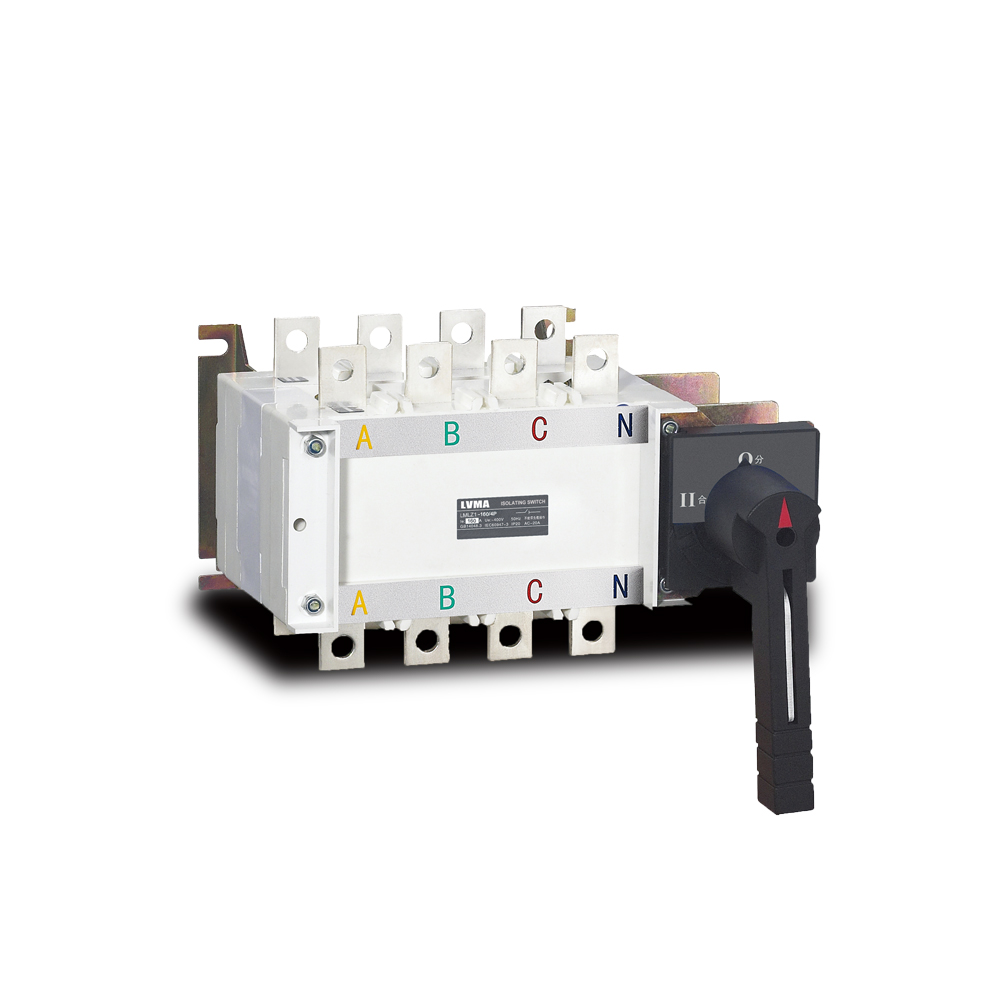 LMGLZ Manual Transfer Switch (100~630A) Changeover Switch
 Y-700 Automatic Transfer Switch Controller
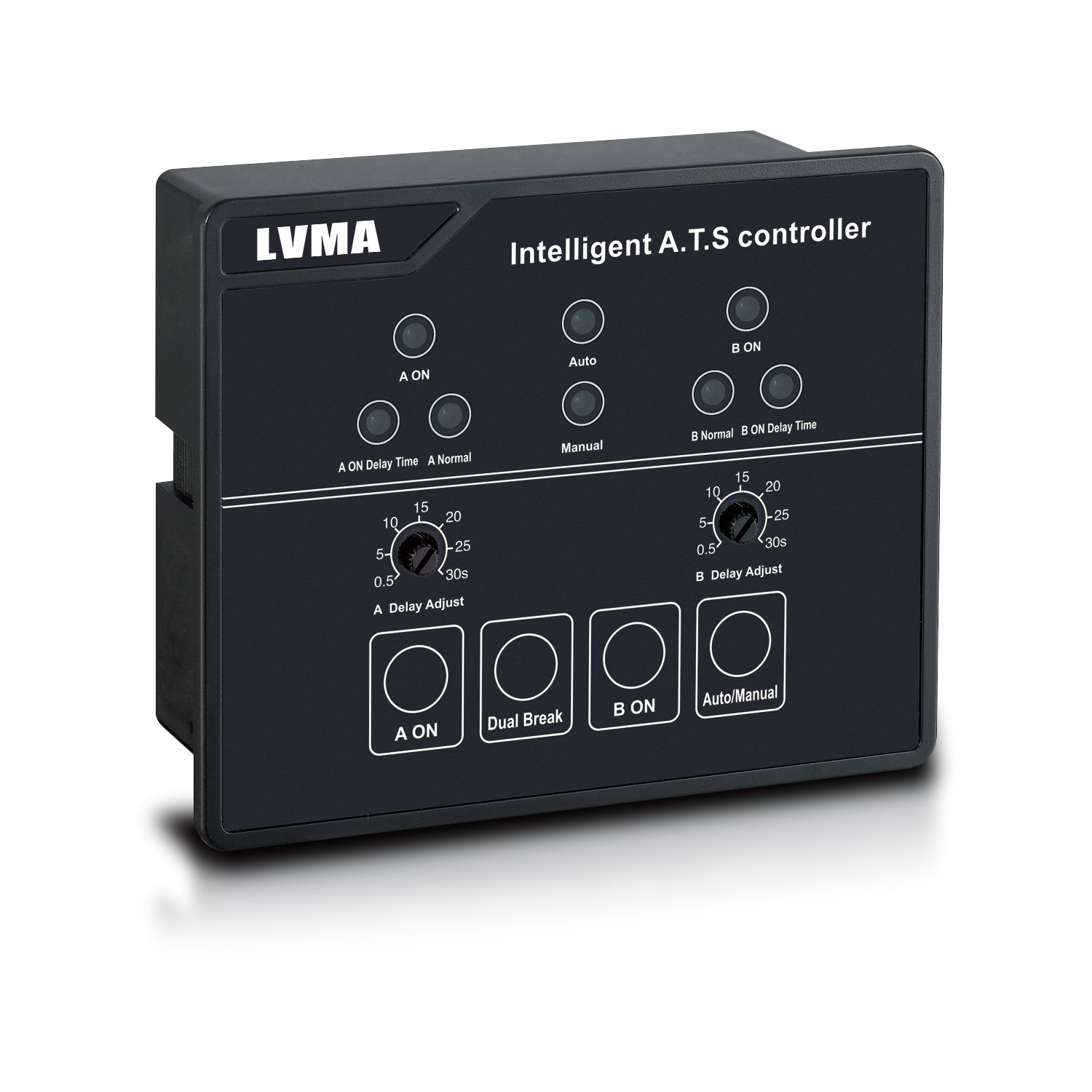 Y-701 Automatic transfer switch controller
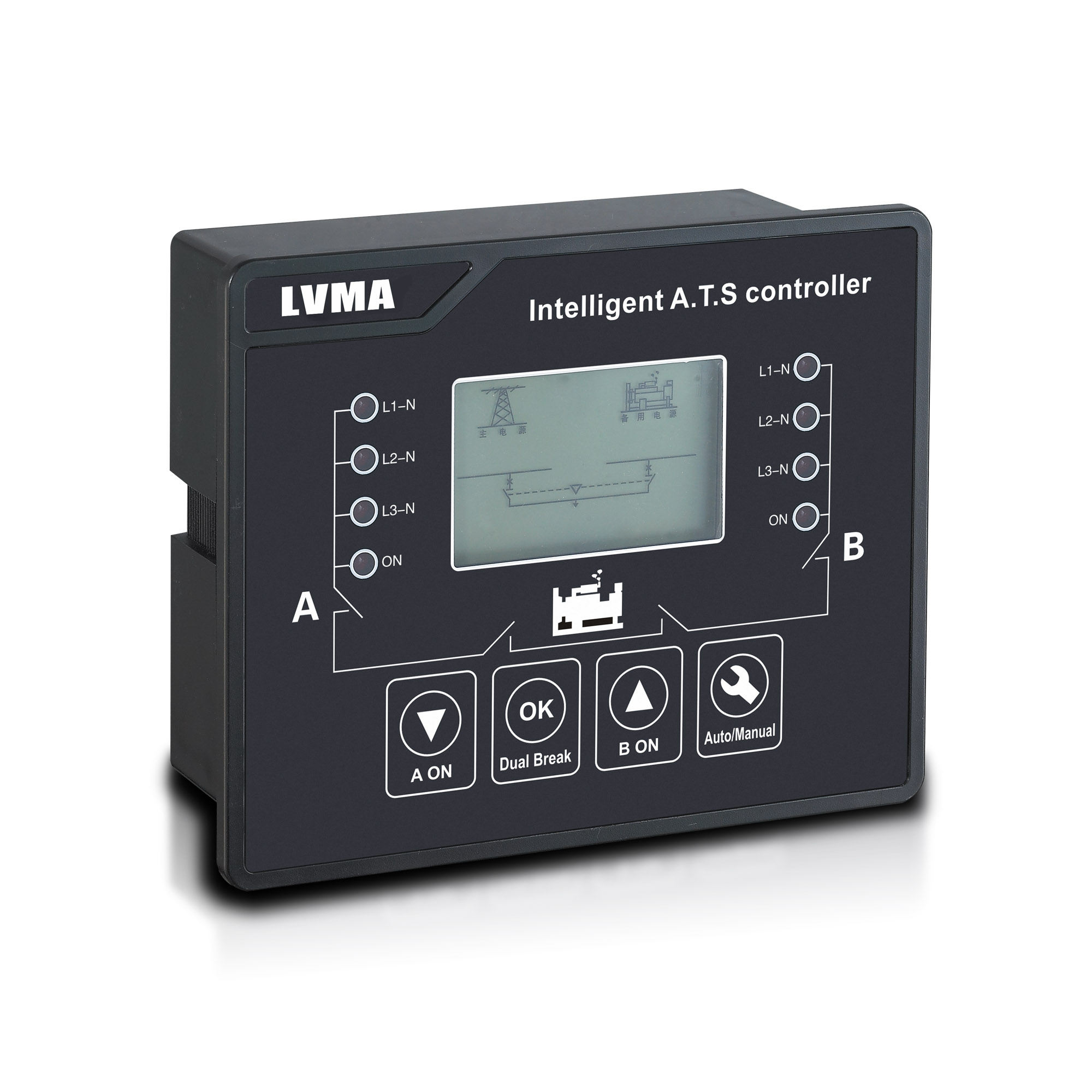 Y-702 Automatic Transfer Switch Controller
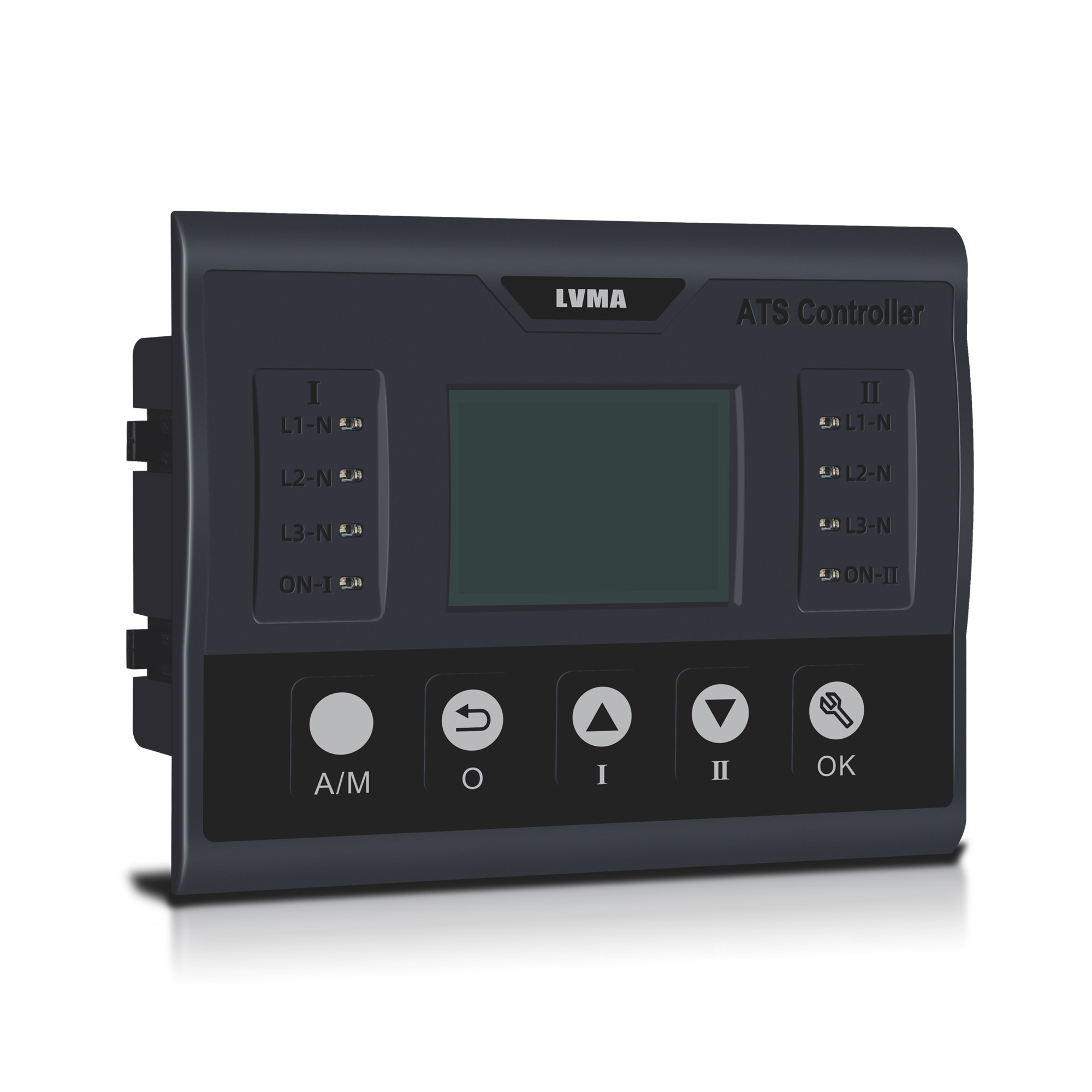 Y-703 Automatic Transfer Switch Controller
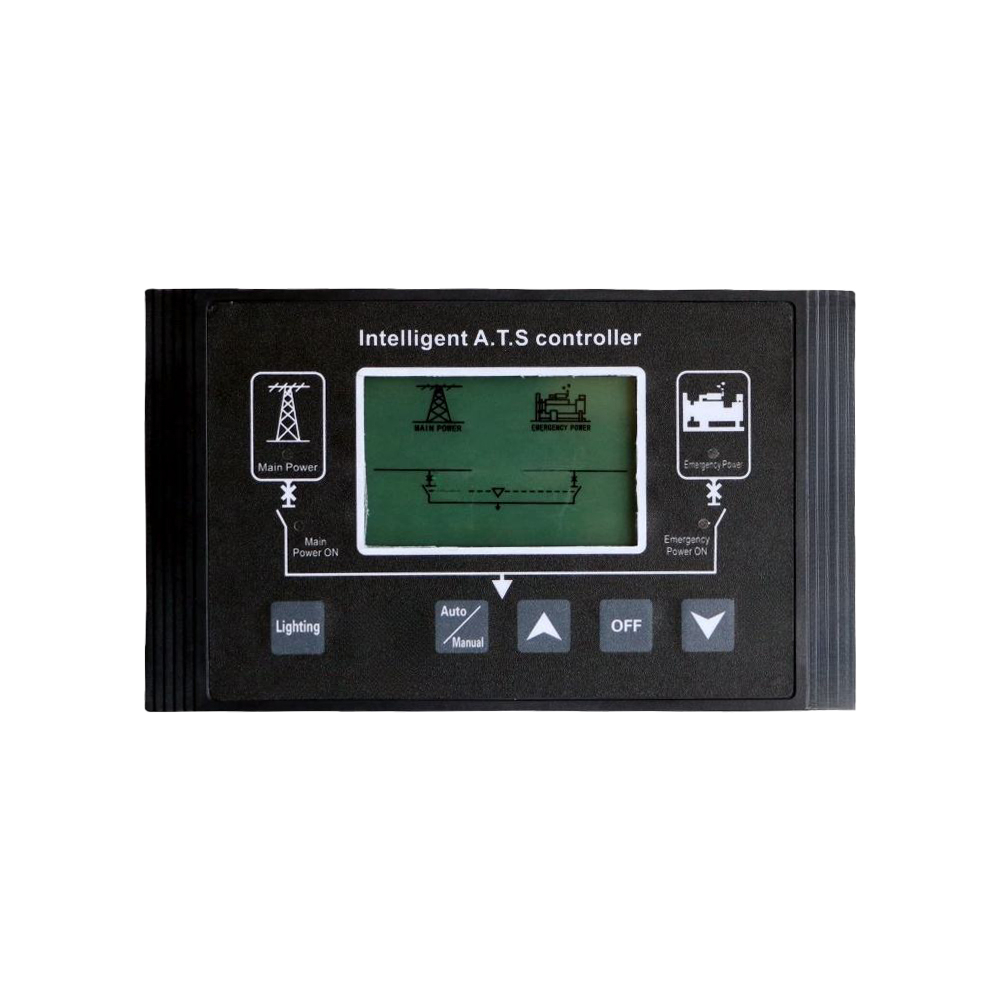 W2、W3 Automatic Transfer Switch Plug-In Led Digital Controller
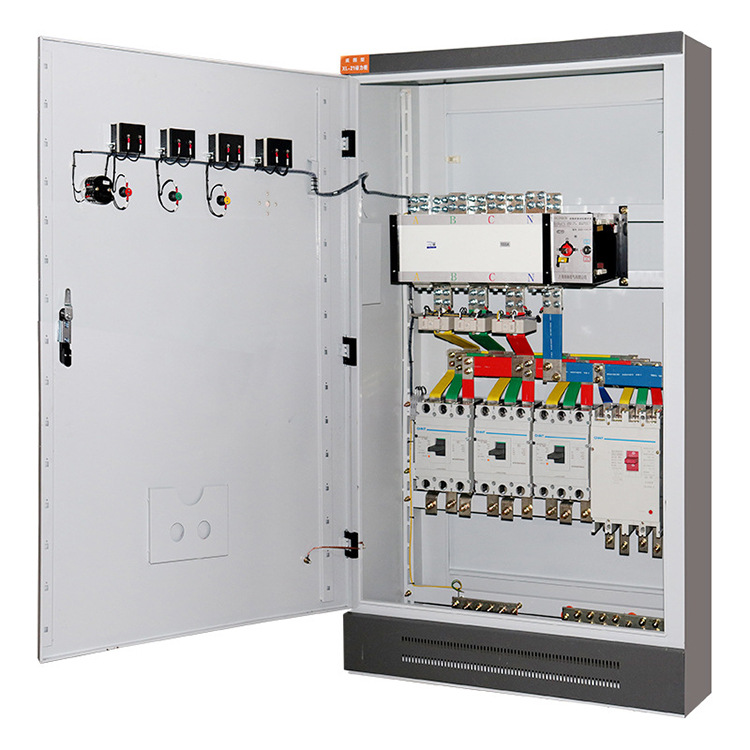 Customization-Automatic Transfer Switch Cabinet 100A Ats
 Dual Power Supply Control Cabinet - Automatic Transfer Switch
 Ats Cabinet - Automatic Transfer Switch